
Why does my cat constantly scratch itself?
Why does a cat scratch itself so intensely and constantly? The most obvious answer that comes to everyone's mind is, of course, fleas or other friendly crawling insects. parasitesBut is everything so clear-cut? What if there are no fleas, but the cat scratches constantly, sometimes even to the point of bleeding? What should you do then, and how can you treat it? We'll tell you about that today.
Everyone knows that in addition to the essential cat care routines, such as feeding and litter box use, you also need to carefully monitor their health. Regular veterinary visits are essential, especially if you found your pet in the yard. All necessary vaccinations are also essential. But... Life dictates the opposite—we rush to the vet only when a rooster has pecked us or our cat.
Content
Lice and fleas
The most common cause of itching in cats is parasites in their fur. Even if the cat is an indoor cat that has never left the house, there is still a risk of parasitic infestation. Let's look at the most common cases.

These are blood-sucking insects that, when attached to a cat's skin, cause intense itching, leading to constant scratching, irritability, decreased appetite, and possible hair loss. The main areas of infestation are the abdomen, base of the tail, and, less commonly, the neck.
For prevention, you need to use special collars and perform regular hygiene procedures (washing with special anti-flea shampoos). There are also various special medications (drops,sprays, suspensions), which help protect against parasites. In fact, this is the most harmless case on our list, and curing fleas won't be difficult!
Hormonal disorders
Sometimes a cat may scratch excessively due to hormonal imbalances. These symptoms can also include itching, restlessness, dullness of the fur, and even hair loss. For a precise diagnosis and proper treatment, your cat should be seen by a specialist. Vitamins and dietary adjustments are typically prescribed. It is quite difficult even for a specialist to identify this case, so do not try to make a diagnosis yourself.
Other reasons
Here are a few more possible reasons why a cat might be constantly scratching itself.
Scabies
It's caused by the itch mite. The parasite's name speaks for itself: the cat experiences itching and scratches itself until pustules appear. Only a specialist can identify this parasite, and they also prescribe treatment, usually with special injections. Typically, with this disease, a cat can scratch itself until it bleeds - an extremely unpleasant diseaseBut it is curable - don't worry!
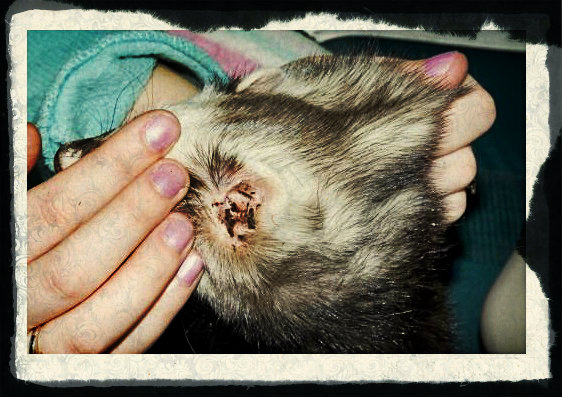
Ear mites
In this case, the cat constantly scratches its ears and appears generally lethargic and unwell. The disease is caused by parasites. ticks On the inside of the ears of cats, attracted by the smell of sulfur. The ears become covered with a dark coating and a characteristic odor develops. Treatment is being carried outmedicinally, using special dropsVeterinary supervision is advisable.
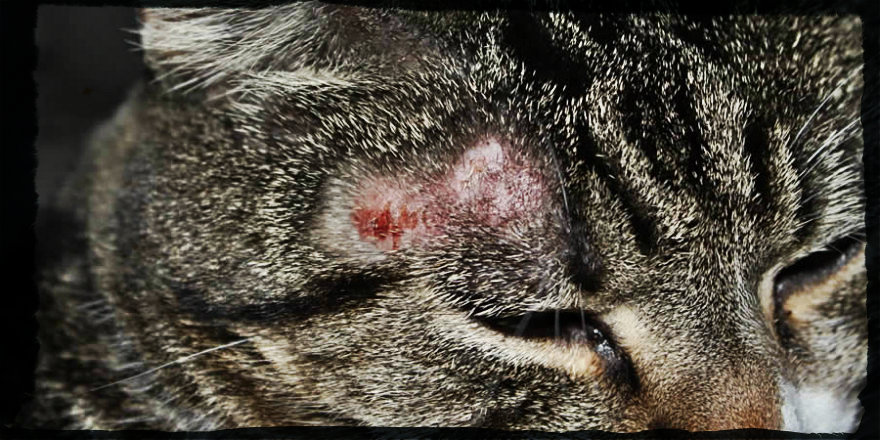
Ringworm
An infectious disease caused by fungi. It causes unbearable itching in cats, leading to scratching until hair falls out. Bald spots appear on the body, the skin becomes dry, and pustules may develop. In this case, treatment is prescribed with antibiotics and veterinary observation. lichen If the disease is detected in the early stages, treatment is carried out using ointments and medications.
Allergy
Cats, like people, are prone to allergic reactions. Therefore, it's worth paying attention and taking your cat to a specialist if it constantly licks, scratches, or sneezes. Most often, allergies are caused by dust mites or food. While these aren't harmful to your cat's health, they can cause discomfort. They can be treated with antihistamines.

Symptoms and diagnosis
If your cat is constantly scratching itself, how to treat it? First, pay attention to the accompanying symptoms:
-
Bald spots, redness, increased sebum production on the skin.
-
Areas of scale, crust, or pustules.
-
Excessive licking, biting for itching, aggression or restlessness.
-
Sleep disturbances, refusal to eat and stress relief.
Table: main signs and possible causes
| Symptom | Possible cause | Explanation |
|---|---|---|
| Superficial bald spots | Allergy, contact dermatitis | Itching is localized, often behind the ears |
| Wet areas/abscesses | Bacterial infection | The place is hot, there is discharge. |
| Small flakes and dandruff | Yeast infections | They are very itchy, especially in animals with oily fur. |
| Increased thirst, obesity | Endocrine disorders (hypothyroidism) | Excess weight and dry skin |
| Itching all over the body | Parasites (fleas, ticks, lice) | They like to lie within easy reach |
New approaches to treatment
Exposing the "Independent Drops"
Many online stores offer universal products—all-in-one drops. But the modern approach is diagnostics first, then medication. For example, for severe itching, a skin scraping is essential, rather than immediate procedural treatment.
Probiotics and fatty acids
Recent studies indicate that frequent use of EPA/DHA (omega-3) and micro-probiotics restores the skin barrier. Supplementing with fatty acids in the diet can reduce itching by 2-3 times within just 4 weeks.
Regular thermal regime
Sometimes a cat's itchy skin is caused by temperature differences. Humid autumn air and the dry heat of a heated room create a microclimate that generates static electricity and household dust particles. Using a humidifier will reduce the intensity of the itching reaction.
Cognitive-behavioral link
If a cat is constantly scratching, it may be part of a recurring pattern. Some cats enter a "protracted scratching" cycle, where physical itching becomes a habit. This is similar to human anxiety. In such cases, a veterinarian recommends:
-
Limit time of access to the skin: wearing soft collars during the healing period.
-
Provide distracting activities: toys, scratching posts, and cognitive stress relief.
-
Use contact: human warmth is enough for a cat to calm down.
Therapeutic tactics
Action algorithm for the owner:
-
Initial observation: degree of itching, regularity, affected area.
-
A visit to the veterinarian – diagnostics (scraping, tests, ruling out infections).
-
Individualized treatment - antiparasitic drugs, allergens, local corticosteroids in a short course.
-
Skin support – adding oils and probiotics, shampoos based on natural extracts.
-
Behavioral interventions - toys, cogamification, distractions.
Prognosis and prevention
Timely intervention not only relieves itching but also prevents chronic conditions, such as persistent dermatological conditions or cutaneous lymphoma. It's important for owners to remember that the amount of sleep a cat gets plays a role, as tired and stressed cats are more likely to scratch.
Sometimes a blood test is required to determine the cause! This is especially important for older animals and kittens. Proper treatment can shorten the cycle by 50–70%.
In conclusion
So, we've covered all the most common cases when a cat starts scratching itself. This should be a cause for concern not only for the cat but also for its owner. Self-medication is not recommended, and it's best to take your cat to a specialist first.
And under no circumstances should you restrict your cat's freedom and independence out of fear of contact with infected cats. Of course, I'm not saying you should banish her outside, but every cat needs fresh air and sunshine. If possible, take her to the dacha or let her out on the balcony.
Every cat needs a balanced diet. And of course, it's no surprise that the food we eat isn't suitable for our pets. There are so many specialized foods available these days, I think choosing the right one for your cat won't be a problem. And of course, every cat needs your love and attention. They are very sensitive to any expressions of emotion on your part. But don't forget their individuality. Your attention should be unobtrusive, yet constant and daily. And then, I'm sure, your pet will be a loyal and devoted friend who will warm your home, creating a sense of warmth and comfort.
If you have any questions about why your cat is constantly scratching, please leave a comment. We'll do our best to answer them!
Read also:


12 comments
Maria
Hello! My kitten scratches his ears frequently, and today he scratched them until they bled. We went to the vet two weeks ago and found no ticks, fleas, or even wax. We used ear drops and cleaned his ears as a preventative measure.
We're feeding him dry Royal Canine. Could it be an allergy? He also gets stuffy noses periodically. Tests for infections haven't shown anything, and it's too dangerous to do a bacterial swab yet; he's about 3 months old.
Daria is a veterinarian
Hello! If the food contains chicken or other poultry, then yes, it's possible it's an allergic reaction. This can also occur with other "flavors." Especially if your pet has watery eyes, this will further raise the suspicion of an allergy. The easiest way is a complete blood count and eosinophil levels. Replace the food with a special allergy food (even changing the brand). Have you had intestinal parasites treated recently? They can also cause allergy symptoms, as helminths produce toxins during their life cycle.
Elena
Hello. Doctor, please help! My cat has been itching a lot for about five days. There is dandruff on her back. Her ears are clean. There are small pimples on her back at the base of her tail. I trimmed the fur there and treated it with potassium permanganate. That was two days ago. Today I bought BlokhNet flea, tick, and lice repellent. After applying it, my cat started scratching terribly. I'm feeding her Sanabelle dry food (made in Germany), Tema baby food, Babushkino Lukoshko, and other products with veal, beef, and turkey. I also give her fresh beef and boiled freshly caught cod (once a week). I can't make it to the vet right now. Please help. Thank you in advance.
Dasha is a veterinarian
Hello! It's extremely difficult to diagnose and prescribe treatment without an examination. I suspect an allergy. Mixing natural foods and commercial pet food isn't a good idea. Decide what exactly you'll be feeding. Dandruff is also a sign of skin problems (many animals develop this when the food isn't suitable, especially if the pet is elderly or has allergies). Try switching to a commercial super-premium or holistic allergy-friendly food and eliminating all poultry. If you do feed natural food, only one product at a time, gradually introducing one at a time to determine the allergy (as with a small child). How much did you apply to the withers? Did you wash them with anything? When was your pet dewormed? Has the animal been sick recently?
Valentina
Hello. My cat has a blister under his neck. He scratched it. The blister burst. He's a fluffy cat, but we can't see what's there. It seems like a small wound. What could it be? Can you tell me? Thank you.
Dasha is a veterinarian
Hello! You need to get it checked out. Trim the hair from the damaged area and a little from the surrounding healthy areas. Ideally, take it to your vet to see what exactly it is. Don't treat it with just brilliant green, iodine, or potassium permanganate. Otherwise, the animal will get a burn on that area of skin, and diagnosing it when the tissue is already treated is extremely difficult. If you go to the vet, they will likely recommend treating the affected area twice a day with Chlorhexidine. Then, after half an hour or an hour, apply Chemi-spray (it dries and is an antiseptic, and contains tetracyclines, so it won't cause any suppuration). Don't apply ointments, as they will "clog" the wound and impede healing. But again, I repeat: consult your veterinarian in person to determine the cause of the blister.
Victor
Hello. My cat has been itching, twitching her tail, and generally acting strange for two weeks now. I washed her with a special anti-parasite shampoo. Everything was fine for three days, but then she started itching again. I had to apply anti-parasite drops to the back of her neck, and the same thing happened again. The itching continues for about three days. What could be causing this behavior?
Dasha is a veterinarian
Hello! Has the vet ruled out allergies? What are you feeding? This type of itching is often caused by an allergy (for example, to food), especially if the animal is eating budget-class food (Whiskas, Kitekat, Darling, Friskies, and other cheap "foods" with dyes and additives). This can also occur with expensive food. Inspect the skin for flaking or dandruff. Smell the ears (they can also itch with allergies, and they may have an unpleasant odor due to developing otitis). Deworm with Drontal, Milbemax, and other medications. If your animal seems to be in pain, take it to the vet.
Mustard gas
Or maybe she has worms?
Dasha is a veterinarian
Why guess? Pick up your cat and head to the clinic. A blood test (characteristic changes in the white blood cell count will indicate any illness, including parasites) and a stool analysis (no more than two hours should pass after defecation) are necessary. However, a coprological examination isn't always positive, as females don't lay eggs every day. Therefore, preventative deworming should be mandatory for all four-legged pets! Choose products that are effective against both tapeworms and roundworms to ensure the animal is dewormed, even if it never goes outside. Then, the question "could it be worms?" can be answered that the likelihood is very low, because the owner is following a preventative treatment regimen with good, high-quality products.
Marina
We noticed a sore on our cat's scruff, and then a few on her tummy. She's an indoor cat, doesn't go outside, and doesn't have any fleas, but she's itchy, so it's obvious she's really bothered. She's been shedding a lot. She's been eating Purina dry food since birth. Can you help?
Dasha is a veterinarian
Hello!
Take your pet to the veterinarian for a physical examination. Pets don't necessarily need to go outside to pick up an infectious or parasitic disease. You can bring in pathogens on your clothes and shoes. Fleas can jump into the house the moment you open the door. Therefore, even pets that are completely indoors should be treated.
The sores that have appeared could indicate an allergy. Perhaps you used a certain shampoo or gave medications (including vitamins) that weren't suitable for your pet. Have you changed the "flavor" of the food? My cat, who ate Hill's for eight years, developed an allergy to it (she started scratching, her fur became tangled, and shedding heavily). I had to switch to ProPlan. It's possible the manufacturer changed something in the recipe, which is why my cat developed the allergy. So try switching to another food in the super-premium line. But don't refuse an in-person consultation with your veterinarian.
Add a comment