
Why and what for do dogs eat grass?
Pet owners often wonder why their dogs eat grass during walks. This very common occurrence is usually nothing to worry about. However, sometimes this behavior can signal underlying digestive issues.
Content
- 1 Reasons
- 2 If the cause is illness
- 3 When grass is dangerous
- 4 The body's reaction: what's happening inside
- 5 Interesting facts that not everyone knows
- 6 Why does a dog eat grass outside every day? A reason to observe.
- 7 Frequently asked questions from owners
- 8 When grass becomes a threat
- 9 What grass can dogs eat?
Reasons
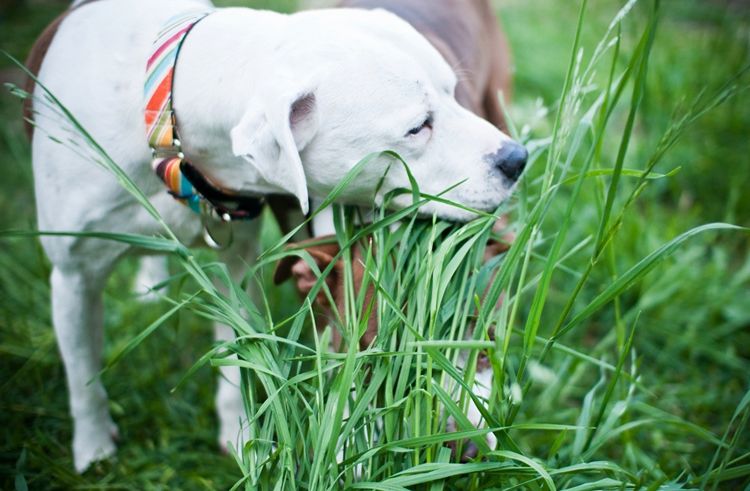
If a dog eats grass outside, it's because their body needs it. Animal observations have shown that approximately 80% of pets enjoy eating at least a little greenery during walks. Of these, only 9% have gastrointestinal issues. A dog eating grass and then vomiting it indicates a digestive disorder. Typically, a healthy animal doesn't experience any problems from eating green vegetation. It passes naturally. If your pet doesn't experience any discomfort, is active and cheerful, and has a good appetite, there's no need to worry about eating grass.

There are several theories among owners as to why dogs eat grass:
- In order to replenish stocks vitamins and microelements.
- To eliminate bad breath.
- To get rid of an existing disease.
Zoologists are highly skeptical of such assumptions. Regardless of the type of grass dogs eat, their bodies are unable to absorb the nutrients it contains.
The digestive system of carnivores is not designed to process green food. Furthermore, it lacks the necessary enzymes for its digestion. Even pets fed a balanced dry food containing all the necessary micronutrients have been observed nibbling on greenery. It's unlikely that the dog is bothered by bad breath or dental health, especially considering that it can't chew grass. Dogs' teeth are designed only for tearing and biting.
The explanation for why dogs eat grass outside is quite simple. Blades of grass are somewhat harsh, which irritates the stomach lining and triggers contractions, inducing a gag reflex. This expels a rotting lump of food. Furthermore, green grass promotes the flow of bile. Therefore, by eating grass, a dog relieves abdominal discomfort. After chewing a little grass, bile is also expelled along with the vomit. If you notice your pet binging on grass, don't rush home. It's better to wait until the animal vomits outside than to clean up the mess at home.
Nutritional deficiencies and nutritional curiosity
Dogs are carnivores, but they can experience nutrient deficiencies, especially fiber, enzymes, or trace minerals:
-
Raw greens can aid digestion and stimulate peristalsis.
-
The lack of fiber in dry food is an incentive to add fresh grass.
-
Sometimes this is a reaction to a deficiency of B vitamins and magnesium.
Instinctive behavior and the legacy of wild ancestors
Wild canids sometimes eat vegetation for detoxification or homeostasis:
-
The grass helps to remove wool and hair.
-
Instinct: the need for roughage is a real antagonist to soft nutrients.
-
The bite of blades of grass is a test of the quality of the soil and environment.
Systematic hunting for grass outdoors may simply be an expression of this ancient behavior.
A calming ritual and emotional comfort
According to the owners' observations:
-
When stressed or bored, dogs often chew grass—it's like chewing gum for the human nervous system.
-
Especially after a walk in a new place, stress in the house, or a change in environment, the dog eats grass and at the same time shows slight aggression or anxiety.
-
Therapeutic "ritual": a blade of grass in the mouth is a way to stabilize the internal state.
To help your pet:
-
Add cognitive toys, attention exercises.
-
Provide variety in walks.
Medical causes: parasites and hormonal imbalances
Herbalism may be a symptom of a problem:
-
When dogs are infected with helminthiasis, they often eat grass and vomit it afterwards – this is an attempt to relieve the pain.
-
Stress vomiting during colitis, gastritis - blades of grass trigger the gag reflex.
-
Hormonal imbalances, diabetes, liver/kidney disease cause nausea, and the dog tries to relieve itself.
-
Metabolic disorders or hypothyroidism lead to a craving for greens and subsequent vomiting.
Table: Additional medical signs
| Symptom of herbivory and vomiting | Possible cause | What to do at home | What does a veterinarian do? |
|---|---|---|---|
| Frequent vomiting after eating grass | Parasites, gastritis, colitis | Feed control, vitamins, probiotics | Tests, ultrasound, veterinary drugs |
| Strong odor from the mouth/mouth mucus | Oral diseases | Brushing teeth, chewing toys | Cleaning under anesthesia, treatment of dental diseases |
| Thirst for grass without thirst for water | Hormonal or renal imbalances | Moistening dry food, monitoring nutrition | Blood tests, thyroid and kidney ultrasound |
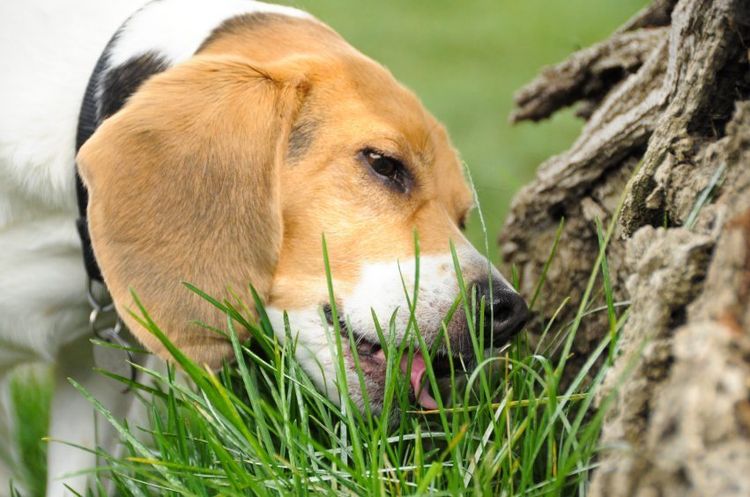
In addition to the above, the grass is a source of moisture that helps in constipationWhen green irritates the mucous membrane, peristalsis improves, moving intestinal contents toward the exit. Diarrhea, which sometimes occurs with this, shouldn't be a cause for concern. However, if your pet suffers from constipation, the problem should not be ignored.
If the cause is illness
An unbalanced diet leads to a large accumulation of mucus in the stomach. Dogs vomit when their diet consists primarily of fried or boiled foods without vegetables or fiber. This leads to increased bile production and elevated acidity, which can lead to serious illnesses. If you notice your dog constantly eating grass, causing vomiting and regurgitation, you should take your pet to the veterinarian.
The following symptoms are also a reason to see a doctor:
- Dullness of the coat.
- Loose stools.
- Lethargy, apathy.
- Blood impurities in vomit.
- Change in body temperature (up or down).
- Paleness or yellowing of the mucous membranes of the eyes and mouth.
- Dry nose.
Such signs raise suspicions gastritis, infection, or poisoning, so it's important to have your pet examined at a clinic. The cause could be an improper diet or a chronic illness.
If there are no signs of illness and your pet is acting normally—active, cheerful, with a normal temperature and a good appetite—you can use a tablet of activated charcoal or a spoonful of Enterosgel. These remedies will help flush out toxins from the body.
When grass is dangerous
There's nothing wrong with a dog wanting to chew grass. But this only applies if you choose the right walking location. Anything growing along roadsides or in lawns accumulates a ton of toxins and heavy metals and may contain feces from sick animals. Plant leaves may harbor parasites that can cause infectious diseases. When walking your pet in parks or on country lawns, make sure the vegetation hasn't been treated with herbicides or pesticides. Walking in the woods or fields can increase the risk of your pet picking up a poisonous plant and becoming poisoned.
The body's reaction: what's happening inside
When a dog eats grass, its digestion goes through a series of phases:
-
A blade of grass stimulates the secretion of saliva, which triggers enzymatic processes.
-
The stomach reacts to fiber with increased secretion of juice, and motility increases.
-
If there was heaviness in the stomach, fatty food - a blade of grass becomes a "trigger" for vomiting.
This explains why a dog eats grass outside and then vomits it, and still feels better.
Interesting facts that not everyone knows
-
Some dogs prefer only certain types of grass, such as mint or wild oats. This may be due to individual reactions.
-
According to dog handlers, service dogs tend to chew grass more often in the spring, during periods of dietary changes, or after missions.
-
Dogs with high anxiety levels living in noisy areas chew grass longer and more systematically than those living in quiet environments.
Why does a dog eat grass outside every day? A reason to observe.
Occasional grass eating is not a medical issue. But if your dog does this daily:
-
It’s worth tracking the time and place: maybe the herb is used for self-regulation after stress (a noisy intersection, strange dogs);
-
if eating grass is accompanied by the same actions (for example, after eating or after barking at a passerby), this is already a behavioral pattern;
-
If a dog shakes its head or hiccups after eating grass, it may be an esophageal reaction, and it's worth checking the gastrointestinal tract.
Frequently asked questions from owners
Should you stop your dog from eating grass?
No, as long as she eats safe grass, doesn't vomit, and shows no signs of illness. But be sure to ensure the area hasn't been treated with chemicals.
Why does a dog eat grass in winter or in a pot at home?
This is a sign that she's lacking fiber or sensation. In winter, you can sprout wheat or oats at home.
Is it possible to grow grass specifically for dogs?
Yes. It's safe and beneficial. Suitable ingredients include oats, wheat, mint, timothy grass, and canary grass.
When grass becomes a threat
-
Lawn grass in parks often contains pesticides, herbicides and fertilizers – dangerous substances that cause poisoning.
-
Plants with sharp edges, such as cereals with hard spikelets, can injure the mucous membrane.
-
Weeds with poisonous properties (datura, celandine, wormwood) cause convulsions, vomiting, and respiratory depression.
Try not to let your dog into unfamiliar areas without supervision. If your pet vomits repeatedly or appears lethargic, consult a veterinarian.
What grass can dogs eat?
Pets prefer plants that suit their tastes. Many eat greens simply because they enjoy them. Regardless of the reason for a dog's grass eating, the owner should ensure that it doesn't pose a health risk. A great option is to purchase a special seed mix for indoor growing at a pet store. These seeds are sown in a pot and require little care. After a while, the dog can enjoy delicious grass that hasn't been exposed to acid rain, chemical treatments, or street dust. And the owner won't have to worry about its health.
Read also:
- My dog was bitten by a tick: what to do
- My dog is vomiting yellow or white foam: what should I do?
- Liarsin for dogs


Add a comment