
Why is my cat losing weight and what should I do?
A stable weight, moderate body condition, and coat quality are the main visual indicators of your pet's health. If you notice that your cat is eating well but has lost a significant amount of weight in a short period of time, it's time to pay special attention to its health. In this May issue, we'll explain why cats sometimes lose significant weight, what this symptom may indicate, and what owners can do in this situation.
Content
Body weight (norm and deviations)
Healthy, active cats should be moderately saturated and have a good appetite. While owners may notice changes in eating behavior immediately, weight loss can sometimes be difficult to detect, especially if the cat has thick, long fur.
Important! A sudden weight loss of 0.5-1 kg can seriously impact an animal's health, especially for medium-sized cats, whose normal weight ranges from 3 to 7 kg. Sudden weight loss is especially dangerous for kittens, the elderly, and animals weakened by illness.
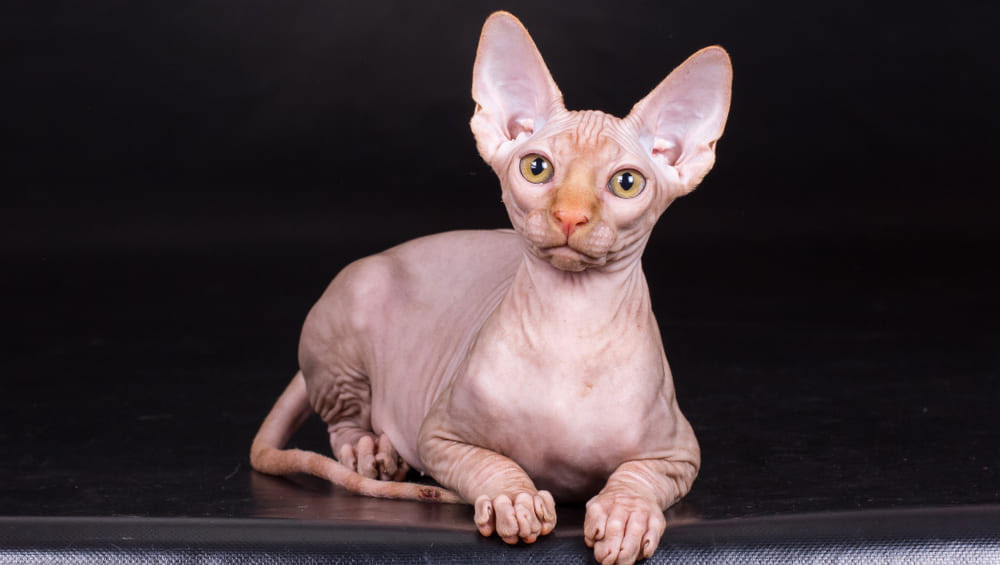
How can you tell if your pet is losing weight very quickly?
- The condition of smooth-haired breeds can be determined visually.
- You may feel that your pet has become lighter or that its ribs and spine are easily palpable.
- Weighing is the best way to monitor weight, which is why animals are weighed at every veterinary visit (we previously described how to weigh a cat or kitten at home).
The following table will help you assess whether your cat is well-fed:
|
Parameter |
Percentage of optimal |
|
Obesity |
more than 20% above normal |
|
Overweight |
10-20% above normal |
|
Norm (optimal fatness) |
according to the breed standard |
|
Undernutrition |
10-20% below normal |
|
Exhaustion |
below normal by more than 20% |
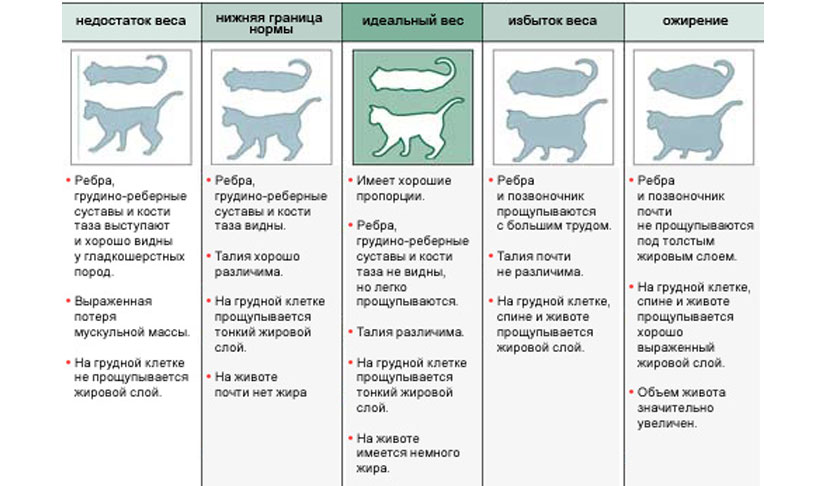
If your cat has lost a significant amount of weight, regardless of whether it is eating well or poorly, you should definitely visit the veterinarian and try to find the cause.
Why does a cat lose weight? (Reasons)
Below we list possible causes of sudden weight loss, but only a specialist can reliably determine why your cat is losing weight after conducting the necessary tests. Remember that in some cases, delays and self-medication can lead to irreversible changes in various body systems and can be fatal.
Seasonal weight fluctuations
Experienced breeders know that seasonal weight fluctuations are normal for animals. For example, you may notice each year that your cat eats more and gains significant weight before winter, then loses excess fat as summer approaches.
This is a natural physiological need, especially pronounced in cats living outdoors. A layer of fat provides excellent warmth during the cold months, but in the summer, it disappears due to the cat's increased activity and the mating season, which usually occurs in the spring.
Unbalanced diet
Owners often wonder why their cat is constantly thin. It's not that their pet is starving, but the fact is clear: the cat eats "well" (a lot) and isn't gaining weight.
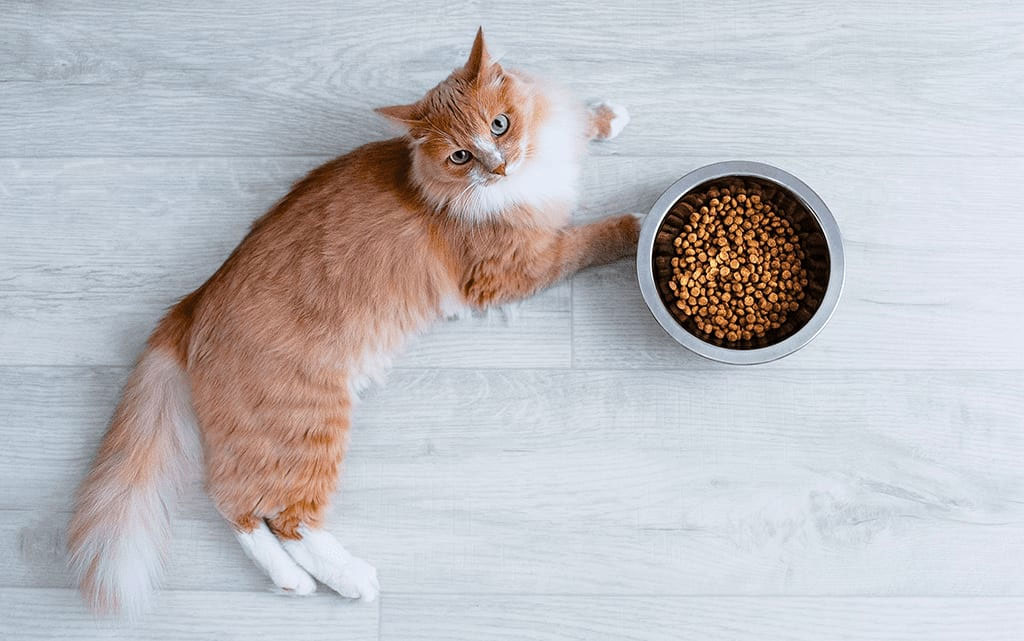
It's important to remember that for cats, "a lot" and "good" are not the same thing. There are various ways a cat's diet can be disrupted:
- The cat eats a lot of high-calorie, but unhealthy food, and at the same time gains a lot of weight, which can eventually lead to obesity.
- A cat eats a lot, but most of it is not digested and is excreted unchanged (for example, cheap dry food of dubious quality). Then the pet does not gain weight, or the owner may notice that the cat has lost weight dramatically when changing its diet.
Stress
Loss of appetite is a common response to stress. A cat may eat poorly or even refuse food altogether after a move, a haircut, or the arrival of a new pet or person.
Normally, the period of poor appetite doesn't last long, and weight loss doesn't reach critical levels. If the cat is active and responsive to treats, then once the stress subsides, the appetite returns and the animal quickly regains its original weight.
The period of sexual hunting
Reproduction is one of the most basic instincts, so during the period of sexual heat, male and female cats can completely lose interest in food and lose a lot of weight in a short period of time.
If you don't want your cat to lose too much weight while searching for a mate, we recommend learning more about modern neutering techniques. It's also important to keep in mind that after neutering, excess weight becomes a concern, as the animal becomes more lethargic and quickly gains weight despite its healthy appetite.
Weight loss can also be noticeable in cats with lpregnancy, as well as in animals of both sexes with hormonal imbalance caused by any disease.
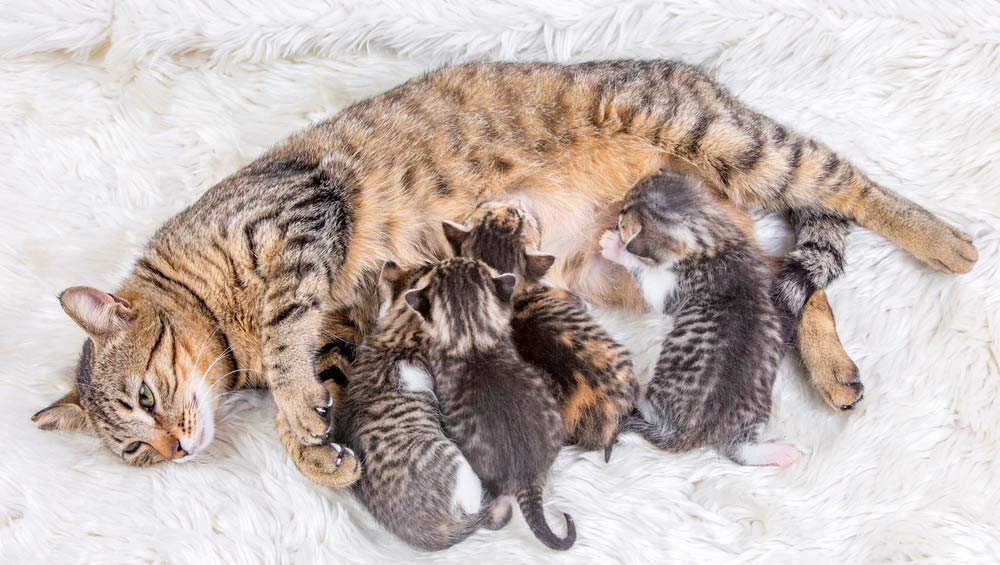
Pregnancy and lactation
Weight fluctuations can occur in cats early in pregnancy due to morning sickness. While medium-sized breeds (such as the British Shorthair or Scottish Fold) experience minimal weight loss, large breeds (such as the Maine Coon) may experience significant weight loss.
If the problem is short-term and resolves with the relief of toxicosis symptoms, there is no need to worry. However, if the weight loss is significant and accompanied by other alarming symptoms, it is worth consulting a veterinarian, as sudden weight loss in the mother is potentially dangerous to the health of the kittens.
Diseases
If your cat is eating well but is losing weight for no apparent reason, you need to quickly determine what the problem might be by conducting a full examination.
You should be wary if:
- the pet is losing weight, although there were no changes in nutrition (the volume and quality of the portion did not change);
- the cat is already old (more than 7 years);
- the animal not only loses weight, but also sheds heavily;
- there are other changes in behavior and well-being.
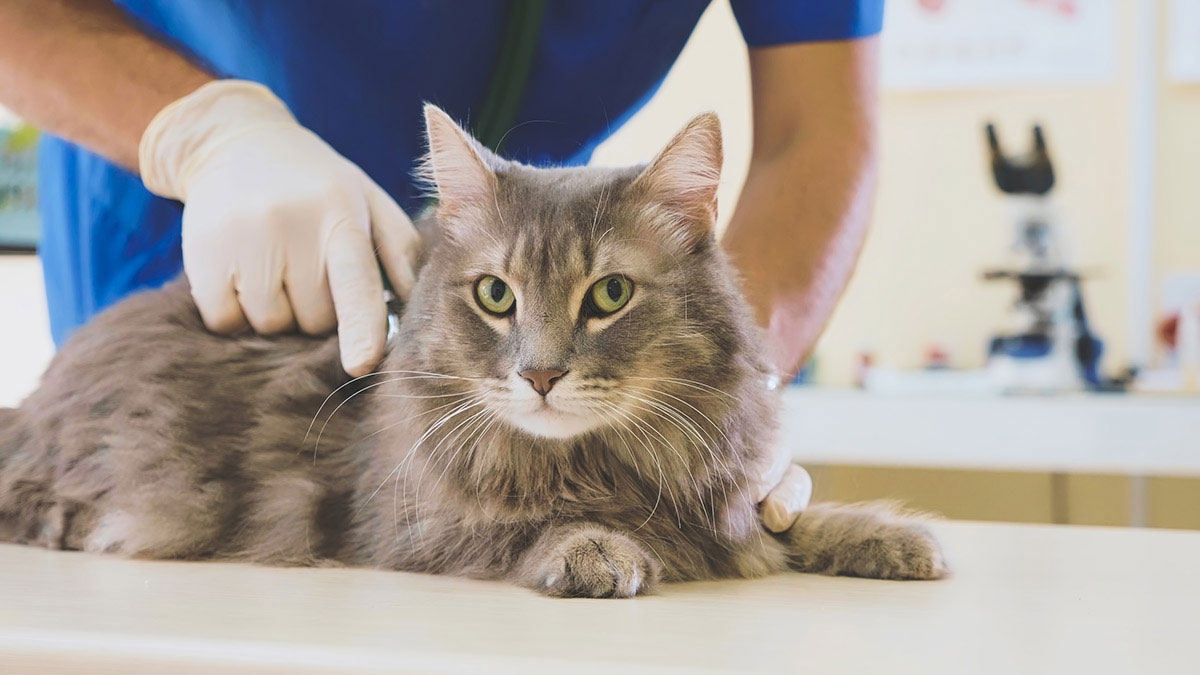
Severe exhaustion can develop against the background of a wide variety of diseases:
- poisoning;
- diabetes mellitus;
- accumulation of a large number of worms in the gastrointestinal tract;
- formation of trichobezoars (hairballs) that interfere with the normal digestion process;
- various diseases of the oral cavity, accompanied by pain and the animal’s refusal to eat;
- chronic diseases of internal organs (liver, kidneys, pancreas, etc.);
- disorders of the endocrine system;
- infectious diseases;
- development of benign and malignant tumors.
As you can see, the list is quite impressive, and each of the items listed can contain a wide range of diagnoses that can only be established by a veterinarian based on a full examination of the animal.
Veterinarian's advice
For more information on the causes of weight loss in cats, watch the video:
Read also:
- False Pregnancy in Cats: Signs and Treatment
- My cat is hiccupping: why and what to do
- Can a spayed cat go into heat?


Add a comment