
Why does a dog snore and what to do?
Have you noticed your dog snoring while sleeping and are worried if it's normal? We'll explain why animals sometimes snore, when your pet's snoring should be a warning sign, and what you can do to reduce the unwanted behavior.
Content
The nature of dog snoring
Dogs, like humans, can involuntarily make various sounds during sleep. When a pet is asleep and dreaming, they may growl, bark, grunt, or even whine in response to the vision. But snoring is completely different and occurs involuntarily.
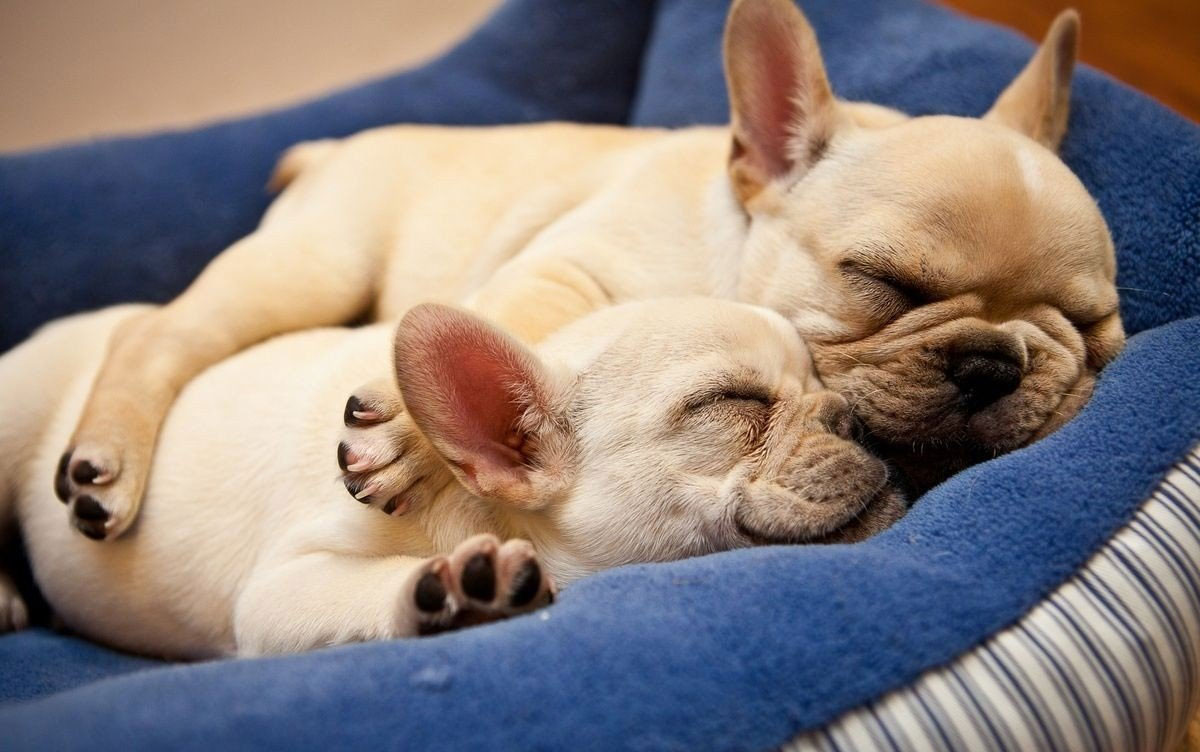
Depending on the cause, snoring can be different:
- low sound occurs as a result of a disruption in the passage of inhaled and exhaled air (not always a cause for concern);
- a high-pitched, hissing sound (stridor) requires immediate medical attention, as it is a symptom of acute respiratory failure, which develops against the background of a number of dangerous diseases (the higher the whistling sound, the more severe the dog's condition).
Brachycephalic dogs
Not every dog snores, but for some breeds, it's completely normal. Brachycephalic dog breeds have a shortened muzzle, which causes certain changes in the structure of the nasal passages, soft palate, and laryngeal inlet.
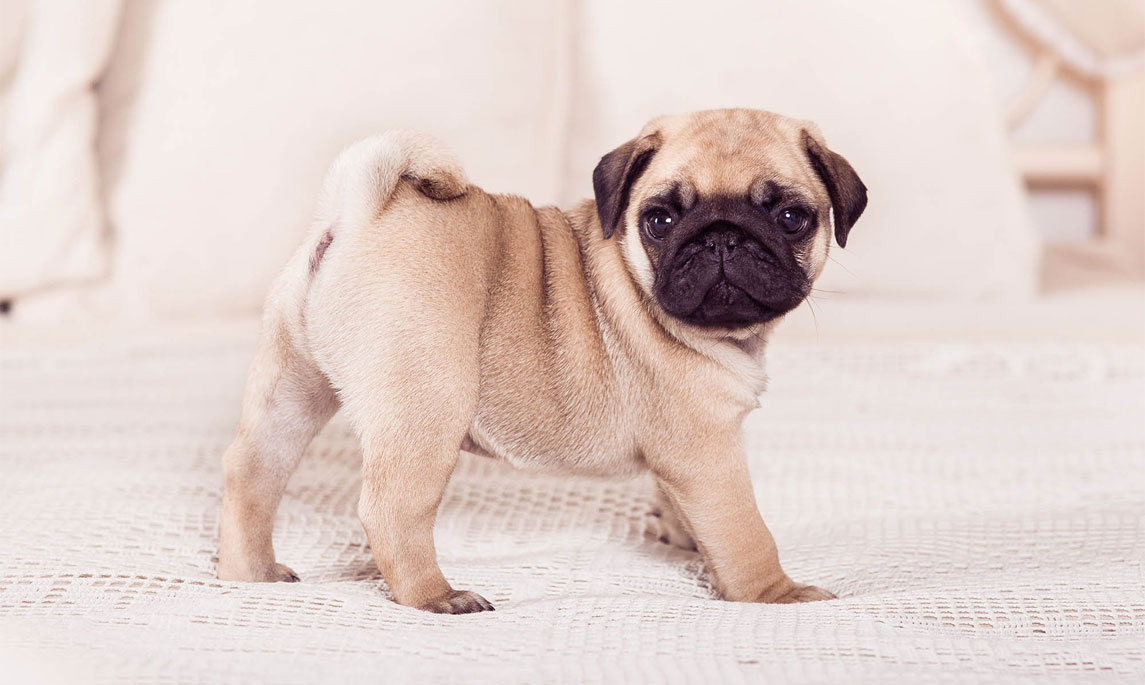
This is why it is absolutely normal for a completely healthy dog of the following breed to snore in its sleep even as a puppy:
- Pug;
- French Bulldog;
- English Bulldog;
- Boxer;
- Mastiff;
- Boston Terrier;
- Pekingese;
- Shih Tzu;
- Japanese Chin;
- Tibetan Spaniel;
- Chow Chow;
- Lhasso Apso;
- Shar Pei;
- Cane Corso;
- Griffins.
Snoring is also normal for crossbreeds of these breeds, which have developed a brachycephalic nasopharynx. For example, a brachycephalic puppy can easily result from crossing a Maltese and a Shih Tzu.

However, there is no need to worry if the dog does not show any restlessness while awake, has a normal appetite, sleeps calmly and breathes regularly (snoring is not accompanied by convulsive inhalations or apnea).
However, it would not be a bad idea to show your pet to a veterinarian if a brachycephalic dog not only snores in its sleep, but also breathes noisily during physical exertion, or experiences attacks.reverse sneezing" or retching, has difficulty breathing, or other symptoms that indicate breathing problems.
Such symptoms can be observed with pathologies characteristic of this group of breeds:
- stenosis of the nasal passages;
- hyperplasia of the soft palate;
- tracheal collapse;
- eversion of the laryngeal saccules.
Causes of nighttime snoring
Snoring isn't limited to those with short (flattened) faces; it can affect any breed. Small Chihuahuas, Pomeranians, and Yorkies (Yorkshire Terriers) can all produce characteristic sounds in their sleep, as can medium-sized breeds like Corgis, Dachshunds, and Chinese Cresteds, as well as larger Staffordshire Terriers and Labradors.
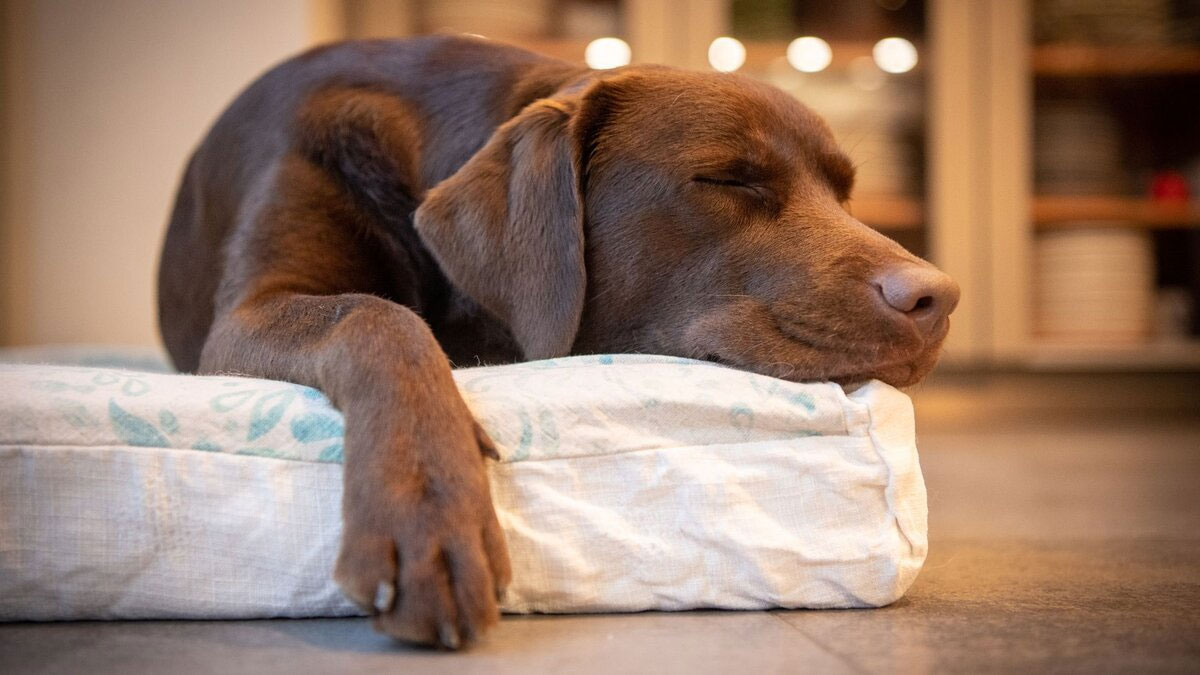
If your dog has never snored before, but you've recently noticed that it snorts or makes other characteristic sounds while sleeping, you should first analyze what could be causing the difficulty breathing.
Triggers for snoring may include:
- relaxation of the muscles in the larynx area, which often occurs in older animals;
- inflammatory processes and swelling of the nasopharynx, which are a consequence of an allergic reaction or infection (viral, bacterial or fungal);
- benign neoplasms on the nasal mucosa (polyps);
- foreign body in a new passage (for example, a spikelet);
- helminthic invasion (some types of helminths migrate from the respiratory tract into the dog’s digestive system);
- malocclusion;
- the tongue falling back into the lumen of the pharynx;
- obesity;
- "passive smoking", which leads to narrowing of the airways and the development of a whole range of concomitant pathologies;
- too dry indoor air during the heating season.
Diagnostics
To understand why your dog snores and whether the new nighttime snoring is a symptom of a serious medical condition, it's important to have your pet examined. Determining the cause of snoring at home can be quite difficult. If simple air humidification and eliminating allergens and tobacco smoke don't help, it's best to consult a veterinarian.
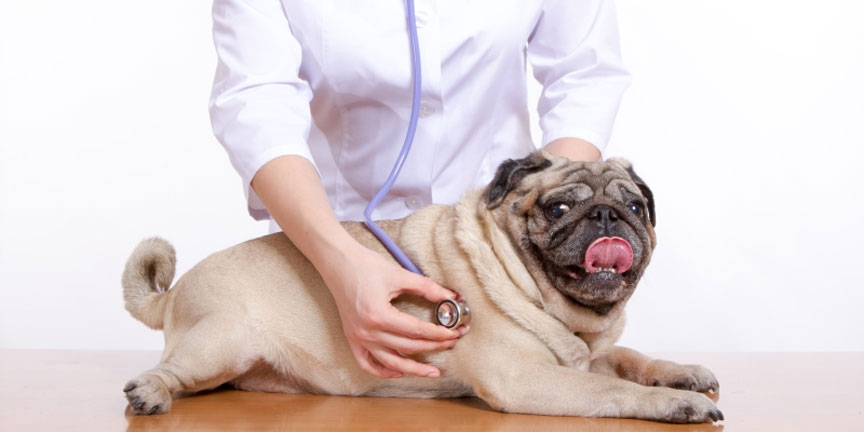
To determine the cause of snoring, your veterinarian may:
- conduct a detailed examination and survey (pay attention to when and under what conditions snoring occurs most often; you can also record your snoring pet on video);
- prescribe basic laboratory diagnostics to rule out an infectious process or helminthic infestation;
- take a chest x-ray to assess the condition of the lungs;
- recommend examination methods such as laryngoscopy and tracheoscopy (performed under general anesthesia).
Treatment
By determining why your dog snores, your veterinarian can choose the optimal treatment or simply provide recommendations to alleviate the animal's condition (if there are no serious pathologies and nighttime snoring is a kind of norm for your pet).
Treatment can vary greatly, depending on the identified problem and the severity of the animal's condition. For example:
- Overweight dogs will be prescribed a weight loss diet;
- brachycephalics may undergo plastic surgery to restore normal nasal passages;
- If an infectious process is detected, appropriate medications will be prescribed;
- In case of inflammation of the lower respiratory tract, antitussives and expectorants may also be prescribed;
- If neoplasms are detected, endoscopic intervention is indicated; in case of tracheal collapse, stenting surgery may be recommended.
Advice from veterinarians
Read also:


Add a comment