
Why do Chihuahuas shake?
Many people know that trembling is a characteristic feature of small breed dogs, but not everyone knows why Chihuahuas tremble and shake without reason, and how to distinguish harmless trembling from the symptoms of a dangerous illness. In this article, we'll examine in detail all the possible causes of trembling in Chihuahuas and explain what to do if your pet exhibits this symptom.
Content
Tremors in dogs
Tremor is the scientific name for uncontrolled muscle contractions, which can cause small or strong tremors in an animal's body.

Depending on the cause, tremor may affect skeletal muscles or be concentrated in a specific area (limbs, lips, head).
To understand why a Chihuahua is shaking, you need to observe the animal for a while and try to figure out:
- What triggers this condition in a pet (hypothermia, stress, emotion, pain, or other triggers)?
- What is the nature of the tremor (large or small, in a specific area or throughout the whole body)?
- Are there any accompanying symptoms (for example, the dog is breathing rapidly, losing coordination, or has pale gums)?
Because many Chihuahua owners report that their healthy dog often shivers, it's often considered a breed characteristic. However, it's important to remember that tremors can be caused by both harmless external factors and serious illnesses. Therefore, if you notice this symptom in your pet, be sure to consult a veterinarian to determine the cause of your Chihuahua's shaking.
Causes of muscle tremors
You can often hear owners say that their Chihuahua “shakes for no reason,” but in fact, there is always a reason for tremors, and it can be physiological or emotional.
|
Physiological reasons |
Emotional reasons |
|
Cold Hormonal surges Peculiarities of the nervous system Diseases |
Stress Fright Joy Dreams |
Cold
The most common physiological cause is hypothermia.
Given their short coat, lack of undercoat, and low percentage of subcutaneous fat, small Chihuahuas can get cold:
- at home when the temperature drops sharply (for example, when ventilating a room or turning on an air conditioner);
- in your arms during a walk (the pet does not move, which is why it freezes much faster);
- during active walking, if it is frosty and windy outside.
Typically, once the dog is in a warm environment and warms up, the shivering stops.

It's important to remember that Chihuahuas are a breed that absolutely require clothing for walks during cold months. Both young puppies and adult dogs can easily become hypothermic, which can lead to pneumonia and kidney disease.
Stress, fear, joy
Every Chihuahua is a very emotional little creature, filled with a riot of emotions. Given the nervous system of mini and micro dogs, any strong emotion can cause your pet to shudder, whether it's joy at the arrival of their owners or guests, or fear at encountering a larger dog on a walk.
If you notice your dog trembling, tucking its tail, and hiding when meeting other animals or people, don't rush to pick it up or forcefully introduce it to the new object that's causing the fear. Give it some time to adjust, feel safe, and calm down.
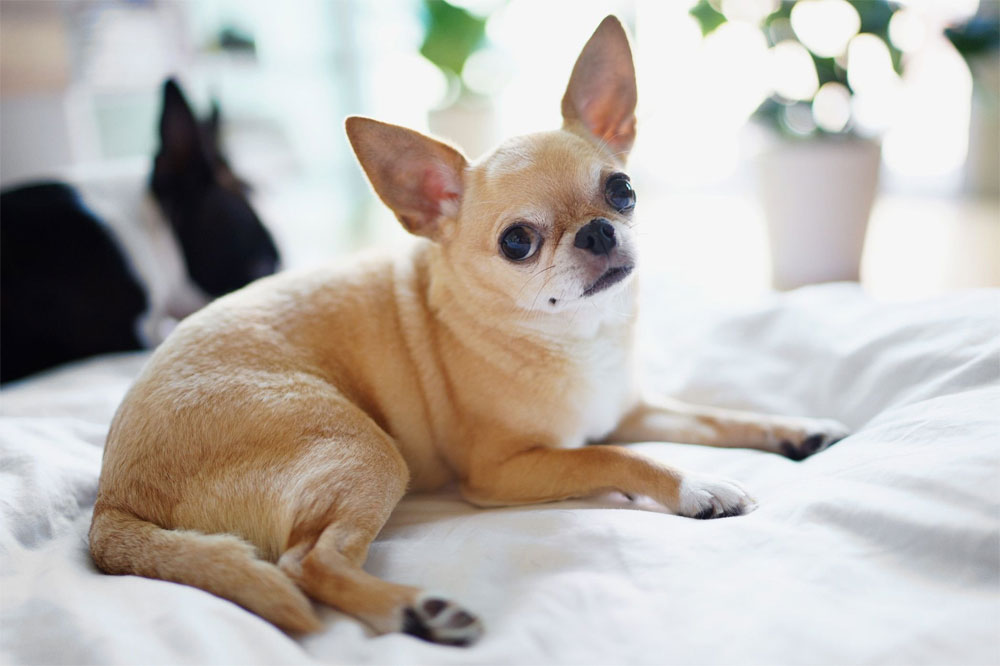
Tremors caused by emotion are not dangerous. Once the dog calms down, its body will stop shaking.
Vivid dreams
Scientists believe this is another form of emotional tremor. It's been proven that dogs dream while sleeping and can sometimes react violently to such visions. This is why your little one sometimes runs, yelps, or even barks in their sleep.
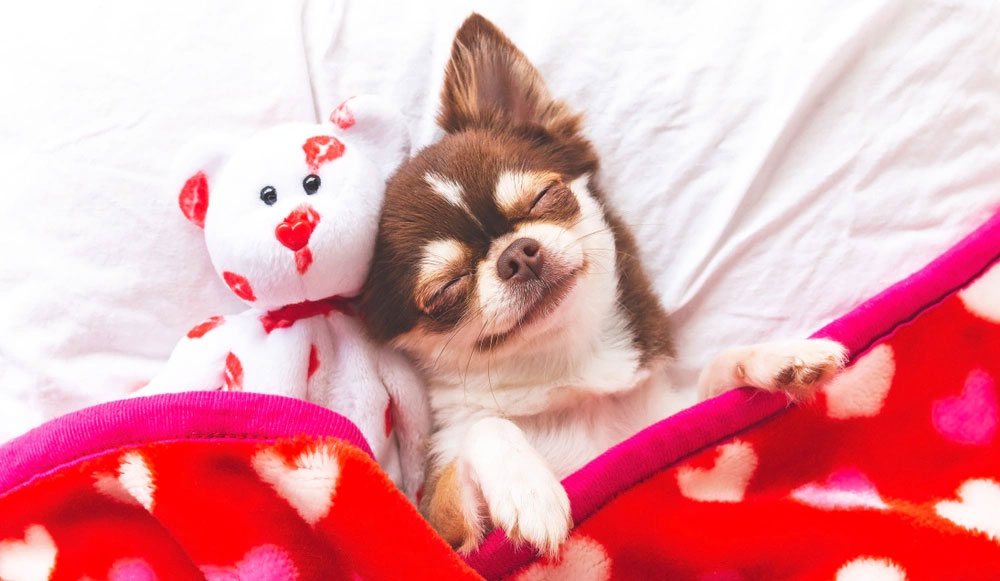
This type of tremor is also harmless. However, if you're particularly concerned about your dog's sleep behavior, consult your veterinarian; they may recommend a course of sedatives to help normalize your pet's nervous system.
Hormonal surges
Body tremors can occur due to sharp hormonal fluctuations in animals of both sexes.
The owner may notice that in female dogs, tremors appear more frequently on certain days of the cycle, and in male dogs, as a reaction to marking or meeting a member of the opposite sex who is ready to mate.
Individual characteristics of the nervous system
All movements of the animal's body are controlled by the central nervous system, which has a complex system of connections between the brain and peripheral nerve fibers.
Many small dogs have certain genetically determined characteristics of their nervous system, which are considered "breed traits." Therefore, if your dog is constantly shaking, the cause may lie in the nervous system.
Diseases
Although the answer to the question of why Chihuahuas tremble can most often be found in the previous points on our list, situations in which a medical condition is the cause of the tremors cannot be ruled out.
The following signs may indicate that your pet is sick:
- the dog becomes less active, constantly lies down, and shows no interest in games;
- the pet refuses food (including its favorite treat);
- there are disturbances in the functioning of the gastrointestinal tract and urinary system;
- mucous membranes become dry and may change color;
- discharge may appear from the eyes and nose;
- the coat becomes dull and looks untidy;
- the dog suddenly loses or gains weight.
Tremor can occur against the background of such dangerous diseases as:
- Hypoglycemia.
- CRF (chronic renal failure).
- Poisoning.
- Otitis.
- Allergy.
It is also important to know that tremors can occur if a dog is experiencing any pain, so if the symptom does not go away on its own and the animal appears restless, it is worth taking it to the veterinarian as soon as possible.
What to do if your dog is shaking?
The first thing to do is determine the cause of the tremors. If the cause is identified, you should try to eliminate it (warm the pet, calm it down, give it sweetened water). If you can't figure out what triggered the tremors, it's best not to waste time at home and take your dog to the vet as soon as possible.
Read also:
- How to tell if your dog is sick
- Elevated ALT and AST in dogs: what does it mean and why?
- Ritis coefficient in dogs


Add a comment