
Why does a dog sneeze? Causes and what to do.
When noticing their pet sneezing for the first time, many owners worry whether this behavior is a symptom of a dangerous illness. To better understand why your dog is sneezing or snorting, we suggest taking a closer look at the possible causes of this behavior, what to do to help your pet at home, and when veterinary attention is needed.
Content
The mechanism of sneezing and its purpose
Sneezing is an important defense mechanism present in humans and many animals. Its primary purpose is to clear the nasopharynx of any harmful factors (dust, chemicals, foreign objects, etc.).
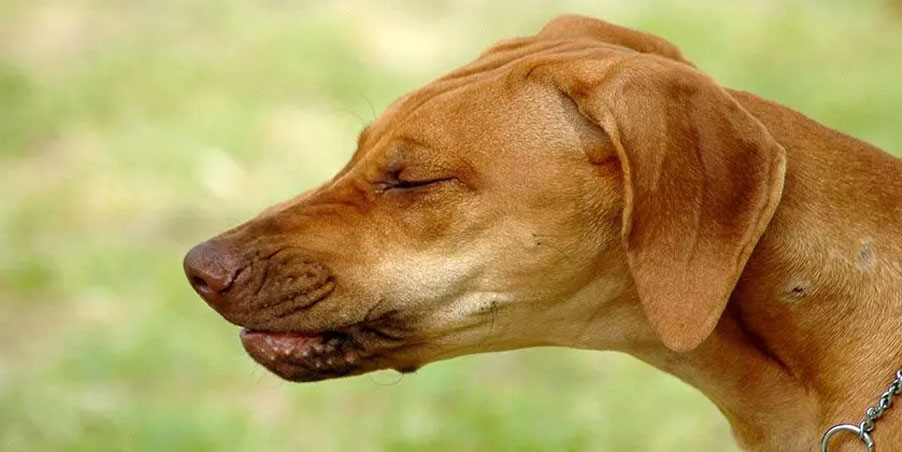
The sneezing process is regulated by the animal's nervous system. Foreign particles irritate the mucous membrane of the nasopharynx when they land on it. A corresponding signal is transmitted to the brain, triggering an irresistible urge to sneeze.
Depending on the intensity of the irritant, sneezing may occur once or recur many times in a row.
To understand whether a dog's excessive sneezing and snorting is safe for the animal itself, it is necessary to determine the causes that provoke such a reaction.
Why does a dog sneeze?
So, we've already established that dogs snort and sneeze when the corresponding receptors located in the nasopharyngeal mucosa are stimulated. Among the most common causes of sneezing, veterinarians identify:
Strong odors
A dog's sense of smell is 48 times more acute than a human's. Your pet's nose can distinguish over 2 million odors and can detect tiny particles even from 1 km away.
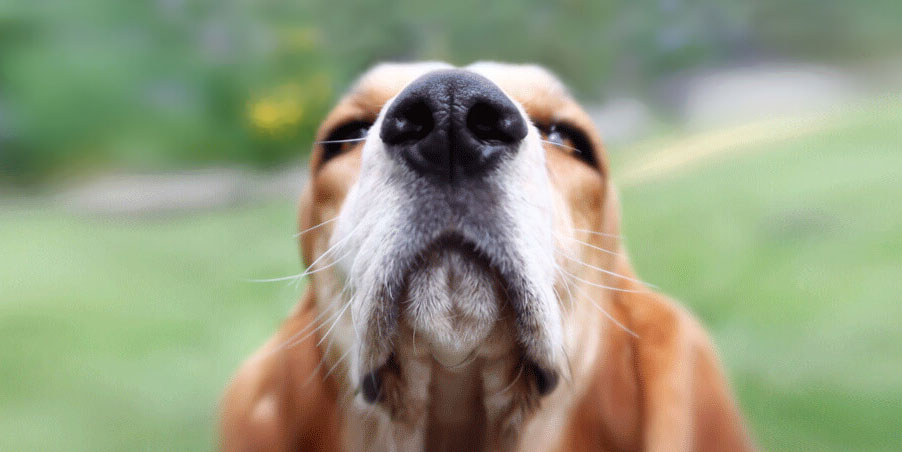
This is why any scent that is distinctly noticeable to humans is incredibly strong for a dog, causing the animal to snort and sneeze. Typically, this reaction is triggered by:
- perfume (toilet water);
- air fresheners;
- chemicals for cleaning and disinfection;
- culinary spices;
- tobacco smoke;
- any other strong-smelling substances.
As a rule, sneezing stops immediately if you ventilate the room where the animal is located.
Emotional arousal
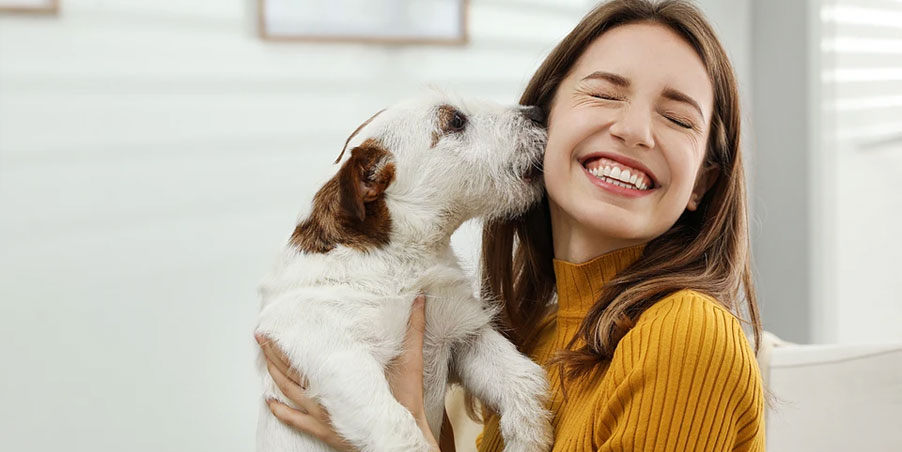
Sneezing during play or when meeting a beloved owner can be caused by emotional distress. If your puppy consistently sneezes in emotional situations, but feels completely normal, it's simply an individual characteristic and is not dangerous.
Allergic reaction
If a dog sneezes frequently, the attack can last for quite a long time without stopping, and is accompanied by profuse clear nasal discharge, you can suspect that your pet is having an allergic reaction.
Like humans, dogs can have a severe reaction to allergens such as:
- household dust;
- plant pollen (most often appears in the spring during the flowering period of trees, and also from August to October – during the flowering period of grasses);
- household chemicals;
- antiparasitic agents (in drops or collars).
Unlike a reaction to a strong odor, an allergy does not go away immediately after the triggering factor is eliminated, but is easily treated with antihistamines, which block the immune system's response to the irritant, as well as reduce inflammation and relieve swelling of the nasopharynx.
Respiratory tract infections
When viruses or bacteria enter the nasopharynx, acute inflammation of the mucous membrane occurs, also affecting the receptors that stimulate sneezing. This is why sneezing is one of the first symptoms of respiratory infections in both humans and animals.
Please note that in addition to sneezing, infectious diseases may also cause symptoms such as:
- depressed state, decreased activity;
- loss of appetite or refusal to eat;
- increase in body temperature;
- eye souring;
- nasal discharge (in this case, snot can vary from transparent in case of a viral infection to green in case of a bacterial infection);
- unpleasant odor from the nose (appears with inflammation);
- cough (if the bronchi and lungs are involved in the process).
Treatment of any infectious disease requires first identifying the pathogen, so it is necessary to show your pet to a veterinarian as soon as possible.
Don't waste time trying home remedies, as a viral infection can significantly worsen an animal's condition in a matter of hours. Viral and bacterial respiratory infections are especially dangerous for unvaccinated puppies, elderly animals, and weakened animals.
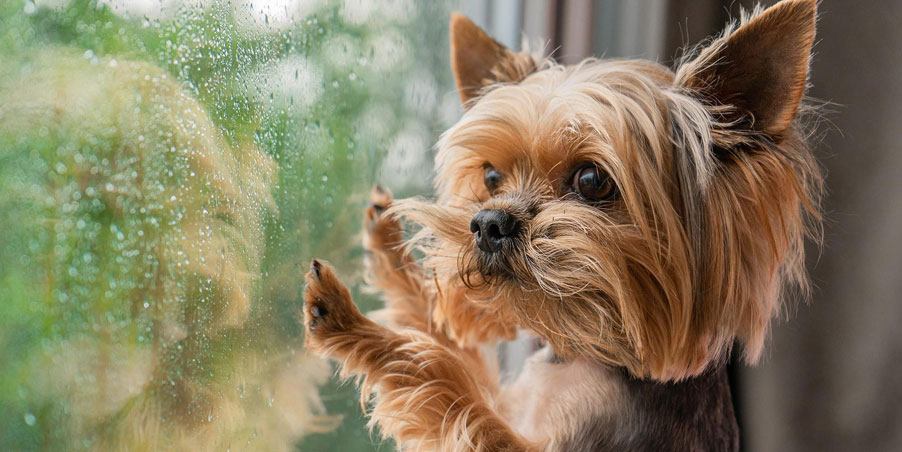
Owners of dogs without an undercoat, such as Chihuahuas, Yorkshire Terriers, Italian Greyhounds, and Chinese Cresteds, should remember that their pets can easily become cold and require additional clothing.
Foreign body in the nose
If a foreign object (sand, hair, or a spike of corn) gets lodged in the nasopharynx, the dog will sneeze incessantly to force it out. While sneezing is effective with a hair, sand, or any other small object, sneezing is often ineffective when a spike of corn gets lodged in the nasal passage. The dog suffers severe discomfort, scratches itself (maybe scratching its nose until it becomes raw), and sneezes constantly due to the irritation.
This situation requires immediate veterinary attention. Don't waste time trying to treat your pet at home if you can't determine the cause of the discomfort.
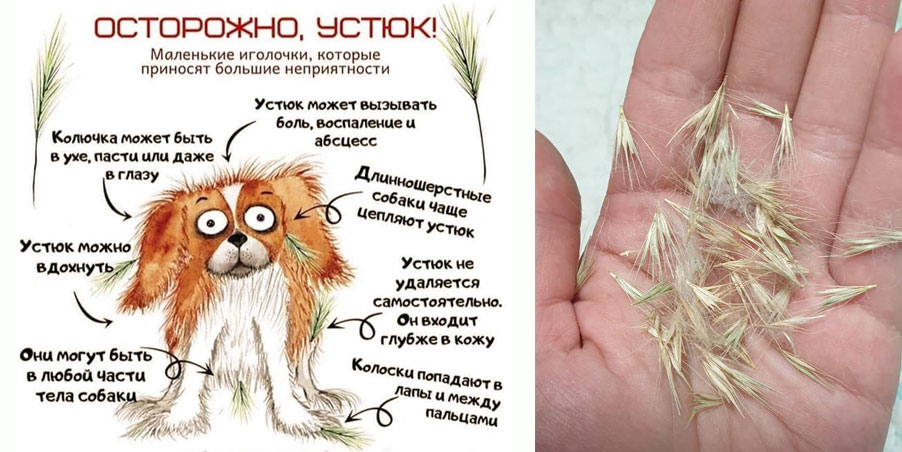
Removing a foreign body from the nasal passage is a rather serious procedure and is performed under general anesthesia in a veterinary clinic. If the foreign body is not removed, the foreign body will become increasingly embedded in the mucous membrane, causing severe inflammation and suppuration.
Neoplasms in the nasopharynx
Benign or malignant tumors in the nasal cavity can also trigger sneezing attacks. A comprehensive examination, including tests and modern diagnostic techniques, is typically required to establish such a diagnosis. Only a veterinarian can determine whether a foreign body or tumor is causing the characteristic symptoms, so any pet whose sneezing attacks cannot be controlled should be taken to a veterinarian as soon as possible.
Reverse sneezing
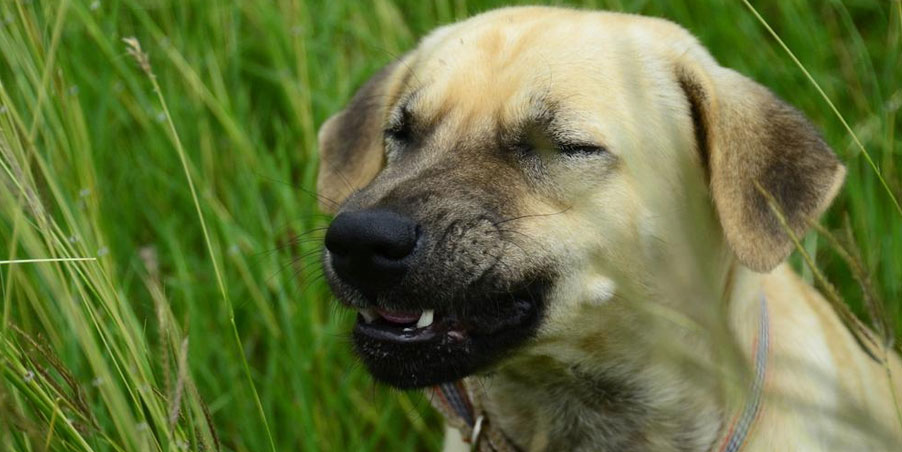
Reverse sneezing It has a mechanism that is the opposite of the classic one. The characteristic sound is produced not by blowing, but by a sharp inhalation of air through the nose.
Although many owners are greatly alarmed by their pets' reverse sneezing episodes, in most cases they pose no health or life-threatening danger and are caused by a reflex spasm. Although a Yorkie or Pomeranian may appear disoriented during an episode, reverse sneezing does not cause significant discomfort, and breathing returns immediately after the episode is stopped.
Among the main causes of reverse sneezing, veterinarians cite:
- increased emotionality;
- the dog swallows water or food too greedily;
- Anatomical features of the structure of the nasopharynx in brachycephalic dogs.
If attacks of reverse sneezing occur very frequently and follow one after another, exhausting the dog, it is worth contacting a veterinarian to rule out such a dangerous complication as tracheal collapse.
Reverse sneezing and panting are common symptoms of heart failure in older dogs. Typically, other symptoms indicating cardiac dysfunction are also evident:
- increased fatigue;
- shortness of breath with minimal exertion;
- heart rhythm disturbance;
- pallor of the mucous membranes.
Dangerous symptoms
Now you know how a dog sneezes, as well as what causes attacks of classic or reverse sneezing in pets.
In most cases, seizures that pose no danger to the dog last only a couple of minutes and subside quickly. After the seizure is stopped, the animal becomes active and appears completely healthy.
You should be wary if:
- the puppy sneezes and coughs, and the first vaccination cycle has not yet been completed;
- nasal discharge with blood or thick, with a greenish tint;
- the dog appears disoriented after the seizure;
- loss of consciousness occurs during the attack;
- the dog's mucous membranes become noticeably lighter;
- heavy breathing with wheezing is observed.
What to do if a dog sneezes
Sneezing itself generally doesn't require specific treatment. The main task for an owner who notices their pet sneezing is to:
- stop exposure to the provoking factor (if possible);
- ensure the dog's safety during an attack;
- calm your pet by being nearby and talking calmly to him.
Helping your pet can vary significantly depending on the type of sneezing and the underlying cause of the problem:
- You can stop a reverse sneezing attack by covering your dog's nose with your hand, forcing the pet to inhale through its mouth.
- Sneezing caused by a viral infection will go away once proper treatment is provided.
- An allergic reaction can be relieved with antihistamines.
- Removal of a foreign body is carried out in a clinical setting.
Veterinarian's advice
For more information about sneezing in dogs, watch this video:
Read also:
- My dog snorts: why and what to do
- Tracheitis in dogs: symptoms, treatment and prevention
- Pneumonia in dogs: symptoms and treatment


Add a comment