
Possible causes of sneezing in pets
It's no secret that sneezing is a protective reaction. Therefore, if your pet starts sneezing, it's important to figure out the cause. Only by eliminating the underlying cause will the animal stop suffering.
Content
Causes of sneezing and how to eliminate it
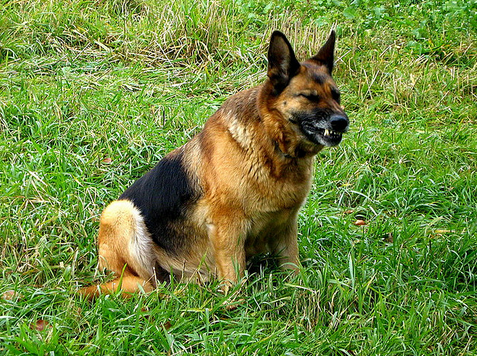
Foreign bodies
Of course, the simplest cause is something foreign in the nose. Dust, for example. It can come from anywhere. You could be sweeping the floor, or renovating the house, or even pollen from plants. But besides dust, small foreign bodies (even insects) can get into the nasal passages. Just think about yourself when something tickles your nose.
The only way to stop sneezing is to remove the irritant. You can't force a cat or dog to blow their nose, so let them do it. Check their nostrils to make sure there's nothing large stuck in their nasal passages. Large dogs are easier to deal with, as their nasal passages are wide and you can easily see if anything is stuck. Tweezers can be used to carefully remove the object without damaging the mucous membrane.
Unpleasant or pungent odors
It's a kind of irritant. Think about yourself when you smell something strong. Your body is defending itself. To clear the nose of "irritant particles," emergency measures are necessary—sneezing. Ventilate the room frequently and keep your pet away from chemicals or strong-smelling substances and materials.
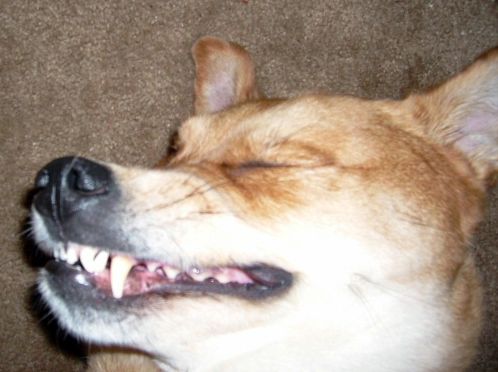
Allergy
One of the main symptoms of an allergic reaction is sneezing. However, other common symptoms include watery eyes, itching, a rash, and possibly swelling. Therefore, if sneezing is the only clinical symptom you notice, there may be something else going on.
Allergic reactions can occur not only to food, but also to cleaning products, dust, pollen, insect bites, and medications. Keep in mind that shampoos can also trigger allergies in your pet. Flea and tick collars, due to their high chemical content, can also lead to serious complications. Even vaccinations can cause problems for your pet. Veterinarians typically ask owners to wait for at least half an hour near the clinic so that, in the event of anaphylactic shock, antiallergic medications can be administered, thereby saving your four-legged friend's life.
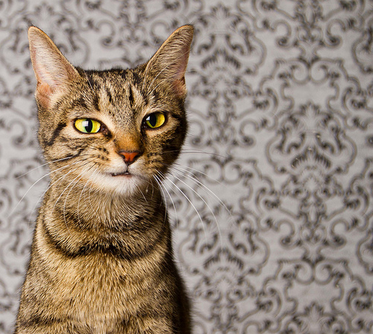
Infection
This is especially true if the upper respiratory tract is inflamed. The sneezing reflex causes nasal secretions to simply fly out of the nose. This clears the airways of mucus. Snot may appear, and the nose may seem to run like a stream. The animal may have difficulty breathing through its nose, so it may open its mouth. A fever is common.
Pathogens can be bacterial, fungal, or viral. Depending on the microorganism's family, the veterinarian prescribes treatment. For example, if the sneezing is caused by a fungus, antibiotics will be ineffective. This is why it's important to seek veterinary care promptly.
Asthma
Yes, dogs and cats also suffer from this disease. But in addition to sneezing, they also experience wheezing and rasping sounds when breathing, making it extremely difficult for the animal to breathe. And if the necessary medication is not administered promptly, death may occur. Asthma - this is one of the forms of allergy manifestation, but it manifests itself in difficulty breathing and sneezing.
Have your pet examined by a veterinarian. Only after a confirmed diagnosis can specific treatment be started. As soon as your pet starts sneezing, it's important to have medication ready to provide prompt treatment. However, your pet may simply be clearing the foreign body from its nose.
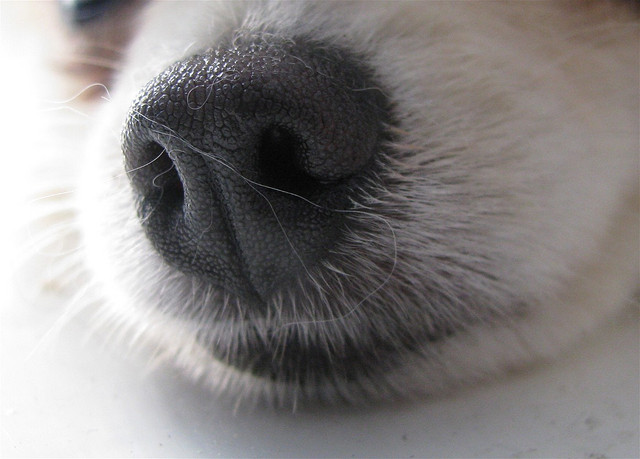
Polyps
Polyps—small growths—can develop in a pet's nose. They often appear due to a virus circulating in the bloodstream. They interfere with the animal's ability to breathe normally. Furthermore, remember that the nasal mucosa "disinfects" the air we inhale. Dust particles, which harbor bacteria and viruses, are stuck together by the mucus and then "sneezed out." If polyps are present in the nasal passage, the surface area of the mucosa is reduced. Some veterinary clinics perform surgical procedures to remove such growths. However, without determining the cause, surgery will only provide a short-term benefit. The virus will still cause new papillomas to appear. A veterinarian should review the test results, make a diagnosis, and prescribe specific treatment. Polyps often disappear on their own after a course of antiviral medication.
Cancer
Yes, unfortunately, cancer can also cause sneezing. However, nasal secretions are often tinged with blood. To confirm the diagnosis, an endoscopic and X-ray examination, a biopsy, and a blood test for tumor markers are necessary.
Chlamydia
Typically, this disease is relatively asymptomatic. However, there are occasional cases of animal death due to pulmonary edemaIf the animal is treated, such an unpleasant outcome can be avoided. But to treat it, it is necessary to diagnose the disease in a timely manner. And to do this, you need to know the characteristic symptoms.
Parasites
Helminths secrete extremely toxic substances during their life cycle. These can cause allergic reactions. In puppies, roundworms undergo one of their developmental stages in the lungs. This may be cough and sneezing, which results in the puppy swallowing the parasite, after which the helminth's life cycle continues. Conduct preventative treatments promptly. And don't forget about skin parasites.
Read also:
- Rhinitis in dogs
- Herpes in dogs: symptoms and treatment
- Reverse Sneezing in Dogs: What It Is, Causes, and Treatment


Add a comment