
Why pregnant women shouldn't pet cats
Throughout history, humans have come up with numerous beliefs and superstitions associated with cats. Pregnant women have also been subject to this imagination. Often, particularly "caring" relatives are ready to explain why expectant mothers shouldn't pet cats. But should they really limit their interactions with these animals, or are these just pure superstitions?
Signs and superstitions
Some of the most common reasons why pregnant women should avoid any contact with cats include:
- You can’t play with it or pick it up – the child will have many enemies.
- Avoid petting cats, especially fluffy ones, as newborns will develop subcutaneous hair ("bristles") on their backs, which will interfere with restful sleep. These will need to be removed with milk or rolled out by a herbalist.
- You can't look a cat in the eyes - it will steal the soul of the unborn child.
- You should not allow the baby to lie on the breast, as this will spoil the milk used for feeding the baby.
- An animal should not be placed on a pregnant woman’s belly – something bad could happen to the baby.
- You mustn't kick or harm a cat - this sign predicts a difficult birth for the pregnant woman, problems with the child's legs (clubfoot, ankle deformities) or the appearance of other physical defects.
Hitting an animal is truly unwise, not so much because of superstitions, but because of the potential for harm. This method is also ineffective for training purposes. Cats don't feel guilt, so they don't associate their behavior with a discipline "spank," but rather perceive it as an infringement on their freedom. This method is more likely to make your pet harbor a grudge and even seek revenge in its own way.
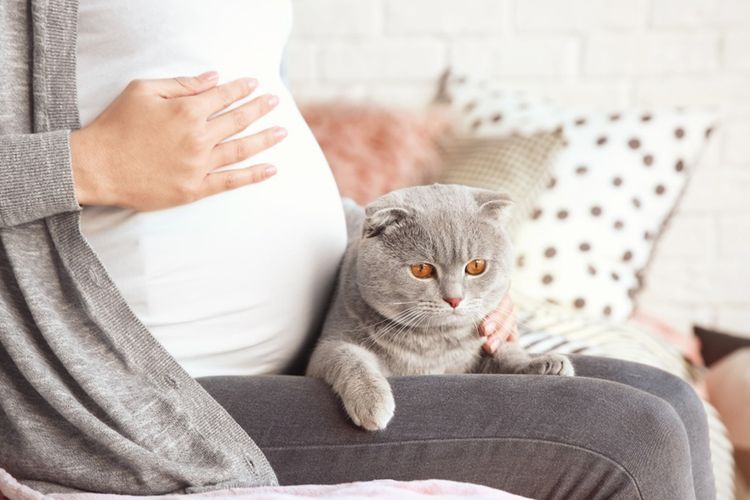
Justified prohibitions
While the above claims regarding the potential danger of a cat to a pregnant woman are far-fetched, like old wives' tales, in some cases it's possible to rationalize why it's best not to touch these animals. For example, when it's said that:
- Avoid petting or having close contact with cats. This is due to the potential for animals to transmit certain diseases, including those dangerous to the fetus. However, this applies more to stray or untested pets.
- Do not clean the cat's litter box or touch the feces in the litter box. This prohibition is understandable, as feces are a breeding ground for infections and microorganisms. You should not even be near them, as harmful substances can become airborne. During pregnancy, it's best to entrust litter box cleaning to other family members; at the very least, wear a gauze mask and gloves.
What could be the real danger?
As mentioned above, rational reasons why pregnant women should not touch cats are related to the risk of contracting a number of diseases:
- ToxoplasmosisThe disease poses a serious risk to the fetus: infection soon after conception usually results in miscarriage, while later infection can lead to premature birth and often to children born with disabilities. If infection occurs before 24 weeks of pregnancy, abortion is usually recommended.
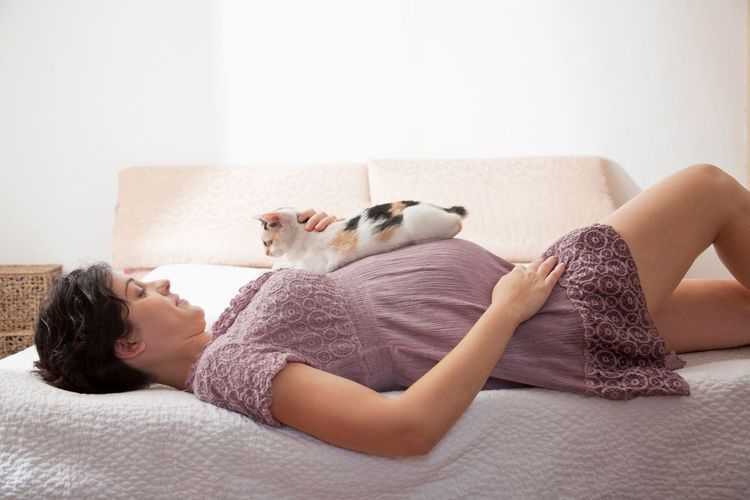
If you live with a cat or have frequent contact with stray animals, there's a high chance you've been infected with toxoplasmosis undetected (statistically, this affects about 90% of women). A healthy person's body can fight off toxoplasmosis without outside intervention, resulting in strong, lifelong immunity. This immunity can be determined using a special test from the TORCH system.
- WormsThey appear not only in street pets, but also in apartment pets. Almost all types of "cat" parasites Roundworms, threadworms, tapeworms, and echinococci easily infect the human body, with the exception of hookworms. Anthelmintic medications are contraindicated for pregnant women, so if infected, treatment should be postponed until at least the third trimester or after delivery. Parasites do not directly harm the fetus, but they can cause a deterioration in the mother's health, anemia, and vitamin deficiency.
- RingwormThe condition doesn't pose a significant risk to the pregnant woman, but treatment will again have to be delayed. The ringworm lesions will only continue to grow, so recovery will take longer.
- Other diseases (chlamydia, salmonellosis). The risk of contracting these from a cat (even a stray) is generally not very high, but it's wise to limit contact with other animals.
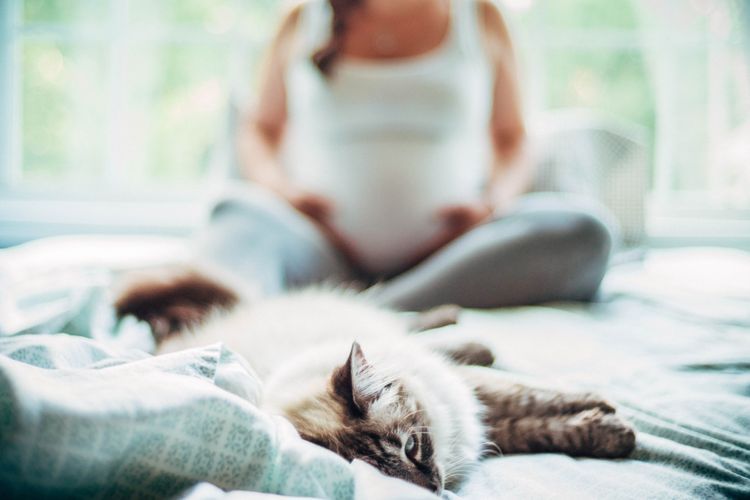
Having a cat in the house during pregnancy does not necessarily pose a danger. A healthy, well-checked cat cannot harm the expectant mother (especially if it is immune to toxoplasmosis). Up-to-date vaccinations, regular deworming and parasite treatment, and basic hygiene will ensure comfortable coexistence with your pet and positive interactions.
Read also:


Add a comment