
Kidney Failure in Dogs: Symptoms and Treatment
Renal failure is a dangerous condition diagnosed in dogs of both sexes and different age groups. In this article, we'll cover in detail the symptoms that may indicate kidney problems in your pet, the diagnosis and treatment of renal failure (both acute and chronic), and what to feed an animal diagnosed with CRF.
Content
Etiology of the disease
Renal failure is a dangerous condition in which the ability to produce urine is almost completely lost. The disease affects not only the urinary system but also seriously disrupts the functioning of all body systems and can be fatal if treatment is not provided promptly.

The reasons for the development of pathology can be very diverse:
- genetics;
- infectious diseases;
- CKD (chronic kidney disease);
- other chronic diseases that negatively affect kidney function;
- poisoning;
- benign or malignant neoplasms of the urinary system.
From a medical point of view, the causes of the disease, in the late stages of which complete kidney failure occurs, are divided into three types:
Symptoms
Depending on the form of renal failure, the signs of the disease can be clearly expressed (such symptoms cannot be missed) or hidden (chronic renal failure may manifest itself only when the kidneys have completely failed and the animal’s condition has sharply worsened to a critical level).
Acute form
In acute renal failure, the clinical picture allows one to immediately suspect kidney problems and quickly make a diagnosis by conducting the appropriate examination.
The following symptoms may indicate that an animal's kidneys are failing:
- lethargy, apathy;
- loss of appetite or complete refusal to eat;
- intense thirst, which initially causes the dog's urine output to increase significantly, but then completely stops producing urine;
- gastrointestinal disorders (nausea, vomiting, constipation or upset stomach);
- uremia (poisoning of the body with uremic toxins) and a characteristic odor from the mouth.
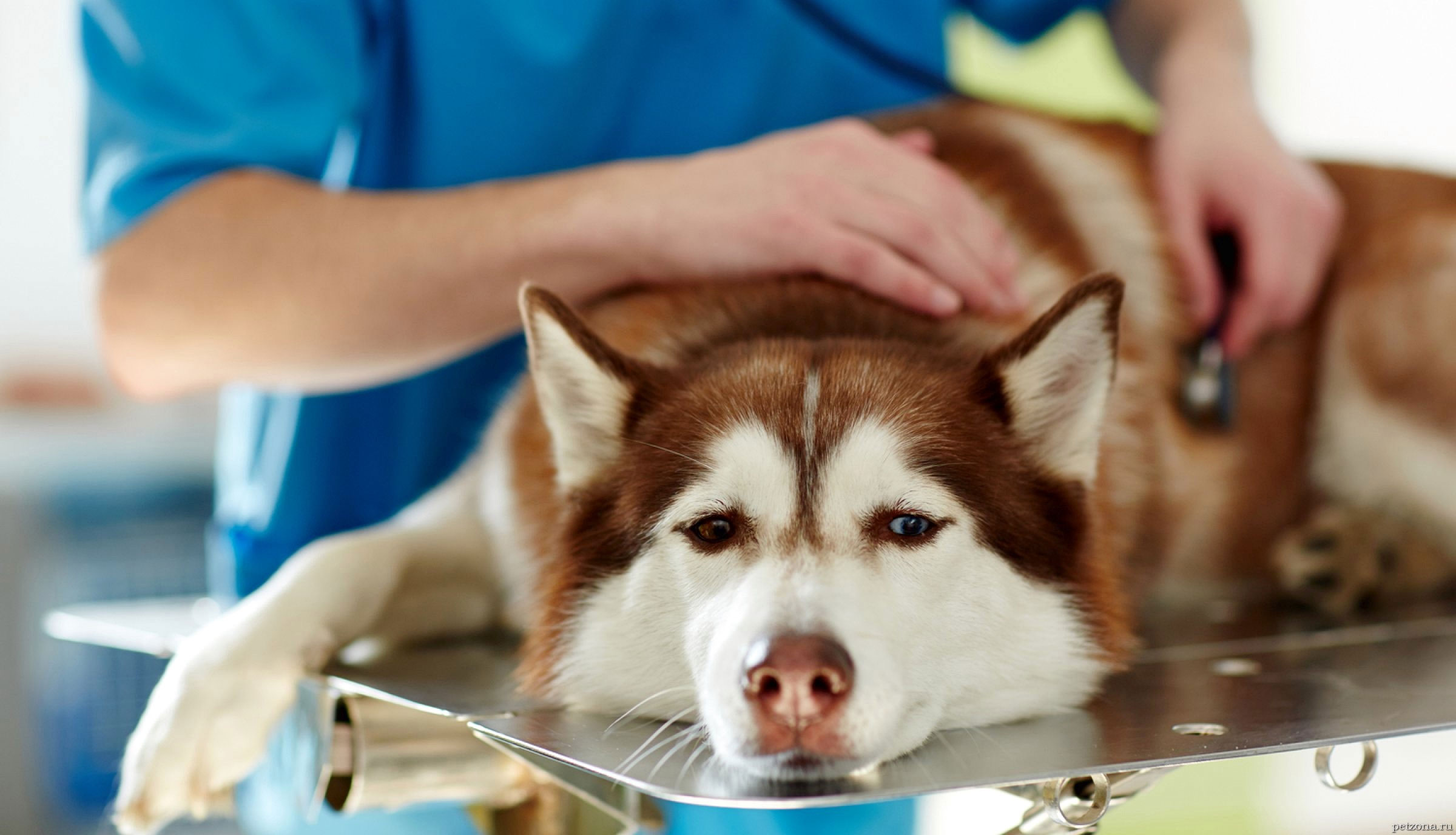
Symptoms appear suddenly and progress rapidly. Within a few hours or 1-2 days of the initial symptoms, the acute form can lead to coma and death if untreated.
With timely treatment, the prognosis is favorable—full recovery within a few weeks. Most often, kidney damage caused by the acute process is reversible, and urinary tract function is fully restored with appropriate treatment. Animals often return to a full life after acute renal failure and do not require lifelong treatment or special nutrition.
Chronic form
There is even a separate name for the chronic form of the disease in dogs and cats: CRF (chronic renal failure).
Unlike the acute form, chronic renal failure in dogs does not produce clearly defined symptoms, so diagnosis of the condition is difficult and treatment often begins only when more than 50% of the kidney tissue is affected or the kidneys have completely failed.
The clinical picture of CRF is vague, but the owner may notice the following symptoms in their pet:
- decreased activity level;
- loss of appetite;
- gastrointestinal disorders;
- weight loss despite a stable diet and physical activity;
- intense thirst;
- change in color and volume of urine.

Naturally, treating CRF is significantly more difficult, and the prognosis largely depends on the extent of organ damage. In the chronic form, sick animals often do not fully recover, as the tissue changes are irreversible.
Thanks to a comprehensive approach that includes proper nutrition and ongoing medication therapy, in most cases it is possible to significantly slow the progression of renal failure (the animal's kidneys do not fail, but they no longer function as well as those of a healthy animal).
Diagnostics
While in the case of an acute process, the symptoms immediately allow one to suspect renal failure, in the case of chronic renal failure, it is practically impossible to make a diagnosis without a full examination of the dog.
Typically the veterinarian prescribes:
- general blood and urine tests;
- urine test for protein/keratin and USG;
- biochemical blood test;
- Ultrasound of abdominal organs;
- echodopplerography;
- abdominal x-ray.

The doctor decides which tests to perform based on an assessment of the animal's condition, existing symptoms, and concomitant diseases.
Treatment
In cases of acute chronic deficiency caused by pathogenic microflora, the complex treatment will necessarily include a drug aimed at combating the identified pathogen.
If the disease is caused by prerenal or postrenal factors, complex treatment will be aimed at achieving the following main goals:
- removal of intoxication (in severe cases, IVs or blood transfusions are performed in a hospital setting);
- normalization of the functioning of vital organs (primarily the liver and heart);
- relief of the inflammatory process;
- treatment of the disease that caused kidney failure;
- restoration of the body's water-salt balance;
- adjuvant therapy (hematopoiesis stimulants, probiotics, vitamins).
Nutrition for dogs with chronic renal failure
The first thing an owner whose pet has been diagnosed with CRF should know is what foods a dog with kidney failure can and cannot eat. It's important to understand that diet is an essential component of successful treatment and maintaining proper kidney function.
The diet of a dog with chronic renal failure must include:
- up to 80-85% liquid;
- high-quality, easily digestible animal protein;
- omega-3 fatty acids;
- fruits and vegetables;
- reduced amount of phosphorus and salt;
For dogs with kidney problems, a very important factor is the complete absence of starch, grains, dyes and preservatives in the food.
Dogs with chronic renal failure are strictly prohibited from eating canned and semi-finished products, offal, fish and raw meat.

If you're having trouble finding the right diet for your pet with CRF, consider choosing a high-quality veterinary diet from a reputable manufacturer:
- Royal Canin Renal;
- Hill's PD Canine K/D;
- Purina Veterinary Diets NF – Renal Function;
- Brit VD Renal Dog;
- Farmina Vet Life Natural Diet Dog Renal.
These foods are created taking into account the basic needs of the animal's body and do not contain components that can negatively affect kidney function.
Prevention
If your pet belongs to a breed that is genetically predisposed to a disease such as chronic kidney disease (spaniels, boxers, shar-pei, bull terriers), then you should follow these preventative recommendations:
- Have regular check-ups and kidney function tests.
- Choose only high-quality diets with reduced protein for your pet.
- Minimize the risk of poisoning by muzzling your dog while walking and keeping any medications or substances that might interest your dog out of reach at home.
- Carefully monitor your dog's well-being and contact your veterinarian if any changes in your pet's behavior occur.
- Do not overuse medications without the advice of a veterinarian (many drugs have a negative effect on the kidneys and liver).
Veterinarian's advice
https://www.youtube.com/watch?v=yv-_WtE5zxc&t=431s
Read also:
- Frequent Urination in Dogs: Causes and Treatment
- Urolithiasis in dogs: symptoms and treatment
- After castration, the dog wets itself: why and what to do


Add a comment