
Pneumonia in dogs: symptoms and treatment
Pneumonia is an inflammatory process in the lung tissue, commonly known as pneumonia. This condition is considered very serious and, if left untreated, can lead to severe complications, including death. The symptoms and treatment of pneumonia in dogs depend on the cause and progression of the disease.
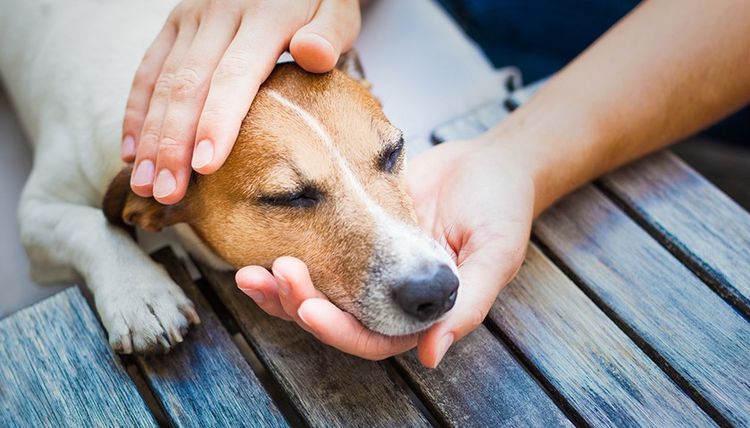
Reasons
Depending on the causes of development, there are 3 types of pneumonia in dogs:
- bacterial - a complication after an illness (bronchitis, tracheitis etc.), and can also develop due to the entry of a foreign body into the respiratory tract;
- parasitic - the result of the penetration of parasites (worms and their larvae) into the lungs, moving throughout the body;
- viral - a complication of Carré's disease (plague);
- fungal - develops when the lung tissue is affected by fungi.
Pneumonia very rarely affects healthy, physically fit adult dogs. The disease poses the greatest danger to puppies and older pets, whose bodies have difficulty coping with severe inflammation.
Streptococci and staphylococci pose the greatest health risks to dogs. When the immune system is weakened, these pathogens become active and attack lung tissue. The risk of developing the disease increases with the presence of a number of precipitating factors, such as:
- sudden hypothermia of the body (for example, during swimming or walking in damp and frosty weather) or local hypothermia of the pharynx and larynx when drinking cold water;
- contact with sick animals;
- unbalanced diet and vitamin deficiency;
- unsuitable conditions of detention;
- lack of timely or proper treatment of colds, cardiovascular and respiratory diseases, infections and injuries;
- low-quality feed containing pathogenic microorganisms.
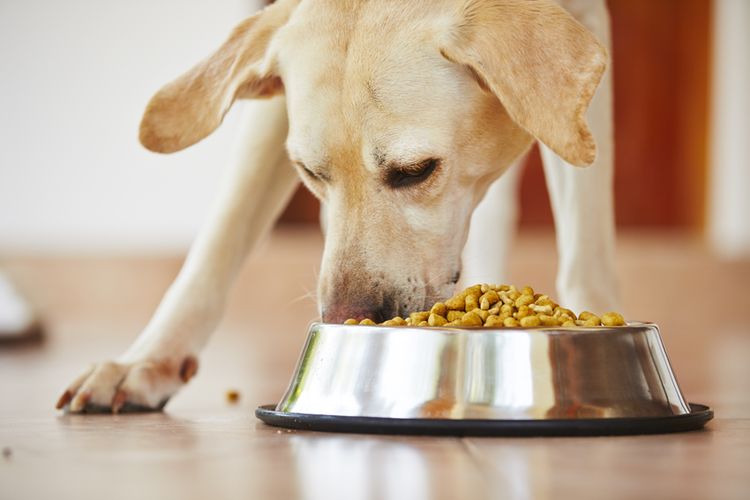
Pneumonia in dogs can even be caused by insects or any other foreign bodies that enter the lungs during breathing.
Signs
The complexity and danger of this disease lies in the fact that owners may not always notice the symptoms of pneumonia in dogs in a timely manner. Experts identify the following as the most common signs that require immediate veterinary attention:
- loud cough, which causes noticeable pain, and over time becomes more muffled and softer;
- a sharp, sudden increase in body temperature, fever;
- lack of appetite against the background of increased thirst, weight loss;
- runny nose, difficulty breathing;
- the appearance of a bluish or gray coating on the tongue and oral mucosa;
- apathy, depressed state;
- increased heart rate, weakness.
The animal is usually unable to lie down on the side with the affected lung, and in cases of bilateral inflammation, it may not lie down at all. Percussion of the chest reveals dull areas.
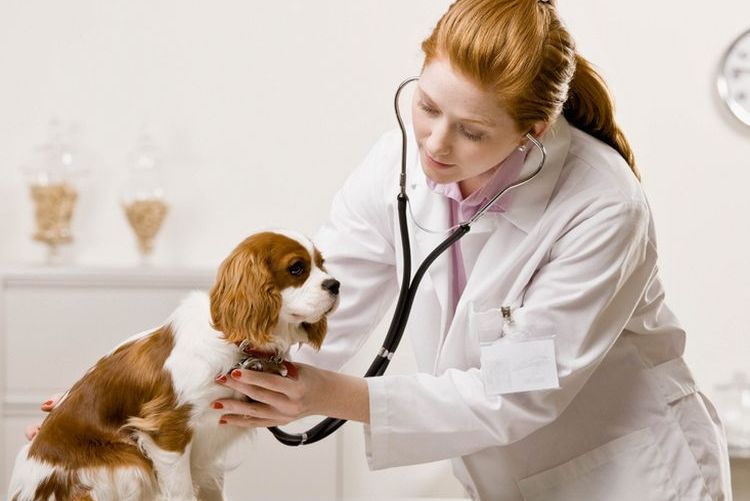
Pneumonia in dogs can be acute or chronic. The acute form of the disease progresses through three stages, each with different symptoms:
- initial (primary) - lasts approximately 5 days and is characterized by mild symptoms with a satisfactory condition of the animal;
- secondary - takes about 10 days and proceeds with a violent manifestation of the indicated symptoms;
- final - the pet either recovers or dies from complete damage to the lung tissue.
The disease's severity can range from mild, moderate, severe, or very severe. In any case, inflammatory processes cause the formation of exudate in the lung tissue, which can be classified as purulent, serous, or, most severely, lobar pneumonia. In the latter case, the animal's body becomes critically ill because it doesn't receive the necessary amount of oxygen, and without timely, qualified assistance, the pet can die within hours.
Chronic pneumonia in dogs most often develops as a result of inhaling foreign bodies or fluid, which causes damage to a small area of lung tissue and a long-term pathological process. A pet's mild illness usually doesn't raise any suspicions in the owner, as it resembles a minor cold and may even resolve on its own without treatment. At the same time, the lung tissue at the site of inflammation becomes covered with a layer of connective tissue, forming a chrysalis similar to a butterfly chrysalis, which can trigger a new round of pneumonia at any time. Older dogs are particularly at risk, so treatment is essential.
Diagnostics
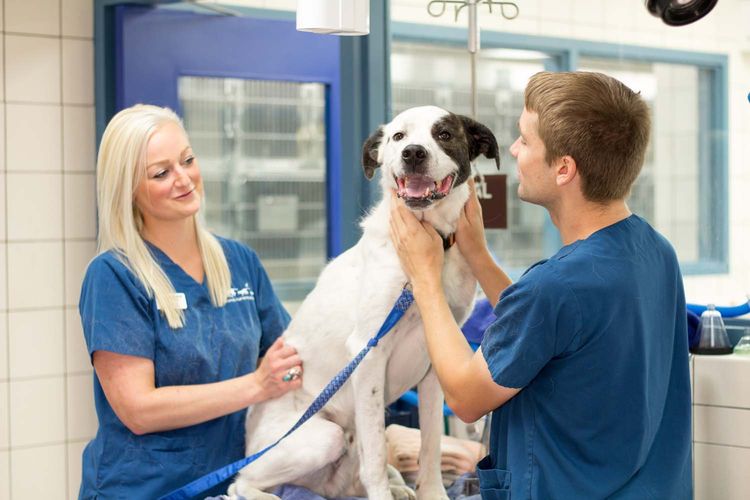
Pneumonia in dogs is diagnosed based on an examination, blood and urine tests, X-ray data, and also taking into account the owner's information about the course of the disease, nutrition, living conditions, and previous illnesses of the pet.
It is extremely important to differentiate pneumonia from a number of diseases, including:
- rhinitis (runny nose);
- sinusitis;
- laryngitis;
- pharyngitis;
- bronchitis, tracheitis;
- tonsillitis;
- lung abscess.
The differential diagnosis is also comprehensive. To rule out parasitic pneumonia, a stool sample is also taken for helminths.

Treatment
Treatment for pneumonia in dogs is aimed at stabilizing the animal's condition and eliminating the pathogens causing the disease. The following treatments are performed in hospital:
- the administration of antibiotics by injection, which allows the drug to reach the sites of inflammation as quickly as possible, using broad-spectrum drugs;
- chest massage to remove mucus from the lung tissue.
In severe cases, oxygen therapy is prescribed to prevent respiratory failure, and if necessary, artificial ventilation. If the dog is unresponsive and has bowel upset, intravenous fluid therapy with special solutions is administered.
Treatment for pneumonia in dogs at home begins only after the condition has returned to normal and appetite has returned. However, there are a number of rules that must be followed after the pet returns from the hospital:
- do not suppress cough with cough suppressants;
- continue to massage the chest at least 4 times a day;
- Avoid walking in cold weather;
- give medications strictly as prescribed by the veterinarian;
- provide the animal with light physical activity.
Home treatment of pneumonia in dogs using traditional medicine is completely ineffective and contraindicated. Only high-quality antibiotics, prescribed by a veterinarian, can effectively combat the pathogens that cause such a serious illness.
The prognosis for pneumonia in dogs is uncertain and largely depends on the animal's condition, the severity of the disease, the timeliness of diagnosis, and the correctness of the treatment.
Is pneumonia dangerous?
Pneumonia in dogs can be dangerous, especially if left untreated. In severe cases, it can cause acute respiratory failure and other complications. Therefore, it's important to consult a veterinarian immediately at the first sign of illness.
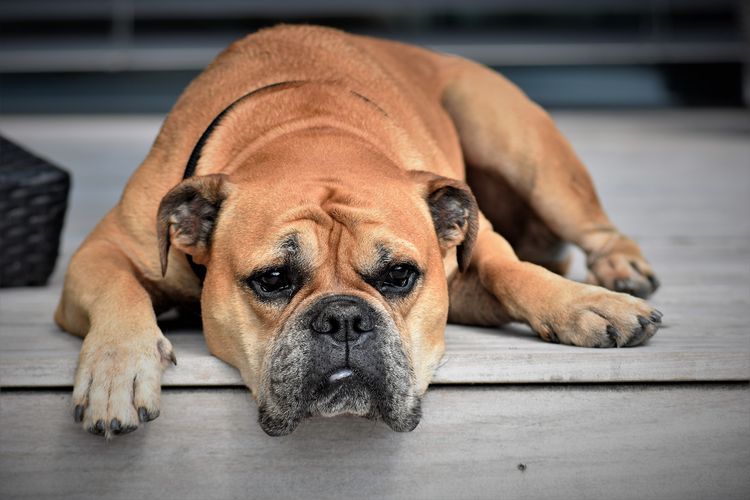
Symptoms, appearance, and prognosis may vary depending on the pet's breed. Some dogs are more susceptible to developing pneumonia. For example, short-muzzled dogs—pugs and bulldogs—have a narrow trachea, which can allow water or food to enter the lungs.
Breeds at increased risk include:
- pugs
- Shih Tzu
- dachshunds
- boxers
- cocker spaniels
- Labrador retrievers
- Old English Sheepdogs
- beagles
Prompt veterinary attention and appropriate treatment reduce the risk of complications. If the disease is left untreated, serious consequences are possible, including pneumothorax or respiratory failure.
Prevention
Preventing pneumonia in your pet is easy if you regularly follow a number of preventative measures:
- treat diseases in a timely manner that may result in pneumonia;
- avoid hypothermia;
- provide proper care, balanced nutrition and normal living conditions;
- avoid contact with sick animals.
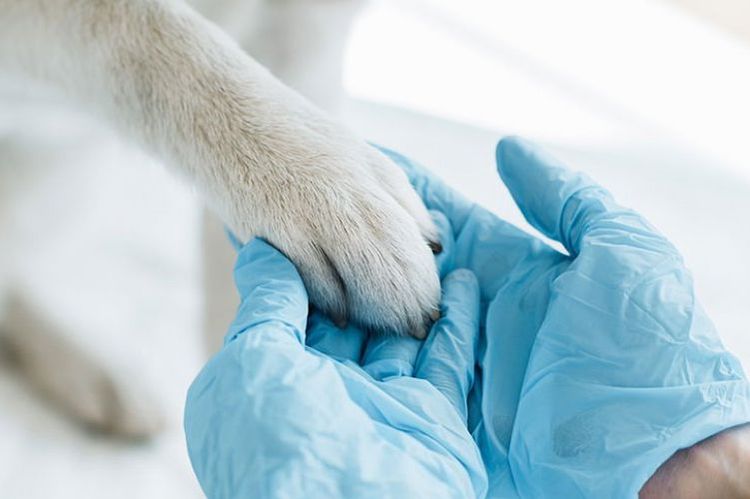
Pneumonia in dogs is a serious condition with a high risk of adverse outcomes. Therefore, it's important to carefully monitor your pet's condition to detect signs of the disease and begin treatment early.
Read also:


Add a comment