
Pneumonia in cats: symptoms and treatment
Pneumonia is an inflammation of the pulmonary alveoli (microscopic air-filled sacs) and the accumulation of fluid or pus within them. Pneumonia in cats can develop as an independent disease or as a complication of other illnesses.
Content
Causes of pneumonia in cats
Pneumonia in cats can be caused by various reasons, the most common of which are:
- Infections. These include Bordetella bacteria, chlamydia, herpes viruses and calicivirus, Candida and Aspergillus fungi, mycoplasma protozoa, and chlamydia. Cats can become infected with pneumonia through contact with infected animals or through airborne droplets.
- The action of irritants is prolonged inhalation of chemical aerosol vapors and tobacco smoke.
- Allergies. Cats can develop sensitivities to dust, pollen, mold, and other environmental allergens.
- Severe or untreated diseases of the upper and lower respiratory tract (bronchitis, bronchiolitis, tracheitis, sinusitis, pharyngitis, tonsillitis, rhinitis).
Stages of development and symptoms of pneumonia
The course of pneumonia is usually divided into several stages or phases.
Initial stage (initiation)
Pathogens enter the body and, once in the cat's lungs, begin to multiply. This leads to the onset of inflammation in the lungs and bronchi. Symptoms of pneumonia in cats during this period are still subtle and can easily be mistaken for a cold.
Proliferation stage
A period when the pathogen reproduces most actively. Lung tissue becomes inflamed, and the alveoli fill with fluid and dead bacteria. As a result, the lungs lose their functionality, and more noticeable and dangerous symptoms appear.
Recovery stage
When the immune system manages to control and successfully fight the infection, the symptoms gradually subside, and the lungs begin to clear of fluid and pus. The sick cat's condition begins to improve, but it still feels weak.
Symptoms of pneumonia in cats may include:
- dry or wet cough, sometimes accompanied by the release of sputum from the nose or mouth;
- heavy, rapid breathing;
- elevated body temperature;
- fatigue, general apathy;
- decreased interest in food or complete lack of appetite.
If your cat exhibits any of these symptoms, it is important to see a veterinarian immediately for examination, diagnosis, and treatment.
Diagnostics
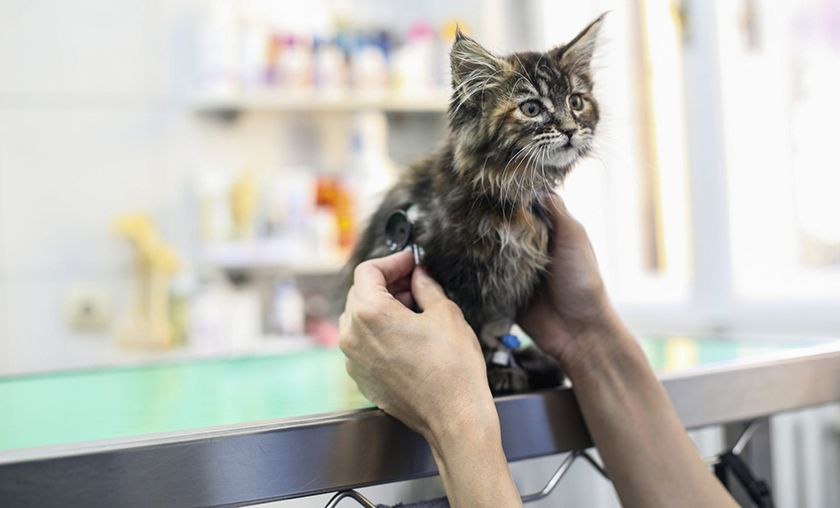
Making an accurate diagnosis of pneumonia in cats requires a careful approach. The first steps, typically taken by a veterinarian, are to assess the animal's general condition through a physical examination, auscultation of the lungs, and checking the pulse and blood pressure.
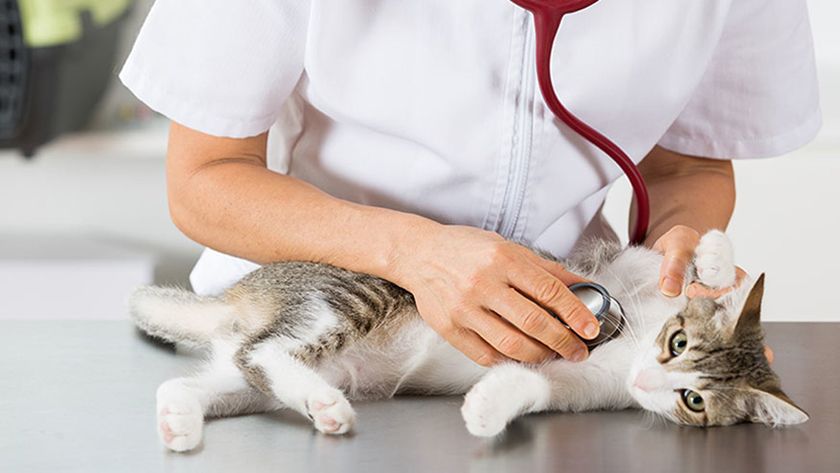
Next comes a thorough anamnesis: the doctor asks the owner questions about the symptoms found in the animal, such as coughing, difficulty breathing, weakness, loss of appetite, fever.
The cat may then be prescribed:
- Blood tests (general and, if necessary, biochemical). This allows us to identify the presence of inflammation and determine the functional state of organs.
- Sputum culture. This is performed to determine the pathogen and its sensitivity to antimicrobials. This allows for the selection of the appropriate antibiotic.
- In some cases, a bronchoscopy, a procedure to visually examine the lungs and take biopsy samples for further analysis, may be required to confirm the diagnosis.
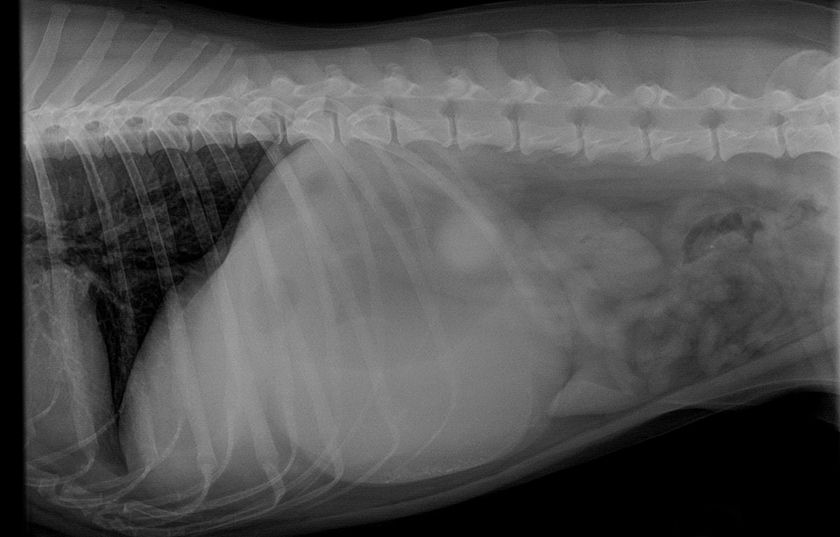
- Chest X-ray. This examination allows us to assess the condition of the lungs and detect signs of inflammation, infiltration, or fluid.
Treatment of pneumonia in cats
It's important to remember that self-medication without consulting a veterinarian can be ineffective and dangerous. The course of treatment is determined individually and can last up to 1 month, depending on the severity of the disease, its cause, and the sensitivity of the pathogen to medications. The prognosis for mild to moderate cases is usually positive.
For viral infections, symptomatic treatment is used: medications are prescribed to relieve coughing and facilitate breathing, thin mucus, and promote expectoration. Immunity-boosting medications and vitamins A, B, and C are also prescribed.
If the cause of pneumonia is an allergic reaction, antiallergic drugs and immunomodulators may be used, and recommendations are given for eliminating allergens from the environment.
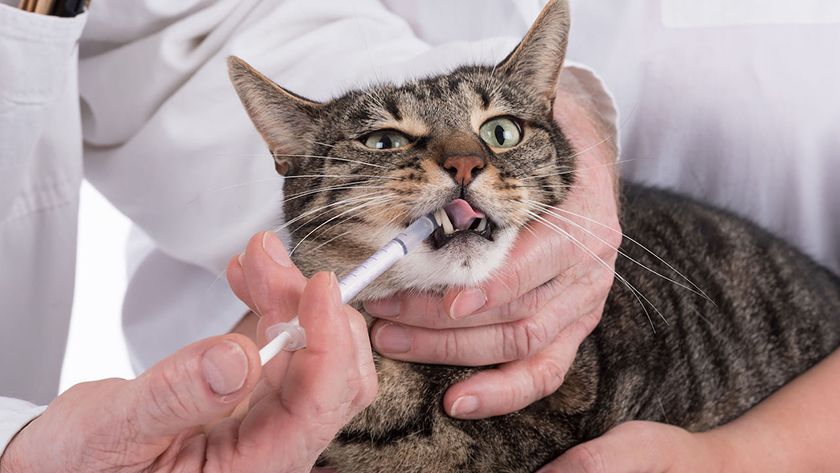
In cases of bacterial infection, antimicrobial agents are prescribed to treat pneumonia in cats based on culture results. The standard antibiotic treatment regimen for pneumonia in cats involves several stages.
The first is determining the type of pathogen based on a sputum or blood test conducted in a laboratory.
The next step is choosing an antibiotic. An antibiogram is performed, which helps determine which antimicrobials the pathogen is most sensitive to. The veterinarian selects the most appropriate one from those effective against the given pathogen.
Broad-spectrum antibiotics are commonly used, such as:
- Cephalosporins Ceftriaxone, Medaxone.
- Azalide Azithromycin, active against gram-positive, gram-negative and some anaerobic bacteria.
- Amoxicillin is an antibiotic of the penicillin group, active against bacteria, cocci, and E. coli.
- Oflosan is an ofloxacin-based medication. It is effective against gram-negative bacteria, cocci, and mycoplasma.
- Sulfetrisan is a combination drug that contains three active ingredients: Sulfadimethoxine, Trimethoprim and Erythromycin.
- Gentam is a combination antibiotic that includes two antibacterial components: Amoxicillin and Gentamicin.
After this, the dosage and duration of treatment must be calculated based on the cat's weight and condition. When using medications, it is important to strictly follow the veterinarian's instructions regarding dosage, regimen, and duration of antibiotic administration. Insufficient or premature discontinuation of treatment can lead to the development of microbial resistance and relapse.
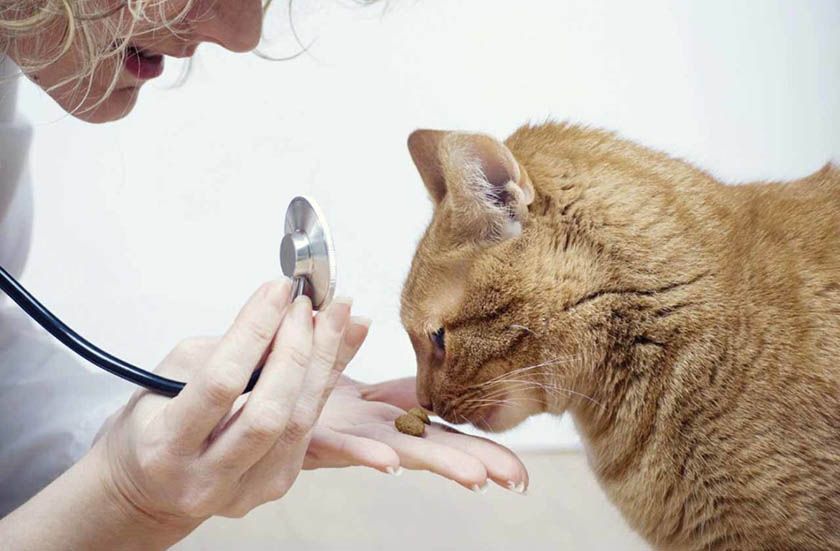
The final stage is monitoring and evaluating the effectiveness of the therapy. To monitor your pet's progress, repeat x-rays may be prescribed. Treatment can be performed at home under the supervision of a veterinarian. It is important to provide the sick animal with suitable living conditions, including proper hygiene, warmth, rest, and a high-quality, balanced diet.
Prevention
Preventative measures are aimed at preventing the development of pneumonia and reducing its likelihood. Below are several methods for preventing pneumonia in cats:
- Keep your cat up to date with vaccinations. Vaccines typically contain components that protect the cat's body from pathogens that cause pneumonia.
- A healthy lifestyle: proper nutrition (high-quality food is recommended) and adequate physical activity. This helps maintain a strong immune system, which helps the body fight infections more effectively.
- Hygiene. Keep your cat's home and litter box clean. Regular cleaning of the premises and daily cleaning of the litter box will help reduce the number of germs and infections that can affect your cat's health.
- Avoid contact with sick animals. If any pet shows signs of a respiratory infection, isolate it. This will help prevent the spread of infection within the pet population.
- Regular veterinary visits. Your veterinarian will be able to assess your pet's condition, perform necessary tests, and recommend additional preventative measures.
Read also:


Add a comment