
Do cats cry?
"It's like a cat cried for nothing"—that's what they say when something is very little, or not at all. But we so want our beloved cat to understand us, to empathize with us, expressing her emotions in the ways we're accustomed to—through behavior, posture, gestures, and even tears. Is that possible?
Content
What are tears?
Physiologically, tears are a fluid produced by exocrine glands located in the anterior part of the eye. They are approximately 98% water, with the remainder consisting of soluble potassium, sodium, and calcium salts, albumin proteins, and the enzyme lysozyme. Tears are secreted when the intraocular vessels dilate as a result of reflex pressure from the orbicularis oculi muscles on the conjunctiva.
A distinction is made between physiological tears, which are necessary for moisturizing and cleansing the mucous membrane of the eye, and emotional tears, which are called crying. Their secretion is controlled by the limbic systems of the brain. This psychophysical response to emotional arousal or pain is common in humans. But can cats cry?
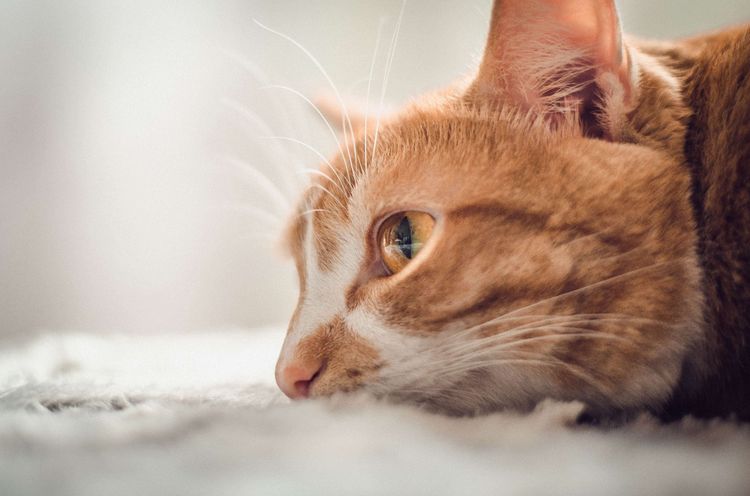
Physiological causes of tears
Technically, cats can cry—their eyes secrete fluid—but not out of sadness or joy. Here are the main medical and physiological reasons:
-
Natural eye protection- basal tear secretions moisturize the cornea and remove dust.
-
Lacrimation reflex- reaction to irritants: dust, wool, smoke, allergen.
-
Epiphora- increased tearing due to drainage problems, inflammation or infection.
Table: Comparison of types of tears
| Type of tears | Cause | Meaning |
|---|---|---|
| Basal | Lubrication and protection of the cornea | Normal hydration |
| Reflexive | Irritation or allergen | Eye protection |
| Pathological (epiphora) | Infection, disease of the tear duct | Treatment is required |
If you notice any leaking tears, especially with discharge or swelling, this is a signal for an urgent visit to the veterinarian.
Official Science: Cats Don't Cry
Crying is considered a uniquely human trait. Science believes that animals are incapable of shedding tears due to emotion, as they lack the capacity to think and act purely on instinct. Even in humans, the ability to cry from hurt and pain is not innate, but develops gradually. A newborn baby, when hungry or uncomfortable, simply cries; real tears only begin to flow during crying a few weeks after birth.
Of course, animals can express emotions, but they do so differently. A cat may purr, meow, growl, snort, hiss, or howl, but tears do not appear in its eyes. All animals have lacrimal glands, but their secretion serves to protect the cornea from drying out or as a response to physical irritation caused by a foreign body entering the eye.
In addition, cats may secrete tears due to illnesses such as conjunctivitis, rhinitis, allergies, eversion of the eyelid, viral infections. However, for some breeds, excessive tear production is a congenital trait. For example, Scottish Fold, Persian, and British Shorthair cats have a unique skull structure, resulting in very short tear ducts.
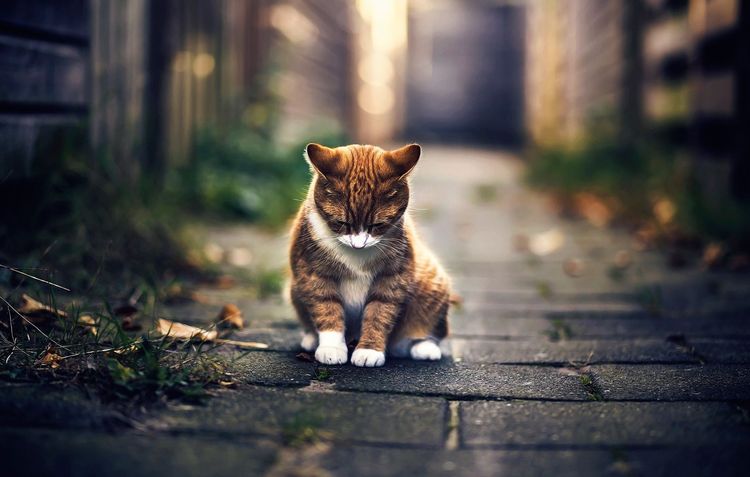
Modern research suggests cats can cry like humans.
There's no definitive scientific evidence that cats' tears are linked to emotional expression. However, even eminent scientists today hesitate to confidently assert that such a connection is impossible. Many felinologists don't consider the lack of higher intelligence in animals a reason to deny their ability to cry. If cats are capable of experiencing emotions, why can't they express them, including through tears?
Cats are highly evolved animals. Their brains are structured like humans, with the same areas responsible for emotions as ours. Recent research shows that cats don't always act purely on instinct; they are capable of thinking outside the box.
Cat owners claim to have seen cats with tears streaming down their cheeks when their newborn kittens were taken away, or when they were deprived of the company of a beloved owner or a companion they had been close to for many years. Many veterinarians say cats can cry in stressful situations, such as a sudden change in environment, moving to a new apartment, or even the loss of a favorite toy.
The internet is full of amateur videos of crying cats who have been unfairly punished, and their authenticity is undeniable. It's also common to hear touching stories of how a passerby, taking pity on a stray kitten and giving it his food, saw genuine tears of gratitude in the homeless animal's eyes.
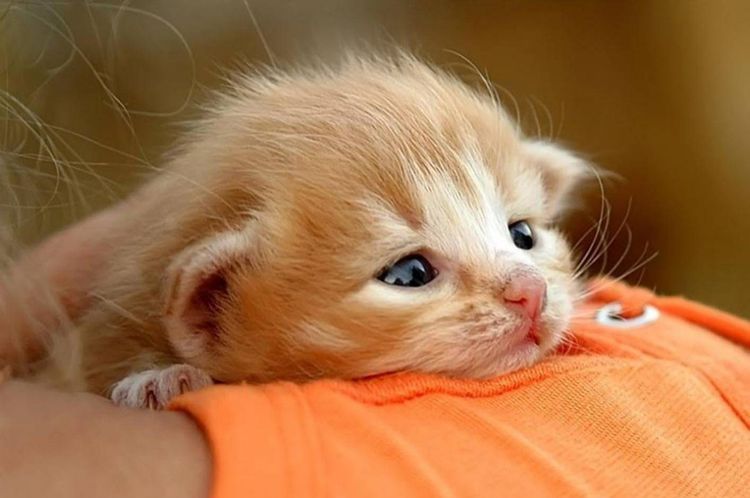
How cats express emotions differently
Despite the lack of emotional tears, cats communicate like this:
-
meow - a signal of hunger, fear or need for attention;
-
withering and hiding are a sign of sadness or fear;
-
changes in appetite and activity - stress often manifests itself in this way;
-
tactile gestures - purring, rubbing against furniture and people as a sign of comfort.
What should owners do?
-
Observation: Monitor the duration of tears and their association with other symptoms.
-
Environmental enrichment: toys, scratching posts, secluded areas will reduce stress.
-
Regular veterinary check-ups are necessary, especially if there are signs of tears, inflammation, or changes in behavior.
-
Post-stress support: In the event of a move, illness, or the loss of another pet, it is important to provide stability and attention.
Interesting facts
- The human-cat tandem has existed for centuries. The ancient Egyptians not only kept these animals in their homes but also considered them deities, building temples for them and embalming them after death. Egyptian priests believed that cats were representatives of a highly organized extraterrestrial civilization inhabiting the constellation Sirius.
- Highly independent animals, cats seem to have no need for human companionship, yet they always live alongside us. Many claim their pets can read minds. And their healing abilities have been confirmed by numerous clinical trials. This method of treating and preventing illnesses is called feline therapy (also known as feline therapy).
- The more you get to know cats, the more you're amazed by their unique natures. And it's quite possible that if your pet sits with a pitiful expression and sheds tears, she's crying out of hurt or disappointment. However, if her eyes are constantly "weeping," it's a reason to consult a veterinarian.
Read also:


Add a comment