
Kennel cough in dogs: symptoms and treatment
Our little brothers get sick just like you and me. They cough, sneeze, and get fevers just like us. But unlike us, they suffer from a huge number of infectious diseases, which are not always easy to differentiate from each other. In this article, we'll discuss kennel cough in dogs.
Content
What is kennel cough in dogs?
This disease is common in animals kept in crowded environments (not just kennels, but also shows, kennels with several dogs, and so on). It can sometimes be diagnosed in a dog kept alone but recently exposed to a sick animal (for example, in a park during a walk or at a show).
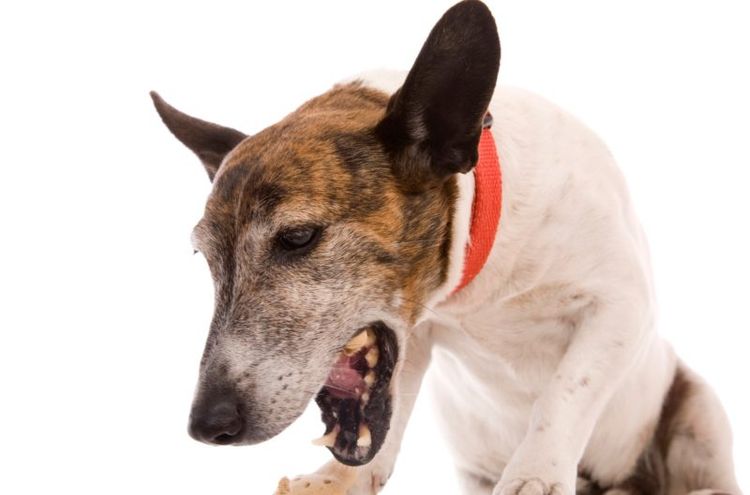
It's impossible to say there's a single pathogen. Many veterinarians believe this disease is polygenic, caused by Bordetella bronchiseptica, and complicated by viruses and bacteria that "overlap" (develop a secondary disease).
In addition, kennel cough or aviary cough can be caused by other pathogens:
- adenoviruses (mainly type 1);
- canine distemper viruses;
- bacteria (mycoplasmas, chlamydia);
- canine herpes viruses.
Factors that provoke the development of the disease include:
- high density of animals in a small area;
- improper care;
- untimely vaccination;
- helminthic infestations;
- hereditary problems with the respiratory system (for example, structural features of the trachea).
The first symptoms appear about three days after infection (this is called the incubation period, when the pathogen begins to rapidly multiply in the body, but there are no signs of illness yet). The asymptomatic period can last up to several weeks. Influenza, parainfluenza, and adenovirus viruses often "join" the primary pathogen.
The main danger of the disease is its high contagiousness, meaning it can spread quickly among nearby animals via airborne droplets. This is where the name "kennel cough" comes from. Infection is also possible through saliva from a sick animal on the floor or household items. Puppies and individuals with weakened immune systems are considered more susceptible to infection. Prolonged coughing worsens the dog's overall condition and can develop into a life-threatening condition. pneumonia.
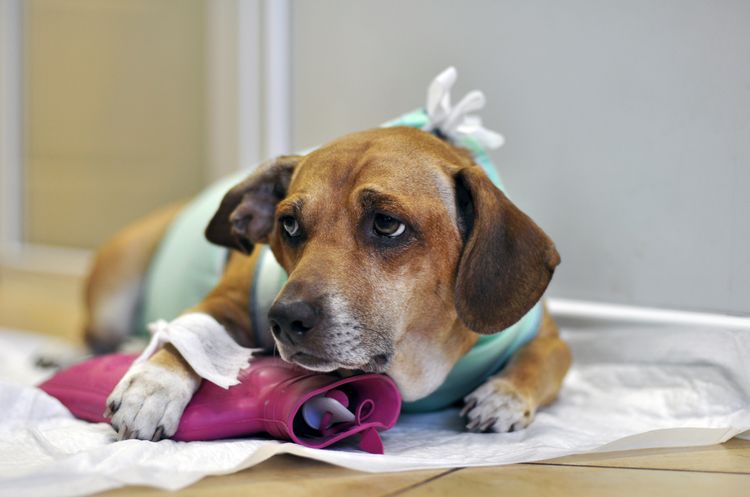
Symptoms
Kennel cough in dogs is a respiratory disease (meaning it primarily affects the respiratory system).
- The most prominent symptom is a dry, painful cough, almost to the point of vomiting. It's very deep, seeming to emanate from the chest. This is because Bordetella infects the trachea and bronchi, causing inflammation (hence the name infectious laryngotracheobronchitis). An increase in cough is noted after physical exertion, drinking, and sudden changes in temperature (going from a warm room to a cold street, and vice versa). There is little time between attacks.
- Pus (white to green) is released from the nostrils.
- Purulent tonsillitis (quinsy) may occur.
- If the temperature rises, it is only by a very small amount.
- In principle, the appetite is preserved; the only indication that the dog has some kind of illness is a strong, deep, dry cough.
The symptoms listed above primarily apply to mild forms of the disease. In severe cases, coughing fits are accompanied by vomiting, lethargy and apathy are observed, intermittent fever (a short-term high temperature rise) develops, and there is a lack of interest in food, but thirst persists or increases.
Kennel cough can also lead to pneumonia or severe bronchitis. These conditions are often difficult to differentiate due to their similar clinical presentation: in addition to coughing fits and fever, there is hoarse, labored breathing, significant mucus production, and pale or bluish mucus due to impaired oxygen metabolism.
Treatment
Typically, treatment for dogs with kennel cough is not required. The disease resolves on its own within a week or two, unless complications develop and secondary microflora has developed. A veterinarian will prescribe symptomatic therapy: medications to promote mucus production and expectoration, antipyretics, and antibiotics if necessary (if the fever is elevated and persists for several days). Antibiotics are needed specifically to suppress the pathogenic secondary microflora and the primary pathogen, Bordotella. However, antimicrobials are ineffective against viruses.

The treatment regimen is changed if after 3 days no improvement in the pet’s condition is observed.
General recommendations
To stimulate your dog's recovery and avoid complications, it is recommended:
- Isolate the infected dog from other animals. However, if the diagnosis is made at the height of the disease, there is no longer any need for separate housing.
- Do not take for walks.
- Provide quality care and nutrition.
- Eliminate physical activity and stress.
- Give as much water as possible to speed up the elimination of infection from the body.
- Do not force-feed, so as not to create additional stress on the gastrointestinal tract and the body as a whole.
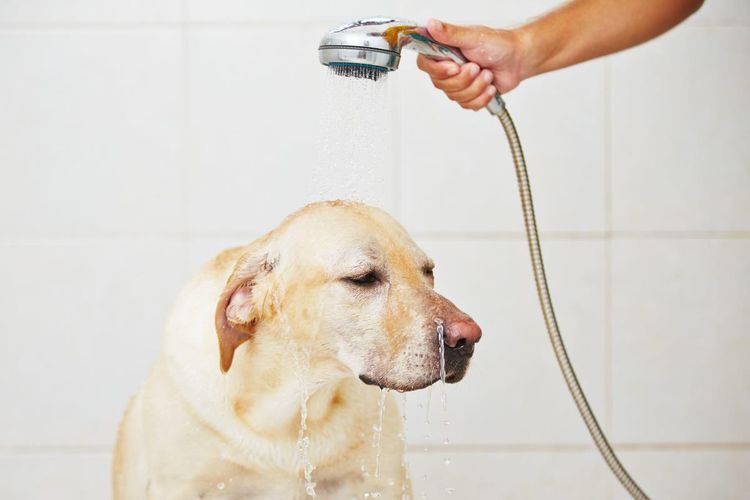
- To relieve coughing fits, leave your pet in the bathroom with hot water running, creating a lot of steam. The moist, warm air reduces swelling and helps loosen mucus. This "session" should last 5-10 minutes. Do not leave your pet unattended during this time.
Drug treatment
Depending on the clinical picture, the following may be prescribed for the treatment of kennel cough:
- Antibiotics – if the disease is associated with a bacterial infection. Drugs are selected based on scrapings to determine the type of pathogen; otherwise, treatment will be ineffective. Tetracycline and cephalosporin drugs are among the most commonly used. However, when administered orally, the active ingredients hardly reach the bronchi, so the best option is to use a nebulizer with a mixture of antibiotic and saline. An alternative is aerosol antibiotics (neomycin, gentamicin, bacitracin), which additionally moisturize the mucous membranes of the respiratory tract, improving the animal's overall well-being. In severe cases, intramuscular administration is required.
- Corticosteroid drugs – to reduce inflammation and minimize the risk of developing chronic bronchitis.
Important! The use of corticosteroids in combination with strong antibiotics is strictly prohibited.
- Cough suppressants – for severe coughs, to ease coughing and loosen accumulated mucus. For prolonged coughs, codeine-based medications are most effective. However, it's important not to completely suppress the cough, as mucus will accumulate in the chest and make breathing difficult. Saline inhalations and bronchodilators are also prescribed. The latter are especially effective when combined with corticosteroids.
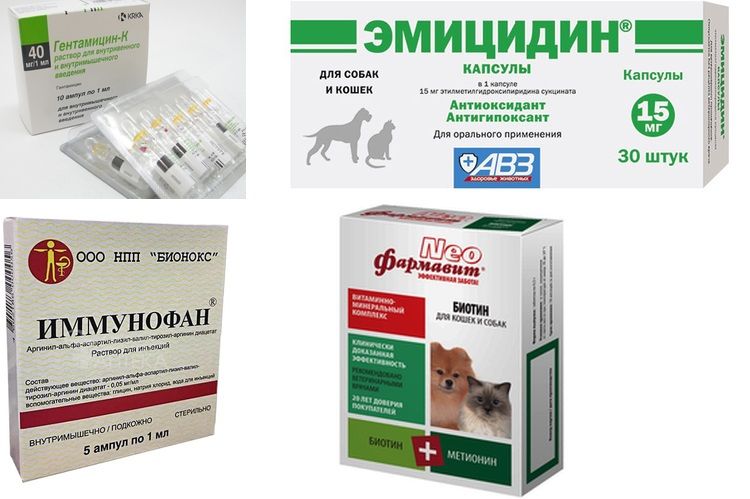
- Immunomodulators – to stimulate the immune system when exposed to viruses. Interferon in ampoules is used for this purpose (3 drops under the tongue every 3-4 hours). Gamavit, Immunofan, Emicidine, Polyoxidonium.
- Vitamin and mineral complexes (Farmavit, Omega, Fitomins) – for additional strengthening of the immune system.
- Additional remedies: antihistamines (to reduce intoxication), rehydron (to prevent dehydration), enzymes and probiotics (for poor digestion and gastrointestinal disorders).
Caution! Use any medications (especially human ones) only after prior consultation with a veterinarian to avoid serious side effects.
In most cases, treatment results in a favorable outcome. The risk of death only arises when treatment is completely untreated, usually after complications such as pneumonia, especially in animals with weakened immune systems or other health conditions.
Prevention
What do you need to know about prevention? This includes timely vaccinations and avoiding contact with stray, sick, recovering, or suspicious dogs. Minimize your dog's exposure to areas with large numbers of other dogs.
Vaccination is especially important for high-risk animals: those kept in kennels, frequently attending shows, walking with many other dogs, those with other health issues, and those of advanced age. There are medications available on the Russian market that are effective against most kennel cough pathogens (parainfluenza, adenovirus, Bordotella, and distemper). Nasal drops, a common form of medication for many of these medications, provide more effective protection than injections. Furthermore, using these formulations is associated with less stress and anxiety for the pet.

If your pet is sick and there are other dogs in the house, the coughing pet should be isolated and the room should be constantly ventilated (ideally, the air should be completely refreshed every 4-5 minutes). Dishes and toys should be disinfected before each use and thoroughly dried.
A dog that has recovered from the disease is allowed to have contact with other animals a week or a week and a half after the cough has completely disappeared.
You can also ask our website's staff veterinarian a question, who will answer them as quickly as possible in the comments box below.
What is kennel cough and why is it dangerous? video
Read also:


2 comments
Galina
Good afternoon. My question: I have a 2-year-3-month-old Jack Russell Terrier. He started coughing violently this morning before a walk, as if he were choking. It subsided, we went outside (temperature -15°C), and he immediately started coughing for about 10 seconds, then subsided again. We took him for a quick walk, went to the bathroom, and then went home (I was afraid to take a long walk). He's active, has no other symptoms, and couldn't get sick. We're monitoring him; he sleeps until he starts coughing. What should I pay attention to, and how can I help?
Daria is a veterinarian
Hello! When was your pet's last deworming, and what medication was used? Are your vaccinations up to date? What is he feeding? Have you taken his temperature? Is the cough strong, deep, or more superficial? My first suspicion would be worms, unless you can completely rule out the possibility that your pet is actually choking.
Add a comment