
American Pit Bull Terrier
American Pit Bull Terriers are dogs with virtually unlimited uses; they're practically universal. They can be used as herders, hunters, fighters, or detectives. They make excellent guard dogs, and can even be used as draft dogs when needed. They also make wonderful companion dogs, excellent pet sitters, and even family pets.
Country of origin: USA.
History of origin
Many people call this dog a pit bull for short, but it's worth noting that this is a bit of a misnomer, as it translates as "fighting bull," but should actually be "fighting bull terrier," or pit bull terrier. The breed's history spans not just centuries, but millennia. The pit bull terrier's ancestors were terriers and bulldogsFrom the former, the breed inherited speed and lightning-fast reactions, while bulldogs endowed the dog with tenacity and strength. English engravings dating from the 15th to 17th centuries depict dogs very similar in appearance to the modern pit bull terrier. The subjects of these drawings were often hunting or dog fighting.
According to written evidence, pit bull terriers were already present in the territory of modern America in the 18th century, and settlers from Ireland began to transport these dogs more actively starting in the mid-19th century.
After dog fighting was strictly tabooed in many countries, the breed was threatened with extinction. Numerous complaints and newspaper articles about the inappropriateness and cruelty of these dogs sowed panic among the population. Only later did it become clear that pit bull terriers are, in fact, friendly and loving toward people, while their aggressive behavior was caused by animals. there were owners, who wanted to profit from their strength and will to win. Fortunately, everything worked out, and today pit bull terriers are incredibly popular worldwide, and their uses are limitless.
Unfortunately, some EU countries still ban the import of pit bull terriers, and any specimens imported before this regulation is required to undergo sterilization in their respective countries. In Germany, government officials strictly monitor pit bull terrier owners; for example, acquiring one requires a special permit from the police, and keeping the dog is subject to a high lifetime tax.
Character
Powerful jaws and a square, fairly wide head give the dog an intimidating appearance. The ears are set high and, according to the breed standard, should be cropped, but while docking is prohibited, the length can be retained. In the CIS countries, this decision is still up to the owner.
The body is strong, with prominent, well-developed muscles and a tucked-up belly. The short tail is raised when moving. There is no undercoat, and the fur is coarse and short, with no fur on the belly. Attempts to gain the upper hand in the family hierarchy should be discouraged from puppyhood.
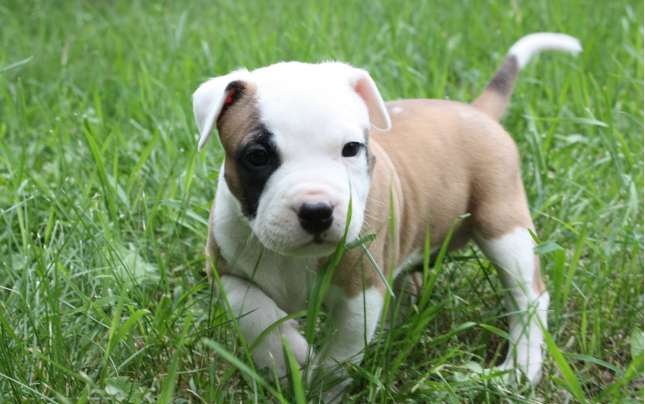
Adult animals are striking in their consistency. They are always confident in their abilities, but once established, they don't seek to dominate the household, usually demonstrating their willingness to provide any assistance to family members.
A dog that knows who its owner is will be loyal and devoted. Pit bull terriers have a playful and kind nature. They are quite independent, able to assess situations and make decisions.
American Pit Bulls exhibit their best character traits only when properly trained.
This means that the owner has a huge influence on the formation of a pet's character, which is why you can hear completely contradictory opinions about this breed. A Pit Bull Terrier can become either a vicious dog, dangerous to others, or a peaceful, sociable dog. The main thing is to prevent the puppy from experiencing psychological trauma at an early age, which can negatively impact its character later in life.
This breed is renowned for its hunting instincts, so the animal views all small animals and birds as potential prey. Aggressive pursuit of prey can be prevented by teaching the puppy to obey its owner's commands and socialize with other animals while still young. These rules apply until another animal attacks the Pit Bull Terrier; it will not let such an attack go unnoticed.
If you plan to get more than one pit bull, make sure they're of different sexes. Two females don't get along particularly well with each other.
These animals have a slow maturation process, usually reaching adulthood between 2 and 4 years of age. Young pets are inquisitive, playful, and active. They love to play with children, but care must be taken to ensure they don't accidentally knock a child over without using their strength. Pit bulls have a high pain threshold, so they tolerate children who may cause them pain for fun, for example, by tugging their tail.
Training
Thanks to excellent mental abilities, boundless desire to achieve a set goal and a willingness to work hard, training a pit bull terrier in any direction becomes easy and effective.
It is recommended to first organize a general obedience training course (OKD), the goal of which is to accustom the animal to unquestioning obedience. After this, you can begin developing your pet's versatile abilities. According to experienced dog breeders, pit bulls successfully follow commands from the protection and guard service course (ZKS). During this course, the dog learns to control aggression, and its owner learns to command their charge.
It's important to remember that this breed requires a strict, persistent owner who can prevent this energetic dog from becoming overly playful and overindulgent. An American Pit Bull Terrier's exercise needs depend largely on its intended use, but even for a pet, it should be at least moderate, including jogging, playing, jumping obstacles, and exploring.
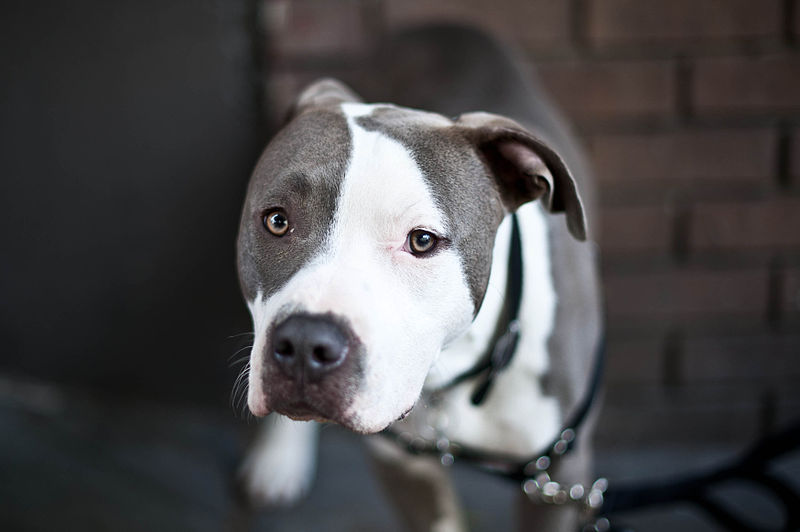
It's important to note that it's recommended to restrain the development of aggression in animals toward humans. Such behavior will soon make a pit bull terrier dangerous to others. Furthermore, if it bites, it will be extremely painful and instinctively aimed at vital areas.
Engage your pet in various activities: outdoor games, sports training, and competitions. Regularly spending time with family members will help them forget their bad instincts.
With each training session, you need to add more physical exercises and gradually increase the intensity. If you don't provide an outlet for their boundless energy, they will direct it toward harming your home.
The American Pit Bull Terrier is very active and tireless, with a strong will and temperament, and an unwavering fighting spirit. They are often trained for competitive sports, where they show remarkable results. However, the breed's primary trait is gentleness and kindness, though this does not apply to strangers or hostile people, whom the Pit Bull Terrier will stop without a second thought. They are extremely devoted to their family and owner, and if necessary, will stand by them to the bitter end.
Maintenance and care
The American Pit Bull Terrier is suitable for apartment living and will do well in the yard, but in cold weather, the dog will need to be brought from its kennel into the house. Grooming this breed is straightforward. Bathe them infrequently, brush them occasionally with a special brush or glove, and clean their ears and trim their nails as needed. Pit Bull Terriers get along well with any other pets, as long as they are not hostile. Difficulties can also arise if the pet is not trained properly.
The American Pit Bull Terrier thrives in an apartment or private home, but not outdoors. The most important things for them are constant interaction, including with other dogs, and sufficient physical activity. They are not low-maintenance when it comes to grooming. Their strong nails usually wear down on their own and rarely need trimming.
Diet and health
Pit Bull Terriers are not picky eaters and will happily eat homemade or prepared food. It's important not to overfeed them; ideally, they should be fed 2-3 meals a day, and their food shouldn't be too hot or too cold. Overall, the breed is quite robust and has virtually no hereditary health issues, though they are prone to hip and elbow dysplasia, cataracts, and a few cases of congenital heart defects have been reported.
Life expectancy up to 18 years.
Photos
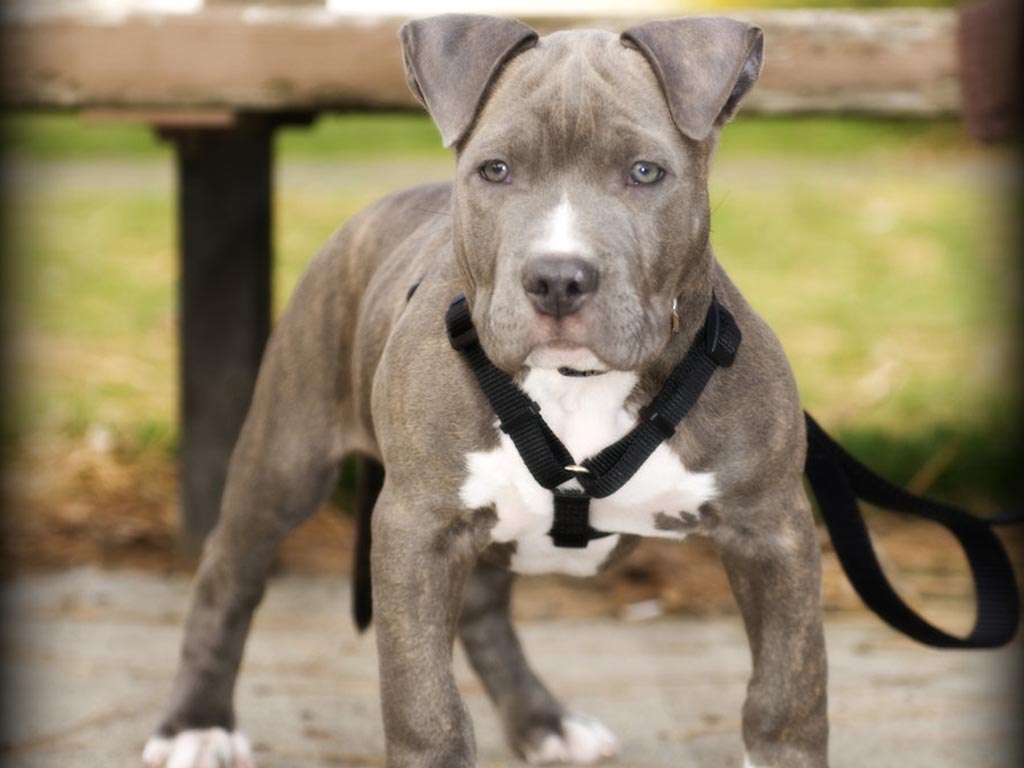
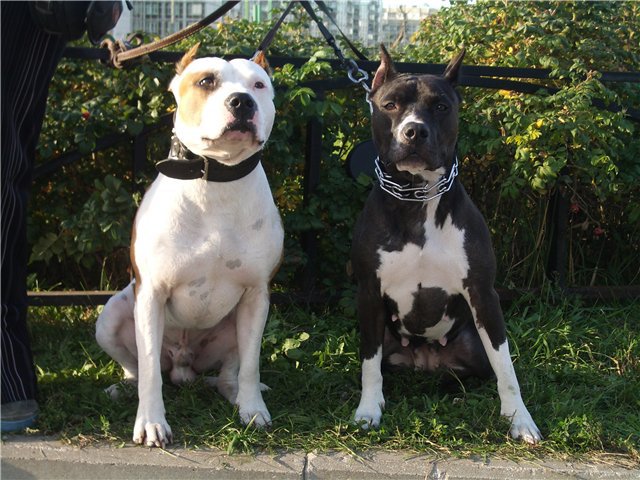
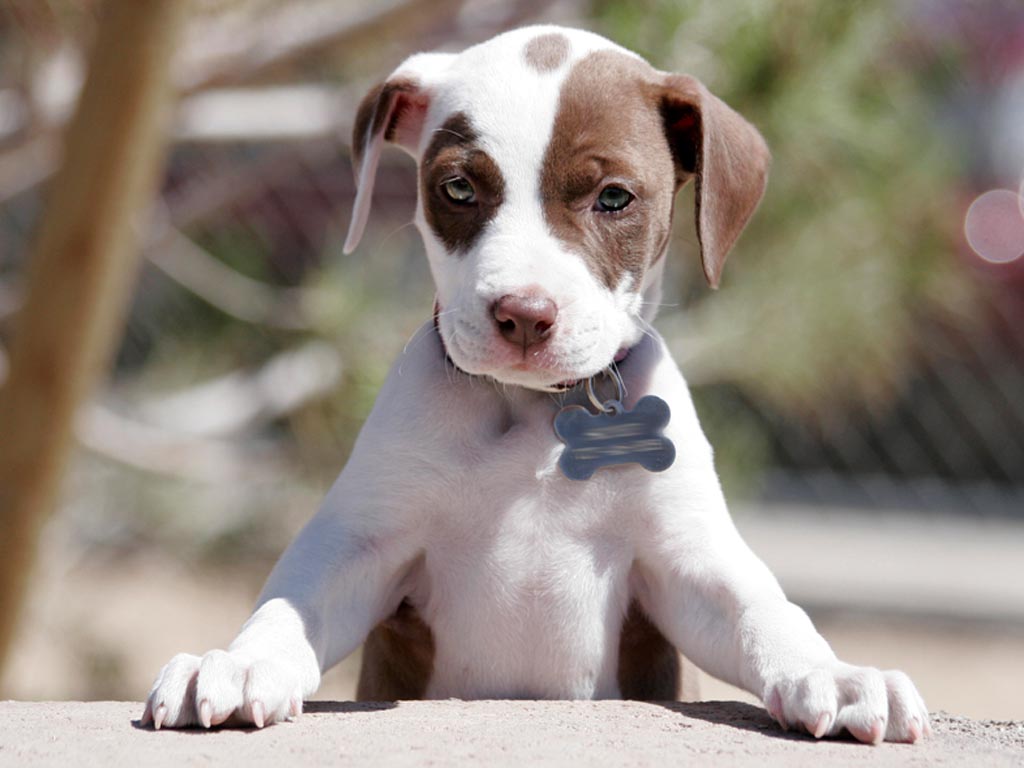
American Pit Bull Terrier Photos:
Read also:


Add a comment