
Pitbull (American Pit Bull Terrier)
The Pit Bull is an American fighting dog breed with English roots and a rich history. For a long time, these dogs were bred exclusively for victory in blood sports, leading many to perceive them as aggressive and unruly. Today, they are more versatile and athletic. Pit Bulls are renowned for their strength, fearlessness, and confidence. They are indeed difficult to train, but in the hands of an experienced, strong-willed owner, they will become reliable and devoted companions.
Content
History of origin
Pit bulls have a rich history, spanning over 300 years. Bulldogs and terriers were first actively crossbred in Great Britain for fighting purposes. The exact breeds involved in this breeding process are a topic of much debate, but it appears they differed from region to region. Colonists from the Old World brought these dogs to America, where they found a new home. The name "American Pit Bull Terrier" came into common use in 1898; before that, the dogs were known as pit dogs, bulldogs, or pit terriers.
In America, the breed has always been loved, and deservedly so. However, after dog fighting was banned, those seeking to profit from the illegal sport continued to use primarily pit bulls. As a result, the media launched a campaign that escalated into a "witch war" that engulfed the country. Dark times descended on the breed. Fortunately, common sense prevailed, and people realized that in cases of dog attacks on people, only the owner, whom the animal was trying to please, could be blamed. The breed's tarnished reputation has begun to slowly recover, but in a number of countries, including some US states, the distribution and ownership of pit bulls is still subject to severe restrictions.
History of Pit Bull Registration
The studbook of American Pit Bull Terriers has been maintained by the United Kennel Club (UKC) since 1898. This association, founded by breeder Shawncy Z. Bennett, was intended to become the primary registry for working dogs, including fighting dogs, and was conceived as an alternative to the only other organization in existence at the time, the American Kennel Club (AKC), which was more interested in breeding for appearance. Bennett gave the breed its official name, the American Pit Bull Terrier, and the first pit bull registered in the book was his male, Ring.
Bennett's idea of a unified pit bull registry proved difficult to implement; many were reluctant to disclose their dogs' origins. The UKC then proposed standardizing dog fighting procedures and involving official referees. But this, too, failed to significantly expand the pit bull population. It was decided to also invite hunting dogs for registration.
Almost 40 years after the UKC began registering pit bulls, several breeders who wanted to avoid contact with fighting appealed to the American Kennel Club (AKC) to register the breed. The association agreed to open studbooks for the APBT, but only on the condition that the name be changed. Thus, in 1936, the AKC recognized pit bulls as Staffordshire Terriers. Since then, there have always been dogs with dual registration in the UKC as pit bulls and in the AKC as Amstaffs.
In 1909, the American Dog Breeders Association (ADBA) was also founded under the leadership of Guy McCordia and his friend John P. Colby. The association was created for breeders specializing in dog fighting, but after the ban on dog fighting in 1976, many breeders remained and continued to register their litters with the ADBA.
Thus, the UKC and ADBA are the main organizations registering pit bulls.
Video review of the American Pit Bull Terrier (Pitbull) dog breed:
Pitbull appearance and standards
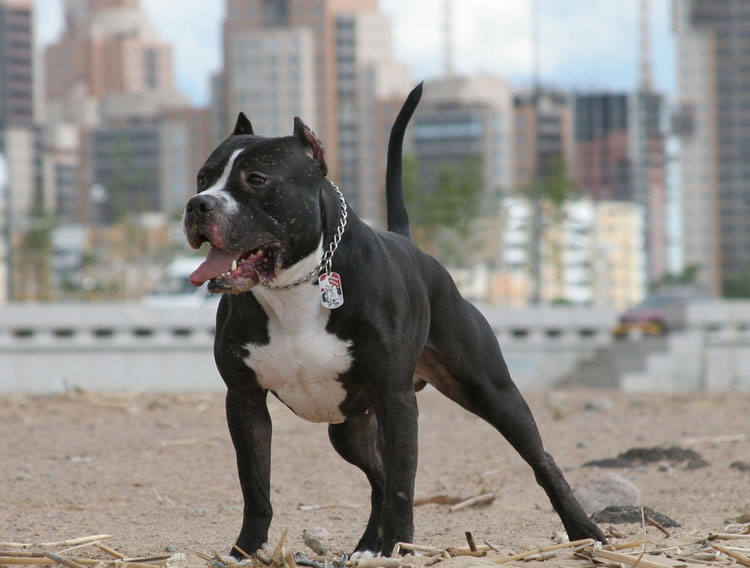
The American Pit Bull Terrier is a powerful, athletic, medium-sized dog with smooth, well-developed muscles. The preferred weight is 16-28 kg for males and 14-23 kg for females. However, for a Pit Bull, it's not the exact weight that matters, but rather the correct body proportions and good condition.
The Pit Bull is still not recognized by the International Cynological Association (FCI), but breed standards exist, developed independently by the two organizations responsible for pit bull registration: the ADBA and the UKC. It's worth noting that the standards reflect different views of the breed. The ADBA prioritizes the dog's working purpose and temperament, which guides its conformation. The UKC standard also values character, but places less emphasis on physical attributes and working qualities.
Head and muzzle
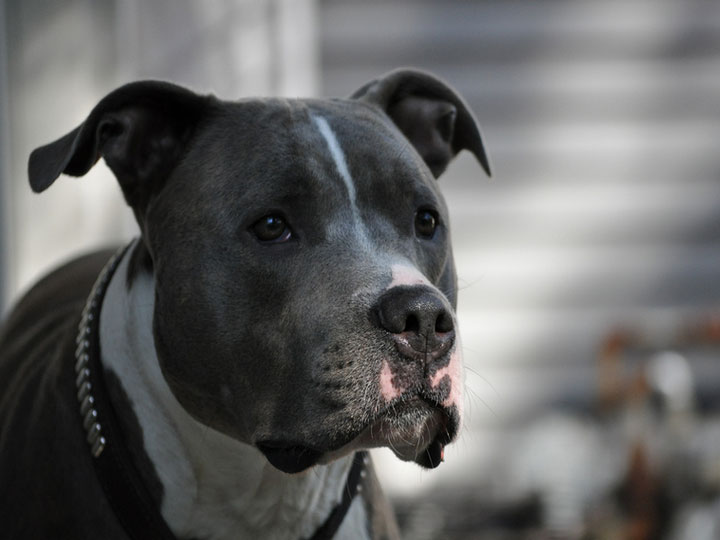
The Pit Bull's unique head is considered a key element, lending a sense of strength to the dog's appearance without being disproportionate. The head is broad and large; viewed from the front, it takes the shape of a blunt, wide wedge. Viewed from the side, the topline of the skull and muzzle are parallel and connected by a moderate stop.
The muzzle is broad, tapering slightly toward the nose. The jaw is broad and deep. The lips are tight. The nose is large, with wide-open nostrils. Pigmentation may vary. The teeth are complete and properly aligned. The eyes are medium in size, round or almond-shaped, and set wide apart. Any color is acceptable except blue and heterochromia. The ears are set high and may be cropped. Uncropped ears should be semi-erect, folded like a rose. The neck is medium in length, with a slight arch at the withers.
Frame
The body length is slightly longer than the height; females can be even more elongated. The length of the forelegs is approximately 1/2 the height. The chest is broad, but the width should not exceed the length. The back is strong and firm. The topline slopes slightly from the withers to a level, broad back. The loin is slightly arched, and the croup is moderately sloping. The legs are strong, muscular, and set fairly wide apart. The paws are round with arched toes. The tail is a natural extension of the topline, tapering smoothly to the tip. When relaxed, it is carried low and reaches the hock. When moving, it is raised above the topline; when excited, it can be raised, but should not curl over the back.
Coat and colors
The coat is short, dense, and shiny; the hair is smooth and moderately harsh to the touch; there is no undercoat. Color: Any shade or combination except merle.
The merle (marbled) coloring appeared in the breed many years ago as a result of crossbreeding with other breeds, such as the Leopard Dog. This crossbreeding was intended to improve traits, but ultimately resulted in pit bulls suffering from a host of problems. The coloring is prohibited in the breed because the presence of merle alleles is associated with a risk of developing a number of ophthalmological and ear diseases, as well as psychological, neurological, immunological, and other health issues.
Character and psychological portrait
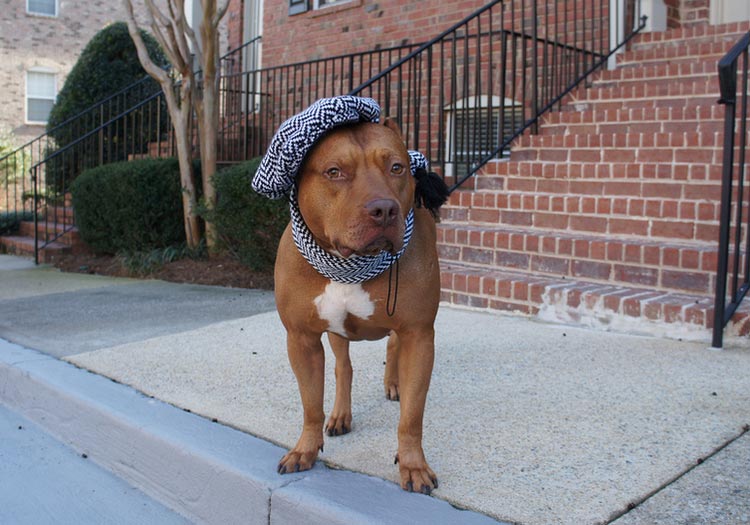
A pit bull's temperament is perhaps the most important aspect of the breed. The standard states that the dog's essential characteristics are self-confidence, strength, and zest for life. Indeed, pit bulls move with a lively and playful demeanor, with a confident posture, and their entire demeanor expresses a readiness for new and exciting adventures. Pit bulls are interested in what's going on and are friendly, and should never exhibit fear or aggression toward humans.
Modern trends in pit bull breeding and sales promote this breed not as an athlete or fighter, but as a companion, nanny, and caregiver. However, the American Pit Bull Terrier is not one of these. This is not a soft, plush toy, the maintenance of which can be compared to that of a toy dog. The Pit Bull is a fighter, capable of persevering through any challenge, despite physical fatigue or injury. A dog that loves to win, enduring, courageous, strong, and intelligent. These are the qualities a modern American Pit Bull Terrier should possess; they have been carefully honed by breeders over many generations. The distinctive trait that makes a Pit Bull a Pit Bull is self-confidence. A moment later, he might be dozing peacefully in his owner's lap and attacking a bear or lion with complete abandon.
For many years, breeders considered the main breed characteristic to be so-called "gameness," the ability and readiness to fight. Aggression toward humans has always been unacceptable and a disqualifying factor. Aggression toward other dogs is in the APBT's blood. Pit bulls must be socialized and trained sufficiently to be comfortable in animal parks and especially at crowded shows.
It's fair to say that a pit bull's personality is largely shaped by its owner and the environment in which the puppy grows, which is why so many opinions about their temperament are so prevalent. Of course, breeders also play a significant role, selecting dogs with specific characteristics, particularly temperament. Some adhere more to the ADBA standard, while others believe that pit bulls are destined to become family dogs.
If you need a gentle, reliable and friendly dog that can become a family pet, a friend for children, then the APBT is not the best option, unlike American Staffordshire Terrier.
Education and training
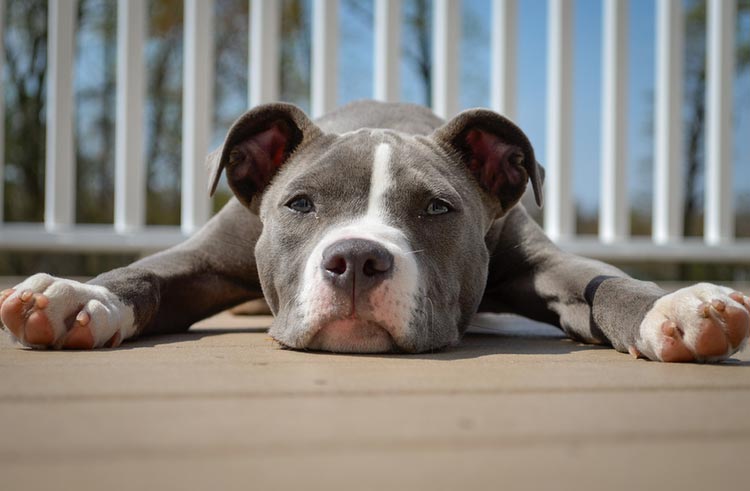
Training a dog with a dominant temperament and a strong desire for independence is a daily, thoughtful process that requires patience, persistence, and determination. The puppy must learn what is rewarded and what is punished, and learn forever that humans are the most important members of the pack.
Pit bulls are quite trainable; they quickly learn commands, but they can have problems following them. The owner must maintain close contact with the dog, but there should be no aggression or cruelty. Training emphasizes the dog's playfulness, curiosity, and desire to please. It is recommended to take a UGS course or OKD Excellent, other skills at the owner's discretion.
Purpose and use of pit bulls
Since pit bulls have long since ceased to be officially used as fighting dogs, and the breed is designed for working, other uses have had to be found for them. They are actively used in various sports. In some countries, they can be found serving in law enforcement agencies. Most often, pit bulls are used to search for drugs and explosives. In the United States, many people hunt wild boar with pit bulls. The dogs work in teams and are capable of tracking and detaining the animal before the hunter arrives.
Physical activity and sports
Pit Bull Terriers are very active and mobile, they require increased physical activity and plenty of exercise to help keep their muscles toned and maintain a healthy body weight.
Pit bulls successfully participate in a wide variety of sports, demonstrating endurance, speed, and incredible passion in each. Dogs participate in agility and frisbee, but undoubtedly the most interesting sports for them are weight pulling (a dog pulling a heavy weight), canicross (a team run tethered to its owner over rough or straight terrain), and, of course, the Pit Bull Show Weight Pulling (Pit Bull Multiathlon)—a competition that consists of six disciplines: high jump without support, hanging from a hold, tug-of-war, high jump on a vertical wall, speed running while pulling a weight on an inflatable tube, and long jump.
Pit bull show weight pulling competitions:
Maintenance and care
Pit bulls are not suited for year-round outdoor living, but they are perfect for apartments thanks to their medium size and short coat. On some forums, you can find owners who keep their pit bulls in kennels with insulated kennels both winter and summer. This isn't the best option for a dog, considering that in severe frosts, even on walks, pit bulls can sometimes get cold, so many people dress them appropriately for the weather.
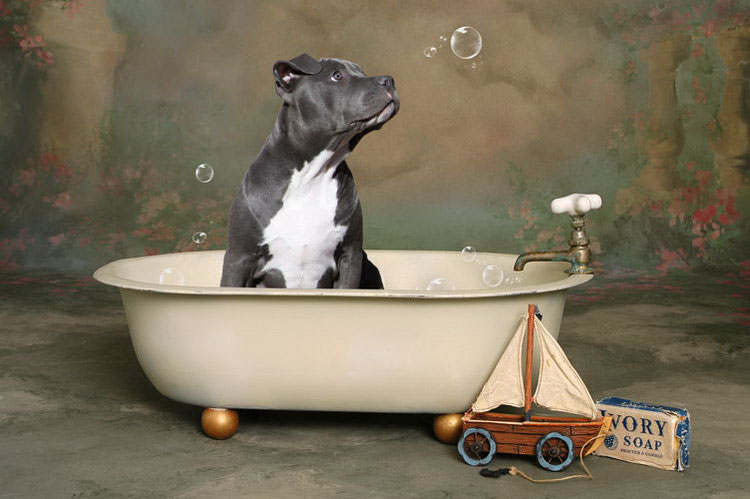
Grooming is simple; shedding is moderate, most pronounced in the off-season. Brushing with a brush or a special mitt for short-haired dogs is recommended once a week. After a walk in dirty weather, the coat can be wiped with a damp cloth. Bathing is recommended no more than once every two months. Shampoos for short-haired breeds are recommended.
Ears should be regularly inspected for debris and cleaned as needed. Eyes should also be kept clean, removing accumulated secretions from the corners. Your dog's nails won't need trimming if they wear them down on their own during walks. Otherwise, trim them with appropriately sized scissors. To prevent plaque and tartar buildup, you can brush your dog's teeth with toothpaste once or twice a week or provide them with special toys and treats that help clean their enamel.
Diet
Active and energetic pit bulls are big food lovers, and given their developed muscle mass, their diet should contain increased amounts of protein, nutrients, vitamins, and minerals. There is no need to overfeed the dog; pit bulls are prone to obesity, especially those that do not exercise and are limited to walks near the house.
Your dog needs a high-quality, balanced diet, which can consist of both natural foods and prepared foods. It's best to feed at the same time every day, strictly adhering to servingsAvoid feeding immediately after or before a walk. Drinking water should always be freely available, regardless of diet.
Health and life expectancy
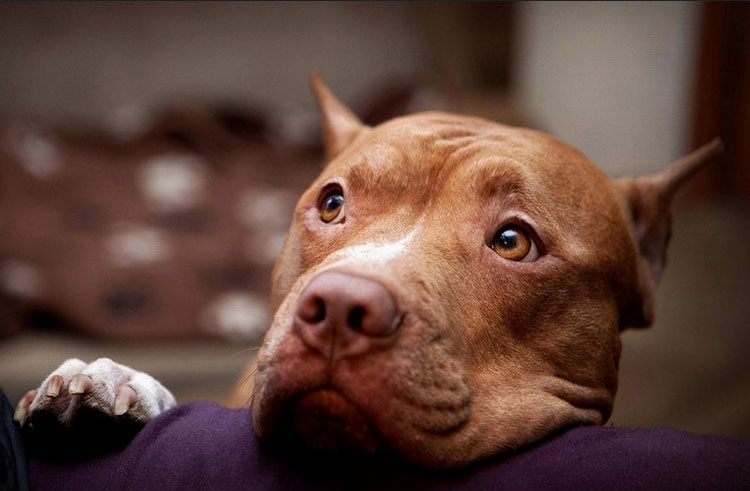
Representatives of the breed are generally distinguished by good health, they are strong and hardy, and their life expectancy is usually 10-12 years.
The main preventative measures are routine vaccination, deworming, treatment for external parasites and regular medical examinations.
A number of genetic diseases are identified in the breed:
- Hip dysplasia;
- Bloating and torsion of the stomach and intestines;
- Heart diseases (most often, subaortic stenosis, valve malformations, and heart rhythm disturbances are recorded);
- Cataract;
- Cutaneous hemangioma and histiocytoma;
- Hypothyroidism;
- Von Willebrand disease;
- With age, the development of tumor diseases, including malignant ones, is possible;
- The breed is prone to various types of allergies.
Choosing a puppy and price
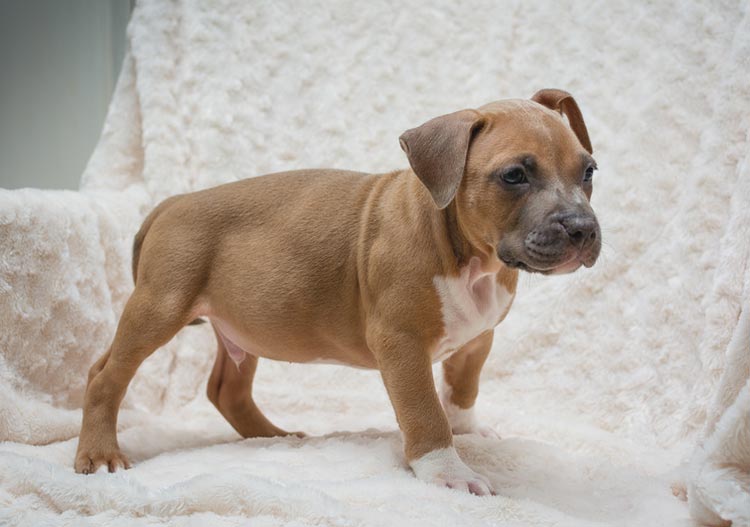
Those considering getting a pit bull should understand that a pedigree is a guarantee of the breed, and a breed, in turn, is a guarantee of conformity to a certain standard not only in appearance but also in behavior and temperament. This is why it's best to purchase a puppy from a reputable breeder.
Experienced breeders carefully select pairs, monitor the health of their breeding stock, and take a responsible approach to raising their puppies. Of course, the price of such puppies will be significantly higher than that of a hobby breeder or an ordinary owner of a purebred dog who decides to breed their dog "for health," but in this case, the savings may be unjustified.
Puppies without papers are a risk! Pit bulls used for breeding must undergo a breeding inspection, a social adaptation test, and a T1 psychological test. And, as the saying goes, like any other dog, like any other...
The goal of any breeder is to produce not couch potatoes with exclusive colors, but full-bodied, energetic, lively, and spirited animals with excellent health, a strong psyche, and capable of any work. Potential owners, in turn, must be fully aware of the type of dog they are getting.
And the final key question: how much does a pit bull cost? Because the breed is quite common, prices vary widely. Breeders typically sell their puppies for 35,000-40,000 rubles. However, some litters from elite breeders can cost significantly more. A puppy without papers can be purchased relatively inexpensively online or at a pet market.
Photos
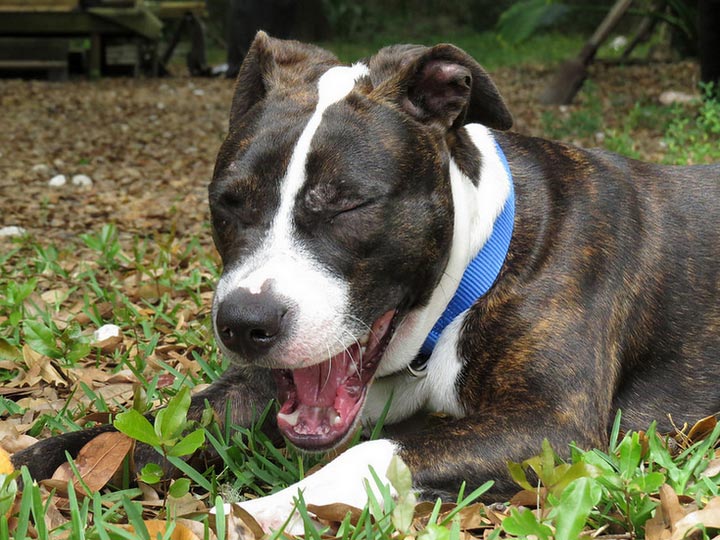
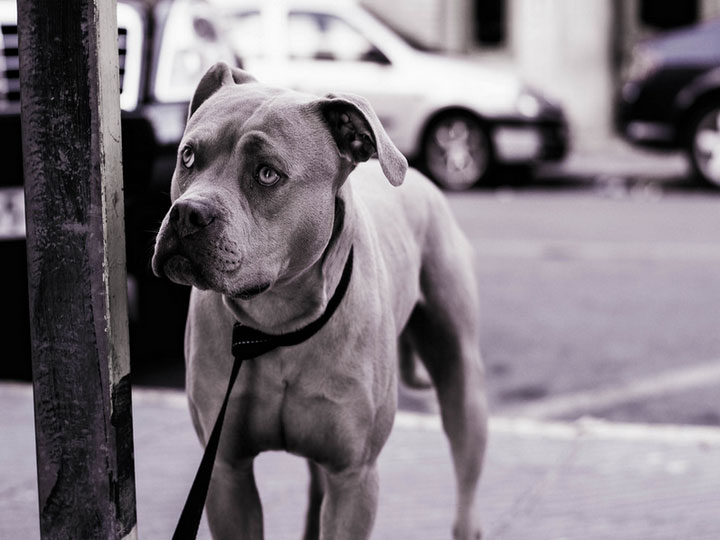
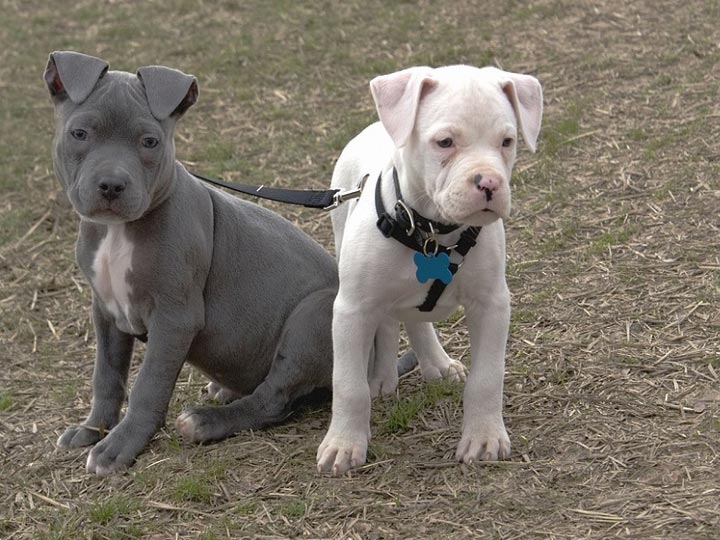
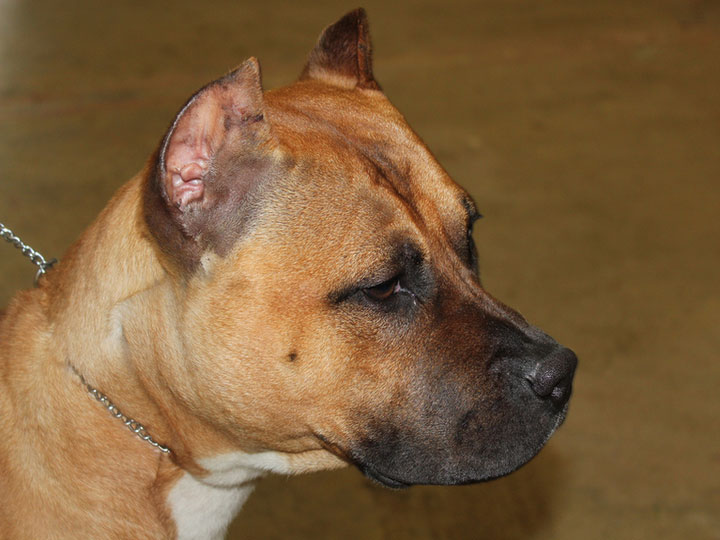
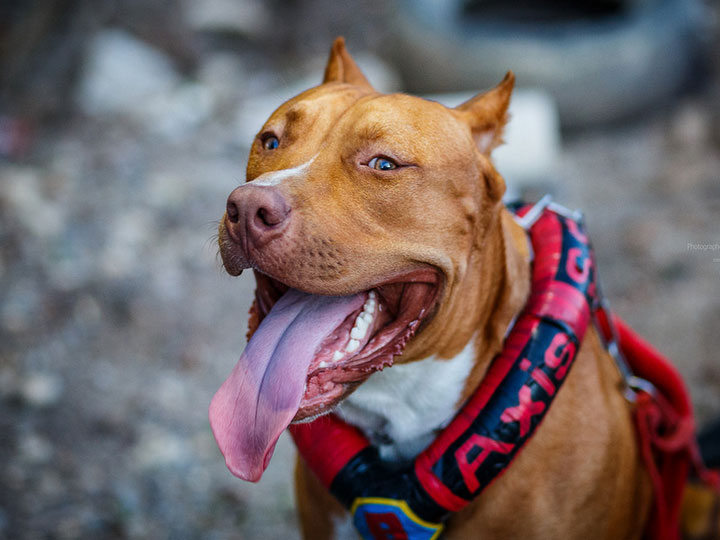
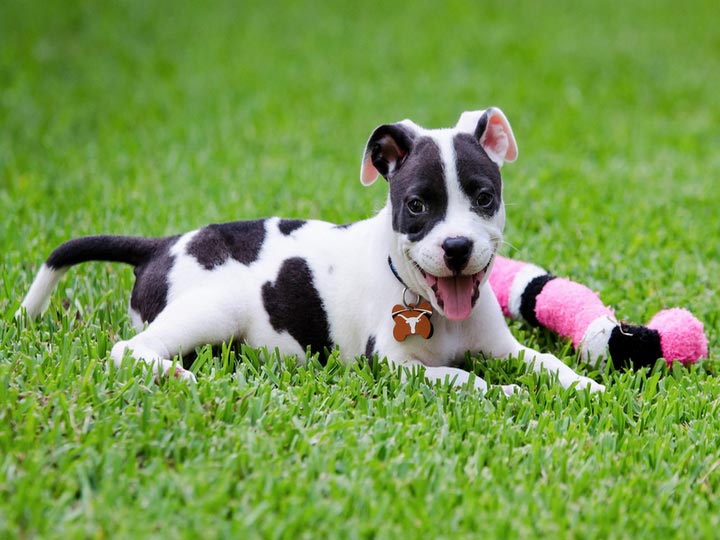
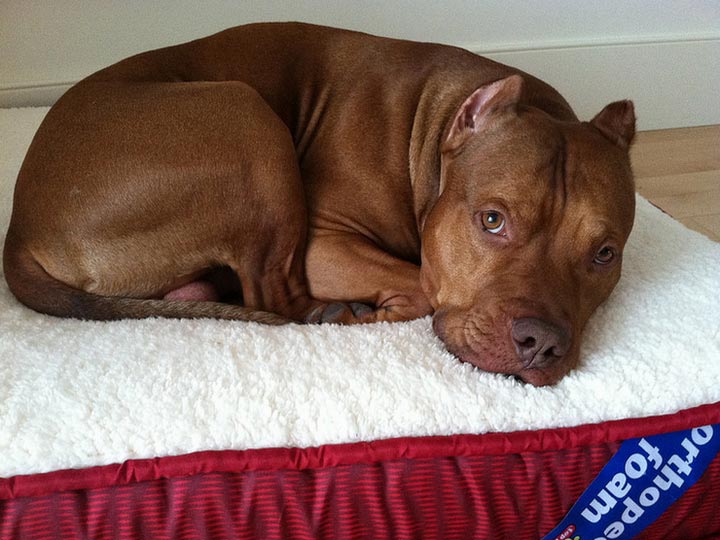
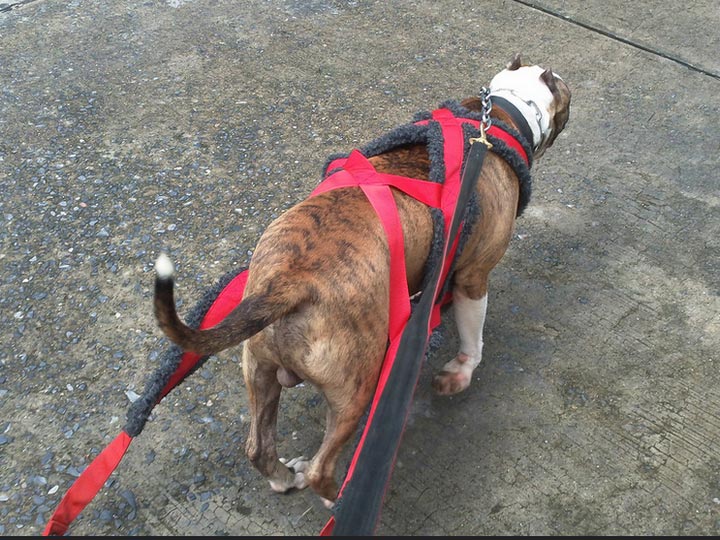
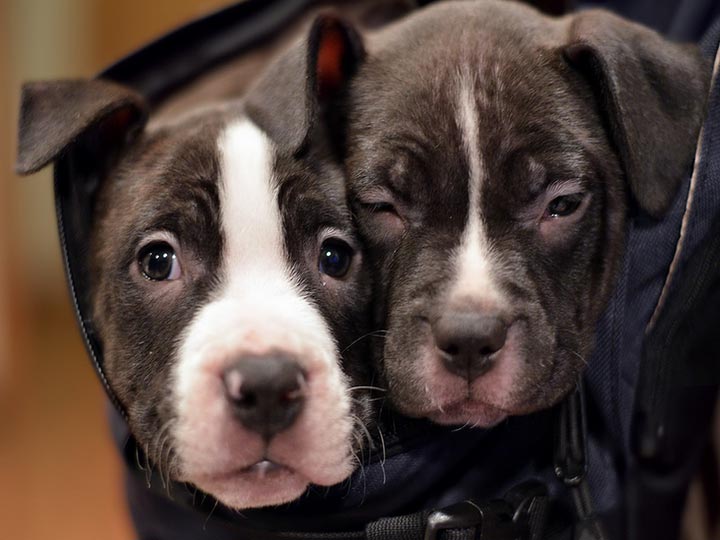
Photos of American Pit Bull Terrier (Pitbull) puppies and adult dogs of various types and colors:
Read also:


Add a comment