
Piroplasmosis in dogs (babesiosis)
Piroplasmosis is a severe parasitic disease transmitted by ticks and poses a danger to both dogs and cats. At the first sign of deterioration in your pet's health, consult a veterinarian immediately, as delays can lead to serious complications.
Content
Reasons
The disease is transmitted hematogenously through a tick bite. Intracellular parasites called Babesia (piroplasms) enter the pet's body through the wound. They quickly spread through the blood and multiply in healthy erythrocytes (red blood cells). As a result, intoxication and oxygen starvation develop, and internal organ function is disrupted.
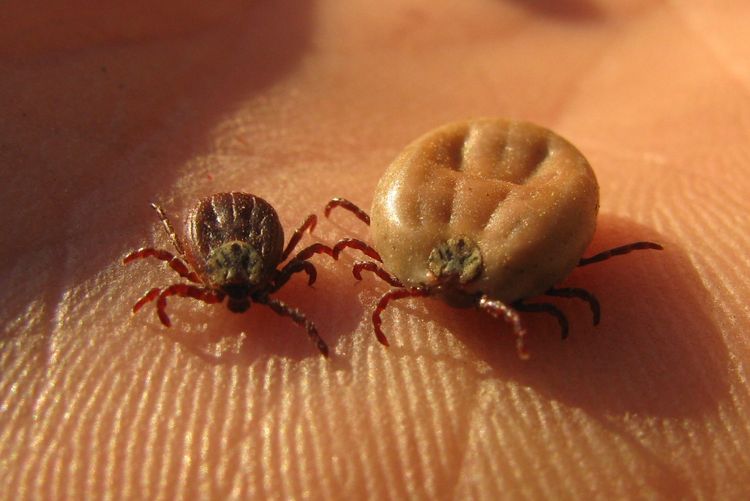
Piroplasmosis affects dogs of all breeds and ages. However, in most cases, the disease is diagnosed in young animals under three years of age. Infection most often occurs during the warmer months (spring and summer).
Symptoms of piroplasmosis
During the first 7 days after infection, symptoms are usually absent. This is the incubation period. Later, characteristic signs appear:
- poor appetite or lack of appetite;
- weakness;
- rapid fatigue;
- apathy;
- drowsiness;
- vomit;
- increased heart rate;
- dyspnea;
- weight loss;
- increase in temperature;
- paleness or yellowing of the mucous membranes (occurs due to the destruction of red blood cells);
- urine discoloration to brown or red;
- gastrointestinal tract disorders (diarrhea);
- anemia.
If the disease is not detected promptly and appropriate treatment is not prescribed, the animal's condition will worsen. The following pathological conditions develop:
- difficulty breathing;
- slowing of the pulse;
- bile duct obstruction;
- intestinal atony;
- paralysis;
- central nervous system damage;
- pulmonary edema.
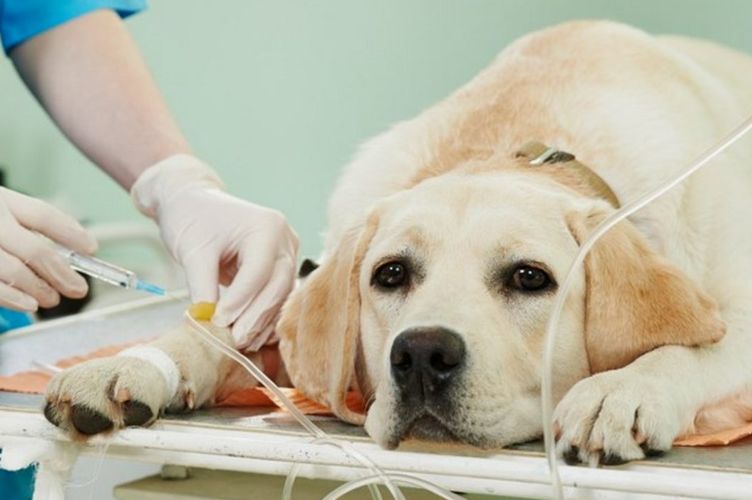
If piroplasms multiply rapidly, the animal may become lethargic. If left untreated, there is a risk of death.
It's important to note that piroplasmosis is a rapidly progressing disease. It's crucial to act quickly upon detecting the first signs of the condition and seek medical attention promptly.
Complications
Without proper treatment, massive red blood cell death occurs. Dogs can develop serious complications. These include:
- acute liver failure;
- renal failure;
- pancreatic insufficiency;
- splenitis (inflammation of the spleen).
Diagnostics
Before starting treatment, diagnostic tests must be performed to confirm the diagnosis. First, the veterinarian interviews the owner and examines the dog for skin lesions caused by the tick bite. Next, they order clinical and biochemical blood tests to assess the pet's condition.
Laboratory signs of piroplasmosis:
- decreased hematocrit;
- increase in globulins;
- increased bilirubin and ALT;
- platelets and leukocytes are within normal limits.
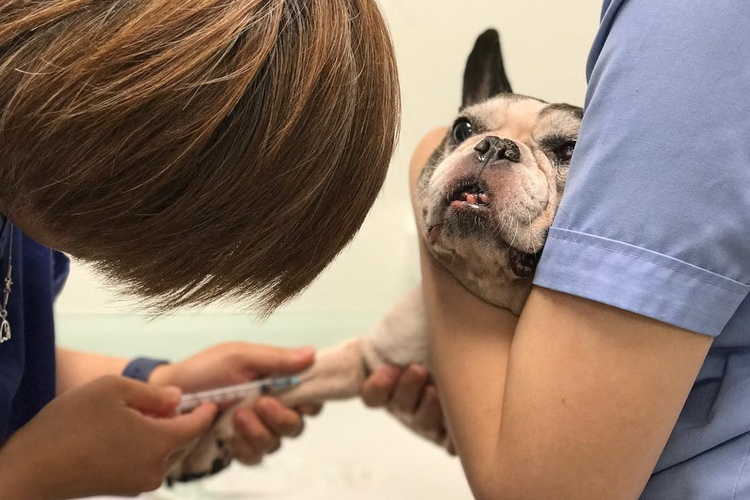
The disease can be detected by microscopic examination of a blood smear. The presence of parasites is indicated by paired pear-shaped formations within red blood cells. Blood is drawn from a vein and stained using the Romanovsky-Wright method. PCR testing can also be used to diagnose the disease.
Treatment
Therapy is aimed at destroying the pathogen and relieving intoxication. Antiprotozoal drugs are used to treat piroplasmosis. In most cases, veterinarians prescribe Primaquine Phosphate (tablets or intramuscular injections). This reduces the number of parasites and stops them from reproducing. This medication must be used with caution, as it is quite toxic. The lethal dose of Primaquine Phosphate is only twice the therapeutic dose.
Puppies have a difficult time tolerating this medication. They often experience increased anemia and vomiting attacks occur. A blood transfusion is necessary to provide assistance.
Another frequently prescribed medication is Doxycycline. The recommended dosage is 5-10 mg/kg of body weight for three weeks. Contraindications include pregnancy and lactation.
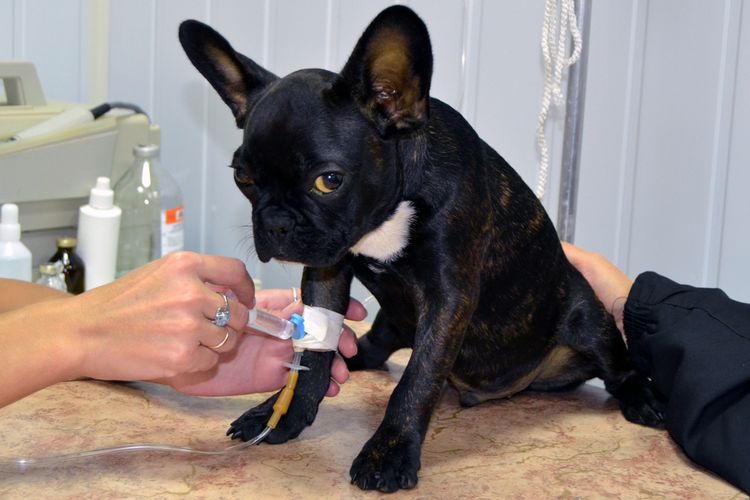
To relieve intoxication and reduce temperature, IV drips are used.
Symptomatic therapy:
- erythropoiesis stimulants (to enhance the production of red blood cells);
- hepatoprotectors (to maintain normal liver function);
- immunomodulators;
- drugs to normalize cardiac activity.
Veterinarians often prescribe Gamavit for dogsThis medication helps improve blood condition and reduce toxins. The dosage depends on the animal's weight and the severity of the disease.
To restore your pet's health, ensure their nutrition is focused on rebuilding their immune system. Recommendations:
- The diet should contain a large amount of fats and proteins.
- It is better to give food in pureed form, and dry food should be soaked first.
- Completely eliminate foods that promote fermentation.
- Increase your daily fluid intake. This has a diuretic effect and helps you detox more quickly.
- Add a vitamin and mineral complex.
Forecast
Piroplasmosis is characterized by a severe course. Treatment results and prognosis depend on the dog's body and its immune system. Younger, stronger animals always recover much faster.
How to care for a dog with piroplasmosis
During illness, a pet requires increased attention from its owner. The dog's body experiences significant stress during this period, so the owner's primary goal is to create a calm and comfortable environment conducive to a rapid recovery. It's important to remember that after a tick bite and the detection of babesiosis (piroplasmosis), treatment can be lengthy and require patience.
During treatment, dogs are often prescribed intramuscular and intravenous medications. If the owner is not skilled in administering injections or IVs, it is necessary to arrange home visits with a veterinarian in advance. Otherwise, daily visits to the veterinary clinic will be necessary.
At home, monitor your pet's physical activity. Walks should be more frequent, but their duration should be limited to 10–15 minutes. It's also important to avoid contact with other animals, as a weakened body becomes more vulnerable to viral infections.
A key aspect of care during treatment for babesiosis (piroplasmosis) is a therapeutic diet. This is necessary to reduce the burden on the gastrointestinal tract and liver, as well as to provide the body with the resources necessary for recovery. Basic nutritional principles include:
-
feeding in small portions, but with increased frequency;
-
use of ready-made rations with increased caloric content, which can be pre-soaked if necessary;
-
serving food at room temperature.
The diet is also adjusted based on any complications caused by the disease. For example, if diarrhea is present, the diet is supplemented with foods or medications that help restore intestinal microflora. If kidney dysfunction is detected, it is especially important to select a diet with an optimal balance of nutrients.
Prevention
There is no specific prevention against this disease. The owner can only try to prevent tick bites. If the pet goes outside, its fur should be treated with acaricidal agents (drops, sprays). Another option is to wear a special antiparasitic collarAfter each walk, carefully inspect your dog's skin. If a tick is found, remove it immediately and monitor the dog's condition for several weeks.
Read also:
- How to protect your dog from ticks
- Why are ticks dangerous for dogs?
- Ticks in dogs: remedies and treatment


6 comments
LARISA
DEAR TATYANA!
THANK YOU SO MUCH FOR THE EXCELLENT PROFESSIONAL ARTICLES.
YOU WERE A LOT OF HELP!
GOOD HEALTH AND GREAT SUCCESS TO YOU!!!
Irina
Beaphar tick drops. We applied them to the withers, chest, groin, and armpits. The next day, a tick attached itself, resulting in piroplasmosis. The dog is in serious condition.
Andrey
Good afternoon, please help, we have a large hound, he is 1.5 years old, he stopped eating, completely refused. We went to the veterinary clinic, took a blood test, it was confirmed, babeliosis, we were given an injection of pirotop and prescribed drops of Ringer sriboxin, Vetam, Calotte vitamins, 4 days after the IVs and injections, he did not get better, we went again, to the lab, the diagnostics are the same, they said the form is chronic, they gave another injection of pirotop, after 3 days he started to eat a little, but not much, the next day, there was no appetite again, they prescribed neozedin M, they gave an injection, for a week now he has not eaten, and the test confirmed 17% of these babesia in the blood. Please help, after all, he is a smart good dog.
Dasha is a veterinarian
Hello! Why were the Pirostop injections given four days apart? They should have been given twice, two days apart. The IVs should be with plasma expanders (at least 150-200 ml of rheosorbilact)! Add organ support medications (kanefron, carsil, essentiale, cordiamine, microvitamin, nucleopeptide, urotropin), and you can also add dexamethasone to speed up the body's recovery. Pirostop itself affects the liver and kidneys, and protozoa can also damage these organs, so giving them support is essential!
Andrey
Hello, we're giving him shots with a difference because we didn't know we needed to give him shots like that. We put our trust in the doctors, but they're doing nothing. Please tell us what to do now, how to save him. What should we do now?
lera5
Last year, we got piroplasmosis from a collar and spray!!! So draw your own conclusions. According to calculations, 17-20 days passed after treatment. Treatments shouldn't be done more often than once a month. Well, at least every four weeks, but no more often. The vet told us that most dogs get ticks after collars and sprays. So after that incident, we switched to Vectra 3D drops, and they were completely satisfactory. There was no reaction to them, they tolerated the treatment well, and there were no changes in behavior. So, we continued using them. But I still check them after every walk, and nothing!
Add a comment