
Piroplasmosis in cats: symptoms and treatment
Piroplasmosis is a dangerous disease caused by bacteria of the genus Babesia. Dogs are more susceptible to infection. The first case of piroplasmosis symptoms in cats was recorded in 2005. Siamese cats, which have weakened immune systems, are found to be more susceptible to the disease than other breeds. Without proper treatment, pets risk developing serious complications, which can be long-lasting and severe.
Content
Causes and route of infection
Piroplasmosis is a seasonal or "summer cottage" disease. Its onset typically occurs in April and its end in October. This timing is not accidental: the carrier of the disease is Ixodid tick, infected with piroplasm. When a tick bites an animal, intracellular Babesia parasites enter the animal's bloodstream. Initially, the Babesia parasites localize at the site of the tick bite, then actively spread through the bloodstream, infecting red blood cells. The death of the red blood cells leads to severe intoxication.
In animals sick with piroplasmosis, the level of erythrocytes is 2-3 times lower than in healthy individuals.
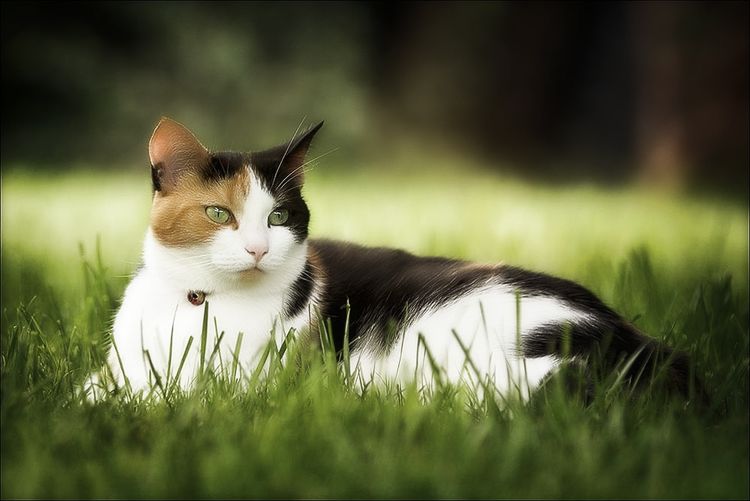
It's now well established that cats rarely contract piroplasmosis: about 10 cases have been recorded in Russia over the past 20 years. However, it's been scientifically proven that cats are attacked by the parasite Babesia felis. It's several times smaller than Babesia canis, the intracellular parasite that typically causes piroplasmosis in dogs.
Is it possible to become infected from a sick animal? Veterinarians don't rule out this possibility if the cat in contact with them has wounds on its skin. Infection can also be transmitted through blood transfusions.
Symptoms
It takes 1-3 weeks from infection to the first symptoms of babesia in cats. The "canonical" period is considered to be 10-12 days, but there have been cases where signs of the disease appear only several months after infection with babesia. Here, everything depends on the cat's immunity and the time of year.
Most often, the disease occurs in an acute form, which is characterized by the active manifestation of the following symptoms:
- rapid breathing, shortness of breath;
- yellowing of the whites of the eyes and mucous membranes (in some cases the skin may turn yellow);
- coloration of urine in a red or brown tint (development of hemoglobinuria);
- increase in body temperature to 41-42 degrees.
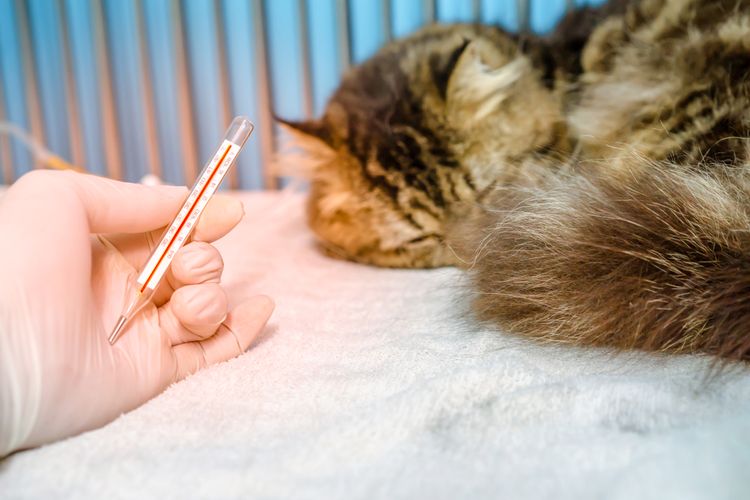
Decreased appetite and weakness are common symptoms of feline piroplasmosis. Some cats refuse food entirely from the very first days of infection, leading to rapid weight loss. Sometimes, an unsteady gait and hind limb paresis are also present.
Slow progression of piroplasmosis in cats is less common. Symptoms are mild and may not appear at all for some time. The only way to tell if something is wrong is by observing exhaustion.
Without veterinary assistance, the symptoms of piroplasmosis in cats will only worsen:
- The animal's heart rate will slow down.
- Intestinal peristalsis may slow down significantly, which will lead to constipation in cats.
- Due to severe intoxication, paralysis may occur.
In particularly severe cases, kidney, liver, and pancreatic failure, as well as inflammation of the spleen, are possible. If piroplasmosis progresses to a severe form and complications develop, recovery may be significantly delayed.
Piroplasmosis is a rapidly progressing disease that can result in the death of a pet within 3-4 days from the onset of the first symptoms of the acute form!
Diagnostics
Diagnosis of piroplasmosis in cats cannot be made based on clinical findings alone. The only accurate method for detecting babesia in an animal's blood is microscopic examination. A qualified specialist considers not only the presence of parasites in the blood sample but also characteristic changes in the blood cells:
- increased ALT and liver bilirubin;
- increase in globulins;
- decreased hematocrit.
Cats with weakened immune systems are considered more susceptible to piroplasmosis, so the owner must notify the veterinarian about any recent illnesses the pet has suffered.
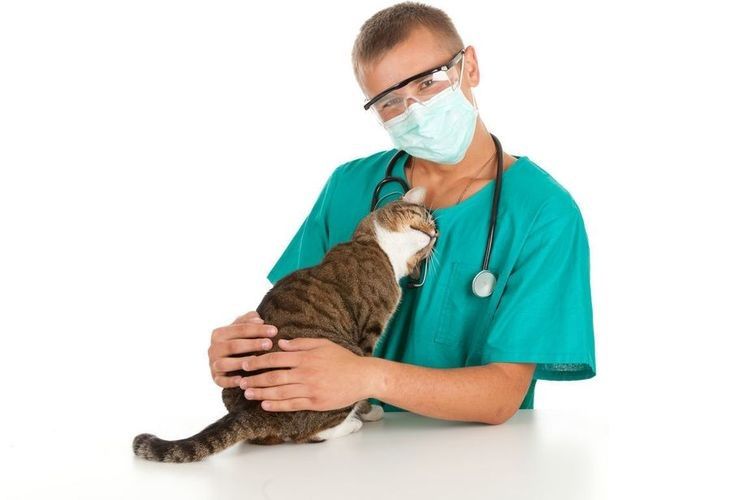
PCR is considered a clearly successful modern diagnostic method for the disease. A blood sample or mucosal swab is taken. The polymerase chain reaction (PCR) allows for the identification of the pathogen and clarification of additional test results (for example, a complete blood count, which reveals changes in the composition characteristic of the disease). Unfortunately, this method is quite expensive and is therefore rarely used.
If necessary, your veterinarian may recommend taking a urine sample for analysis.
Treatment
Treating feline piroplasmosis is a lengthy and complex process. Home treatment is strongly discouraged, as infected animals require constant specialist monitoring.
The first step for any pet owner who suspects symptoms of piroplasmosis is to consult a veterinarian. Before the consultation, it's advisable to take a number of measures to alleviate the pet's condition:
- ensuring complete rest (refusal of active games, protection from stress, etc.);
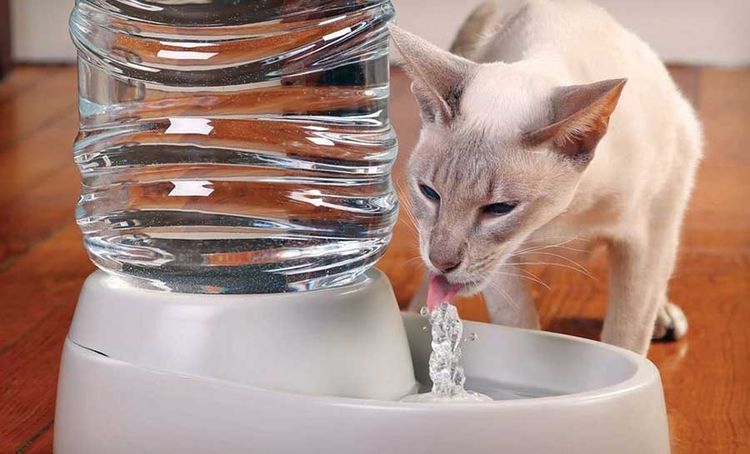
- unlimited access to water (the cat obviously won’t eat it, but it will definitely want to quench its thirst).
Treatment of piroplasmosis in cats is based on two points:
Destruction of the pathogen
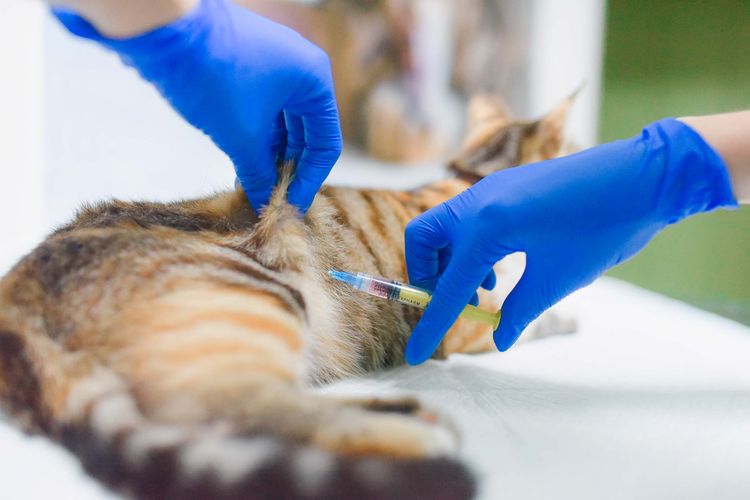
Antiparasitic medications are prescribed to treat the disease. Commonly used medications for babesia, administered intramuscularly or subcutaneously, include Imidosan, Piro-Stop, and Berenil. During treatment, a decrease in the number of parasites and a cessation of their reproduction are observed. A veterinarian may also recommend etiotropic injections, such as diamedin, deminazene, or deminofen. Injections are given 1-3 times at regular intervals. The cat should be monitored by a specialist for 15 minutes after the injection.
Each medication is used within the dosage strictly prescribed by the veterinarian. Exceeding this dosage is dangerous, as antiparasitic medications have a severe negative impact on the animal's kidneys and liver, as well as the body as a whole!
Treatment with antiparasitic drugs should be carried out strictly after confirmation of the diagnosis, when the risk of death of the animal from the disease outweighs the risk of side effects.
Intoxication and supportive therapy
To remove toxins from the body, veterinarians recommend intravenous drips. At the same time, animals are given symptomatic medications:
- erythropoiesis stimulants to enhance the production of red blood cells;
- cardioprotectors for heart health and hypertension prevention;
- hepatoprotectors to maintain and restore liver function;
- immunomodulators to maintain the body's defenses.
A common drug for boosting immunity, reducing the level of toxins in the body and improving blood condition – Gamavit for cats.
The dosage and duration of treatment are determined individually!
Throughout the treatment, the pet is provided with adequate hydration. As soon as it begins to show signs of recovery, it is switched to a therapeutic diet: boiled turkey and beef, blended. The food temperature should not fall below 35 degrees Celsius. Vitamin therapy is also administered.
Prevention
The basis of prevention is treating the animal with acaricides and avoiding tick bites. After walking the cat in an unfamiliar area, inspect its fur and skin!
There are vaccines against piroplasmosis, but their effectiveness remains unproven.
Read also:


Add a comment