
Piperazine for cats
Piperazine is a universal anthelmintic medication that can be used for humans, cats, and other animals. The medication is considered safe and effective, although it only targets roundworms. Like any medication, it has a number of limitations, so consult a veterinarian before use.
Content
General description
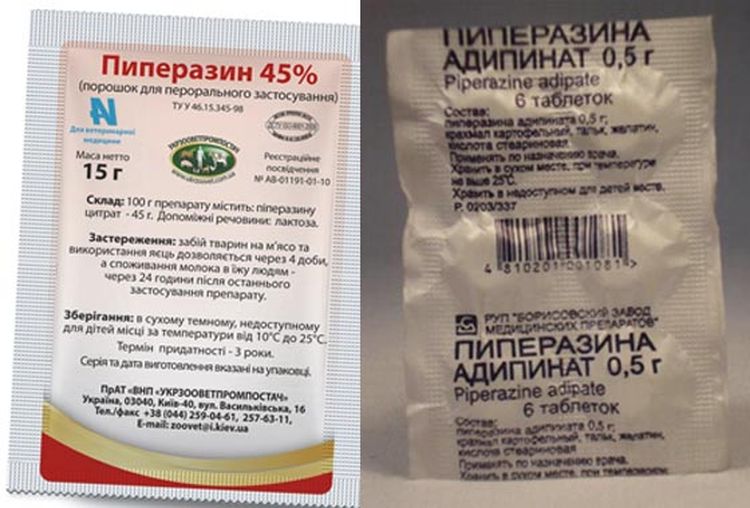
Piperazine is an anthelmintic medication containing the active ingredient of the same name. For animals, it is available as a white crystalline powder. It is packaged in polyethylene bags of varying capacities, from 2 to 150 grams. It is sold only in veterinary pharmacies. Due to the vast selection of broad-spectrum anthelmintics available today, demand for this medication is low, which is why it is often unavailable in pharmacies.
For humans, the medication is available as white tablets. They are packaged in blister packs or paper packages of 10 tablets. Each tablet contains 500 mg of the active ingredient. The tablets also contain calcium stearate and starch. These tablets are also used for animals, including cats.
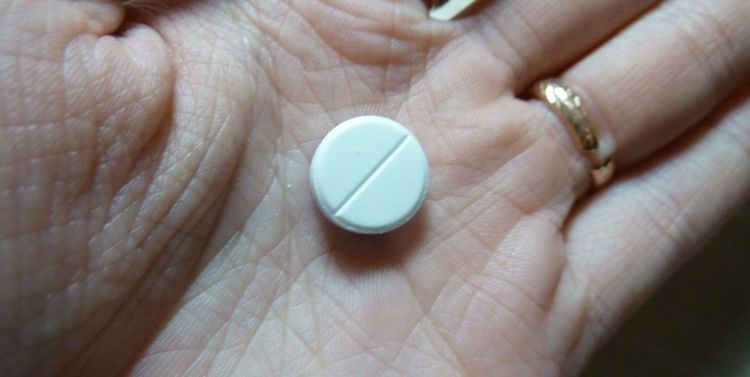
Store this medicine in a dry place protected from ultraviolet light. The temperature should be between 5 and 25 degrees Celsius. The shelf life is 3 years from the date of manufacture.
Please note! Piperazine can be given to cats, but only for therapeutic purposes and after the parasite species has been identified. For helminthic prevention, it's best to choose a broad-spectrum product that provides protection against both roundworms and tapeworms.
Operating principle
The anthelmintic is effective only against nematodes. It does not affect tapeworms. The drug is considered safe due to its unique mechanism of action. The medication does not kill the parasites, but rather paralyzes them by affecting the nervous system. Muscles lose the ability to move due to disruptions in nerve impulse transmission.
Since the parasites don't die, there's no risk of poisoning your pet. They don't release dangerous toxins that could negatively impact the liver and other organs. Paralyzed parasites exit your pet's body naturally, so there's no need to administer laxatives or enemas to flush out the intestines.
The drug is highly effective. Its bioavailability (absorption) is 90-95%. It also acts quickly. It is excreted in the urine. When taken at the recommended dose, Piperazine does not accumulate in the body, is nontoxic to the liver, and does not affect fetal development. However, consult a doctor before use.
When to apply?
Piperazine is used for cats with the following pathologies:
- with uncinariasis;
- for toxascariasis;
- with toxocariasis;
- with hookworm;
- with trichuriasis.
The drug can also be used to treat mixed infestations, but in this case a combination with other medications may be required.
It is better not to use the medication for prophylaxis due to its limited spectrum of action.
Application scheme and dosage
The instructions for Piperazine tablets are written for humans, so when using them in cats, it's important to strictly follow your veterinarian's recommendations. In most cases, a single dose is sufficient to completely eliminate parasites. Severe infestations may require a repeat dose after a period of time. A repeat dose may be needed after 1-3 weeks, depending on the severity of the infection and the risk of reinfection.
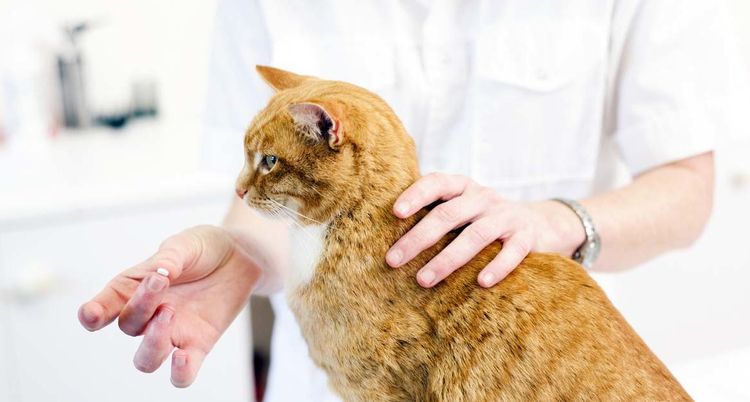
The Piperazine dosage for cats is calculated using a simple formula: 1 tablet per animal weighing 4-5 kg. For kittens, half a tablet is usually sufficient, although the exact dosage should be calculated by a doctor. If powder is used, 1 g of medication is required per 5 kg of body weight.
How to give?
Although the anthelmintic's effect is not dependent on food intake, it is best administered in the morning before feeding. It's best to feed the animal 30-40 minutes later. The medication can be administered in various ways:
- Crush the tablet into powder and mix it with a small amount of your pet's preferred food. Depending on their taste preferences, this could be canned food, minced meat, or other treats.
- Dissolve the crushed tablet in water. Give the prepared solution to your pet to drink. It's best to use a syringe without a needle or a bulb syringe with a soft tip for this purpose. This method works well for kittens and animals with poor appetites and refusal to eat.
- Force the pill onto the back of the tongue. This method is the most unpleasant for the animal, but it's the most effective, as the medication will be delivered in the correct dose. Make sure the cat swallows the pill and doesn't spit it out. To prevent scratching during the procedure, wrap your pet in a towel or blanket.
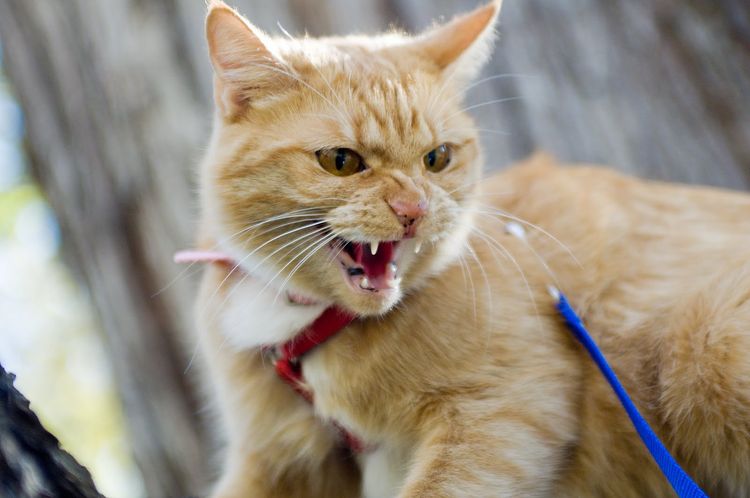
If the medication is added to food, the food should not be hot. High temperatures can reduce the medication's effectiveness. Read also: other helpful ways to give a pill to a cat on our website.
Existing limitations and side effects
Piperazine should not be given to cats in the following cases:
- in case of hypersensitivity and intolerance to the components;
- with reduced activity of the digestive system;
- up to 2 weeks of age.
If your pet has severe kidney or liver disease, it's best to avoid using anthelmintics. In some cases, their use is permitted under a doctor's supervision. In such cases, the specialist should monitor your pet's vital signs.
Piperazine can be given to pregnant and lactating cats, but only as prescribed by a doctor.
Please note! It is strictly forbidden to combine the use of this medication with other antihelminthic drugs, in particular with Pyrantel.
The anthelmintic may cause the following side effects:
- diarrhea;
- vomiting;
- impaired coordination of movements;
- tremor of the limbs.
If an animal is intolerant to any of the ingredients, there is a high risk of developing allergic reactions. These reactions can manifest differently depending on the individual pet, but most commonly include skin rashes, redness, and, less commonly, anaphylactic shock.
Advantages and disadvantages
Piperazine has several important advantages:
- It is highly effective. One dose is usually enough to worms completely left the animal's body.
- It is considered a universal anthelmintic and can be used for both humans and animals.
- Easy to dose. One tablet is required for a medium-sized adult cat.
- It can be used in a variety of ways—with water, with food, or on its own. Each owner can choose the best option based on their pet's needs.
- Suitable for cats of all breeds and ages. Can be used on kittens from 2 weeks of age.
Moreover, the medication is considered a budget-friendly option. A package of Piperazine (10 tablets) starts at 15 rubles. It can be purchased at almost any pharmacy. A doctor's prescription is not required.

The main drawback of the medication is that it only targets roundworms. Therefore, it is not suitable for prophylaxis. Side effects are also a drawback, although they are rare.
Owner reviews
Vadim, owner of a 4-year-old cat:
"To be honest, our family has been using Piperazine for cats for many years, but after the last incident, my attitude toward it changed significantly. When it was time for deworming, I gave him one tablet out of habit, but his reaction shocked me. Vaska started pacing the apartment like he was drunk, swaying from side to side, and then fell into a deep sleep. When he woke up, he lay next to his bowl, periodically lapping up the water. He recovered for several days. I will not use this medication again."
Lyudmila, owner of a Persian cat:
"When Jessica was diagnosed with worms, the vet prescribed a medication for 300 rubles. That was expensive for me, so I decided to look for an alternative. I settled on Piperazine. 10 tablets cost me 12 rubles. After taking the medication, the worms were gone on the second day. No side effects were observed. It's an excellent and inexpensive remedy."
Veterinarian Reviews
Leonid, a veterinarian with 6 years of experience:
"The product is inexpensive and, in principle, not bad, but I don't see the point in using it for cats and other pets. There's a huge selection of broad-spectrum anthelmintic medications available at a wide range of prices. Everyone can find an option, regardless of their budget. Moreover, they can be used for both treatment and prevention."
Anton, a veterinarian with 10 years of experience:
"Piperazine is a time-tested, effective treatment for roundworms. Frankly, I keep this medication in my medicine cabinet at home. We've used it on both children and cats when they were diagnosed with roundworms. The result: no worms. I don't recommend this medication to clients for prophylaxis, as it's not effective against cestodes."
Read also:


Add a comment