
Pyometra in cats: symptoms and treatment
One of the most dangerous reproductive system diseases in cats is pyometra. It's not just endometritis, but a purulent inflammation developing in the uterine lining. Like any purulent inflammation, pyometra is life-threatening. If specific treatment is not started as soon as possible, the pet may die from sepsis and peritonitis (the uterus will rupture, and pus will leak into the abdominal cavity).
Content
Causes of pyometra development
The main cause of pyometra in dogs is the addition of pathogenic microflora against the background of hormonal imbalance.
When might hormonal changes occur? Even in a healthy animal, this can happen during estrus. However, it can also occur with neoplasms (tumors) or endometritis (especially after giving birth).
- Owners often give their cats hormonal suppressants to stop them from screaming and demanding a male cat. But few consider how these drops and tablets affect their body. After all, it's the uncontrolled use of such "medications" that triggers hormonal imbalances.
- If a cat gives birthIf the surrounding environment is antiseptic, there's a high risk of endometritis after birth, and pyometra as a complication. Bacteria from bedding or non-sterile instruments and hands will enter the vagina and then into the uterine cavity.
- Pyometra is often caused by uncontrolled matings, especially if the male cats are untested and carry bacterial diseases.
Symptoms
What are the signs of pyometra in cats? Symptoms will depend on the type of purulent inflammation. There's a closed type, where the cervix is closed and pus accumulates within the cervical cavity and is not discharged, and there's an open type, where the cervical canal is open and the purulent contents freely "pass" through the genital tract. But let's take a closer look at the symptoms of pyometra in cats that should alert you.
Open
As mentioned above, with the open form, purulent discharge with an unpleasant, pungent, characteristic odor will be visible from the genital tract. The fur near the vulva will become matted and dirty. The cat will tend to lick the area.
Due to purulent inflammation, the animal will develop a fever (an elevated body temperature) and will lose its appetite. The pet will spend more time in bed.
Gastrointestinal disturbances will be observed. Due to the onset of intoxication, the pet may experience vomiting, diarrhea, and, as a result, dehydration.
Closed
The latent form is more difficult for owners to diagnose than the open form, as there will be no vaginal discharge. The temperature will rise to 40-41 degrees Celsius (104-105 degrees Fahrenheit). Severe depression will occur. The cat may become restless, meow loudly, and otherwise demonstrate abdominal discomfort. This, in turn, will cause abdominal distension. Some owners will attribute this to overeating or pregnancy (especially if the cat was mated during heat). However, tenderness will be noted upon palpation.
In some cases, the first signs of pyometra in cats appear a couple of months after estrus. However, there are also extremely acute cases, when symptoms don't even have time to appear, and the animal dies due to peritonitis. In this case, pus forms very quickly, and its volume can reach up to a liter. Just imagine what such a volume of exudate in the cavity of a closed organ will do to its walls? It will simply rupture. Consequently, the pus spills into the abdominal cavity, which causes the animal's death (severe pain shock, internal bleeding due to rupture of the uterine walls, purulent peritonitis).
Cat treatment
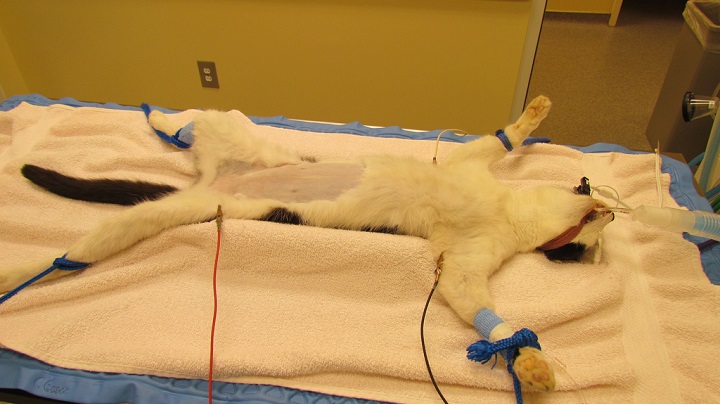
If your cat has pyometra, treatment must begin immediately. Delays can endanger not only your pet's health but also their life. Your veterinarian will decide whether to use medication or surgery.
Antibiotic therapy will only produce a positive result in the open form of purulent endometritis. If there is no relief after a course of treatment, the doctor may change the antibiotic to a different active ingredient. However, it is better to titrate the pathogenic microflora to different types of antibioticsto adjust the treatment regimen. However, since titration will take more than three days, a broad-spectrum medication will be prescribed on the first day.
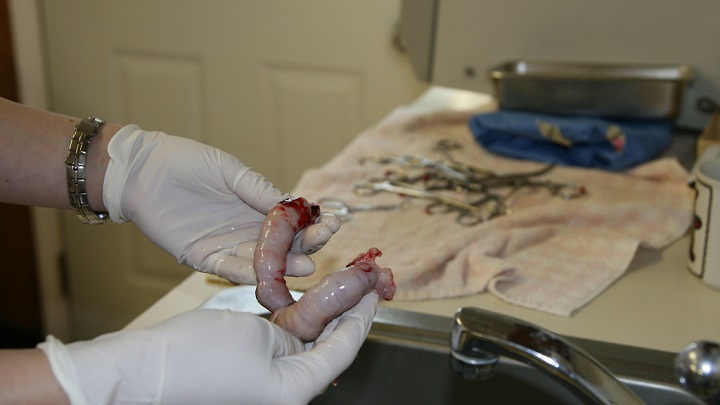
In the closed form, surgery is the only option. The uterus is completely removed. Antibiotic therapy is still required after surgery. It's best to have blood and urine tests to determine if any urinary complications have developed.
Prevention of pyometra
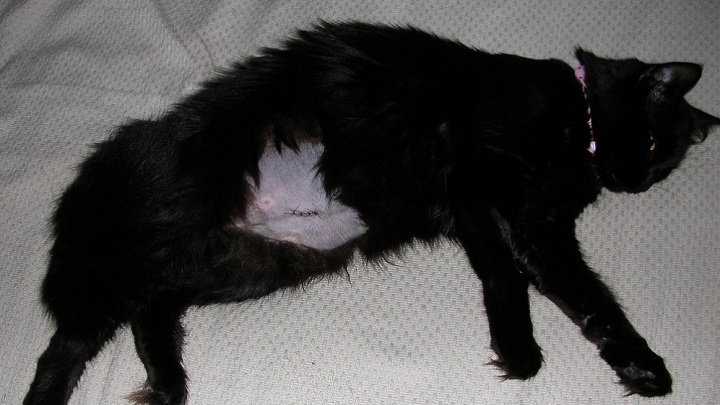
- If you don't want your pet to ever suffer from this disease, you'll take her to a clinic where she'll be spayed. This means they won't just tie off her oviducts or remove her ovaries, but they'll also remove her uterus.
- If you want to preserve your pet's reproductive function, you'll have to put in a lot of effort. First, never administer hormonal medications to suppress heat. It's better to spay your pet than to alter its hormonal balance. This can lead to not only pyometra but also polycystic ovary syndrome and tumors.
- Secondly, keep your cat away from untested cats. No strays or homeless cats. If you decide to breed your cat, choose the male carefully. Ask the cat's owners to provide a certificate stating that their cat is completely healthy.
- Thirdly, take your fertile age cat to the clinic at least once a year. Ultrasound of the pelvic organsto assess the health of the pet.
- Provide a sterile environment for the mother cat. Don't just wash the bedding, but also iron it on both sides (if your iron has a steam feature, use it to kill more bacteria). Immediately after the kittens are born, change the bedding to dry, clean, and sterile. Take the new mother to the veterinarian.
You can also ask our website's staff veterinarian a question, who will answer them as quickly as possible in the comments box below.
Read also:


8 comments
Simone
Hello, my cat was sick four months ago and had pus coming out of her anus. We took her to the vet, and he gave us three injections. We gave them to her, and everything went away. But she's gained a lot of weight this summer. Does this matter?
Daria is a veterinarian
Hello! Is pus coming from the anus or the vulva? What was the diagnosis? If pyometra, there's no way pus could have come out of the anus. What injections were given? Antibiotics? Hormones? Was the cat spayed after the treatment? Did the cat gain weight, meaning a layer of fat appeared, or did the cat simply have a larger belly? If spaying wasn't performed, an ultrasound should still be performed to rule out recurrence. If the cat has gained fat, it's not a big deal (unless it's already obese, otherwise there's a risk of developing diabetes).
Anastasia
Please tell me
The discharge was noticed last night for the first time and has not recurred, now there is no way to go to the vet.
Will it be very dangerous to contact only after a day?
Daria is a veterinarian
Hello! It all depends on the amount of discharge, its color, and the animal's general condition (temperature, appetite, behavior, activity, age). Sometimes it's possible to wait a day. But often, the first day is crucial. This condition is very dangerous, as it can lead to uterine rupture, sepsis, or purulent peritonitis (and ultimately, death). I would recommend consulting a veterinarian as soon as possible. Medication may still be an option. However, it's better to have surgery and completely remove the uterus to avoid future recurrences and to avoid protracted, expensive treatment (the regimen requires strict administration of medications on specific days; any deviation from the regimen reduces the effectiveness of the treatment).
Olga
I forgot to mention. The cat is three years old. She's had four babies. She's a domestic cat. We go to the dacha for six months and she hangs out there. Otherwise, she's completely domestic.
Dasha is a veterinarian
Why wasn't your cat spayed? Is she some kind of pedigree? Then why did you inject her? I'm sorry to disappoint you, but if you have a pedigree cat and she does indeed have pyometra, your veterinarian will recommend a hysterectomy. This is the best option, as this infection often returns. It's not worth risking your pet's health. I wish your pet good health and a speedy recovery.
Olga
Good afternoon! Our cat is in trouble! In August, four days after she gave birth, we gave her Depo Provera. The kind doctors recommended it. It was a mistake! Since then, she hasn't had any peace. Every month after the injection, she has discharge and restless behavior for one or two days. Then it passes, and she calms down. In January, she was in heat, and the same thing has happened twice a month, and now she has had a purulent discharge for three days. Today, it's been very heavy, she's lying down and straining. I read that it could be pyometra. What should we do? The vet is miles away. Can you tell me how to save my cat?
Dasha is a veterinarian
Hello! See a veterinarian immediately! Purulent discharge from the genital tract is a serious symptom! This really does sound like pyometra (and if your pet also has a fever and lethargy). Your pet needs conservative treatment, and urgently! If you don't seek help promptly, the animal will die. Self-medication is extremely dangerous. Uncontrolled use of antibiotics (especially for pyometra) will not produce positive results.
Add a comment