
Pyoderma in cats: symptoms and treatment
Cats often suffer from pyoderma, which develops as a result of a weakened immune system and the invasion of pathogenic bacteria. The disease is accompanied by general symptoms: severe itching, rash, ulcers, and hair loss. Treatment is comprehensive; to ensure the pet's recovery, the underlying cause must be addressed, along with the signs of pyoderma.
Content
Causes of the disease
Pyodermatitis is a secondary condition that develops as a result of a bacterial infection. There are several types of the disease:
- deep, which penetrates into the depths of muscle tissue;
- generalized or focal - with extensive or limited distribution;
- superficial, affecting the upper layer of the epidermis.
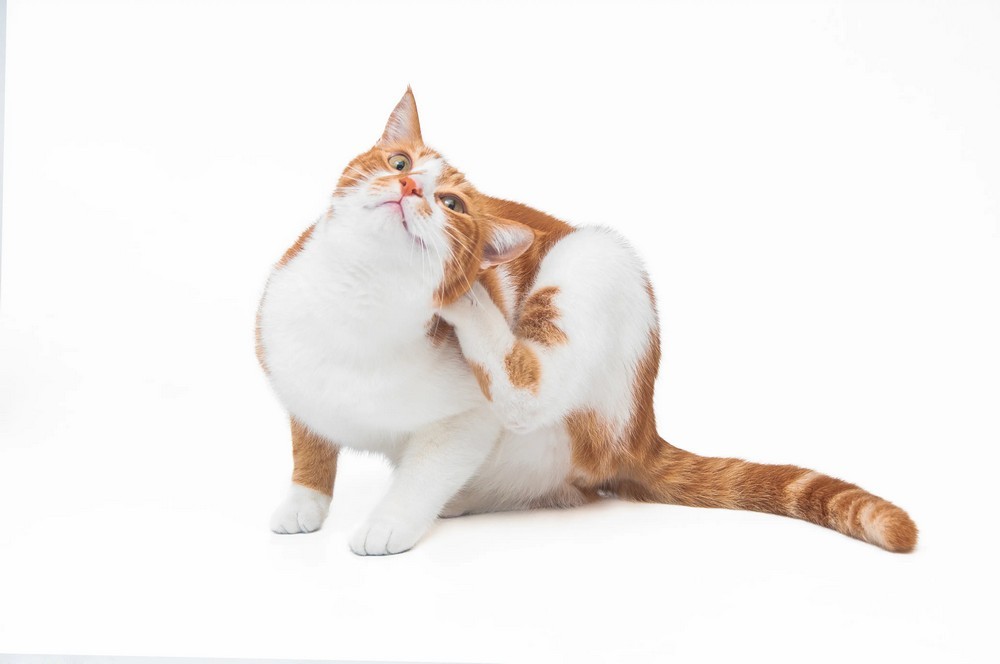
Essentially, the disease is one of the forms of dermatitis, the provocateurs of which are the following reasons:
- An atopic disease. Triggered by an allergen, it causes inflammation of the pyoderma, the skin's surface. The allergen triggers the body's defense mechanism. As a result, inflammation develops, the protective barrier weakens, and bacteria multiply more rapidly in the affected area.
- Immune problems. Treatment with medications that suppress the immune system, as well as congenital forms of immunodeficiency, significantly weaken the body's natural defenses, allowing pathogenic infections to penetrate the body.
- Flea, mosquito, or tick bites. Pyoderma appears after vigorous scratching, which also allows bacteria to colonize the scratched areas.
- Trauma. A wound left untreated with disinfectant can become an open door for bacterial infection.
- Poor diet. An unbalanced diet weakens the body and weakens the skin's protective barrier.
The animal's body, ears, and paw pads are affected. The extent of the lesions varies depending on the type of disease, but the symptoms are generally similar.
Clinical picture
The main symptoms are pronounced and appear against the background of a weakened condition caused by pyodermatiitis or a primary disease:
- Itching and redness of the skin. The animal scratches itself vigorously, pulls out fur with its teeth, and licks its skin.
- The hair in the affected area falls out, the skin turns red and becomes thin.
- Ulcers form, and abscesses may develop, but their presence is not mandatory. As pus drains, the ulcers crust over.
- General malaise causes decreased thirst and loss of appetite.
- If the pathology becomes chronic, the skin color changes.
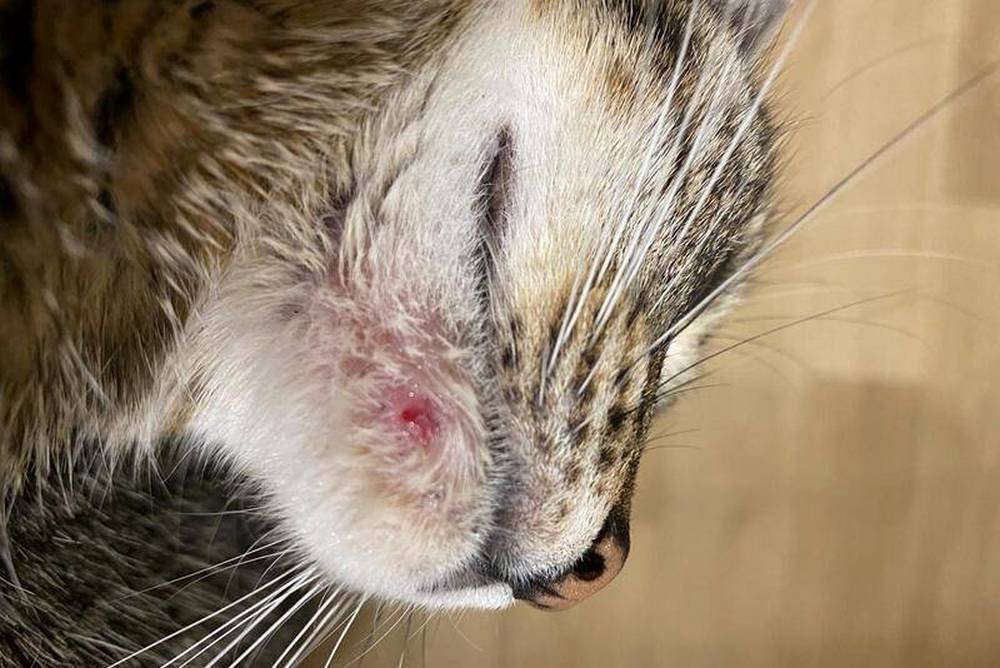
The symptoms closely resemble those of Duhring's disease in humans, with characteristic papular and ulcerated rashes. If your animal exhibits similar symptoms, it should be examined at a veterinary clinic and treated.
Diagnosis of pyoderma
The examination begins with a visual examination of the pet and the owner's description of the clinical picture. Depending on the indications, the doctor may prescribe the following procedures:
- Cytology is a laboratory study of cellular structure aimed at identifying changes.
- Cultural analysis - the material is sown in a medium that ensures rapid bacterial growth.
- A biopsy is the removal of a tissue sample to study the possible nature of a disease. This test helps identify autoimmune pathologies and malignancies.
In addition to the tests listed, you may be referred for other procedures that will help determine the underlying cause.
Professional treatment
To address the clinical picture and underlying cause of the pathology, combination therapy is used. The following is usually recommended:
- Antibiotics are available in the form of topical ointments and oral tablets. Treatment lasts several weeks.
- Antifungal medications are prescribed when a fungal infection is the cause of the symptoms. These medications come in spray form and are used to treat damaged skin areas, while oral tablets are available.
- To reduce itching, eliminate skin redness, and promote rapid healing of ulcers, it is recommended to give the animal antihistamines or steroids.
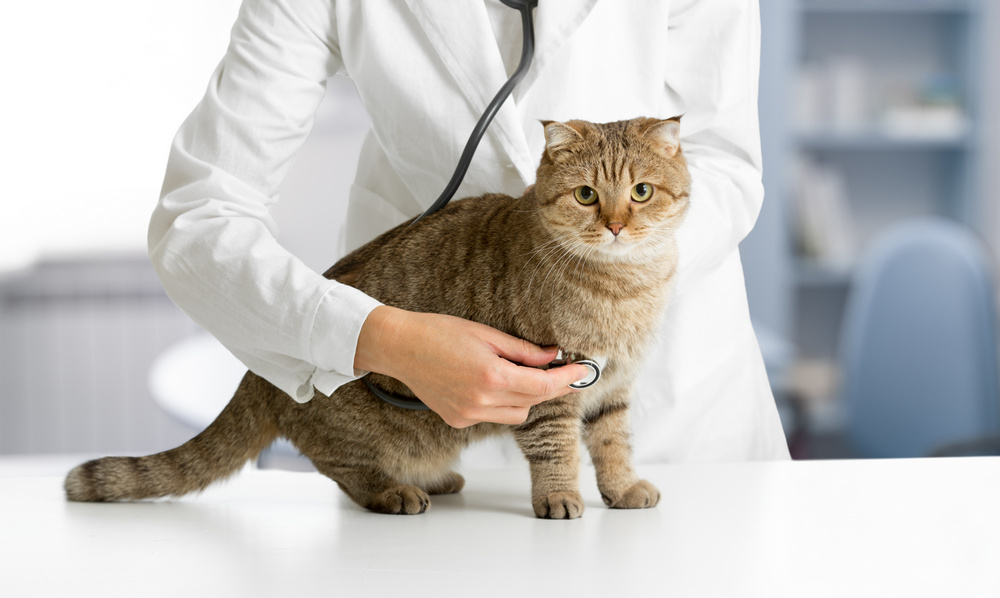
Veterinarians often discourage the use of folk remedies, so herbal decoctions and infusions are used only with the permission of the attending physician:
- Extract the juice from the leaves of the aloe vera plant and mix it with warm water. Apply compresses 1-2 times daily.
- Grate raw potatoes on a fine grater. Place the resulting mixture in a folded gauze bag. Apply to the affected area for 1-1.5 hours.
- Pour 1 tablespoon of dried yarrow into a glass of boiling water. After 30 minutes, strain the infusion and apply to the ulcers 2-3 times a day.
- Crush the dried roots of greater burdock and mix with an equal amount of petroleum jelly. Apply the ointment to the abscesses 1-2 times a day.
Using folk remedies can cause an allergic reaction and worsen the animal's condition. Pets may also lick the improvised medication or ointment off their skin, so it's important to cover the application with bandages and use a collar to prevent the cat from reaching the treated area.
Home care
Treatment for pyoderma typically lasts at least two weeks, but sometimes the course lasts several months. Cats are treated at home. Therefore, it's important to create optimal conditions for your pet's rapid recovery:
- It is advisable to brush the fur carefully to ensure air access to the skin and prevent diaper rash.
- For washing, it is better to use professional shampoos that increase the protection of the skin.
- If indicated, antiparasitic agents should be used to eliminate the risk of insect infestation, prevent irritation, and prevent the development of a new infection.
- It is worth changing your diet, making it more balanced, and eliminating foods with allergens.
It is better not to disturb the animal, clean the mattress more often, and provide free access to water and food.
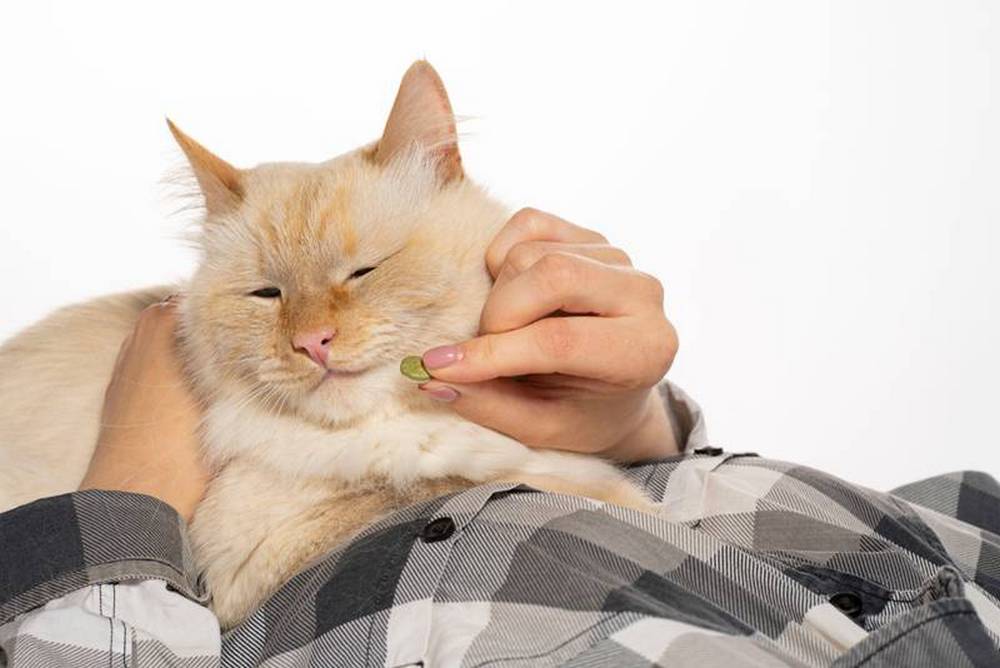
What are the consequences of untreated pyoderma?
The disease causes significant discomfort in animals. Without professional treatment, severe consequences associated with skin damage and decay, with the risk of additional infection, can develop. The bacteria actively multiply, producing toxins. As a result, the cat will be constantly exposed to toxicity, which weakens the immune system and facilitates the entry of other infectious microorganisms. Pyoderma also signals serious health problems in the cat that cannot be ignored.
To reduce the risk of pyoderma, provide your pet with a balanced diet and treat minor scratches and wounds with a disinfectant solution. Clean the room more frequently and change the drinking water daily. Regular grooming is recommended, and avoiding exposure to allergens is recommended. Have your cat examined at least every six months to prevent any potential problems or initiate prompt treatment.
Read also:


Add a comment