
Picardy Shepherd (Berger de Picardy)
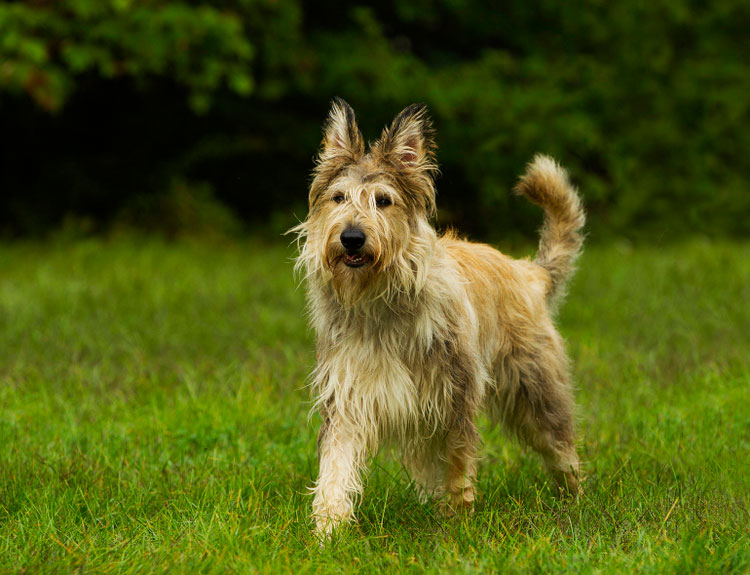
The Picardy Shepherd (Berger de Picardie) is a small, harmoniously built dog with a wiry, tousled coat, seemingly simple. It is considered one of the oldest French herding breeds. It is very people-oriented, loyal, and incredibly hardy, making it a capable guard dog. It requires little grooming and is generally healthy.
Content
History of origin
Picardy Shepherds were first shown at an exhibition in 1863 in the same ring with briar And BeauceronBy the 1890s, it became clear that they were a distinct breed, typical and apparently quite ancient. There is no information about the origin or ancestry of the Picardie. Cynologists attribute their relationship to other wirehaired breeds of Western Europe. Dutch and Belgian Shepherds.
The first standard was developed in 1922. The breed received official recognition in France in 1925. After World War II, Picardy Shepherds were virtually extinct. Efforts began to search for typical dogs and restore their numbers. In the 1950s, enthusiasts founded the "Club des Amis des Bergers de Picardie." By 1964, the breed was recognized by the Fédération Cynologique Internationale under the name "Berger de Picardie."
The release of the film "Because of Winn-Dixie" (2005), in which two Picardy Shepherds played the lead roles, played a significant role in popularizing the breed. The original plan was for the lead character to be a mixed-breed or mixed-breed dog, but stunt doubles were essential for the filming, so purebred dogs were chosen. Picardy Shepherds also appeared in the films "Daniel and the Superdogs" (2004) and "So, We're Here: Renovation" (2007).
Appearance
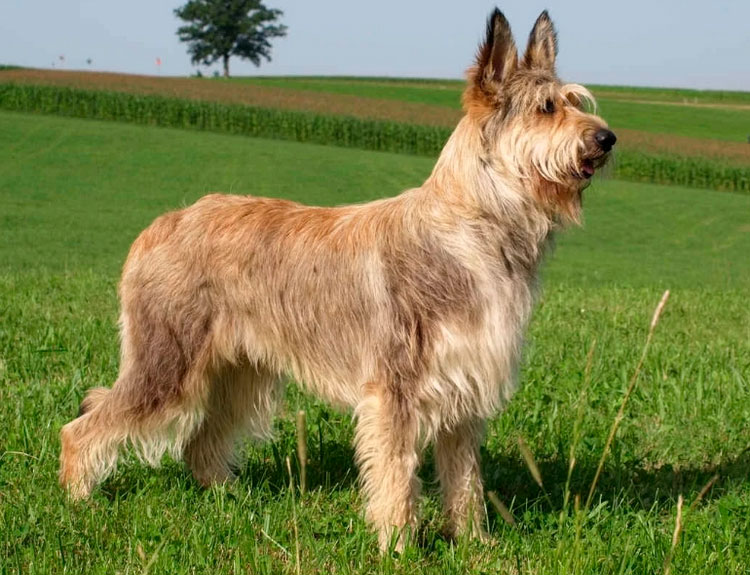
The Picardy Shepherd is a medium-sized, hardy, strong dog with well-developed muscles. It is very elegant, not heavy, and of medium proportions. Its build is slightly elongated. Height at the withers: males: 60-65 cm; females: 55-67 cm.
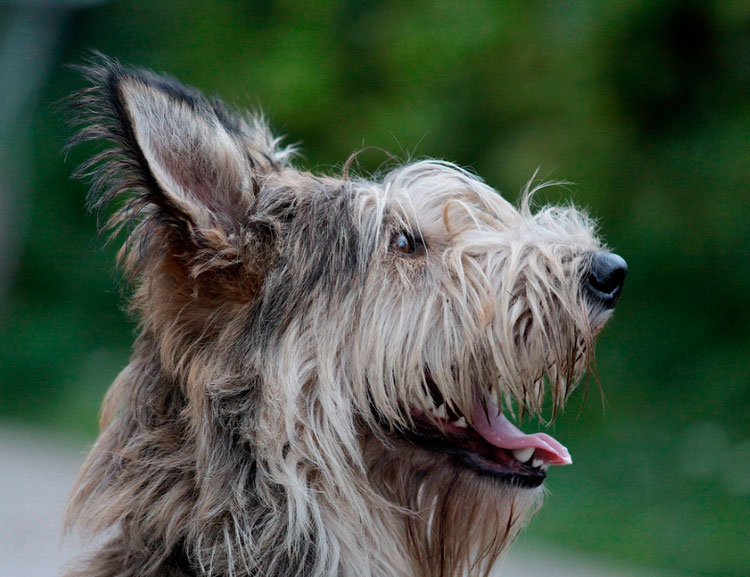
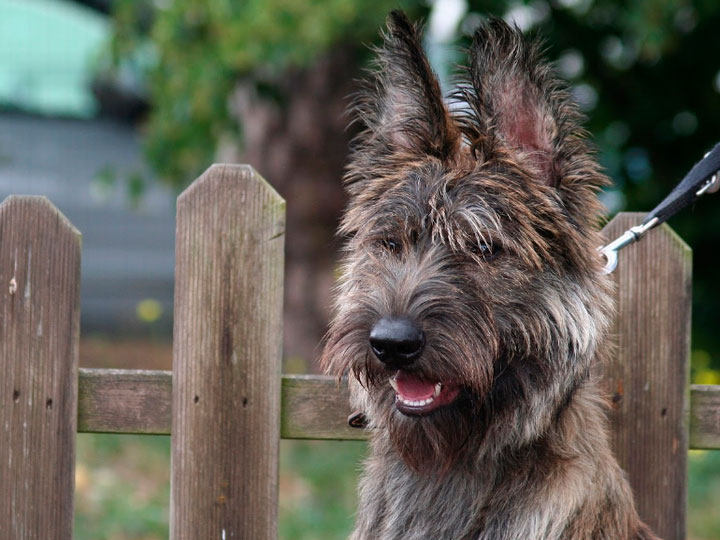
One of the distinctive features of the Picardy Shepherd is its friendly smile.
The head is fairly large. The stop is slightly defined. The skull is broad, but not excessively so. The eyebrows are well defined and do not obscure the eyes. The moustache and beard are not too long. The forehead has a slight furrow, appears flat, and is slightly arched. The cheekbones are moderately wide. The muzzle is not pointed, moderately long, and powerful. The lips are tightly pressed together and dry. The bridge of the nose is straight. The bite is scissor-like. The ears are set fairly high, about 10 centimeters long, wide at the base, always raised, and the tips are rounded. The eyes are medium in size and uniformly dark in color.
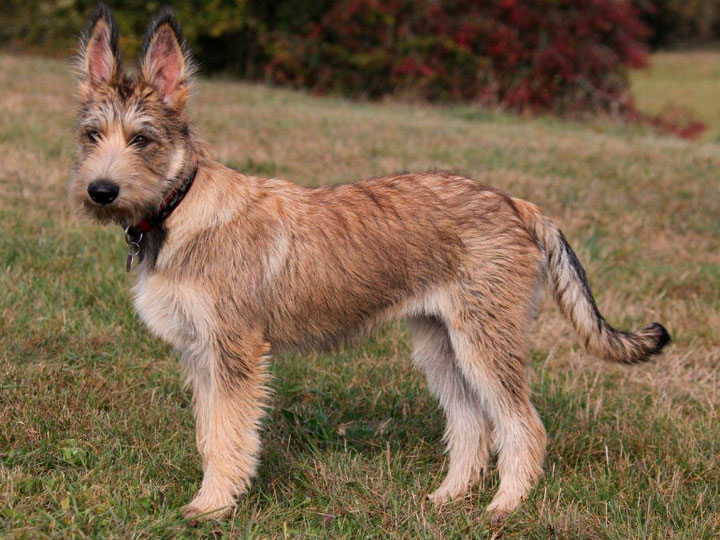
The neck is long, muscular, strong, and mobile. The body is somewhat elongated. The chest does not descend below the elbows; the girth of the chest behind the elbows exceeds the height at the withers by 1/5. The back is straight. The loin is strong. The abdomen is moderately tucked up. The croup flows smoothly into the hips. The tail reaches the hocks, hanging straight or slightly curved at the tip. When moving, it is raised no higher than the back. The length of the hair on the tail is the same as on the body. The limbs are well muscled, medium boned, and have pronounced joints, moderate in length, straight and parallel. The paws are rounded, short, and arched. The nails are dark in color and strong. There should be no dewclaws. The pads are flexible and hard.
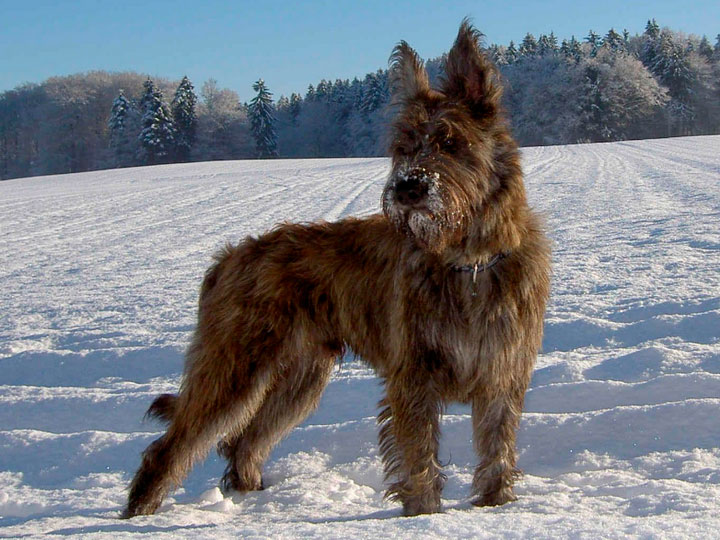
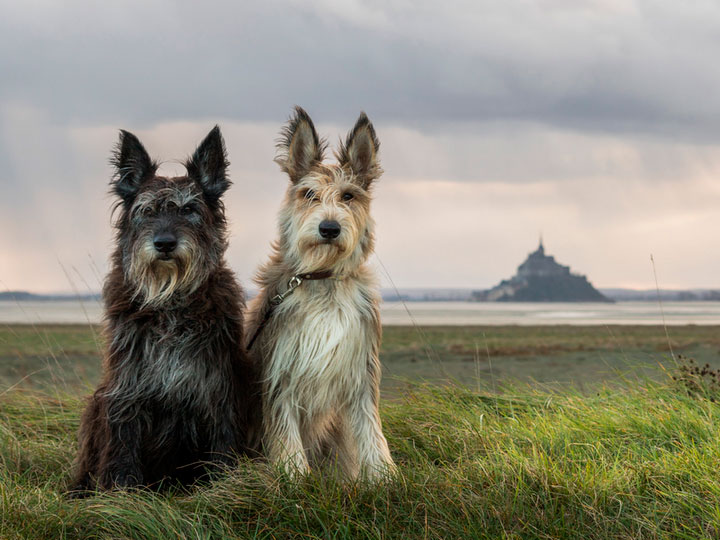
The coat is hard, shaggy, and medium-length—5-6 cm, with about 4 cm on the muzzle. The undercoat is thick and fine. Colors:
- Pale yellow;
- Grey;
- Gray-black;
- Reddish-gray;
- Gray-blue;
- Gray with black inclusions.
Small spots on the chest and toes are allowed.
Character and behavior
The Picardy Shepherd has a balanced character; it is neither aggressive nor timid, nor overly excitable. It forms a strong bond with its owner and family members. It is loyal and obedient. It is highly intelligent, cheerful, and energetic. It has a sensitive, assertive nature, with a moderate dose of stubbornness and a love of freedom.
Owners note that Picardy Shepherds have a well-developed sense of humor. They are very attentive and sensitive. They thrive on work, and are resilient and hardworking.
Picardy Shepherds are guardians and fearless protectors of their home. They are wary of strangers, cautious, and have a strong territorial instinct. Like many other herding breeds, they require attention from their owner. They pine without human companionship. They are athletic and loyal dogs, overflowing with a desire to work and be useful. When well socialized, they get along well with children. They are non-confrontational and get along well with other pets.
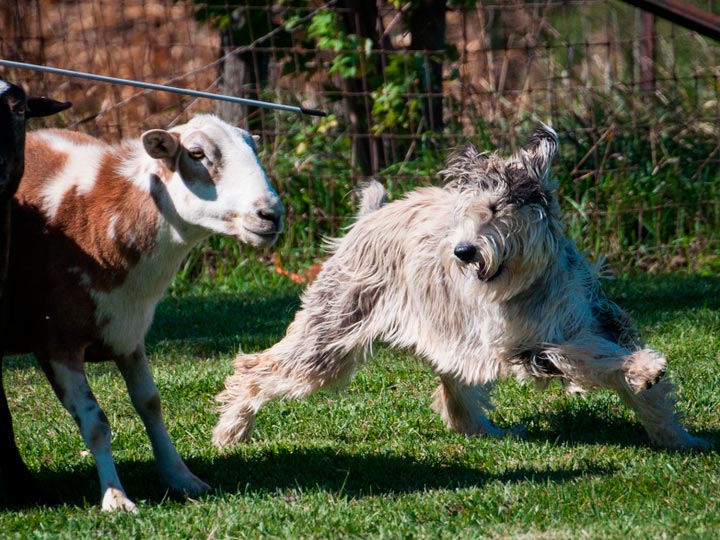
When guarding the flock, the Picardy Shepherd spends most of its time on the move.
Content Features
The Picardy Shepherd is best suited to life outside the city on a farm, where it will have a purpose and a job to do. However, the experience of many owners shows that the dog adapts well to city life, provided it has ample opportunity to exercise. At home, it is typically very quiet and calm, patiently waiting for its owner. However, this is not the case when young, when its turbulent energy often leads it to find joy in damaging things and property.
Picardy Shepherds require a great deal of exercise. These dogs don't just want to run; they're quite capable of it physically and need mental stimulation. They often enjoy swimming and will delight in long walks. They can be great jogging companions.
Care
Grooming the Picardy Shepherd is easy. Their coarse, tousled coat can become matted if not brushed regularly. Bathing is recommended infrequently, unless they become heavily soiled. Dogs living in apartments are typically bathed more frequently, once every 2-3 months. In this case, choosing the right shampoo is important. Grooming is not required. Seasonal shedding is moderate.
The Picardie's skin and fur contain a small amount of natural fat, which is why the dog's specific smell is very weak.
Other recommended hygiene procedures include regular ear and teeth cleaning, eye cleaning, and nail trimming.
Health and life expectancy
Picardy Shepherds are considered a healthy breed, but since they are relatively rare, data is still being analyzed. Life expectancy is 13-14 years. Today, a number of hereditary diseases and pathologies are identified:
- Hip dysplasia;
- Ophthalmological diseases (progressive retinal atrophy, multifocal retinopathy, cataract, distichiasis, residual pupillary membrane);
- Relatively rare, but problems with the heart and thyroid gland (hypothyroidism, autoimmune thyroiditis) do occur;
- Female dogs can experience reproductive issues. Hormonal imbalances can disrupt their cycles. Mechanical issues include what the French call a "closed vulva" (a fold of skin blocks access to the internal reproductive organs). During labor, uterine inertia is common in Picardie dogs.
Choosing a Picardy Shepherd Puppy
There are a few Picardy Shepherds in the CIS countries. There is no information about breeders. Owners very rarely breed their dogs and offer the puppies for sale.
Today, there are approximately 3,500 Picardy Shepherds in France, about 500 in Germany, and about 400 in the United States and Canada.
Those seriously considering buying a Picardy Shepherd puppy are better off looking abroad: in France, Germany, Denmark, or the Netherlands. It's best to learn about kennels and get breeder contacts from a national breed club, such as the French Club des Amis de Berger de Picardie. Such websites usually have information about planned litters and available puppies. Choosing a puppy begins with choosing a breeder and the litter's parents. Proof of parentage is essential.
Price
In Europe, the average cost of a Piccardi Shepherd puppy is 1200 euros.
Photos and videos
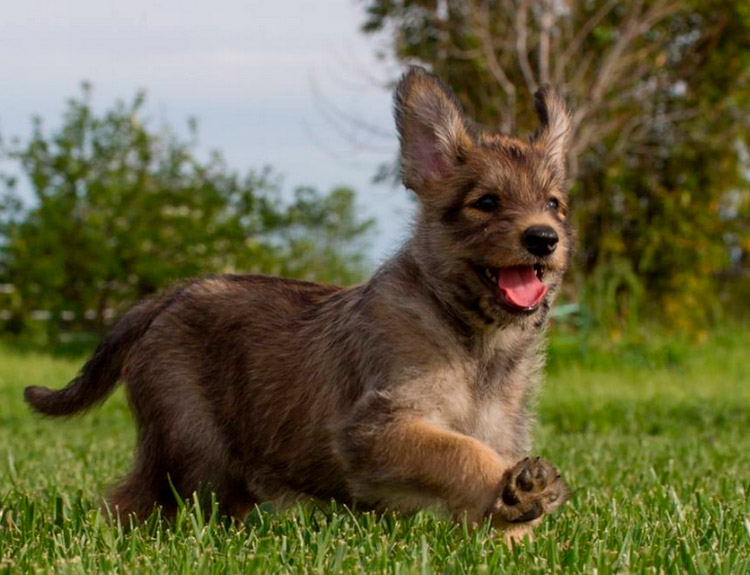
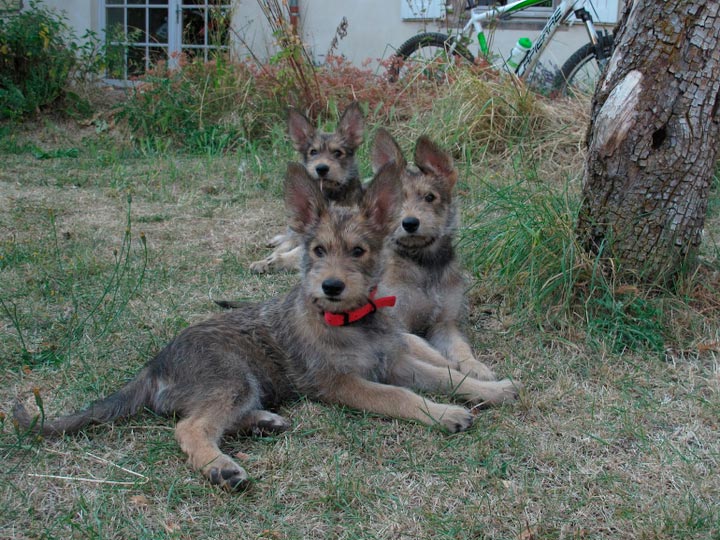
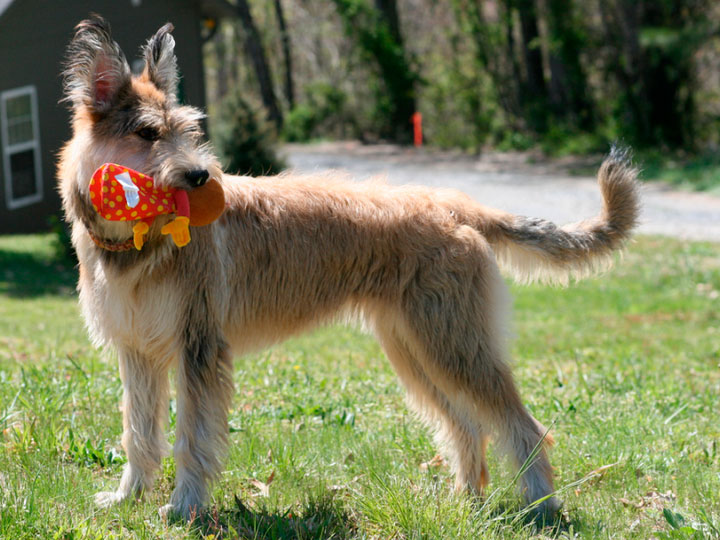
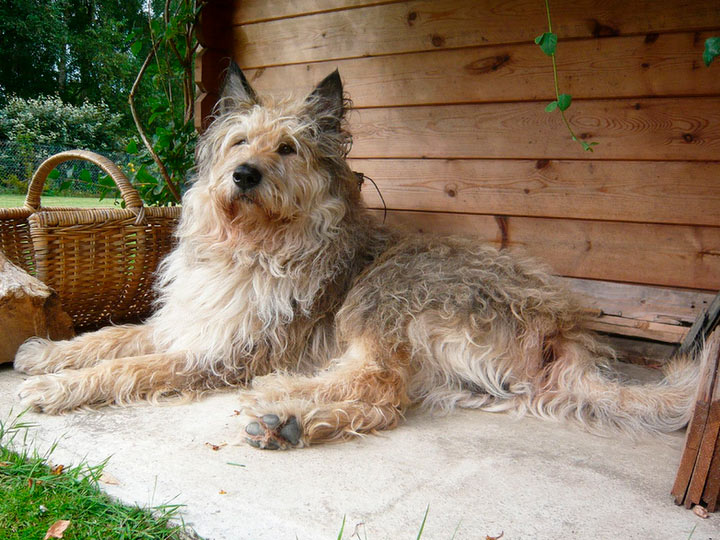
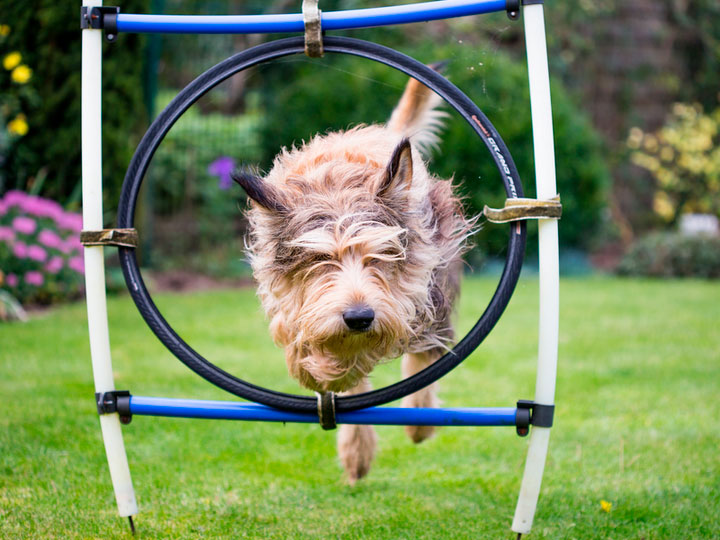
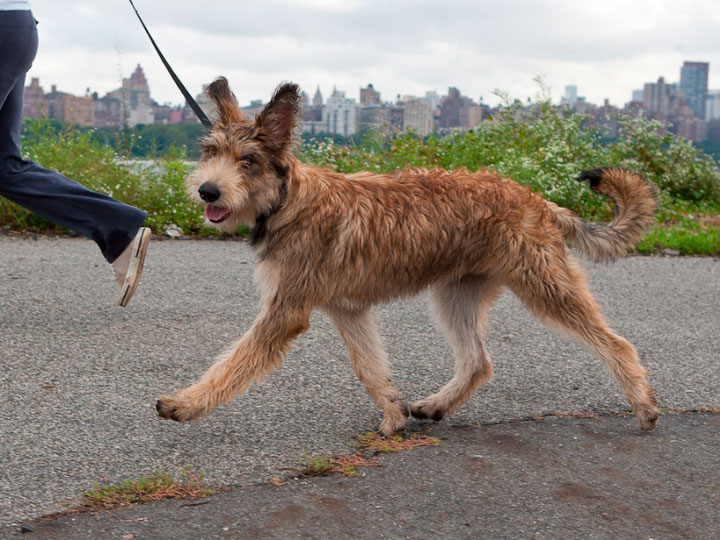
The gallery features photos of Picardy Shepherds (Berger de Picardie). The dogs are of different genders, ages, and colors.
Video about the Picardy Shepherd dog breed (Berger de Picardie).
Read also:


Add a comment