
Skin pigmentation in animals
Both humans and animals experience skin pigmentation. What is it? Is this phenomenon in animals normal or pathological? Does it pose any health or life-threatening risks? And what causes skin pigmentation?
Content
Causes of skin pigmentation in animals
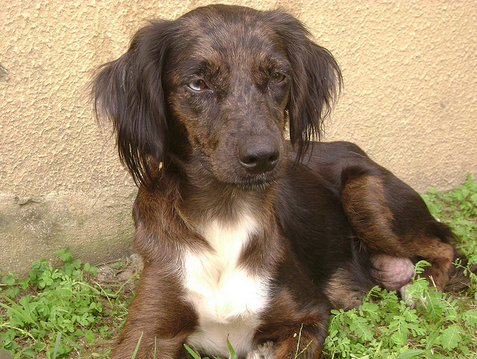
People have birthmarks, and in animals, pigments also cause various dark spots on the skin. Think of little puppies or kittens with dark spots on their pink bellies. The cause is hyperpigmentation.
Natural causes
Lentigo (also known as spotted melanosis) is a genetic pigmentation disorder. It's quite harmless and requires no attention. Furthermore, it's extremely rare in animals (pugs often have dark spots on their bellies).
There's also primary acanthosis nigricans. It most often affects dachshunds. In young puppies, hyperpigmented patches of skin are most noticeable in the armpit area. The problem is that this condition often leads to thickening of the skin, followed by seborrhea. But that's not the worst part. Often, acanthosis nigricans is followed by a bacterial or fungal infection.
Hyperpigmentation of the skin due to disease
There is quite a list here: allergies, endocrinopathy, hyperthyroidism, melanoma, basalioma, vasculitis, skin inflammation, and others. Tumor hypermelanosis and secondary acanthosis nigricans are consequences of the above-mentioned pathologies. Melanotrichia is also a condition in which a large amount of pigment is deposited in the hairs.
Hypopigmentation
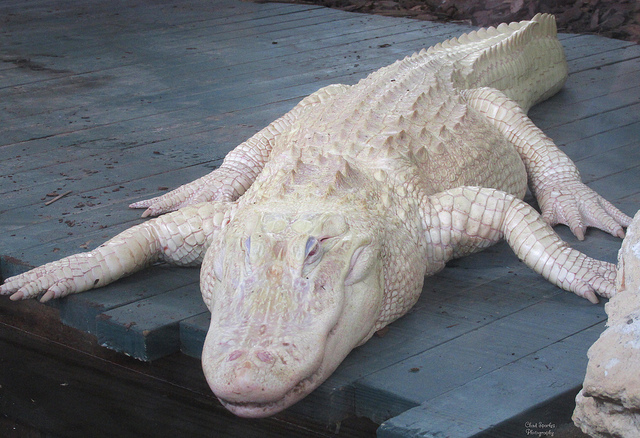
Sometimes, a particular patch of skin (or hair) lacks pigment. This condition is called hypopigmentation. Albinism and vitiligo are examples of this condition.
What to do with pigmentation in animals?
Treatment of pigmentation is carried out only if it is “acquired”, that is, after injuries, burns and other skin damage, after bacterial or fungal skin infections, and more. Once the underlying cause is addressed, the pigmentation problem disappears. Everything returns to normal.
Things are a little simpler for humans, even if it was a congenital disorder. Animals with a genetic pigment production disorder cannot be treated, and their use in breeding is prohibited. Humans, however, can go to a clinic for pigment removal, and they won't stand out from the crowd.
In general, if your pet has never had any spots, but suddenly starts to develop spots (especially in hairless, short-haired, or even short-haired pets) that seem suspicious (oddly shaped, very dark or red, inflamed, or rapidly increasing in size), your first step should be to contact your veterinarian for a diagnosis. Often, such intensely discolored areas are a symptom of developing skin cancer or another equally serious condition.
Read also:


Add a comment