
Petkam for dogs
Petkam Tabs is an effective nonsteroidal pain reliever. It is used to treat injuries and musculoskeletal conditions in dogs to relieve pain, swelling, and other symptoms. The medication has contraindications, so it should not be used without a veterinarian's prescription.
Content
Dosage form and composition
One of the few advantages of this medication is its dosage form. Petkam is available in tablet form. Unlike injections, this dosage form is suitable for all pet owners, including those who are afraid of or unfamiliar with administering injections.
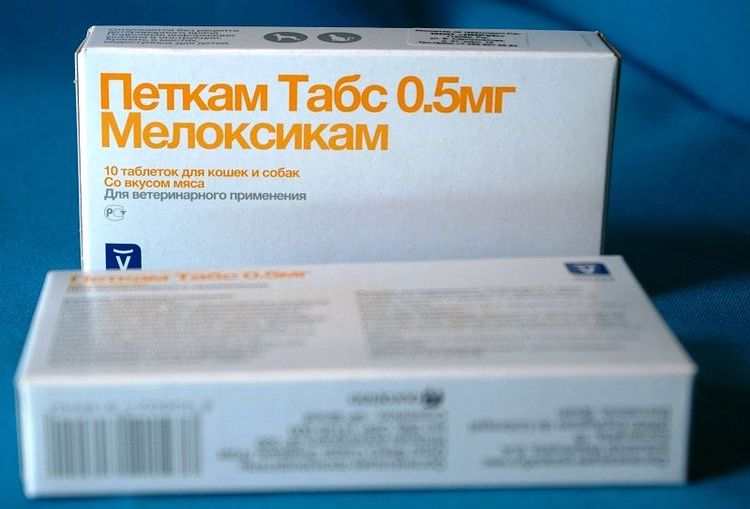
The yellow, round tablets are packaged in blisters of 10. Depending on the concentration of the active ingredient, the tablets are available in two types:
- Petkam 0.5 is suitable for small and medium breed dogs;
- Petkam 2.0 is used to treat large pets, as it contains a larger amount of active substance.
This makes it easy to choose the optimal option for your pet based on its weight. Feeding your dog one tablet instead of, say, four, is much easier.
The active ingredient is meloxicam, a derivative of enolic acid. Petcam for dogs also contains other ingredients, but the instructions list them collectively as "filler."
Operating principle
Petcam is a nonsteroidal anti-inflammatory drug (NSAID). Meloxicam works by blocking the production of substances in the body that cause inflammation and swelling. By reducing the amount of these substances, the anti-inflammatory effect is achieved.

When taken orally, the medicine has the following effects:
- relieves pain;
- eliminates inflammation;
- relieves swelling.
The medication also has antipyretic properties. After administration, the maximum concentration of the active substance in the animal's body is reached after 7.5 hours. The half-life ranges from 12 to 36 hours and depends on the dog's individual characteristics, breed, weight, and overall health. The drug is metabolized in the liver, and is eliminated primarily through feces and urine.
When is it prescribed?
The instructions for use indicate that Petkam for dogs is used for the following conditions:
- osteitis;
- arthritis;
- spondylosis;
- calcification of intervertebral discs;
- rheumatoid arthritis;
- osteoarthritis, etc.
The medication can be used for both acute and chronic musculoskeletal conditions, as well as fractures, dislocations, and other injuries. It is also used during the rehabilitation period after surgery.
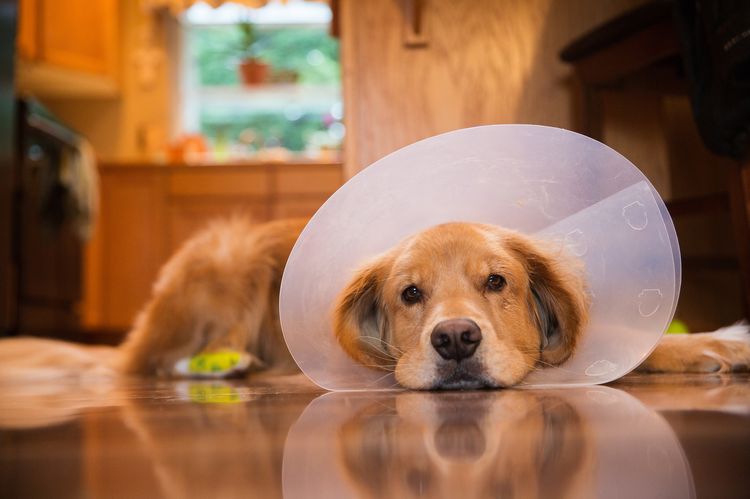
Please note! Petkam is used as painkiller and an anti-inflammatory drug. It only relieves symptoms but does not address the underlying cause of the disease. Improvement in your pet's condition without primary treatment will only be temporary.
Instructions for use in veterinary medicine
When purchasing Petcam at a pharmacy, pay attention to the concentration of the active ingredient. One tablet containing 0.5 mg of meloxicam is sufficient for a pet weighing 5 kg, while one tablet containing 2.0 mg is sufficient for a pet weighing 20 kg. Choosing the right medication will help you calculate the correct dosage and prevent an overdose, which can be life-threatening.
On the first day of treatment, double the dose. Two 0.5 mg tablets are used for every 5 kg of body weight. For larger animals, two 2.0 mg tablets are used for every 20 kg of body weight. From the second day on, the dose is calculated according to the standard schedule: one tablet per 5 or 20 kg, depending on the amount of active ingredient.
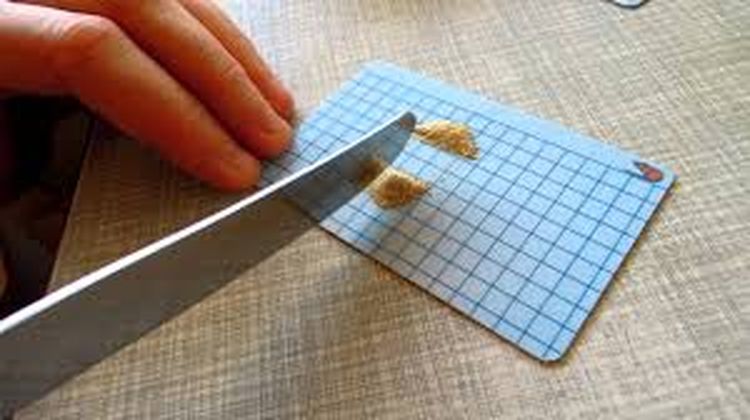
The tablets are given once a day. They can be mixed with a small amount of food. They can also be force-fed. To prevent the dog from spitting the tablet out, place it on the back of the tongue. It's best to use a special device for this purpose. These are readily available at your local veterinary pharmacy or pet store.
For acute conditions, the medication is administered to dogs for 5-7 days. For chronic conditions, the course of treatment can last up to 28 days. The duration of Petkam treatment should be determined by a doctor. To reduce potential adverse effects from the drug, clinical trials are regularly conducted. This helps monitor vital signs.
Contraindications
Petkam should not be used on dogs in the following cases:
- for diseases of the liver, kidneys and heart, especially in severe forms;
- in case of bleeding;
- for stomach or intestinal ulcers;
- during the period of feeding offspring;
- during pregnancy (last trimester);
- after using anticoagulants (blood thinning drugs).
Caution! Do not administer this medication to animals with known hypersensitivity to meloxicam.
The medicine can be used with caution and only under the supervision of a doctor in the following cases:
- with low blood pressure;
- in case of dehydration;
- with insufficient blood volume (hypovolemia).
In this case, the risk of increased toxicity of the drug increases, which means it may pose a danger to the animal’s body.

It is prohibited to combine the use of Petkam with the following medications:
- aspirin;
- heparin;
- other non-steroidal drugs;
- corticosteroids.
Side effects
Pain medication can cause serious side effects:
- apathy;
- decreased or lack of appetite;
- nausea and vomiting;
- upset stomach, etc.
If side effects are detected, discontinue use. Consult a doctor.
Caution! This medication may cause gastrointestinal bleeding. This may be indicated by loose, black stools. If this symptom is detected, seek immediate veterinary attention. Delay could be life-threatening for your pet.
Overdose may cause gastrointestinal disturbances and internal bleeding. In case of overdose, follow these steps:
- immediately induce vomiting in your pet;
- give any adsorbent (activated carbon, enterosgel);
- Give your dog ranitidine or another anti-ulcer drug.
Next, you should consult a veterinarian. If necessary, they will prescribe symptomatic treatment.
Storage Features
Petkam is a potent medication, so extreme caution is required when storing and using it. Store the medication only in its original packaging, away from sunlight, and in a dry place. Keep out of reach of children and pets. Store at a temperature between 15 and 30˚C.
Please pay attention to the expiration date printed on the packaging. After the expiration date, the medication must be discarded and is not intended for use in animals.
When handling Petkam, follow the general rules for handling veterinary drugs. Be sure to wash your hands after handling the medication.
How much does it cost and where can I buy it?
The price of Petkam tablets depends on one factor: the active ingredient content. A 10-pack of 0.5 tablets costs 250-270 rubles. A 2.0-pack of Petkam tablets costs over 740 rubles.
The medication is easy to purchase at your local veterinary pharmacy. You can also buy it online at a pharmacy or pet store. If you decide to order the medication online, make sure to purchase from trusted sources. This will help you avoid buying a counterfeit.
Owner reviews
Raisa, Chihuahua owner:
"Our little one is very active and loves jumping on and off the couch. One time, he landed awkwardly, resulting in a dislocation. The vet prescribed Petkam. We took it for five days along with ranitinide. There were no side effects, even though the instructions list quite a long list. The medication is good, but in my opinion, it should only be used as directed by a doctor."
Peter, the owner of the shepherd dog:
"During training, the dog was injured. She couldn't use her paw, lay down almost the entire time, whining in pain. When we went to the vet, she prescribed Petkam for pain relief. The dog refused to take the pills, we barely managed to feed her, and the next day she developed severe diarrhea. We had to find another painkiller and simultaneously treat her stomach upset, even though the medication was effective."
Veterinarian Reviews
Vadim, a veterinarian with 12 years of experience:
"Petkam is an effective medication, but like any painkiller, it has dangerous side effects. It can cause serious digestive problems and even bleeding. I only prescribe it when absolutely necessary and in combination with Ranitidine. I do not recommend self-medication for dog owners."
Alexey, a veterinarian with 6 years of experience:
"A good foreign-made painkiller. It's rarely used in my practice for several reasons. First, it only relieves symptoms, while the underlying cause needs to be addressed. Second, it has many side effects and contraindications, requiring careful dosage calculation. In my practice, there have been cases where Petkam has led to serious gastrointestinal problems that required long-term treatment."
Read also:


Add a comment