
Petersburg Orchid (Neva Orchid)
The St. Petersburg Orchid is a new breed of miniature toy dog developed in the city on the Neva River. Thanks to their wonderful character and unique appearance, the number of fans of these miniature dogs is steadily growing. Playful, affectionate, loyal, and intelligent, they make wonderful companions for people of any age and occupation.
Content
History of origin
The creator of the Petersburg Orchid breed is Nina Petrovna Nasibova, a cynologist and the owner of the "S Ozero Dolgoe" kennel. In 1997, she began working on creating an entirely new decorative breed that would take its rightful place among domestic dogs. Under Nasibova's leadership, a group of like-minded breeders, consisting of five, gathered.
The author is keeping mum for now on which breeds were involved in the orchid's development. When asked about the name, she says it came to her mind completely out of the blue and seemed very appropriate. These small dogs, born in cold St. Petersburg, truly resemble a graceful, refined flower.
It took three years and two generations to achieve the desired type of dog, from which the best were selected. Reinforcing the desired traits proved easy. Nasibova had previously bred Russian Toy Terriers and had already gained experience in selecting breeding pairs.
The patents for the breeding achievement grant Nina Petrovna the right to solely control the breeding of the Petersburg Orchid and Nevskaya Orchid dogs for 30 years, as well as to transfer breeding and sales rights to others. The breed is still very young and is still in the development stage. Petersburg Orchid dogs have not yet been recognized by the Russian Kennel Federation.
Video about the St. Petersburg Orchid breed:
Appearance
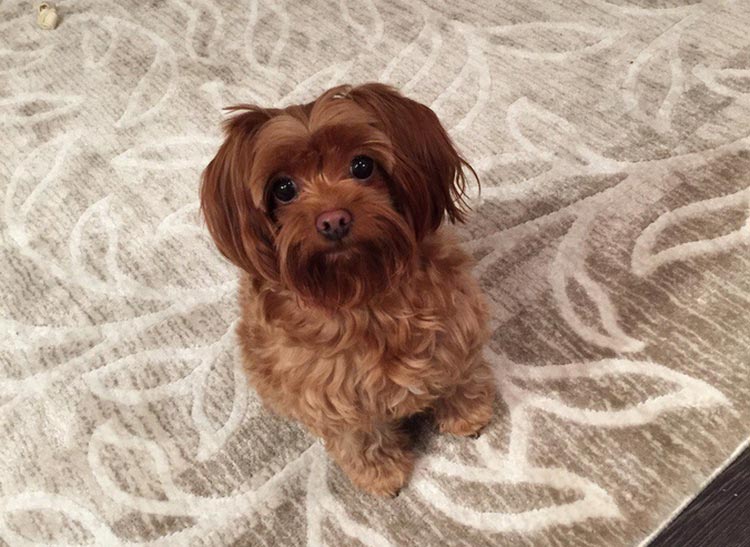
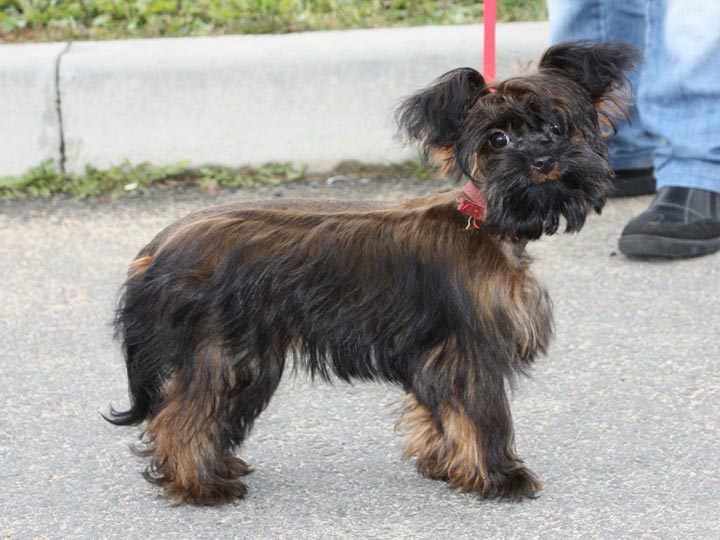
The Petersburg Orchid is a small, active dog with a long build, lean muscles, and medium-hard bones. Sexual differences are clearly visible, not only in appearance but also in behavior. Dogs should not exceed 30 cm in height and weigh 2.5-4 kg. Females should not weigh less than 1.5 kg, as they rarely give birth naturally.
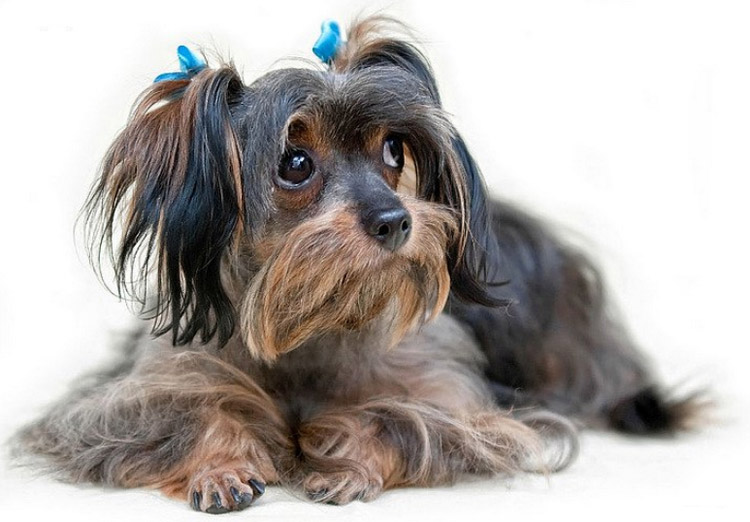
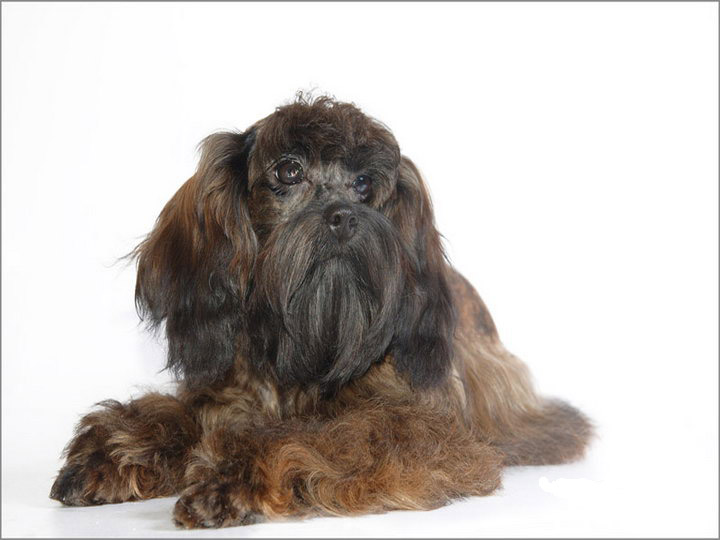
The orchid's head is dry, light, and medium-sized, with rectangular outlines. The muzzle is shorter than the head, making up 1/3 of its length. It is not narrow, but slightly pointed. The lines of the muzzle and forehead are parallel. The stop is not sharp, but well defined. The nose is small, black or the color of the coat. The eyes are oval, small, and set straight and wide apart. The ears are medium-sized, hanging on cartilage, set high, and fairly large. The teeth are small, and the bite is correct.
The neck is high-set, slightly arched, long, and lean. The body elongation index is 106-108. The back is straight and broad. The withers are well defined, as is the arched, muscular loin. The croup angle is 15-30°. The tail is set below the line of the back and may be docked, leaving 2-3 vertebrae. In its natural state, it is sabre-shaped or carried in a ring. The chest is deep and broad. The belly is well tucked up. The limbs are parallel and lean.
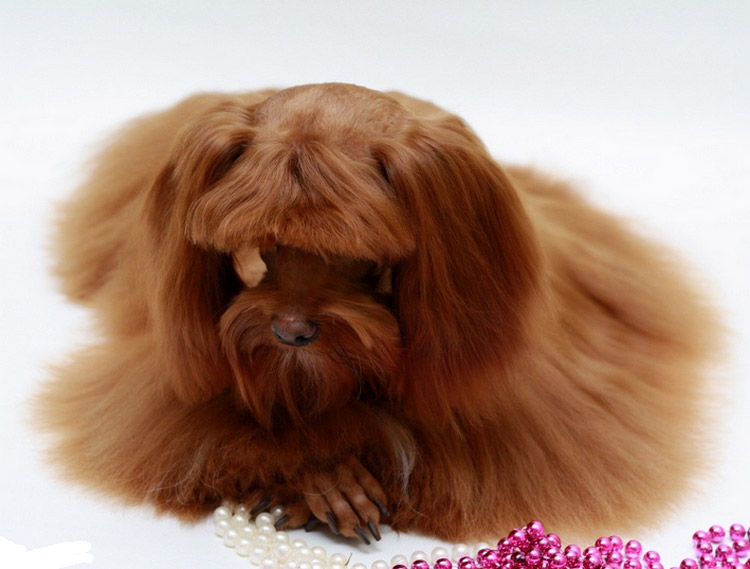
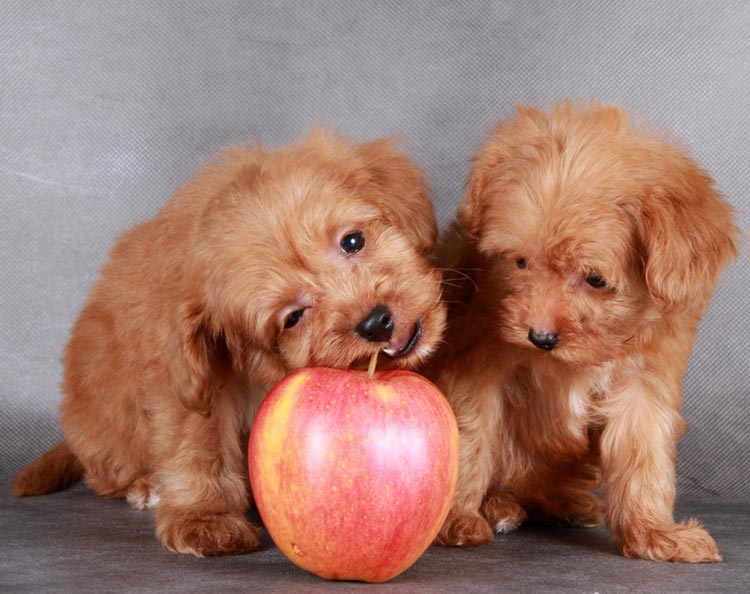
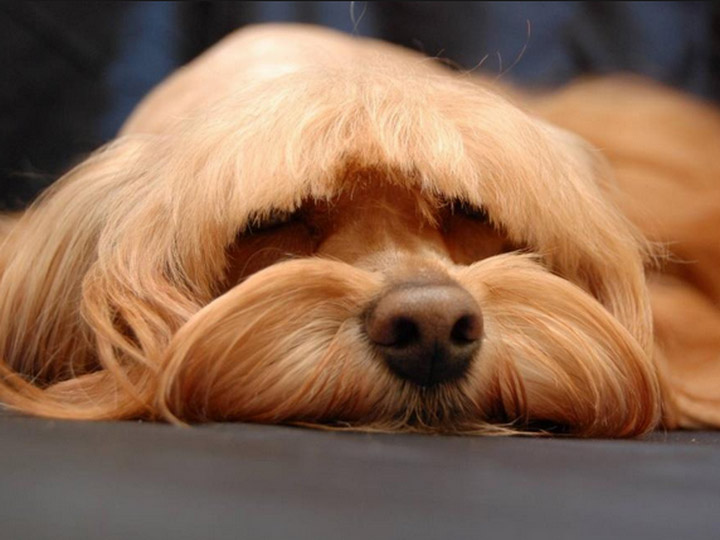
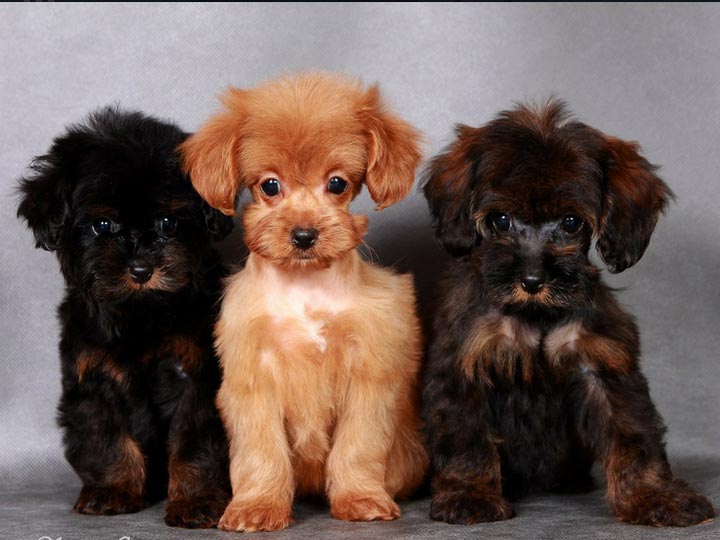
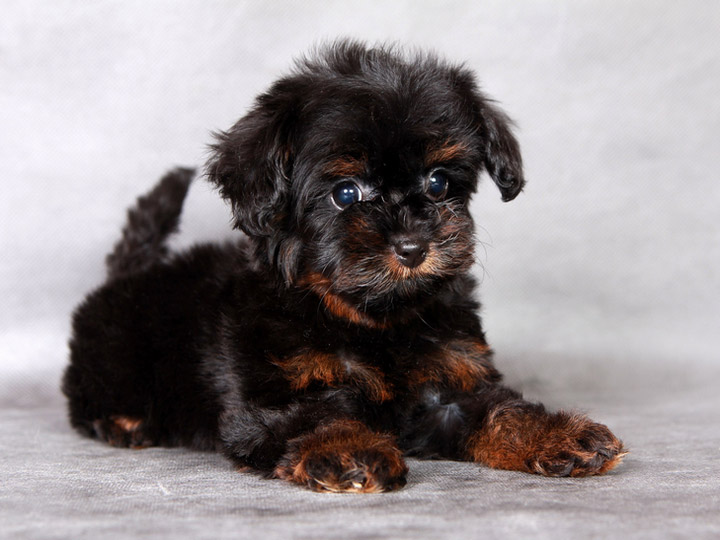
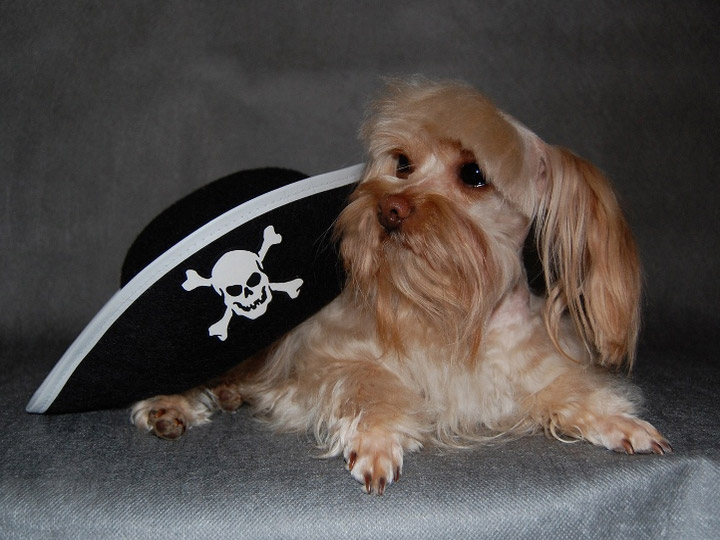
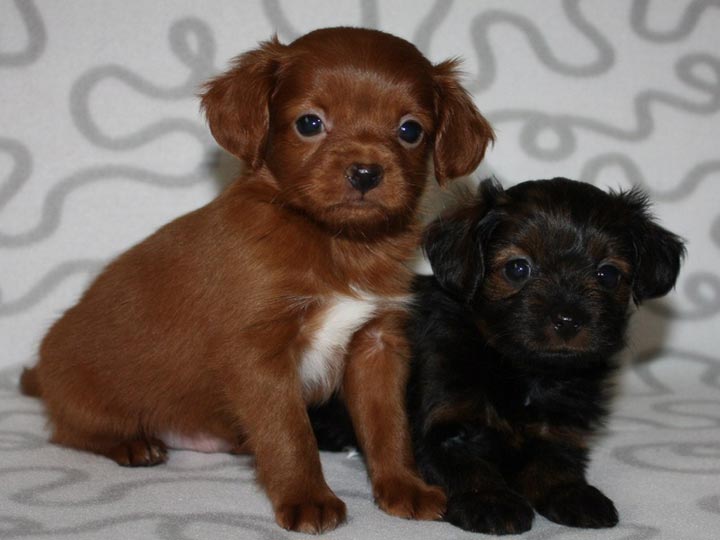
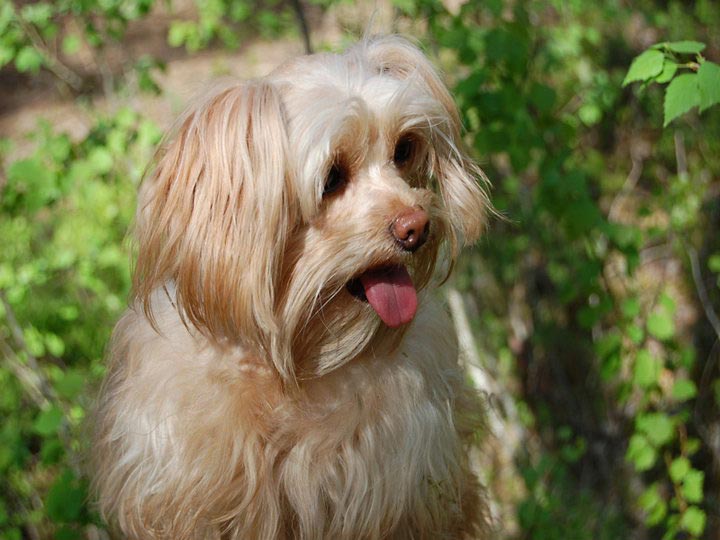
The coat is fairly long, moderately thick, and slightly wavy. Colors include brindle (from gray to bright red), various shades of red, and fawn. White spots on the paws, muzzle, and chest are permitted. No two orchids have exactly the same coloring. Small orchids come in long-haired and short-haired varieties. The latter variety is called the Neva orchid.
Character
The Petersburg Orchid has a cheerful, happy personality; these dogs are sweet, playful, and loving. They are very active outdoors, but are usually more balanced and calm at home. They generally get along well with other pets. The Petersburg Orchid is completely free of aggression and shyness. Even with strangers, they often show interest and friendliness. Many are very alert, picking up the slightest rustle outside the door and alerting their owner with a ringing voice. They are very good with children and love to play with them, but it's best to protect the fragile orchid from the cares of very small children.
Maintenance and care
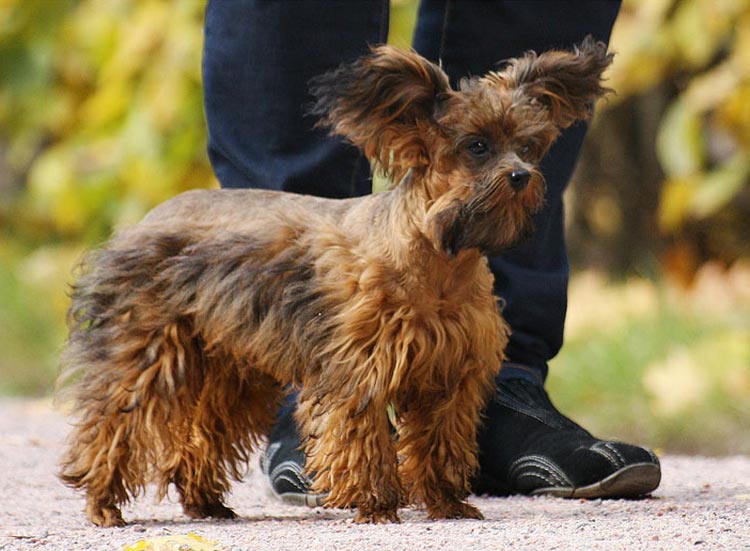
Petersburg Orchids are extremely low-maintenance. Of course, they're not outdoor dogs and can only be kept indoors or in an apartment. They take up very little space, and with regular brushing, excess hair loss will only occur during the shedding season. Orchids are neat, very clean, intelligent, and obedient, rarely misbehaving. Regular outdoor use is not necessary. Miniature Orchids are easily trained to use a pad and aren't thrilled with the idea of going for walks in inclement weather.
An orchid's beautiful, shiny coat is the result of a balanced diet, regular grooming, and the right cosmetics. Generally, caring for an orchid is easy. Brushing twice a week is sufficient. Trimming is done every one to two months. When bathing, it's crucial to choose the right shampoo and conditioner to prevent tangling.
Like any other dog, Orchid needs its eyes cleaned regularly to remove accumulated secretions from the corners, and its ears cleaned as needed, about once a week. It's also a good idea to train your dog to brush its teeth and have this procedure done several times a month or even daily.
Orchid pruning
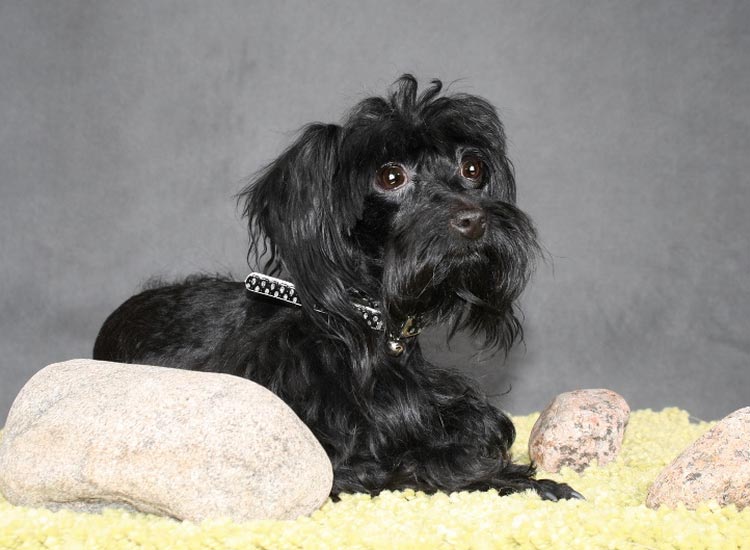
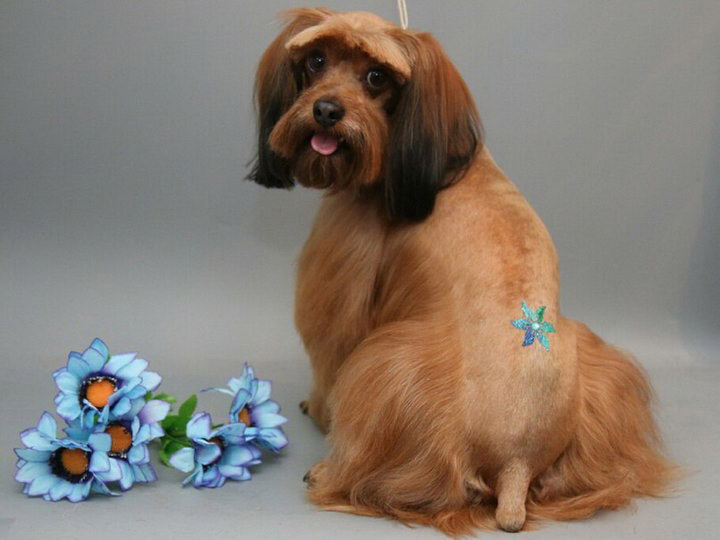
Breeders have developed a specific haircut that highlights the breed's strengths and creates a distinctive, original appearance. The hair on the neck and body is trimmed as with the American Cocker Spaniel. The hair along the back and chest is shaved to the shoulder joint. The head is left with a fringe, beard, and mustache. Long hair covers the ears. On the front legs, the hair is trimmed to the pasterns, and on the hind legs, to one-fifth of the hocks, then carefully leveled. The hair between the toes and pads is carefully trimmed. The tail is completely shaved.
Clothes for orchids
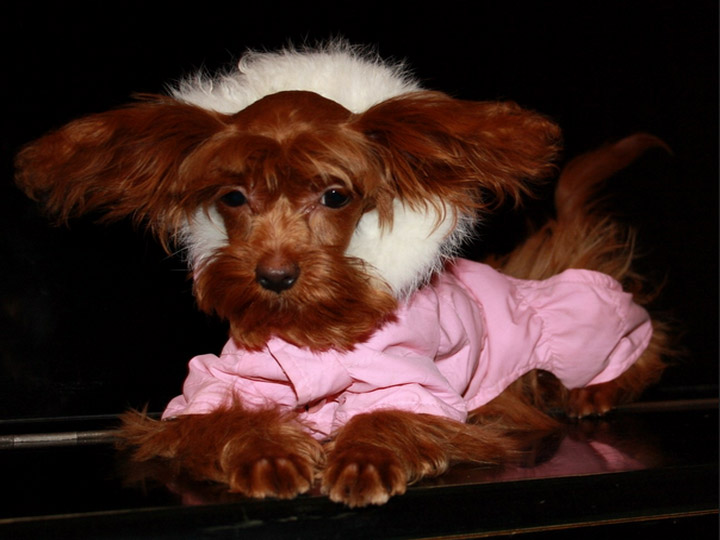
To prevent your beloved pet from getting too cold, protect them from rain, wind, snow, and cold by choosing clothing appropriate to the weather. Already cute dogs look even sweeter and more appealing in clothes. Clothing should be chosen based on the dog's size. It shouldn't restrict movement or be too loose. Clothing for other miniature breeds can be used as a reference. In addition to outdoor attire, pet stores offer a wide selection of clothing for home and special occasions.
Nutrition
The best option for the St. Petersburg orchid would be to select a high-quality one dry food From the miniature breed series. The amount of food is calculated based on the dog's weight. Supplementing with natural foods is not necessary, but biscuits, hard cheese, and boiled lean meat can be given as treats. Wet food is also suitable for the St. Petersburg Orchid, but mixing the two types is not recommended.
Health and life expectancy
It's too early to talk about any specific breed-specific health issues. The St. Petersburg Orchid is still in its infancy. Overall, these dogs are quite robust, but they do have some issues. Like other toy breeds, they can have dental problems. Young dogs are prone to fractures. Adults have stronger bones and are less likely to break paws. These dogs are sensitive to temperature fluctuations. In cold weather, they can catch a cold and become ill. Some dogs have sensitive digestion. The average lifespan is 13-14 years.
Breeding Features
Preserving the breed's characteristics and avoiding degeneration is possible only through strict culling, meticulous pairing, and rigorous analysis of the resulting offspring. Non-specialists who are unfamiliar with all the intricacies of breeding should avoid this type of breeding. Breeding should only be done under the guidance of experienced breeders. All matings of St. Petersburg Orchids are registered with the club, and pairings are also selected based on the characteristics of each individual dog.
Choosing a puppy and pricing for the St. Petersburg Orchid dog breed
Choosing a family member for the next 15 years is not something to be rushed. First, you need to decide what you're getting the dog for: whether it will be a couch potato or a companion, or whether you plan to participate in shows and breed it. If you have small children, it's not recommended to get very small dogs. They often fall victim to children's carelessness.
Future owners should understand that the breed developed by Nirova is called the Petersburg Orchid variety—the Neva Orchid. This is precisely what is stated in the patent received by the breed's creator. However, dogs called Nevsky Fleur (Fleur) are also available on the market. Currently, there is virtually no difference in appearance between the two dogs. Some scammers breed orchids according to their own rules, without the author's permission, and then, taking advantage of buyers' ignorance, sell mongrel dogs under attractive names, such as Moscow Orchid.
When purchasing a puppy from the breeder, the owner of a little Petersburg Orchid receives a complete package of documents, including a puppy card with the logo, club seal, and signature of the breed's founder, a sales contract, and a veterinary passport with vaccination records. All dogs have a tattoo on their inner thigh that begins with the letter T.
The official website of the Petersburg and Nevskaya Orchid breed club contains a list of breeders and kennels licensed to breed and sell puppies.
Prices for these dogs vary. A pet Orchid puppy costs an average of 25,000 rubles. Dogs for breeding and show purposes start at 30,000 rubles. There's no clear price limit, but they typically don't exceed 60,000 rubles.
Photos
Photos of dogs of the Petersburg and Neva Orchid breeds collected in a gallery.
Read also:


Add a comment