
Peruvian Hairless Dog
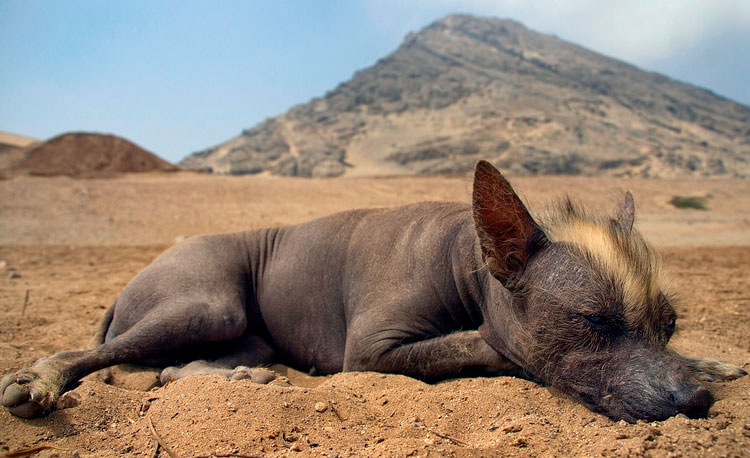
The Peruvian Hairless Dog is an ancient, primitive breed that existed long before the Inca civilization. It is believed to have originated sometime between the 3rd century BC and the 4th century AD. Peruvian dogs come in both hairless and coated varieties, and there are three different heights within the breed. They are calm and even-tempered, devoted to their families, and wary of strangers. Other names for the breed include Peruvian Orchid, Hairless Dog of the Incas, Viringo, and Calato.
Content
history of origin
The first Peruvian Hairless Dogs were brought to Europe in 1502 and presented to Philip the Fair in the royal hall along with other rich gifts from the New World. The breed's earlier history is more difficult to trace.
Archaeologists have found isolated traces of hairless dogs in the burial sites of the ancient Chivin Indian cultures in the Andes, who inhabited the area between 700 and 200 BC. Later, during excavations of the Nazca culture remains between 100 and 700 AD, traces of the Peruvian Hairless Dog have been discovered in the excavations of later cultures in the form of drawings, casts, and ceramics. Judging by the artifacts, dogs were highly valued by the Incas and considered intermediaries between the gods, the cosmos, and humanity. They were used for hunting, as messengers, and also as nighttime heating pads. There was a period in history when hairless dogs were considered guides to the afterlife and were buried with their owners. They were also renowned as healers, helping with musculoskeletal disorders and other ailments. Because of their spotted skin, they were called moonflowers or orchids. The origin of hairless dogs on the continent remains a mystery, but there are two versions: dogs came to South America from Africa or arrived from Asia via the Bering Strait.
The Peruvian Hairless Dog is an integral part of Peruvian history and culture, and is now recognized as a national treasure and protected by UNESCO.
Despite its ancient origins, for centuries the breed remained very small in number and virtually unknown outside its homeland. Everything changed in 1985, when, at the initiative of cynologist Ermanno Maniero, the breed was recognized by the International Cynological Federation (FCI) under the breed number 310 as the Peruvian Hairless Dog (Spanish: perro sin pelo del Perú).
Video about the Peruvian Hairless Dog (Inca Orchid) breed:
Appearance
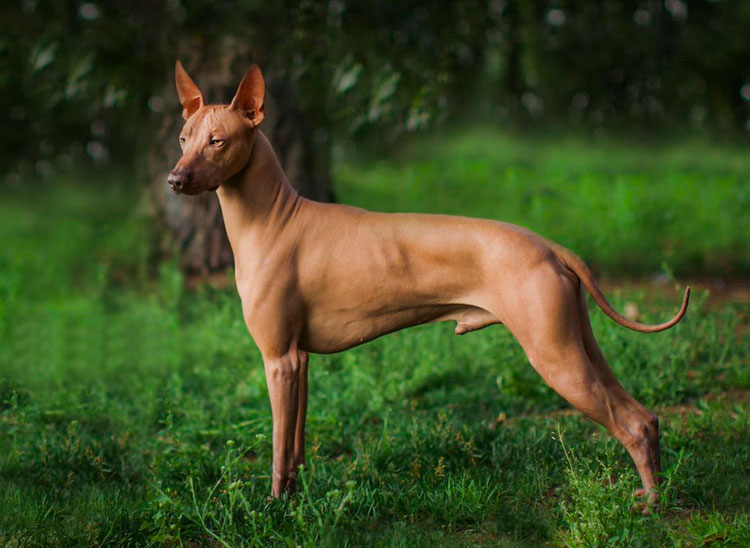
The Peruvian Hairless Dog is slender and elegant, its appearance expressing strength, speed, and harmony without a hint of coarseness. The body is square, slightly longer in females. Sexual dimorphism is well-defined.
There are three varieties of the breed according to size:
- Small: height ― 25-40 cm, weight ― 4-8 kg;
- Average: height ― 41-50 cm, weight ― 8-12 kg;
- Large: height ― 51-65 cm, weight ― 12-30 kg.
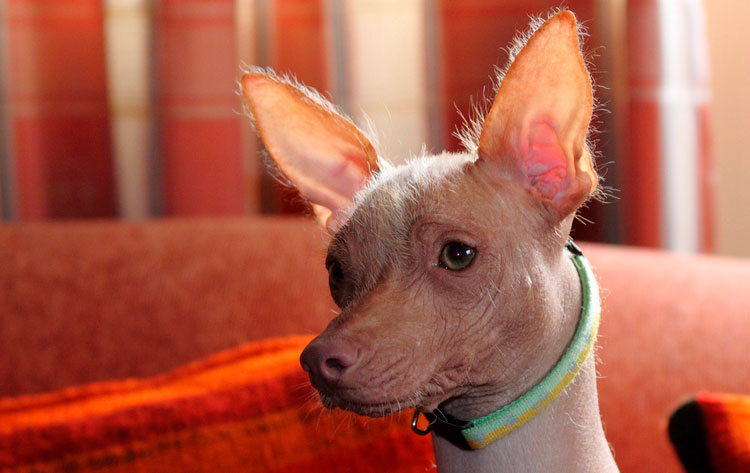
The head is wolf-like. The skull is broad, tapering toward the nose. The lines of the muzzle and forehead are parallel. The stop is only marked. The muzzle has a straight nasal bridge, well pigmented in a color that harmonizes with the color of the skin or coat. The lips are tight-fitting. The jaws are not strongly developed. Hairless dogs always have an incomplete dentition. The incisors meet in a scissor-like pattern. In coated dogs, the dentition should be complete, the teeth are normally developed, and the bite is scissor-like. The eyes are medium-sized, almond-shaped, and range in color from black to yellow. The ears are erect when the dog is alert, and are laid back at rest. They are of medium length, wide at the base, and gradually taper to pointed tips. When erect, the axes of the ears form an angle of 50 to 90°.
The neck is approximately the same length as the head, arched, flexible, and without dewlap. The body is of medium build, with a level topline, but in some dogs a prominent dorsolumbar convexity is visible, disappearing toward the croup. The withers are slightly defined. The back is straight, with well-developed muscles often forming a double convexity along the back to the lumbar region. The loin is muscular, strong, and approximately 1/5 the length of the height at the withers. The croup is rounded, sloping to the horizontal at an angle of approximately 40°. The chest reaches almost to the elbows, not too wide, with slightly sprung ribs. The underline extends in an elegant curve. The tail is set low, of good thickness at the base, tapering towards the tip. Its length reaches the hocks. The forelegs are vertical, well connected to the body, the hind legs are vertical with rounded, elastic muscles, and the arch of the ischial tuberosities is well defined. The paws are medium-length, "hare-footed," with strong, heat-resistant pads and well-developed webbing between the toes. Correct limbs provide the dog with a short, quick, soft, and flexible stride, with parallel movement.
According to the type of coat, there are two varieties of the breed:
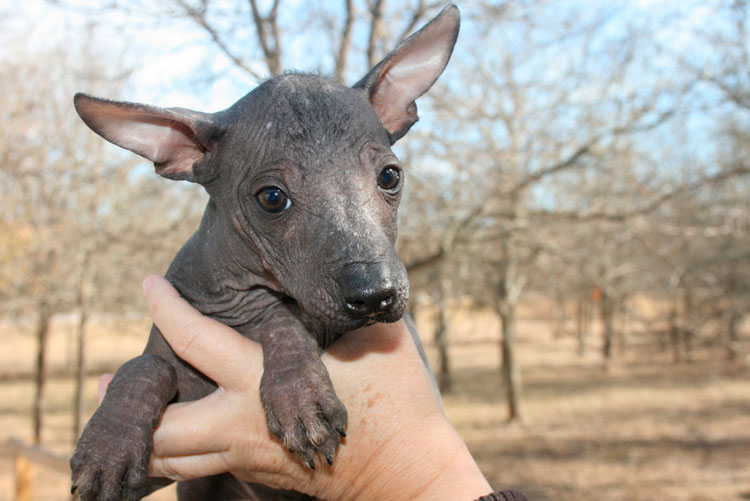
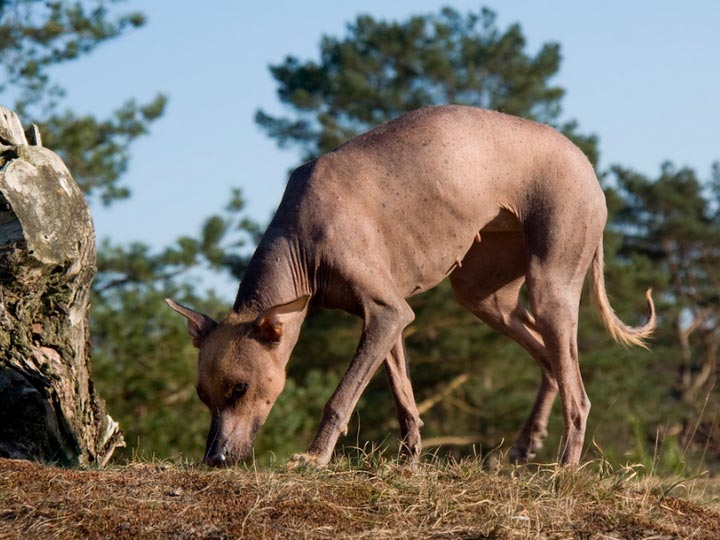
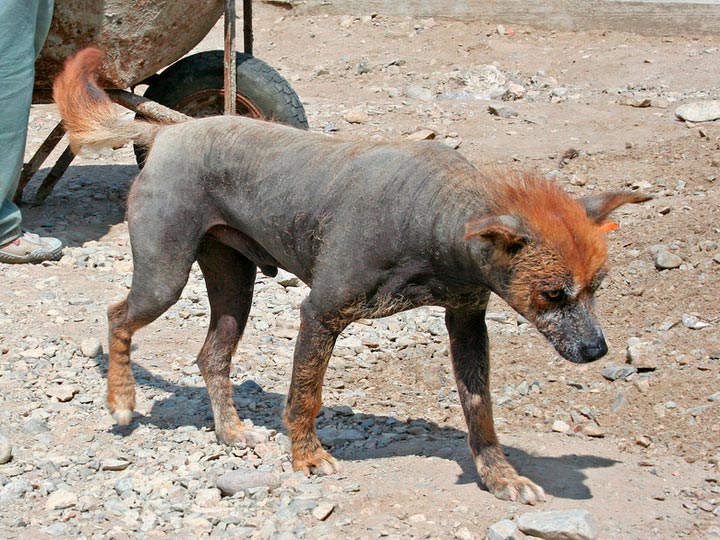
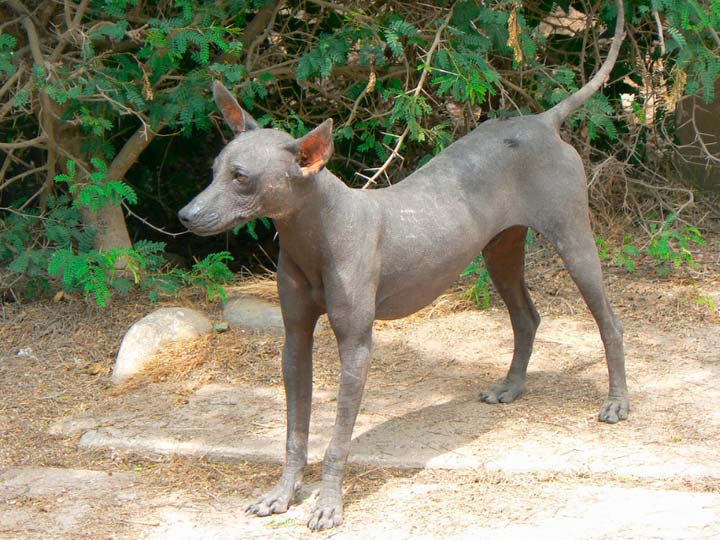
- Hairless. Skin color varies from black, through the full range of gray, blue-gray, dark brown, and even white. The coat may be solid or with light markings on any part of the body, as long as they do not exceed 1/3 of the coat. Solid colors are preferred. Remnants of fur are present on the head, lower legs, and tail; a few sparse hairs on the back are permitted.
- Woolly. The coat is smooth, short, and lies close to the body. Any color and any combination.
The difference between Mexican and Peruvian hairless dogs
It's worth noting that both breeds currently have many specimens that fall far short of the desired type. While it's often impossible to determine the breed based solely on appearance or photographs, it's not difficult to spot differences in the standards.
The Peruvian Hairless Dog is square in shape and medium in build, while the Mexican Hairless Dog is rectangular and robust. The topline is level in both breeds, but some Peruvians exhibit a slight arch in the back and lumbar region, with a lower line tucked up more at the belly. The Xolo is marketed exclusively as a companion dog; the Peruvian dog standard recently specified that they are sighthounds, and they are still very fast runners.
Character and behavior
The Peruvian Hairless Dog is noble, even-tempered, and wary of strangers. It possesses a strong watchdog and protective instinct. Calm and alert, it forms strong bonds with its home and loved ones, and dislikes being touched by strangers. It's worth noting that the temperaments of primitive Peruvian Hairless Dogs vary greatly, from docile and responsive to independent and willful, which is much less common. Size also plays a role. Small Peruvians are more "decorative," while larger ones are more self-sufficient, capable of guarding and protecting. Furthermore, owners note that hairless dogs are more independent, while coated dogs are more affectionate and loyal.
The Peruvian Hairless Dog is a true companion. It's very sweet and affectionate, and gets along well with other pets. Possessing a strong guarding instinct, it barks relatively rarely, usually only when necessary. It's very friendly. refers to children, is rarely jealous or capricious.
Peruvian Hairless Dogs become true members of the family. Like little children, they delight in treats, new clothes, and attention. They strive to be close to their owner at all times.
Peruvian Orchids make good companions for older children, energetic people, and those who lead a moderately active lifestyle. Hairless dogs adapt to any environment. They are virtually trouble-free in domestic situations, are clean and tidy, and when outdoors, they tend to stay close to their owner and avoid conflict. They retain varying degrees of a love of running and chasing small animals, which is important to consider during training and socialization.
Education and training
Peruvian Hairless Dogs are intelligent and quick-witted. At a young age, they can be overly curious and somewhat stubborn, making standard training difficult. If you find the right approach to a puppy, training will be easy and yield good results. Simple commands and house rules are taught from an early age. Peruvians are trained gently but firmly, constantly showing who's boss and not allowing them to get on your neck. Comprehensive socialization is essential for a Peruvian dog.
Peruvian Hairless Dogs are increasingly seen in agility, flyball and coursing.
Content Features
The Peruvian Hairless Dog is ideal for house or apartment living. Naturally, kennel living is not recommended for them. Hairless dogs' skin is sensitive to cold and UV rays, and they tan very quickly in the summer. Sunbathing should be limited or protected with sunscreen. To maintain health and fitness, Orchid dogs need plenty of exercise, and given their history as sighthounds, they need the opportunity to run freely. Playing with other dogs is encouraged. Swimming is a beneficial activity for dogs with a love of water.
Clothes for the Peruvian Hairless Dog
For walks in cold weather, clothing and footwear should be selected according to the weather. Dogs should begin to warm up at temperatures around +5°C. Clothing for these dogs is not a whim, but a necessity. In summer, T-shirts protect them from the scorching sun. As cold weather sets in, blankets, sweaters, and jackets allow dogs to spend longer walks outside without developing hypothermia or frostbite. Clothing should be appropriate for the dog's size and weather conditions, and should not restrict their movement. In frosty weather, a hat is essential to protect the delicate ear flap to prevent frostbite.
Care
Grooming a Peruvian Hairless Dog isn't as difficult as it might seem. Residual hair is usually brushed after bathing. The frequency of washing varies from person to person. After bathing, the skin is moisturized with moisturizing oil. Cosmetics are selected individually. These can include professional dog products or hypoallergenic baby products.
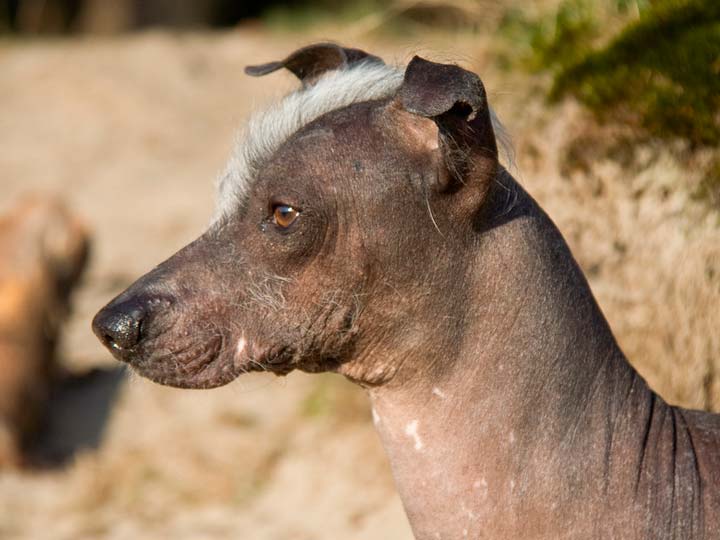
As hairless dogs age, they develop wrinkles, just like people. A senior Peruvian Shepherd Dog can be seen in the photo gallery.
Dogs with long coats are regularly brushed and combed. Particular attention is paid to the area behind the ears, where the fur is soft and prone to matting. Shedding lasts for 2-3 weeks. The rest of the year, dogs they don't extendBathe your cat's fur no more than 5-6 times a year, otherwise it can become very sparse, dull, and tangled. This doesn't apply to the paws and belly, which should be rinsed after a walk if necessary.
Ears are cleaned once a week. Puppies around 3 months of age often have their ears pinned in an upright position to help the cartilage strengthen. Ears rarely stand up on their own. In the summer, keep the ears moistened more often to prevent the thin skin from drying out. Nails are trimmed as needed, usually every 3-4 weeks. Particular attention should be paid to the teeth and oral cavity. Regular cleaning won't prevent tooth loss, but it will help prevent it. tartar and keep the rest as healthy as possible.
Nutrition
Most breeders and owners prefer to feed Peruvian Orchid dogs commercially prepared dry or wet food, whether super-premium or holistic. The food is selected based on the dog's age, size, physiological condition, and, of course, taste preferences. Veterinarians note that hairless dogs are prone to allergies and weight gain. As Peruvians age and begin to lose teeth, they are transitioned to canned food or soaked dry food.
Health and life expectancy
Most Peruvian orchids are generally healthy. Hereditary diseases occur with varying frequency in different lines, and some diseases or predispositions are associated with hairlessness.
- Skin problems including malignant and benign tumors;
- Epilepsy;
- Allergy;
- Pancreatitis and other gastrointestinal problems.
- Hairless dogs begin to lose teeth at about 2 years of age.
The average lifespan of a Peruvian orchid is 11-13 years. Hairless dogs require standard veterinary preventative care, including regular medical examinations, vaccinations, and treatment for external and internal parasites.
Some insecticides may be toxic to them, so care must be taken when using them.
Features of genetics
The Peruvian Hairless Dog's hairlessness is caused by a dominant gene. Its effects are characterized by the presence of residual sparse hair on the tail, legs, head, and ears, as well as dental anomalies, including complete toothlessness. According to research, three breeds—the Peruvian, Mexican And Chinese Crested The genetic basis is similar. In the American Hairless Terrier, hairlessness is caused by a different, recessive gene, so it is not associated with dental changes.
Choosing a Peruvian Hairless Dog Puppy
A single litter of Peruvian Hairless dogs can produce both hairless and coated puppies. Coated puppies were previously excluded from breeding, but they have recently been allowed to participate in shows and breeding to expand the breed's gene pool. These puppies must be from hairless parents who are properly registered in the studbook or have pedigrees. Coated dogs are only bred to hairless dogs; matings between two coated dogs are prohibited. Furthermore, the FCI has recently allowed matings of adjacent size varieties, such as small-medium and medium-large. With such matings, it can be difficult to determine the size of the puppies. All of this should be taken into account when choosing a puppy.
For obvious reasons, breeding between Mexican and Peruvian dogs is prohibited. Furthermore, it is not advisable to use dogs of the other breed type for breeding.
Before searching for a breeder and a puppy, you should study the breed standard, look at photos, and attend a show, preferably a single-breed show. A puppy should be evaluated based on all its characteristics and not based on price. A good dog doesn't come cheap. The breed is small, most breeders know each other, and everyone praises their own dogs, but they can often slander their competitors. It's best to carefully consider all possible options and weigh any information.
Young puppies must meet the standard. Attention is paid to the number of teeth. Permanent teeth may be fewer than deciduous teeth. Externally, the puppy should be completely healthy, without redness, crust, or streaks, moderately well-fed, active, and curious. The breed is quite rare, but the overall quality of the herd in Russia and Europe is high. Puppies must be branded and have a birth certificate, be dewormed, and vaccinated.
Price
The breed's exclusivity and rarity allow breeders to maintain high prices for their puppies. Puppies in kennels cost an average of 60,000 rubles. Large and standard puppies are usually slightly cheaper than miniature puppies, male puppies are cheaper than female puppies, and coated puppies are cheaper than hairless puppies.
Photos
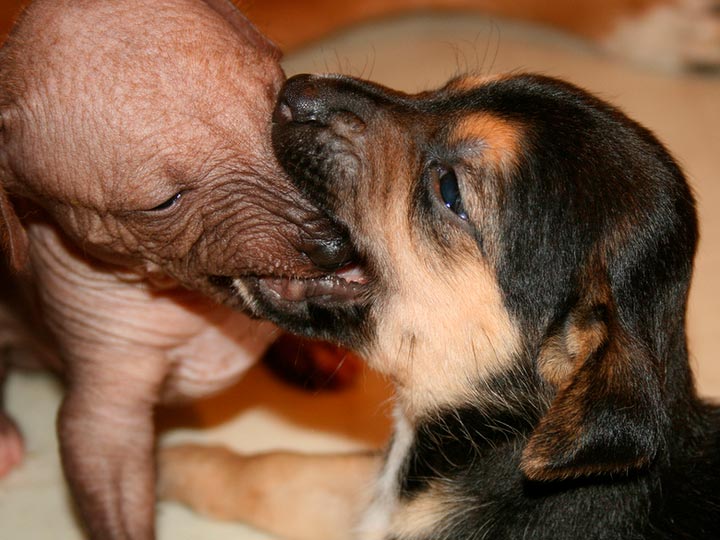
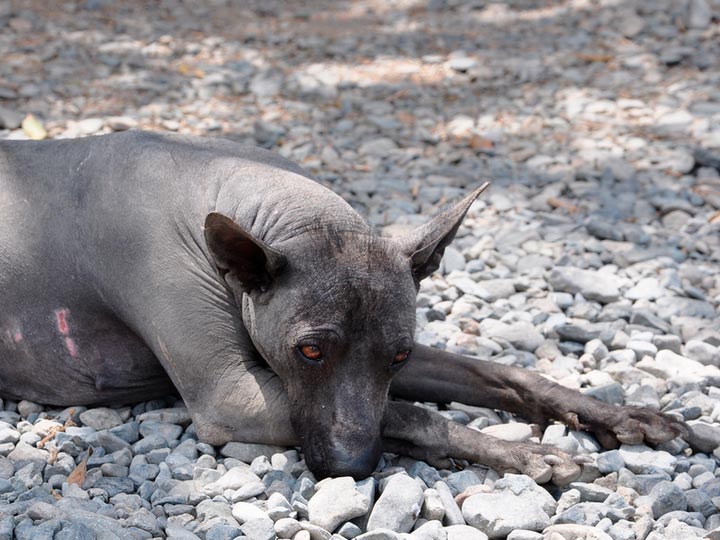
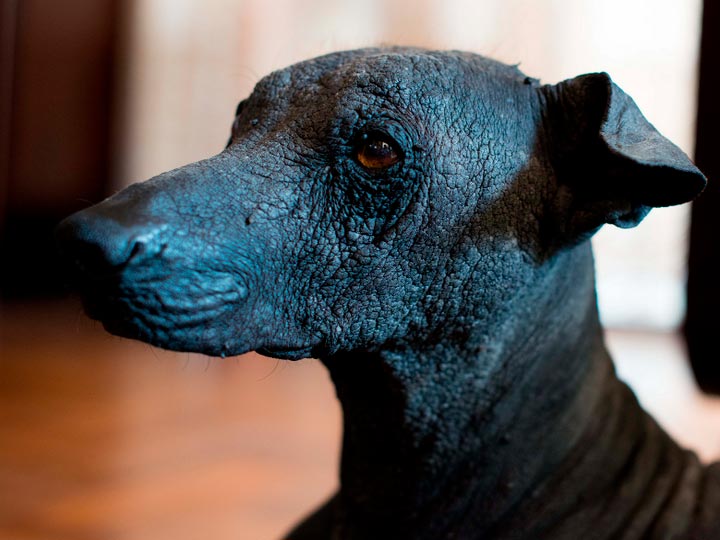
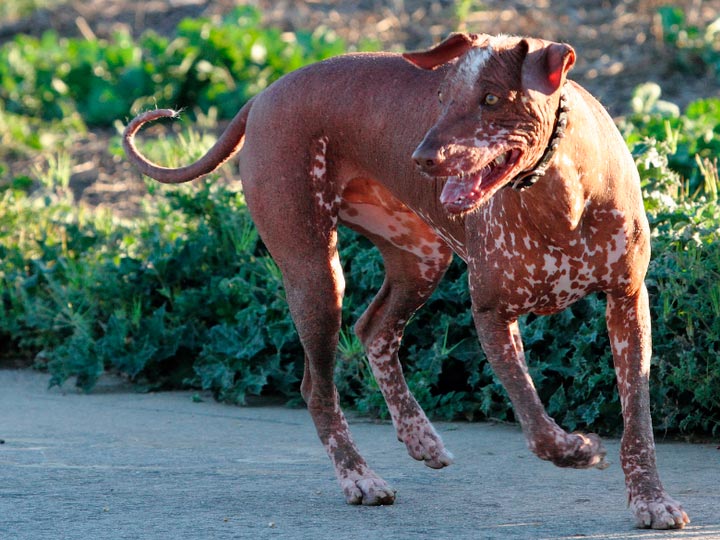
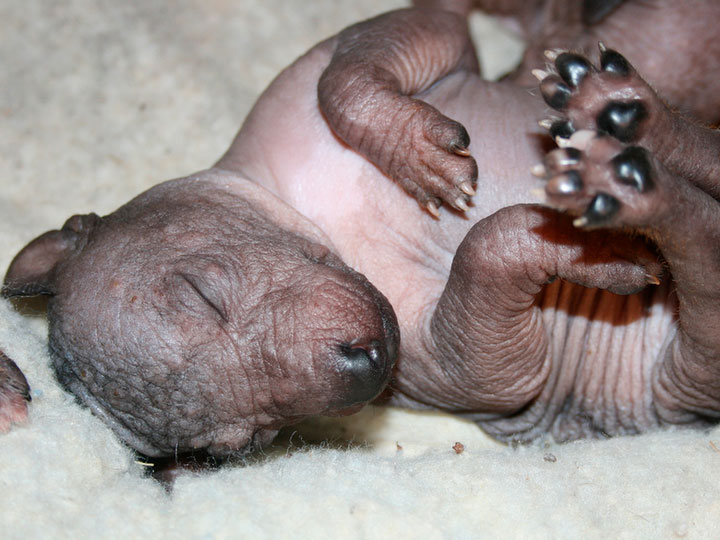
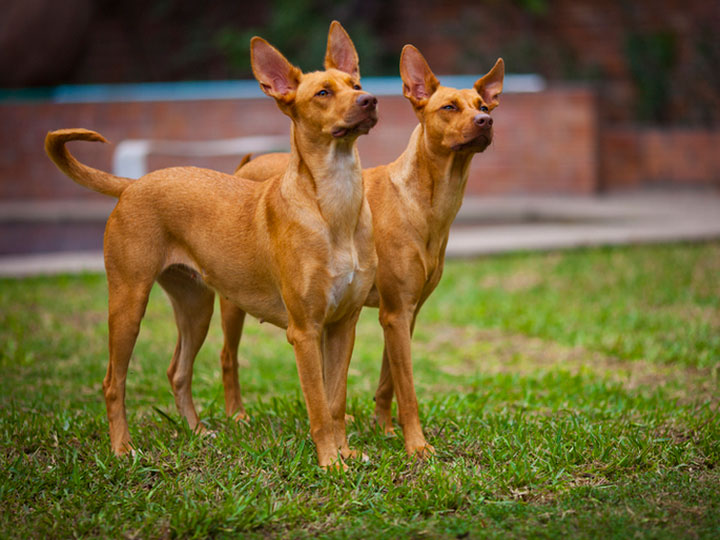
The gallery contains photos of dogs of the Peruvian Hairless breed (Peruvian Inca Orchid).
Read also:


1 comment
Elena
I searched and searched... Where is at least one photo of a shaggy one in the breed?
She's a Chinese powder puff. We want a mate, not for breeding. I wanted to see her.
Add a comment