
Persian cats and male cats
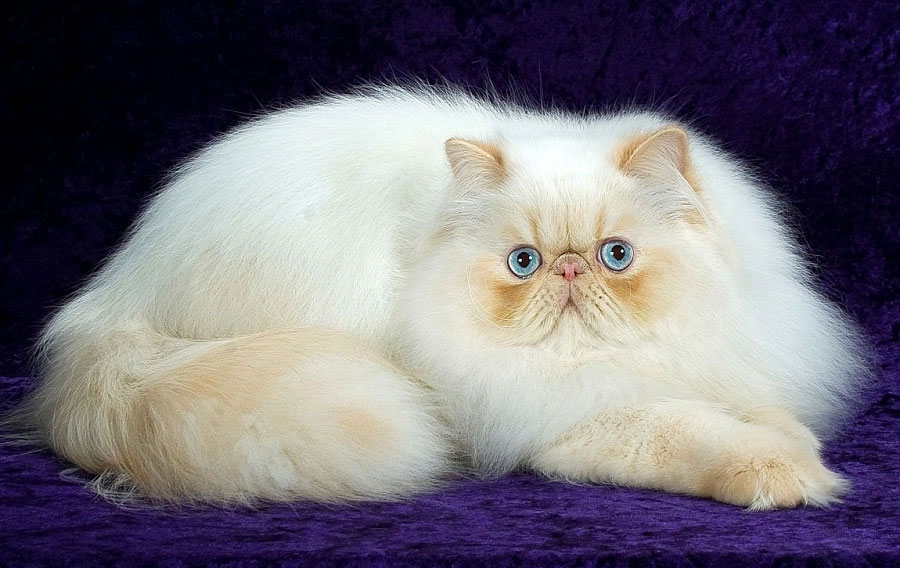
Persian cat – one of the most popular long-haired breeds, which has won the love of people in different countries with its impressive exterior and docile, affectionate nature.
Content
Breed characteristics
Persians are melancholic and owner-oriented cats, whose genetic makeup minimizes the desire to hunt, conquer peaks, and seek adventure outside the home.
|
Original title |
Persian cat |
|
Country of origin |
Iran (Persia) |
|
Weight |
3.5-7.0 kg |
|
Life expectancy |
15-20 years |
|
Price of a kitten with a pedigree |
$2,000 – $3,000 |
Based on feedback from Persian cat breeders and owners, we have compiled a rough table characterizing the fluffy representatives of this breed:
|
Parameter |
Level |
Points |
|
Size |
|
3 out of 5 |
|
Intelligence |
|
3 out of 5 |
|
Playfulness |
|
2 out of 5 |
|
Health |
|
3 out of 5 |
|
Picky eating habits |
|
4 out of 5 |
|
Activity |
|
1 of 5 |
|
Friendliness |
|
3 out of 5 |
|
The need for communication |
|
4 out of 5 |
|
Molting |
|
5 out of 5 |
|
Attitude towards children |
|
3 out of 5 |
|
Attitude towards strangers |
|
3 out of 5 |
|
Cost of maintenance |
|
4 out of 5 |





Origin of the breed
The Persian cat's homeland is Persia. It was in what is now Iran that unusual long-haired cats were first spotted in the 17th century, and they were sent to Italy for breeding. Another version of the Persian cat's origins holds that the arrival of the long-haired oriental cat in Europe marked the beginning of the Persian cat's history.
The second version of the breed's origins holds that the Persian cat was brought to Europe from the cold regions of Russia. It was precisely because they lived in a harsh climate that nature endowed them with thick fur. Only later did these charming cats make their way to the East.
Proponents of the third theory claim that the Persians owe their origins to the famous slow-moving Pallas's cat, which interbred with Asian domestic cats, passing on to its descendants their beautiful round eyes, flat muzzle, and thick fur.
It is not known for certain which version is correct, but in the mid-20th century, two branches of the breed began to develop in parallel - European and American, which, after more than 100 years of selection, have a number of differences in appearance.
Exterior
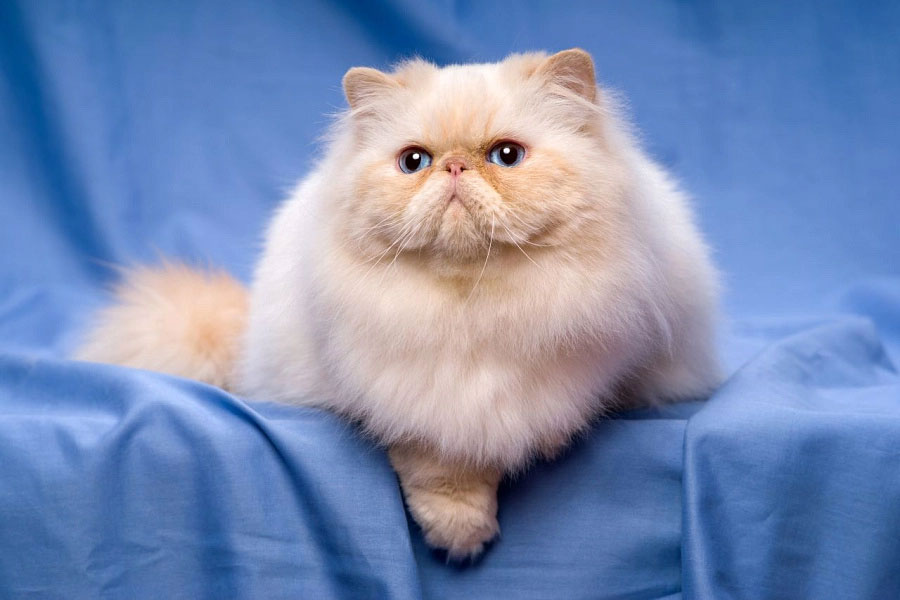
Persian cats are large and strong, characterized by a distinctive build and head structure. Their bodies are stocky and solid, with a deep, broad chest. Persian cats are distinguished by their powerful back and shoulders.
The standard gives the following description of the breed representatives:
- body – muscular, large, massive;
- head – large, with a clearly defined croup;
- nose - short or depressed;
- ears - small, set wide apart;
- legs – straight, strong, short with hairy paws;
- the toes on their paws fit tightly together;
- tail – large, fluffy, always directed downwards;
- coat – long with thick undercoat (up to 20 cm in the collar area).
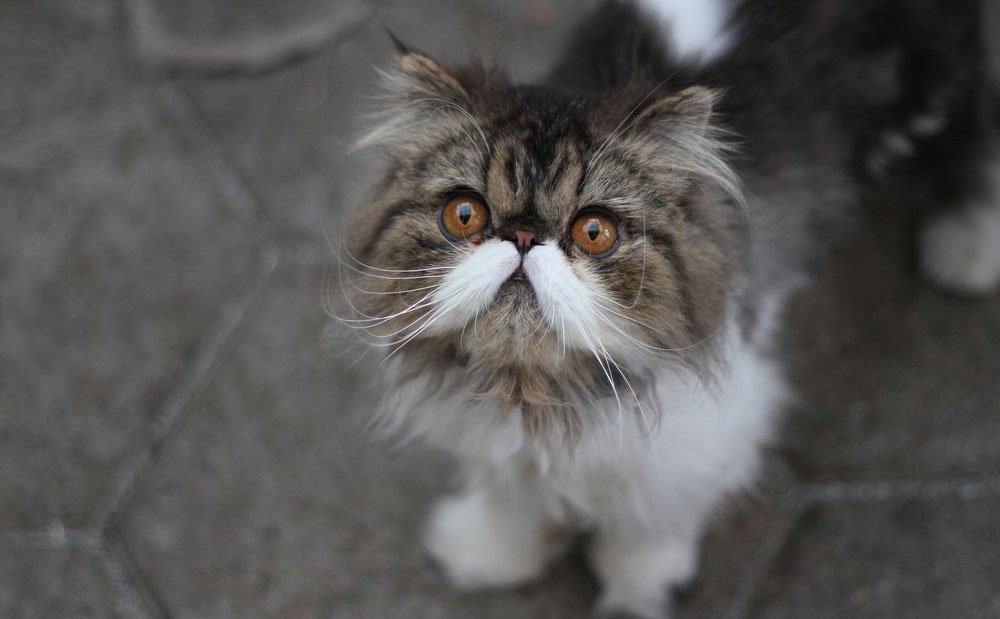
Representatives of the breed with an extremely flattened muzzle are called “extreme” or “exotic”.
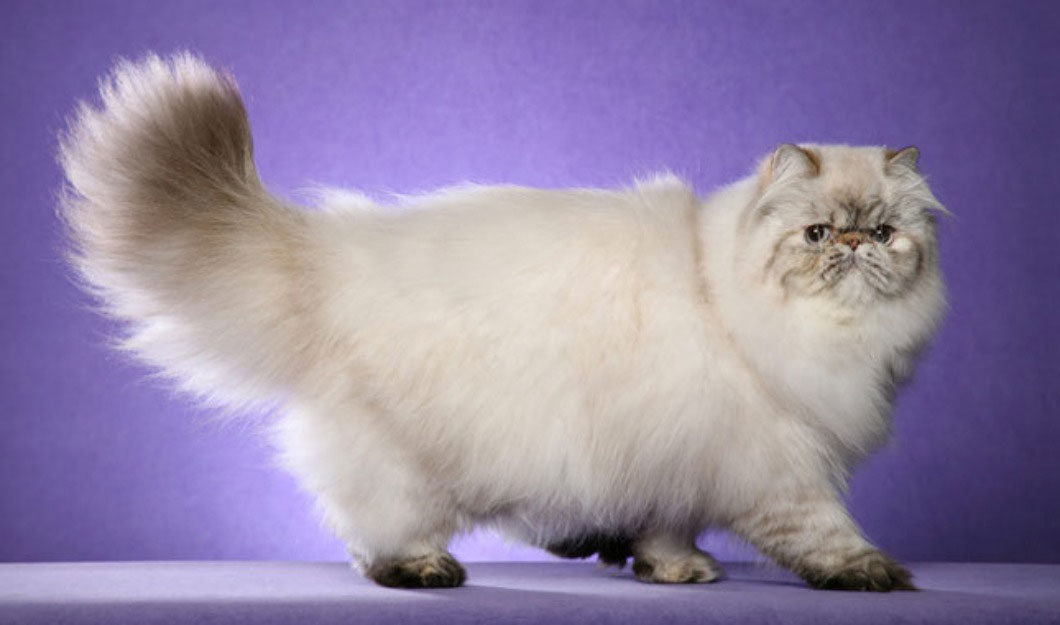
Today, there are more than 100 color variations of the Persian cat, from solid colors (including white, black, red, ash, blue), to tortoiseshell, smoke, point and tabby.
Character
Each Persian cat is an individual, yet they share traits such as poise and calm. They are affectionate and patient cats who obey their owners unquestioningly.
Persian cat breeders are always thrilled to tell their friends and acquaintances about their pet. And for good reason – these responsive animals readily communicate and enjoy playing with their owners. Persian cats have a naturally gentle and pleasant voice, but it's rarely heard. These pets are very affectionate and, of course, hope for reciprocity. Despite being very pampered creatures, they won't "beg" for their owner's constant attention, unlike more outspoken felines.
Persians are extremely loyal to their owners, but so proud that they avoid displaying their devotion, always trying to dominate the household. However, they are quite docile if they are shown genuine love and kindness.
But if even then your Persian beauty doesn't quite warm up, be patient: time will come when she'll submit, completely trusting her owner. In any case, you'll have plenty of feline affection, as they simply adore spending time lying on their human's lap or shoulder, purring with pleasure.
Please note! Persian cats, being people-oriented, do not tolerate being left alone for long periods of time and can sometimes be annoying, following their owner around and persistently demanding affection. It's also worth keeping in mind that these cats are not suited to outdoor life.
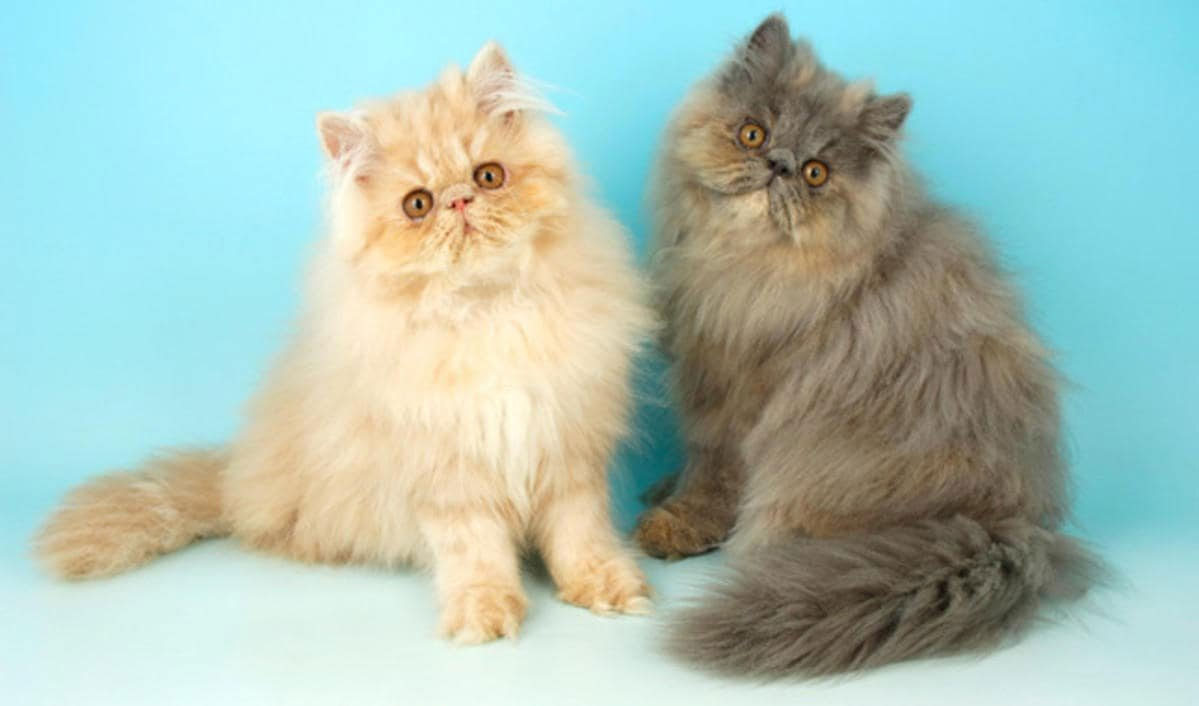
The Persian cat is an excellent choice for families with other pets or children. Calm, with virtually no hunting instinct or desire to dominate, Persians get along well with dogs, other cats, and even birds or rodents. A Persian's affection for a child will largely depend on the child's ability to respect the cat's personal boundaries. Persians are not aggressive, but they are not always willing to tolerate a child's clinginess indefinitely.
At the same time, most young and active representatives of the breed will happily respond to a child's attempts to engage the pet in a fun game, and sometimes will not resist learning simple commands.
Care and maintenance
Because Persian cats have long fur, they need to be gently brushed every day, and if possible, even twice a day for 30 minutes. This will not only help your pet look beautiful but also keep them healthy. Cats' fur is prone to matting, which is very difficult to remove and painful for the cat.
Persians shed year-round, and failure to brush their fur regularly can lead to hair ingestion, which can form into balls in the stomach. This can lead to stomach and intestinal blockages.
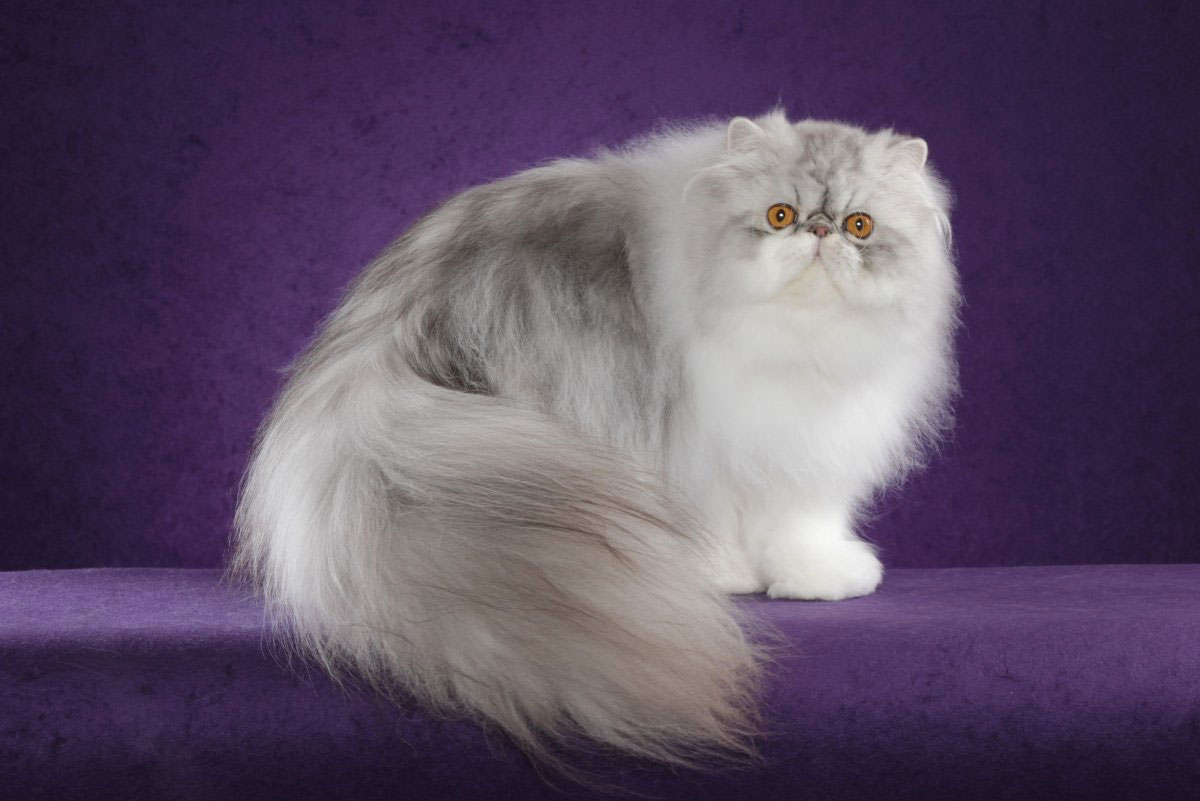
If you let your pet run around in the garden, their fur may become tangled with dry leaves, rolling pins, and other debris. Remember to thoroughly comb your cat's fur immediately after a walk with a wide-tooth comb, then comb it again with a fine-tooth comb to remove all dead hair. Don't forget to also brush between their toes.
If mats do form in the coat, they can be removed with a mat cutter or trimmed. However, cutting the coat completely is not recommended! Cutting it short can cause significant stress and discomfort to the animal.
You should also regularly clean your pet's eyes with a damp swab. Many individuals of this breed often have watery eyes due to a shortened tear duct. Persians' ears should be cleaned twice a month with cotton swabs.
Nutrition
WITH nutrition of Persian cats There are no particular problems. Almost all representatives of the breed love:
- fish and meat;
- sour cream, cottage cheese or yogurt;
- oatmeal, buckwheat or rice porridge;
- various vegetables.
Dry food is also suitable, but remember that for daily feeding, you should buy premium or super-premium food. Cheap, low-quality dry food can cause allergies in Persians, causing them to suffer and their coat to lose its original luxurious appearance.
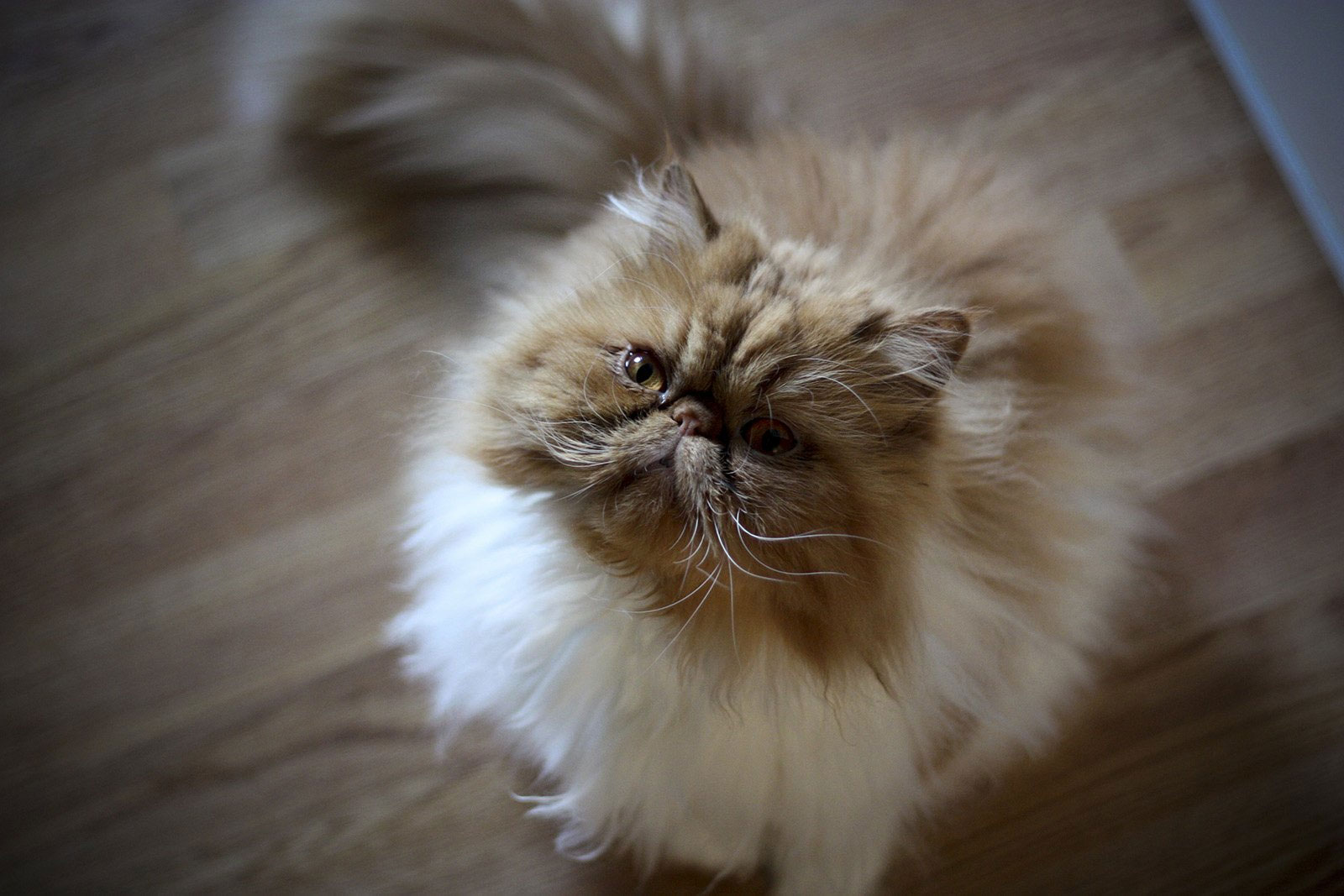
Don't forget about vitamins—just don't overdo it. Persians especially need taurine, which is found in animal products. A deficiency can lead to reproductive problems, heart disease, and blindness.
Health
In general, Persians are considered a healthy breed, but they have some feline traits.
Some of the most common diseases include polycystic kidney disease, hereditary blindness, corneal ulcers and gingivitis.
Among the diseases that Persians are susceptible to, veterinarians highlight:
- hypertrophic cardiomyopathy (more common in male animals);
- retinal atrophy;
- polycystic kidney disease (affects about 5% of the breed);
- renal failure;
- diseases of teeth and gums;
- increased lacrimation.
Due to their brachycephalic build, Persians are prone to problems common to all short-faced cats: snoring and breathing difficulties. In most cases, this condition doesn't significantly affect their health, but in severe cases, surgical restoration of nasal breathing may be necessary.
Choosing a kitten
A healthy purebred kitten should be playful and active. Its coat should be shiny and its skin clean, and there should be no discharge around the eyes or ears.
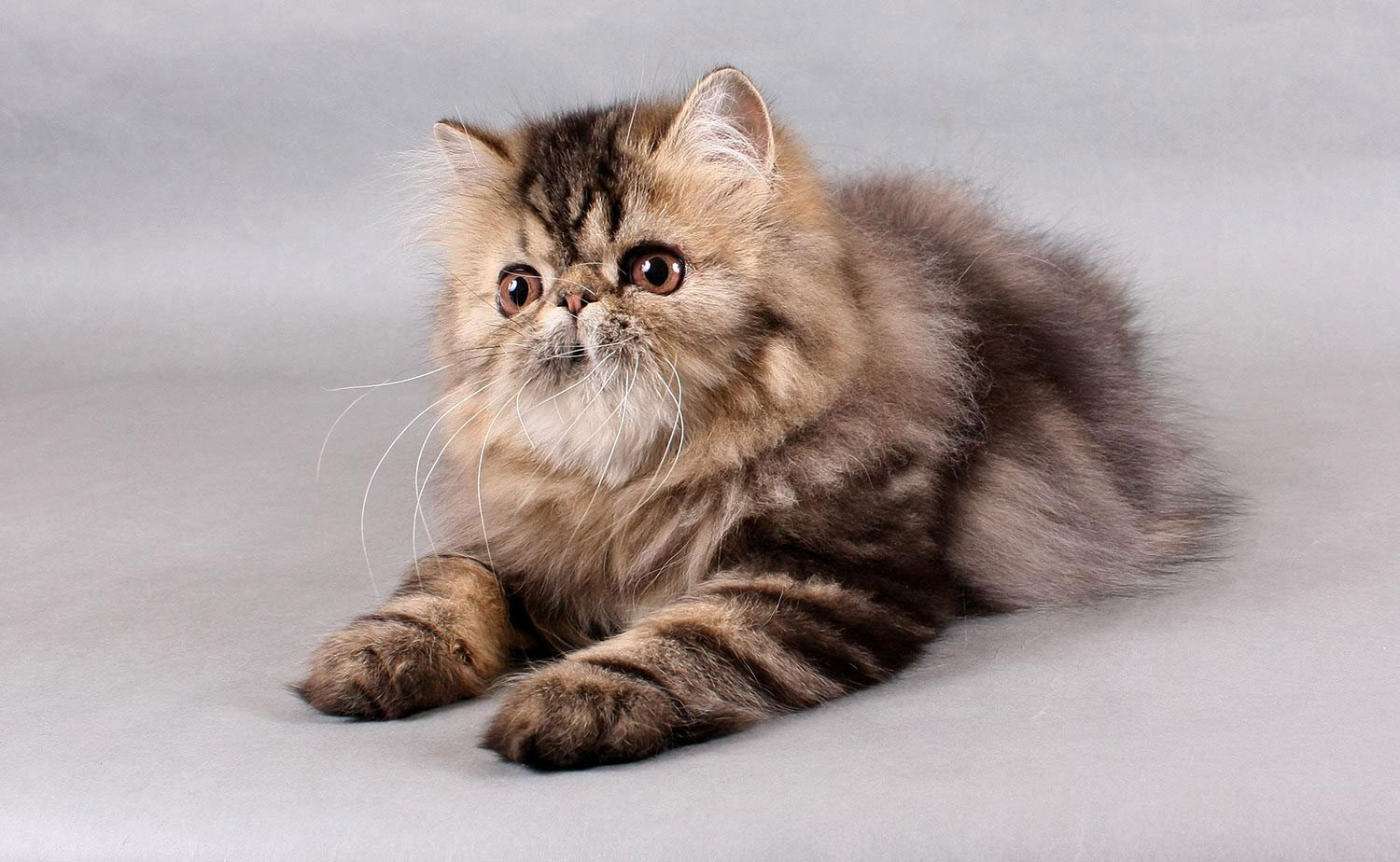
Feel the kitten's tummy—it should be soft, and the smell from its mouth should be fresh. The anus should be covered in fur. The seller should provide you with a pedigree and other documents and certificates. If possible, they should also show you the kitten's previous home and care instructions. If you're buying a kitten from a pet store, be sure to pay attention to the mother cat and the living conditions.
Photos of Persian cats
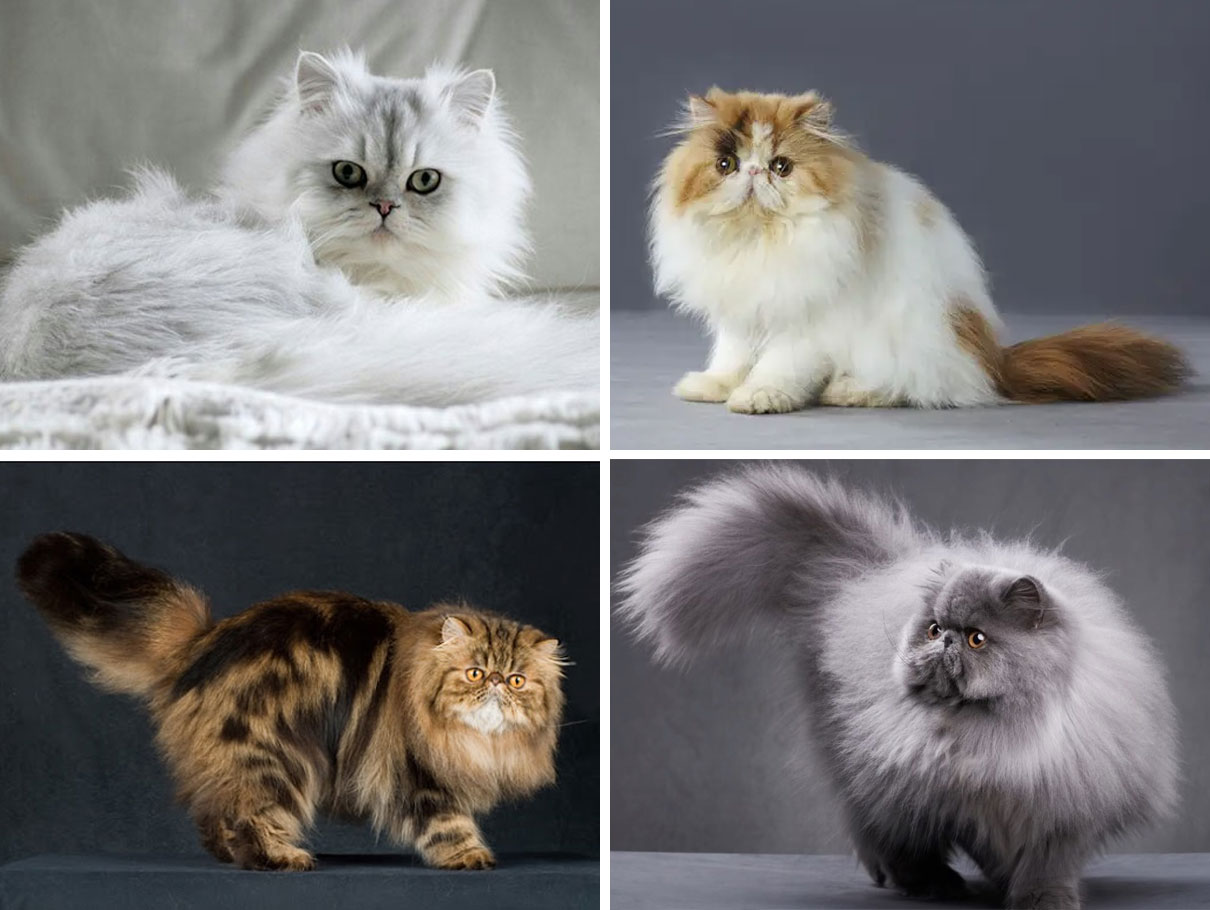
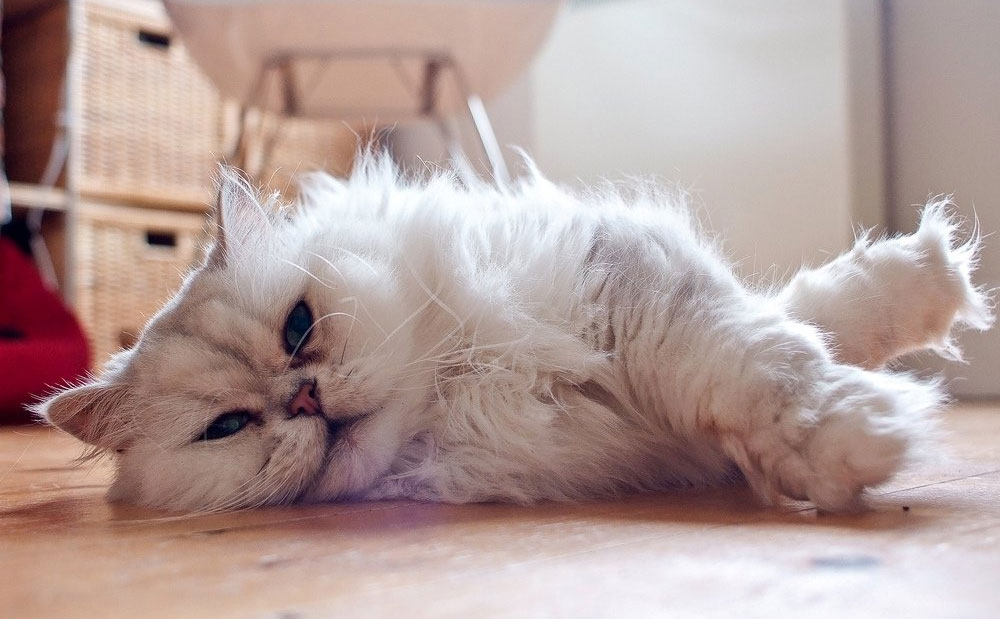
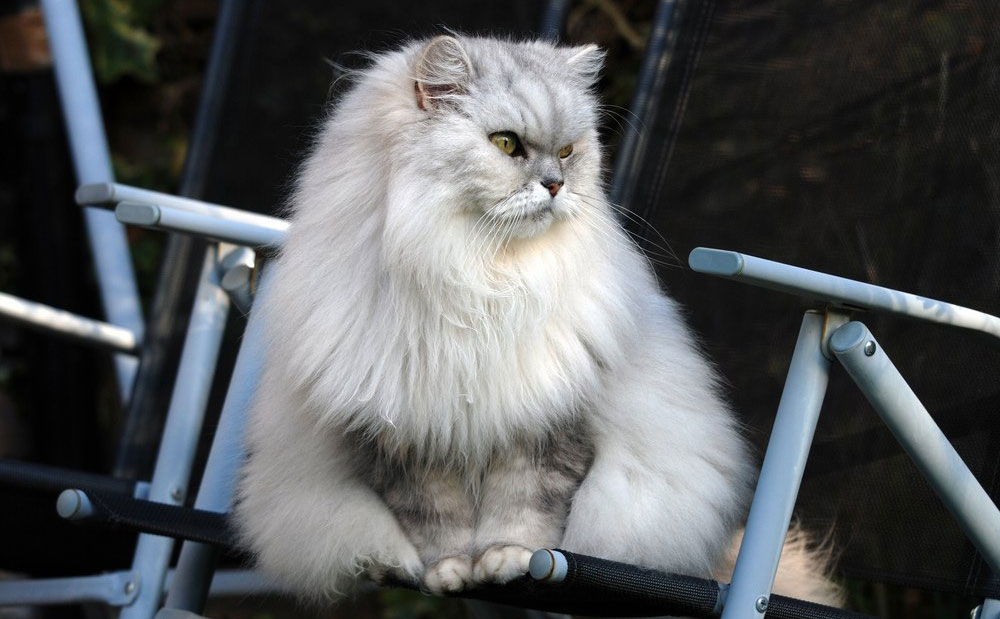
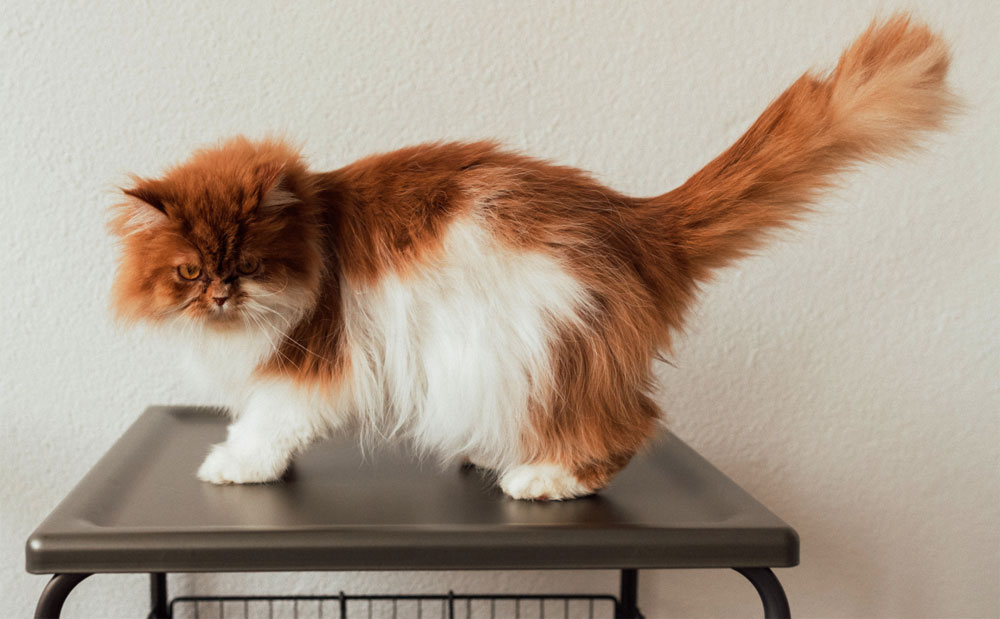
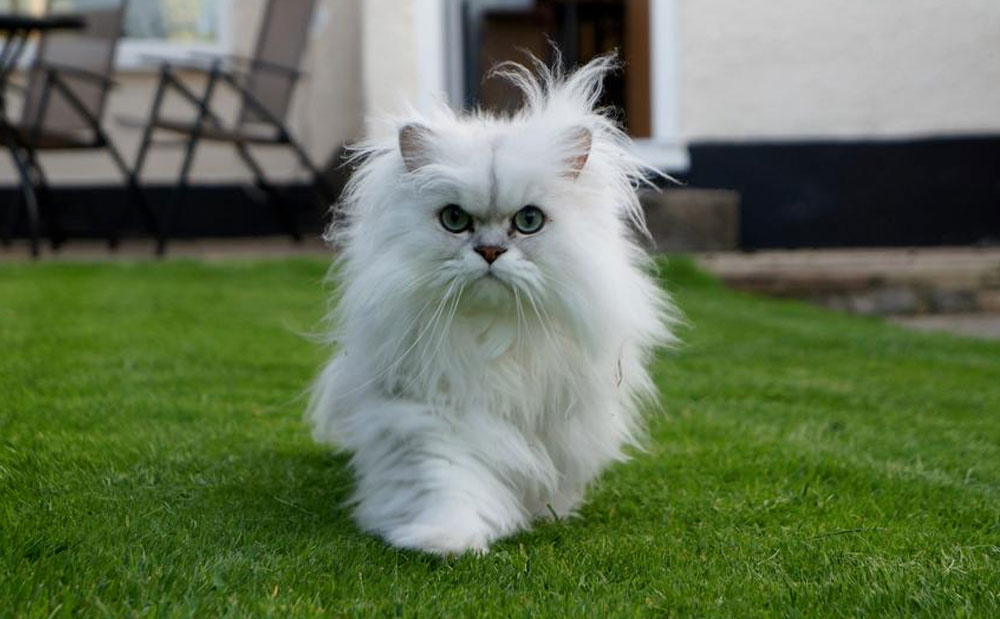
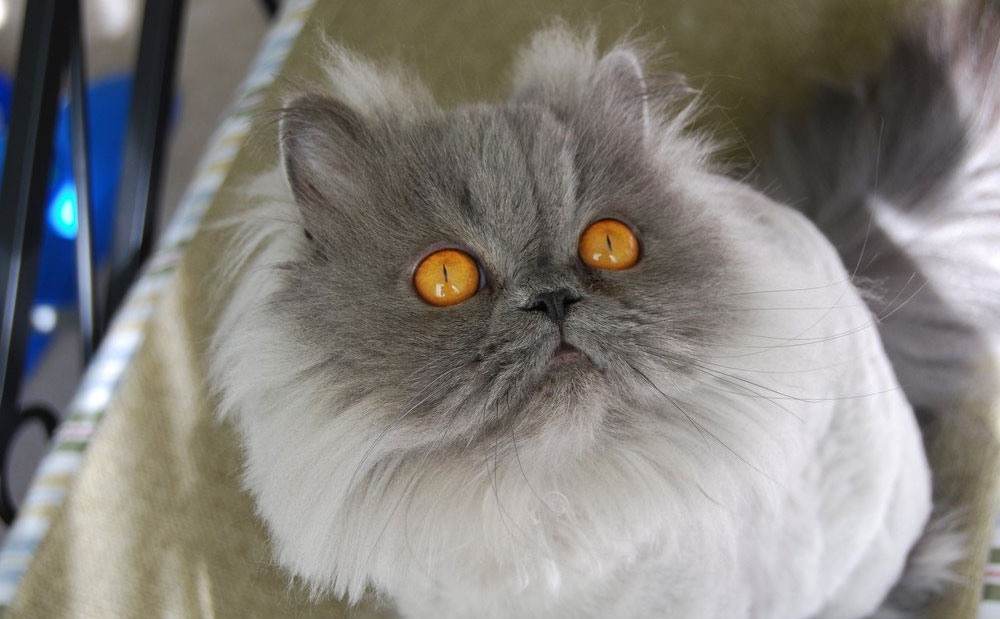
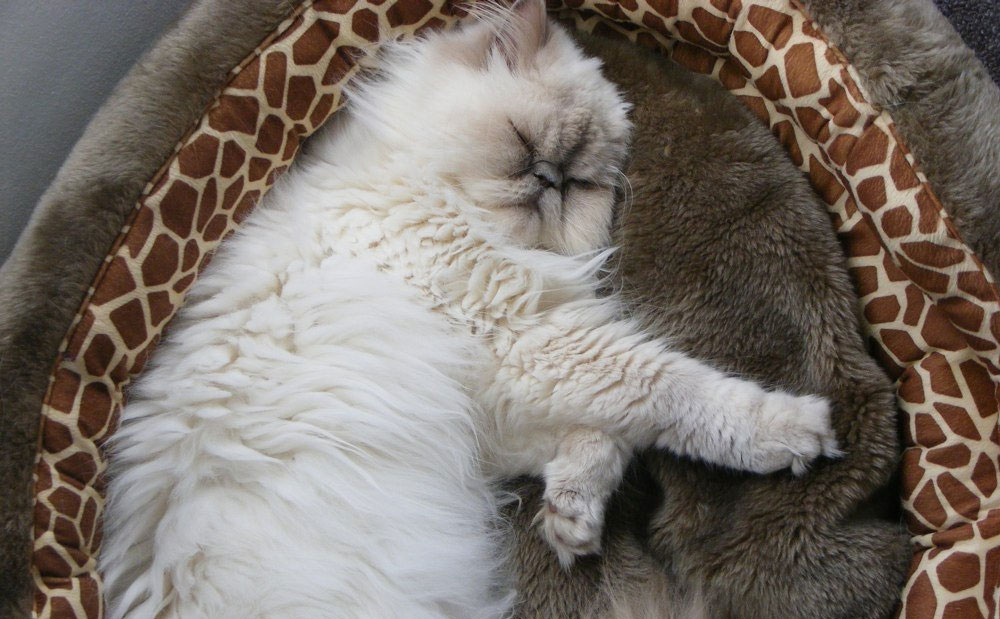
These photos demonstrate just how diverse and different Persian cats can be:
Video review of Persian cats
Read also:


Add a comment