
Pericarditis in Dogs: Symptoms and Treatment
Pericarditis is an inflammatory disease of the sac-like membrane surrounding the heart. This sac-like protective membrane (pericardium) consists of two layers: an outer (fibrous) layer and a two-lobed inner (serous) layer. The narrow space between the lobes of the serous pericardium is filled with a clear proteinaceous fluid. Inflammation of the pericardium is usually a secondary condition. According to statistics, pericarditis is more common in dogs over 5 years of age, primarily males. Breeds predisposed to this condition include retrievers, Labradors, Great Danes, and German Shepherds.

Content
Reasons for development
Pericarditis develops as a result of increased secretion of lubricating fluid by the cardiac membrane, which is a compensatory reaction of the pericardium to the problems that have arisen.
The reasons may be:
- a history of serious illness;
- sluggish chronic disease (tuberculosis, rheumatism, hepatitis);
- viral, bacterial, fungal, protozoal infections;
- direct or closed injuries to the pericardium (blow to the chest, fall from a great height);
- poor diet;
- frequent hypothermia;
- increased physical activity;
- oncology.
Types of pericarditis
Pericarditis in dogs can be acute or chronic. There are several types of this disease.
Fibrinous
It develops when fibrinous blood leaks from the serous membrane into the pericardial cavity. This form of pericarditis is called "dry" because it disrupts the lubrication of the pericardium, causing it to become rough and calcium salt deposits to form between the layers of the serous membrane.
Exudative
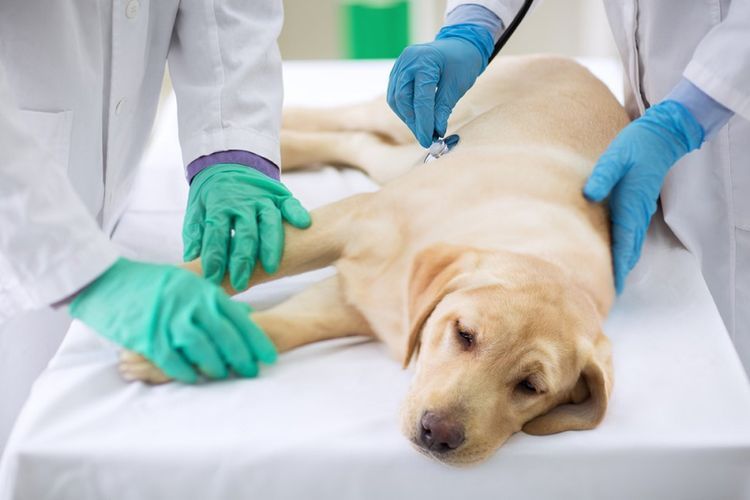
The development mechanism of this form is the opposite of the previous one: fluid accumulates in the pericardium in excessive quantities. This effusion may be due to inflammation or other causes, such as heart failure, trauma, or tumors. In the former case, the fibrous fluid is called exudate; in the latter, transudate.
Stenosing
In this type of disease, scars and adhesions form on the pericardium, connecting it to adjacent tissues. This "adhesive" form of pericarditis usually develops as a result of chronic exudative or fibrinous pericarditis.
Fibrinous pericarditis is easier to treat, with full recovery occurring in most cases. Exudative and constrictive pericarditis in dogs is much more severe, requires longer treatment, and more often leads to disability.
Symptoms
The clinical manifestations of pericarditis depend on its type. Symptoms common to pericarditis of any origin include:
- increased heart rate;
- a sharp increase in temperature;
- pallor or cyanosis of the mucous membranes.
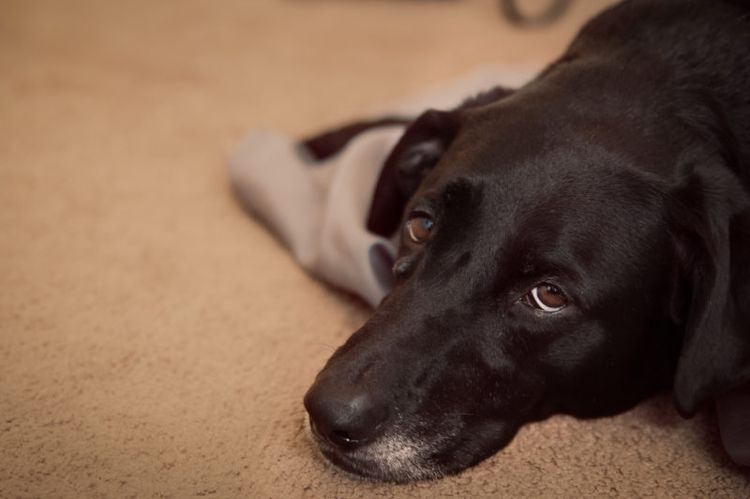
The dog becomes apathetic, lethargic, loses appetite, and sometimes develops abdominal bloating.
Later, in the later stages of the disease, other symptoms appear:
- swelling of the extremities develops;
- vomiting occurs periodically without cause;
- the dog refuses to eat and loses weight rapidly (this condition is called anorexia);
- Due to exhaustion, the animal may lose consciousness.
Diagnosis of pericarditis
To diagnose pericarditis in a dog and determine the type of disease and the cause that caused its development, the following tests are performed:
- A comprehensive blood test. It determines hemoglobin levels, red blood cells, white blood cells, and platelets, and detects the presence of inflammation.
- UltrasoundThis method can detect the presence of fluid in the pericardial cavity.
- Chest X-ray. This is ordered to determine the location and volume of the effusion.
- Pericardial fluid analysis. This is performed to identify the cellular structure of the effusion. It can be serous (consisting of protein), hemorrhagic (contains blood), purulent, or chylous (containing lymph).
- Electrocardiography, echocardiography. These diagnostic methods can provide a clear picture of the fluid distribution within the pericardium.
Treatment
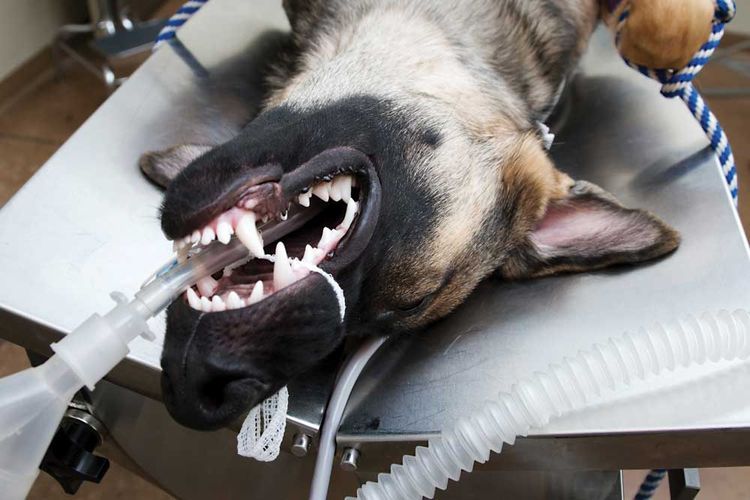
Treatment for pericarditis depends on its type and stage. To reduce exudate formation, cold applications to the heart area are administered. Diuretics are also prescribed for this purpose, as well as to reduce swelling: Mercuzal, Furosemide, Purine derivatives (Euphyllin or Temisal), and the herbal remedy Hexamethylenetetramine. If the amount of fluid in the pericardium is large, it is removed using a special long needle. Exudate drainage is performed under general anesthesia and echocardiographic monitoring.
Antibiotic therapy, anti-inflammatory medications, and cardiac medications are essential components of comprehensive treatment for heart lining inflammation. Dogs are typically prescribed penicillin, aminoglycoside, or cephalosporin antibiotics. Anti-inflammatory medications (Prednisolone(Ibuprofen, acetylsalicylic acid, nefedipine, reopyrin, indomethacin) are prescribed in a weekly course, gradually reducing the dose. Potassium supplements (asparkam, K) are used to treat heart failure.Aliy-magnesium aspartate, Panangin), Pimobendan, Cardioprotector Divopride.
Additional activities during treatment:
- the amount of water consumed by the animal should be reduced (to avoid swelling);
- The pet's diet should include foods with high energy value, as well as vitamin and mineral supplements;
- the dog's physical activity is limited to a minimum;
- the animal is provided with complete rest.
With prompt treatment of acute pericarditis, a dog's chances of full recovery are quite high. Chronic pericarditis takes longer and is more difficult to treat, and recurrent pericarditis may require surgery—pericardiotomy (removal of part or all of the pericardium).
Read also:
- Stroke in Dogs: Symptoms and Treatment
- Pneumonia in dogs: symptoms and treatment
- Tracheal Collapse in Dogs: Symptoms and Treatment


Add a comment