
Dandruff in dogs
Dandruff in dogs is a fairly common problem in cities—environmental factors, poor living conditions, and poor nutrition all take their toll. Often, when a dog develops dandruff, there's no need to think about what to do. After all, the process of continuous shedding and renewal is a completely natural process. But when there are too many dead particles, it's a sign of problems. In this case, if your dog has dandruff, what to do is a pressing question that requires consideration.
Content
Causes of dandruff in dogs
So, we've established whether dogs can have dandruff, now we need to understand the causes. It's also worth learning how to treat your pet and which cases require serious medical intervention. We'll also cover diagnostic measures and key preventative measures.
We'll examine in detail all the causes of dandruff in dogs, depending on the type of condition, as dandruff can be accompanied by other ailments. Typically, the cells in the upper layers of a dog's skin gradually die and are replaced by new ones. This is usually a gradual process, not very noticeable to the naked eye. However, if dandruff appears in large quantities, it indicates something is wrong with the pet's body.
Dandruff can be caused by stress. This is one of the mildest causes. Once the dog calms down, it goes away on its own.
Among other things, dandruff on a dog's back is one sign of parasites on the animal's skin. For example, cheyletiellosis, or simply wandering dandruff, is a parasitic mite disease. The disease manifests itself not only as abundant flakes on the back and other areas of the skin. Animals also experience itching, sometimes leading to patches of alopecia caused by scratching.
Dandruff and hair loss
Naturally, hair falls out twice a year. Anyone who has ever owned a dog or cat has experienced their pet shedding. Sometimes this process is so intense that the animal even needs brushing.
Sometimes, hair loss is caused by an underlying medical condition, and shedding has nothing to do with it. If this process is accompanied by profuse dandruff, it's time to take your pet to a specialist.
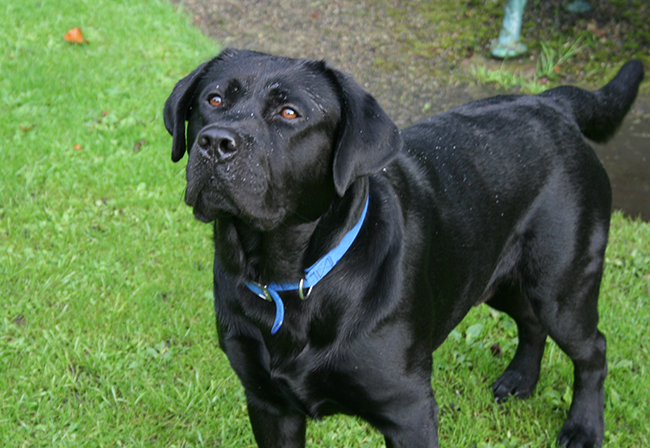
Hair loss and dandruff in dogs can be caused by:
- separation from the owner;
- post-traumatic condition;
- stress;
- other circumstances.
It could also be an allergic reaction. Animals are often allergic to various foods, especially low-quality pet food. Common pet allergens include dust, pollen, and fleas. All of these can trigger dandruff and hair loss. Allergens also include substances a dog may come into contact with. The most common of these include:
- various materials with synthetic components;
- household chemicals (detergents, cleaning agents);
- medicinal preparations;
- shampoos, etc.
Solar dermatitis also leads to hair loss and dandruff on various parts of the body. Dogs can even go bald due to worm infestations, especially those who have recently recovered from a serious illness and whose bodies have not yet fully recovered. How to get rid of dandruff and hair loss in dogs depends on each individual case.
Dandruff and sores
Skin problems in dogs are becoming increasingly common. There are many causes of dandruff and sores:
- Contact with stray dogs.
- Sedentary lifestyle.
- Poor environmental conditions.
- Malnutrition.
Also, sores and dandruff in dogs often appear due to a hereditary predisposition of the skin to diseases.
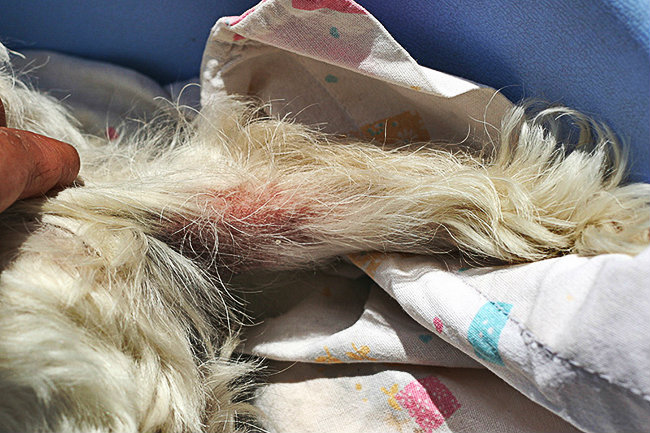
The most common skin diseases include:
- Allergy and atopic dermatitis.
- Allergic dermatitis is a skin reaction to body secretions. parasites and their bites.
- Sarcoptic mange (scabies). The cause of dandruff and sores is parasites that cause discomfort to the dog.
- Ectoparasites – these are various types of ticks, fleas and lice that parasitize on the pet’s skin.
- Lichen or scientifically – dermatophytosisA dog infected with this disease develops bald patches on various parts of the body.
Important! If your pet is diagnosed with a fungal infection, not only other animals living with it are at risk, but also the owners themselves.
It's important to keep your dog away from children for the duration of treatment. Clean the dog's area as often as possible with special products, and, if possible, treat the area with a UV lamp. The disease may manifest in humans within 14-21 days. Ringworm can appear in various parts of the body, but the most common is, of course, the head. Don't be overly afraid of the fungus, as diseases caused by various types of fungi can be successfully treated in both animals and humans. However, it's important to understand the danger.
Itching and dandruff
There are many possible causes of dandruff and itching in dogs, and parasitic infections are the first to be considered. Many dog owners underestimate the impact of fleas, yet the likelihood that these tiny insects can cause itching and subsequent dandruff is extremely high. Parasite bites, in addition to the usual discomfort, can also trigger an allergic reaction in pets. For particularly sensitive animals, just a couple of bites is enough.
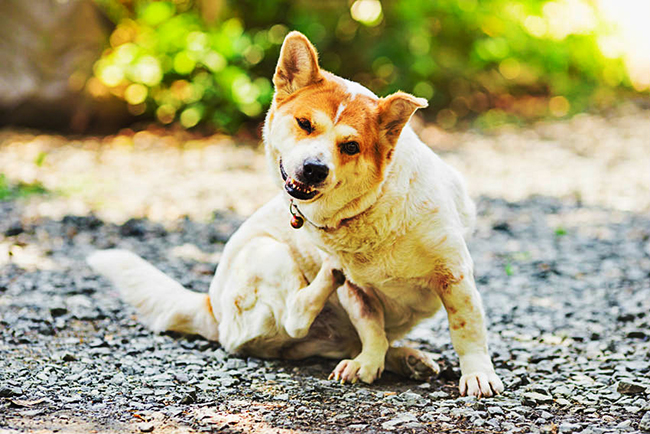
Itching and dandruff can be caused by mites. To identify them, take your dog to the veterinarian. A specialist will perform a scraping, which is an effective method for detecting mites. However, there is a specific type of mite that causes sarcoptic mange, a condition in animals. This type of mite is difficult to detect even with a scraping. However, a qualified veterinarian can determine the underlying cause of your dog's dandruff and itching and prescribe appropriate treatment.
It's also important to consider your pet's skin microflora. If your dog is healthy and has no skin conditions, the microflora won't cause any problems. However, when illnesses occur, the number of these organisms increases exponentially, negatively impacting the skin's condition. If a bacterial or fungal infection is present, your dog should be treated by a specialist. Only a veterinarian can conduct tests to confirm or rule out the presence of organisms that may be causing the illness.
If all of the above options are excluded, then most likely your pet suffers from allergies.
Large dandruff
A common cause of coarse dandruff in dogs is seborrheic dermatitis. This is a fairly common condition characterized by oily skin, in addition to dandruff. Pets also often develop an unpleasant odor. Seborrheic dermatitis is a hereditary condition and can even affect puppies.
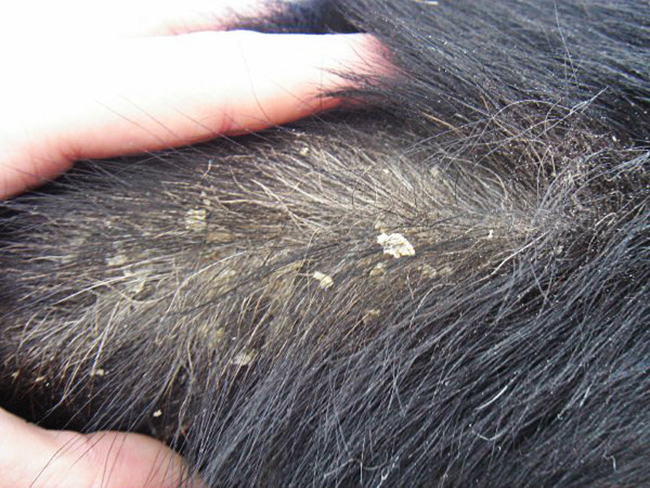
Large dandruff in dogs can also appear due to the peculiarities of pet care:
- Infrequent bathing. If a dog is bathed infrequently, and improperly, too much skin cells mixed with subcutaneous fat accumulate on its skin. This results in dandruff in the form of large flakes.
- Dermatitis is an inflammation of the skin without a rash. It can be allergic dermatitis (due to improper, poor, or excessive nutrition) or parasitic dermatitis (due to fleas or ticks in dogs). In some cases, dermatitis can be drug-induced or thermal (frostbite, burns).
If you notice large dandruff in your dog, it's important to begin treatment promptly. Otherwise, the flaking process will become chronic. The skin will become significantly rougher and thicker, and hair may fall out in the affected areas.
In this video, a veterinarian explains the causes of dandruff in dogs:
Dandruff in a puppy
Often, when noticing dandruff in a relatively new puppy, new dog owners become alarmed and suspect some kind of skin disease. But in addition to the problems listed above, which can be ruled out by a veterinary examination, there are also more benign causes of dandruff in young puppies.
In first place - stressIf the baby's journey to their new parents has been difficult, a variety of consequences of the intense stress they've experienced may emerge in the first few weeks. Generally, providing good care and buying a good, high-quality shampoo is sufficient, and the problem will resolve itself once the baby adjusts to their new home.
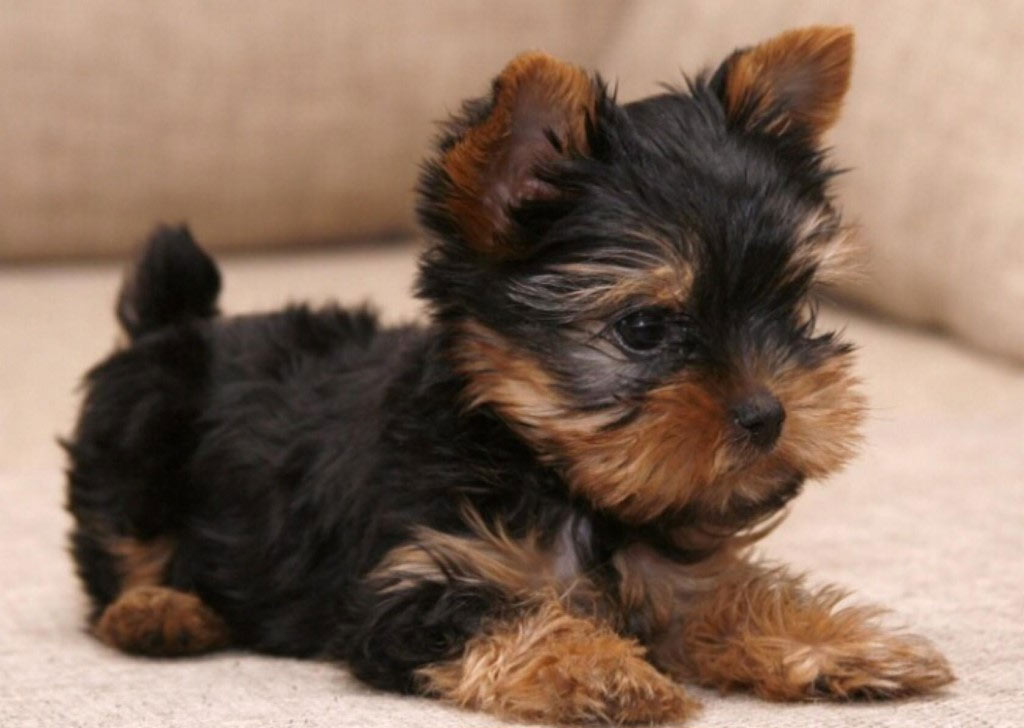
Dandruff on a puppy's coat can also occur with a sudden change in diet. Therefore, during the puppy's first month at home, it's important to continue the feeding the breeder introduced it to.
Diagnostics
If your dog has dandruff and/or hair loss, don't self-medicate. As you can see, this symptom can be caused by both harmless conditions and serious illnesses that require immediate treatment.
Remember that complete resolution of the problem is only possible with a timely and correct diagnosis, and modern diagnostic methods are essential.
During the appointment, the veterinarian may conduct the following research methods:
- visual inspection;
- Wood's lamp examination (ultraviolet light has the property of causing fungi to glow, so this is a quick and effective method for diagnosing ringworm and other fungal infections);
- scraping (the doctor takes hair and exfoliated epithelial particles for analysis to determine the causative agent of the disease);
- blood test to determine the general condition of the animal.
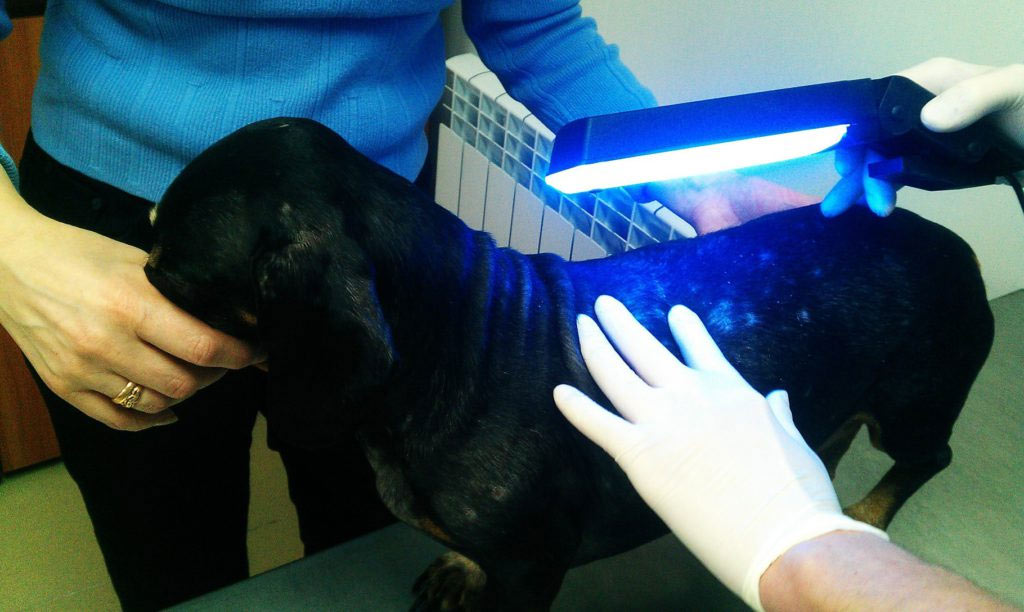
Important! If you notice dandruff on your dog and don't know what to do, don't rush to bathe them with antifungal products or treat them with anything. A one-time use of medication won't cure the problem and can significantly complicate diagnosis, leading to false test results. If you've already treated your pet with anything, be sure to notify your vet.
Treating dandruff in dogs
Depending on the suspected condition, the specialist will prescribe appropriate medications and preventative care. Below, we'll discuss in detail how to treat dog dandruff using shampoos, medications, and folk remedies, depending on your specific needs.
Medicines and remedies
Important! We'll explain how to get rid of dandruff in dogs due to various conditions, but keep in mind that only a veterinarian should prescribe treatment, as without knowing the underlying cause, using certain medications can only worsen your pet's condition.
Since primary (idiopathic) seborrhea is virtually 100% treatable, treatments for dog dandruff are primarily aimed at suppressing the clinical manifestations of the disease. These typically involve combinations of conditioners and shampoos that soothe the animal's itching and remove dead skin flakes. These products often contain the following ingredients:
- salicylic acid;
- benzoyl peroxide;
- tar;
- sulfur.
If you need to get rid of dandruff in your dog, your veterinarian may recommend one of the following remedies:
| Stop-itch |
Stop-Itch can help relieve itching and dandruff in dogs. This spray helps relieve pain, soothe irritation, and quickly soothe your pet's skin. After using the spray, your dog won't scratch, making Stop-Itch a popular treatment for dogs with various skin conditions. |
| Frontline | This spray can rid your pet of various parasitic insects, such as ticks and fleas. A few applications are enough to kill all the parasites. Frontline is also used for preventative purposes. The spray is also valued for being completely harmless to pets. |
| Stronghold | Instead of Frontline, you can use Stronghold. It's also quite effective at killing parasitic insects. Apply it to dry skin on the neck and between the shoulder blades. Do not rub it in. The dosage depends on the pet's weight. |
| Doctor Shampoo |
A product like Doctor shampoo is a great way to help your dog. It suppresses inflammation and eliminates dandruff. Another benefit of this shampoo is that it normalizes sebum production, which is important when your pet smells bad. For dogs prone to skin diseases, a subtype of "Doctor" shampoo with additional tar content is suitable. |
| Yam ointment |
An effective and inexpensive drug, widely used in the treatment of ringworm in combination with an antifungal vaccine, which is administered to the dog twice, 10 days apart. |
| Cytoderm |
Drops that can be given to a dog when it begins to shed heavily, dandruff appears on the coat, or other dermatological problems arise. |
| Triosan ointment |
Excellent for eliminating skin problems caused by allergies, as well as bacterial or fungal infections, thanks to the triple action of dexamethasone, ciprofloxacin and clotrimazole. |
Folk remedies
A dog can have dandruff on its tail, back, head, or anywhere else. This can be due to shedding, stress, hormonal changes, or even dry air in the apartment. In almost any case and under any conditions, olive squalene can be used to alleviate your pet's condition, as it helps:
- relieve irritation;
- treatment of microcracks;
- softening rough skin.
Squalene is odorless and does not leave a film on the animal’s fur or skin.
Various essential oil blends can be used to combat parasites. Here's one popular recipe:
- Almond oil – 50 mg.
- Lavender, tea tree, eucalyptus – five drops each.
Mix the ingredients and apply between the dog's shoulder blades as you would a regular antiparasitic treatment. The oil can be applied daily, but for no more than two weeks. After that, to avoid addiction, it's best to change the mixture.
You can also repel fleas with the following essential oils:
- fennel;
- geranium;
- carnation;
- pennyroyal.
Before applying any mixture, make sure your pet doesn't have any intolerance or allergic reaction to any of the oils. Also, remember that any essential oil must be diluted with a carrier oil. The aforementioned oils can also be diluted in an alcohol solution and the resulting improvised spray applied to your dog's sleeping area.
You can also repel fleas and ticks from your pet using herbs and herbal infusions. These herbs include:
- sagebrush;
- tansy;
- yarrow.
Finally, here's some important advice. Try to feed your pet a healthy, balanced diet rich in vitamins and minerals. Avoid stressing your pet. Groom your dog well, and dandruff will be just fine.
Any questions? You can ask our website's staff veterinarian in the comments below, who will answer them as quickly as possible.


10 comments
Olesya
Good evening. I'm writing to you from Astana, Kazakhstan. My German Shepherd has been experiencing severe itching from fall to summer, hair loss, circular bald patches, and hair breaks off at the roots, followed by dandruff flakes. Unfortunately, our medical system is probably about 20 years behind yours, not to mention veterinary medicine. We get skin scrapings done once a month, and everything is apparently clear.
Daria is a veterinarian
Hello! Let's start with what you feed your pet. I'm interested in the complete diet, including treats. Are they taking medications, vitamins, drugs, anthelmintics, or treatments for skin parasites? Do you use any cosmetics for your pet? Where is your pet kept? Is the shedding in a specific area or is it all over the place and different each time? What medication do you prescribe for your pet after an examination? We need more information about your pet, including their feeding, housing, and care conditions, before even making a tentative diagnosis.
Elya
We have a 5-year-old female collie who eats dry food, pates, and a little table scraps. She's been having problems with her fur—it's tangled, matted, and thin to the touch, and she's developed dandruff. During a consultation at the clinic, they recommended adding B vitamins to her diet. We tried Beaphar liquid vitamins, with a full B complex. We saw excellent results within a few weeks.
Rustam
Hello, my German Shepherd is 2 months old and has dandruff on his back, his skin is red, and he's scratching himself until it bleeds. How should I treat him? He's eating well and is happy, but he's scratching himself and whining from the itching. Please tell me what to do?
Daria is a veterinarian
Hello! Eating well isn't the answer. What exactly are you feeding? Some people are happy with barley and chicken, while others feed beef, rice, and vegetables and aren't happy. Are they deworming? Fleas? Have they been treated recently? What's the dog's age and living conditions? If dandruff has appeared, start looking for the problem with the diet (be honest, don't hide any foods, otherwise, identifying the problem and, consequently, eliminating it will be impossible). Have you tried giving antihistamines while switching your dog to a hypoallergenic diet?
Natalia
Russian hunting spaniel, 3 months old. Dandruff has developed and is itchy, but the skin is clear and not red. He's biting into his paws and tail area. He's cheerful, happy, and very active, his coat is shiny, he has a good appetite, and no diarrhea. He's been given Bravecto for flea and tick protection. He's been bathing frequently over the past week, but without shampoo, as he swims in the lake during walks, which is full of mud and sand. What could be causing the dandruff?
Daria is a veterinarian
Hello! What are you feeding your dog? Are you giving him any vitamins or has he recently used any medications (besides Bravecto)? What shampoo did you use? Remember, you shouldn't shampoo your pet too often. Only when absolutely necessary. Dogs don't have sweat glands, and shampoo removes the protective secretion from their skin. This dries it out (and if it's hot outside, it's even worse). This causes dandruff. Hormonal imbalances can also cause dandruff. Skin conditions. You need to examine your pet, find the cause, and address it. Feeding your pet pills without knowing what's dangerous can cause even more harm.
bun
The "contact with stray dogs" part really made me laugh. We have a house dog covered in dandruff, but our stray dogs are very beautiful, friendly, dandruff-free, and have beautiful fur. We interact with them every day.
Irina
I have a miniature Spitz. He was diagnosed with alopecia, but there are no bald spots. His fur is like undercoat except on his head. Dandruff comes off when he's brushed. Is it possible to trim his hair so I don't have to untangle his fur every day? Can you recommend an ointment? I'm using Omega and apply Essential 6 Spot-On between his shoulder blades once a week. Thank you.
Dasha is a veterinarian
Hello! Have you looked into the cause? Why is your dog doing this? Perhaps the diet needs to be reviewed, or perhaps the diet is unbalanced. Switch to a high-quality food. Have you dewormed or treated for skin parasites? You could trim the affected areas, especially since it's summer. Get your blood tested for biochemistry and a complete blood count. Rule out allergies, thyroid issues, and vitamin deficiencies. Only knowing the specific problem areas can you diagnose and recommend medications. Anything else is just guesswork, which carries a risk.
Add a comment