
Dog carriers: what types are there, how to choose one, and where to buy one?
Dog carriers have been an essential accessory for pet owners for many years. They come in both soft and hard varieties and are essential from the moment a puppy arrives, regardless of breed.
Carriers are especially popular among owners of miniature or "pocket" dogs. This accessory allows you to take your pet with you almost anywhere, protects them from cold and wind, and keeps their little paws from getting tired. Furthermore, a carrier ensures safety, eliminating the risk of being hit by a car or colliding with a larger animal.
In addition to walks, carriers are essential for transporting dogs on planes, cars, or buses. For example, during a veterinary visit, if your pet refuses to walk or is unable to move independently, a carrier becomes indispensable. A carrier is mandatory for air travel: without one, your dog will not be allowed on board.
When choosing a carrier, it is important to consider the size, material, ease of carrying, and safety of your pet to ensure it meets the needs of both the animal and the owner.
What types of carriers are there?
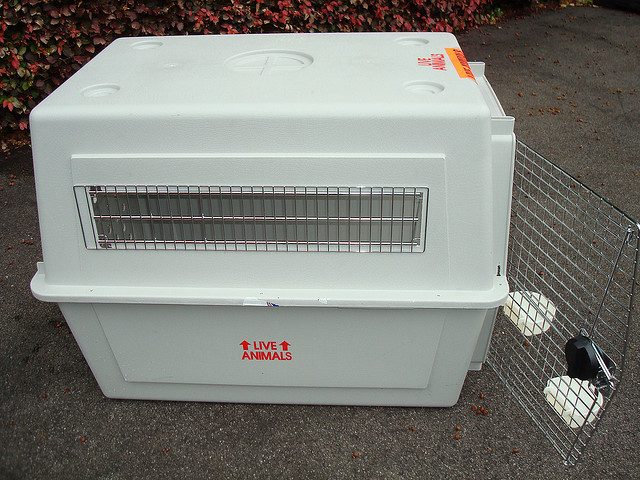
We've already established that they come in soft (fabric, like a bag with straps or shoulder straps) and hard (plastic). But beyond the material, they also differ in purpose. For example, they might be for small, medium, or large dogs.
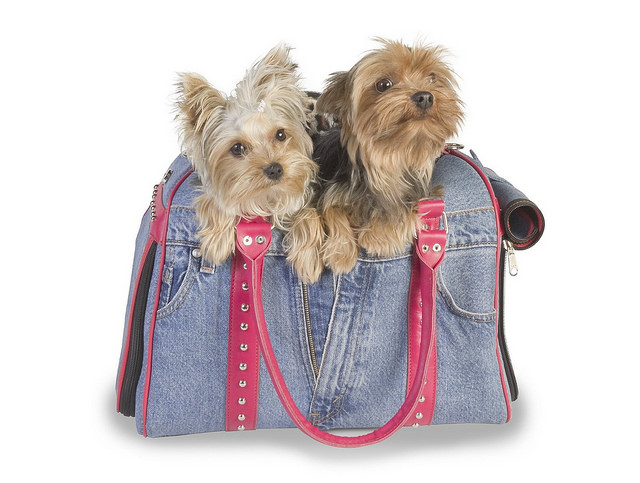
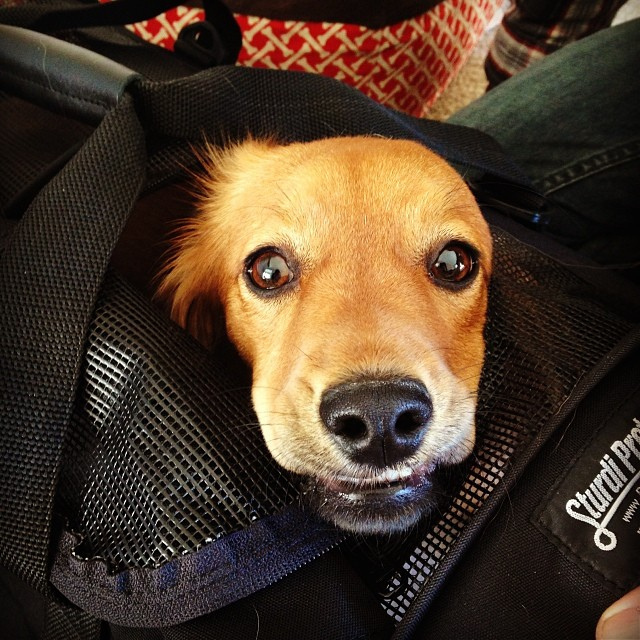
If you don't plan to fly, a soft carrier, similar to a travel bag with a zip-up door and mesh sides to allow your pet to breathe freely, is suitable for a small pet. Alternatively, there are suitcases designed for transporting small dogs. These have handles (both soft ones for carrying and a hard, retractable one for rolling) and wheels.
If you have a medium or very large dog, bags are not ideal, as they can't support more than 5 kilograms (11 pounds). In this case, it's better to buy a plastic one with a mesh door. This will make it easier to transport your pet.
How to choose a carrier
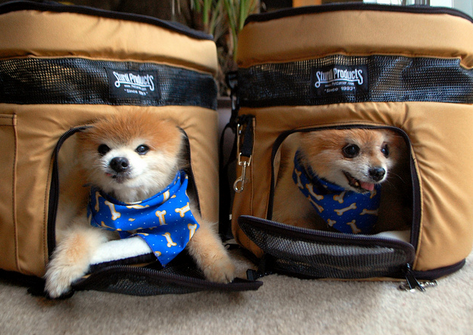
Choose one that's right for your pet. It should be comfortable. It's hard to squeeze a German Shepherd into a cloth bag, and it'll be very uncomfortable for your pet. A Pomeranian might get lost in a Great Dane carrier, too.
Be sure to purchase only certified products. Inspect them carefully to ensure all seams and joints are strong and secure. The grating should not protrude to avoid injury to the animal.
Pay attention to the smell. It shouldn't have any specific, chemical smell. Yes, it will likely dissipate, but there's no guarantee. Your pet won't be comfortable in such a carrier.
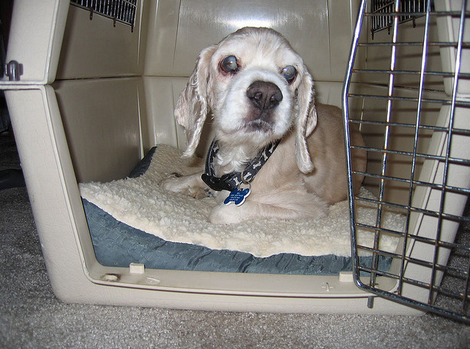
A dog carrier should be quick and easy to clean. A trip to the vet can be stressful, and your pet might urinate or defecate right in its "home." Cleaning should be easy. Cleaning products shouldn't "dig into" the carrier's surface.
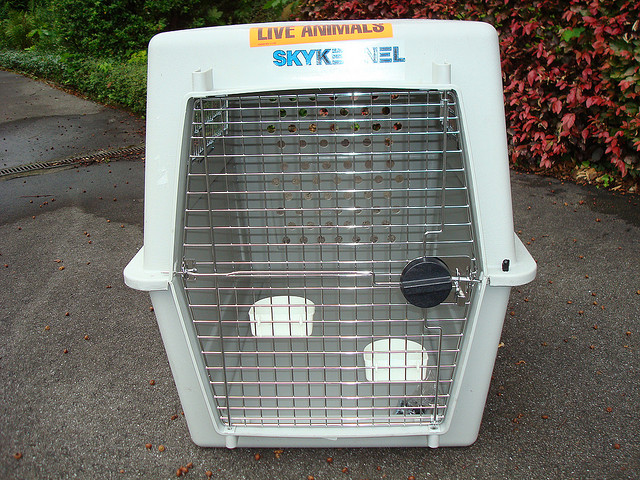
The door lock must be durable and able to withstand the attacks of a frightened pet. Even if you have a small four-legged friend, they can still damage the lock on a cloth bag. For this reason, be sure to check the strength of the seams. They shouldn't come apart or be flimsy.
Choose the size based on your pet's height. The distance from the ceiling to the withers should be at least 10 cm. Your dog shouldn't feel "folded" in the crate; it should be comfortable. It should be able to lie down and stand up easily when needed.
Get your puppy used to the carrier from puppyhood. Don't lock him in it; just leave it open in the middle of the room. Let him wander around, sniff it, and come in. He should "get acquainted" with it and not be afraid. Over time, begin closing the door little by little. If you lock him in right away, he'll panic only at the sight of the carrier.
Small dogs are easier to handle; they're carried in arms, pockets, and purses almost from birth. However, they're still afraid of confined spaces (like carriers and kennels).
Where to buy a carrier
There are several options. The first is to buy at a pet store. There you can examine everything, touch it, and ask for a certificate. The second option is to order online. It's important that the online store is well-known and reputable. Contact the administrator and find out all the necessary information.
The third option is buying used. Many people have dog carriers left unused or after the death of their pet. Others have dogs that have outgrown their small carriers and need a larger one. In this case, you should be extremely careful. Grooming items are often sources of disease (the pathogen remains on the surface of the material and does not die immediately). Buying such an accessory puts you at risk of infecting your pet. Furthermore, a used carrier may be sold because it is broken. However, this option is less expensive than buying a brand new one.
Read also:


Add a comment