
Broken front and back legs in dogs: symptoms and treatment
A broken front or hind leg in a dog is a very serious injury, characterized by severe pain and impaired motor function. Pet owners should be aware of the symptoms associated with this condition and what to do in such cases.
Content
Types of fractures
Veterinarians distinguish several types of fractures, each with its own characteristics. Learn more about them:
- A crack. This is the mildest form, often with no symptoms at all. It can be mistaken for a bruise. Sometimes a cautious gait or slight lameness may be a warning sign. However, the pet remains active. The condition can only be diagnosed after an X-ray.
- Impacted fracture. This occurs primarily in puppies and large-breed dogs. It is not accompanied by significant damage to internal tissues, and the clinical picture is unclear. The bone fragments are embedded in each other. If treatment is not provided promptly, they may become displaced.
- Closed without displacement. The damaged bones remain in place. There is noticeable pain and impaired motor function.
- Closed with displacement. The bones are not only damaged but also change their anatomical position. There is a risk of injury to organs and major vessels.
- Open. A severe injury with damage to bones, internal tissues, and joints. Blood vessels may be ruptured.
Symptoms
Naturally, owners are concerned about how to identify a broken paw in a dog. Several symptoms are characteristic of such an injury. Here's a list:
- Severe swelling in the area of injury.
- Presence of hematoma.
- Increase in size, asymmetry of the injured limb.
- Painful sensations upon palpation.
- The animal is unable to put weight on the injured paw. The dog tries to keep it suspended.
- When moving limps, can move on three limbs.
- Unnatural mobility of the affected paw.
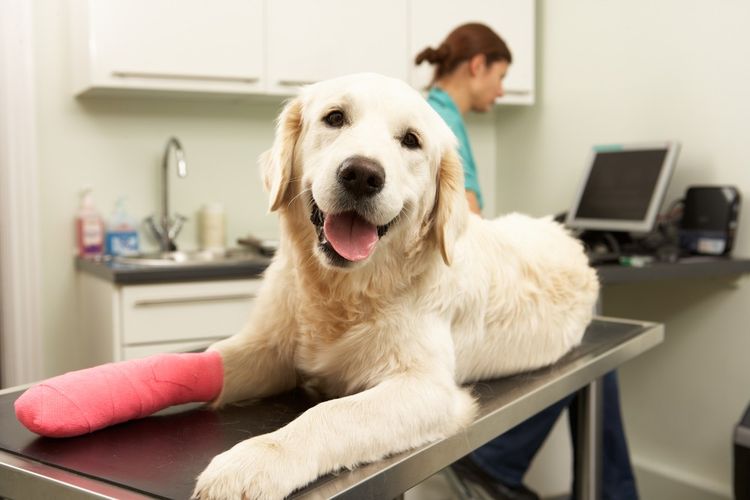
With an open fracture, the clinical picture is clearer. A bone fragment may be clearly visible through the damaged skin. In some cases (if blood vessels are involved), bleeding is present.
Dogs often exhibit other symptoms related to their overall health. These include:
- restless behavior;
- lethargy;
- elevated body temperature;
- lack of appetite.
If the pain is severe, pain shock may develop.
First aid
If an injury is detected in a pet, the owner should immediately contact a veterinary clinic for specialized care. The sooner this happens, the better.
A proper sequence of actions at home is crucial to avoid harming the animal. In the case of an open fracture, the first priority is to stop the bleeding. To do this, apply a tourniquet made from available materials above the wound and tighten it tightly. Next, the wound surface should be cleaned of debris and dirt and treated with an antiseptic solution (hydrogen peroxide, miramistin). Alcohol or alcohol-containing products should not be used. The next step is to apply a bandage to the wound to prevent infection.
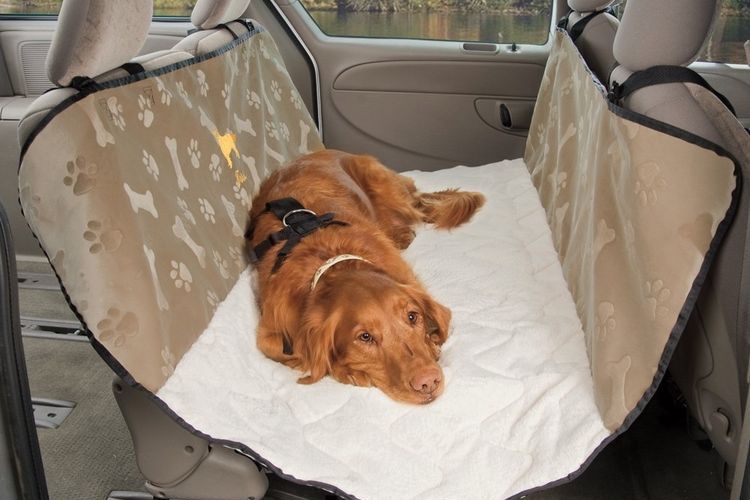
Self-repositioning of bone fragments is strictly prohibited! It is extremely painful and carries a high risk of vascular rupture.The dog requires complete rest and limb immobilization. The paw is secured to a readily available device (plywood, a wooden board, or thick cardboard) using a bandanna or belt. When transporting the pet to the clinic, it should be placed in the back seat of the car. If it's a miniature breed, a crate or carrier will do. In extreme cases, holding the animal in your arms is acceptable.
Treatment
A veterinarian determines the treatment strategy for a dog's paw fracture based on the severity of the injury. Diagnostic procedures are performed first. After administering painkillers and muscle relaxants, the doctor examines the pet and orders X-rays. These may be taken in several projections. If internal injuries are suspected, an ultrasound or MRI is recommended.
Conservative
Conservative treatments are rarely used. The doctor repositions the displaced bone fragments, followed by immobilization. To immobilize the damaged bone, they use a special cast that restricts movement of the paw. This cast can be removed after 1-1.5 months. For small breeds, this period is shorter—about 20 days; for older dogs, it can be longer—up to 50-60 days. Throughout this period, careful monitoring is required to ensure that the splint does not compress the soft tissues. Otherwise, there is a risk of complications such as compression of blood vessels.
Operational
Most cases (approximately 90%) of limb fractures in dogs require surgical intervention. Osteosynthesis (bone fusion surgery) is performed using pins, staples, screws, and plates. In recent years, with the development of new technologies, veterinarians have begun using not only metal devices but also polymer ones.
High-quality structures can withstand loads similar to those on healthy limbs. Once the bones have physiologically returned to their original state, the consumable material is removed.
Several treatment methods are used in surgical practice. Learn more about them:
- The Kishner apparatus. A structure consisting of a metal rod and self-tapping rods is used for intra-articular fractures.
- The Ilizarov apparatus consists of pins and metal rings that securely hold bone fragments in place.
- Internal fixation. The most complex procedure. The surgeon must be qualified and experienced enough to perform it efficiently. Pins are inserted directly into the tubular bones. They are not removed over time but remain in place for life.
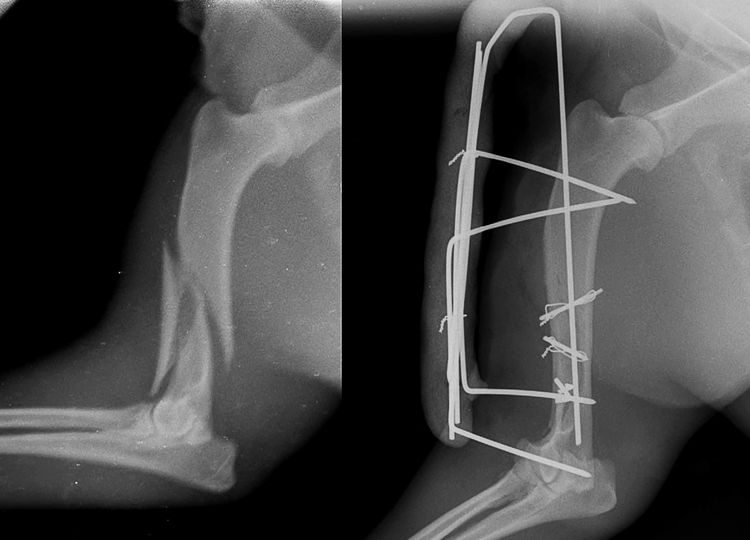
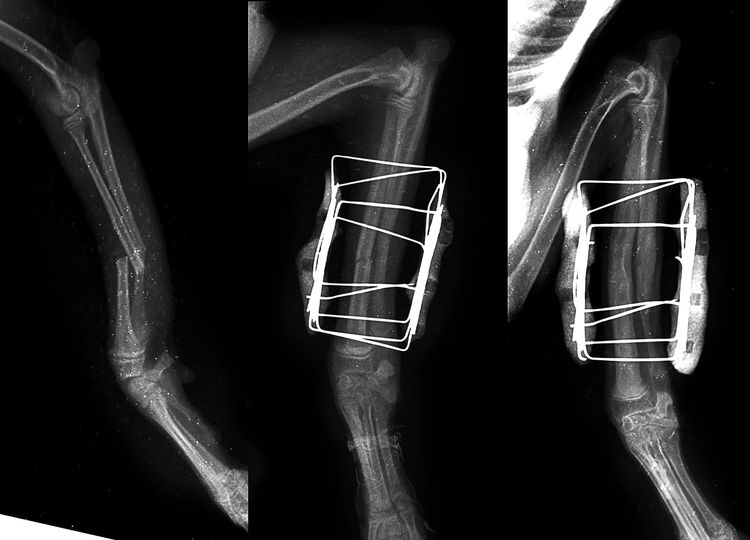
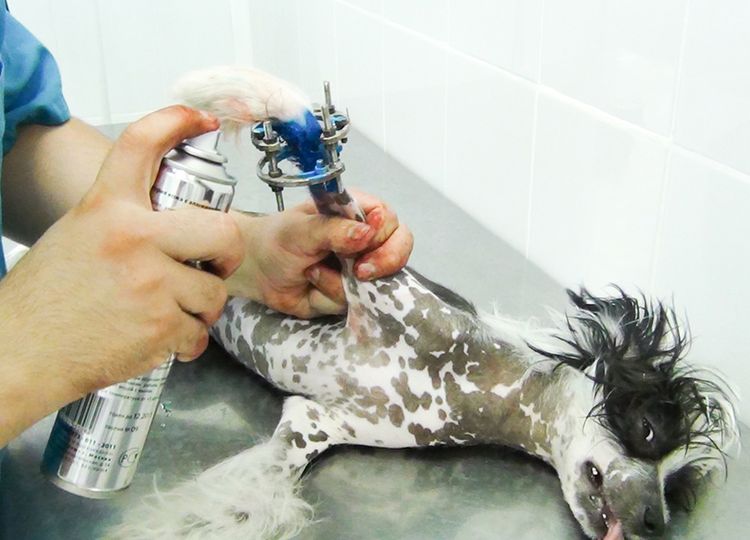
All surgical procedures are performed under general anesthesia. Inhalation anesthesia is the optimal option. Doctors say it helps animals tolerate the surgery better and recover more quickly.
Postoperative care
After osteosynthesis, a ten-day course of antibiotics is prescribed to prevent infection. The sutures are cleaned daily. If the dog requires pain medication, analgin may be given. The dosage is individualized based on the pet's weight. In some cases, vitamins and immunomodulators may be helpful.
To ensure proper fracture healing, the owner should ensure the dog is as restful as possible. If the animal attempts to lick the injured area, it should be placed in a restraining collar. Physiotherapy (such as ultraviolet irradiation or shockwave therapy) can be helpful to accelerate tissue regeneration.
One month after the surgery, a follow-up X-ray is performed to assess the effectiveness of the intervention and ensure that the bone is healing properly.
Healing times
The prognosis is usually favorable. On average, a connective tissue callus begins to form within a couple of weeks. The bone fragments fuse after about 40 days. Once the callus forms, the dog begins to gradually bear weight on the injured limb. Recovery times can vary, of course, depending on the animal's age, the severity of the injury, and other factors. For example, small and toy breeds recover more slowly. For about six months after the injury, avoid putting heavy weight on the paws and sudden jumps.
If a dog's front or hind leg fracture is treated correctly and promptly, the bones will heal quickly and without any side effects. In approximately 2-4 months, your pet will feel healthy and active.
Read also:
- The dog's paws are buckling and falling apart: treatment
- My dog's hind legs are failing: causes and what to do
- The best chondroprotectors for dogs


Add a comment