
Can ringworm be transmitted to humans from cats?
The name "lichen" refers to a number of skin conditions characterized by the formation of clusters of small, nodular lesions on the skin. Almost all types of lichen are contagious, and since they are anthropozoonotic diseases, they can be transmitted from cats to humans. Therefore, every cat owner should be aware of the causes, symptoms, treatment, and prevention of lichen.
Content
Risk factors and routes of infection
A cat can become infected with types of dermatitis caused by pathogenic fungi through contact with a sick animal or person, or through shared objects.
Risk factors for development cats have ringworm:
- Free range, which may involve contact with infectious animals;
- Weakened immunity (including after viral diseases, stress, or taking drugs that suppress the immune system);
- Age up to 1 year, when the cat’s immune system is not yet fully formed;
- Unbalanced diet (deficiency of proteins, fatty acids and vitamins);
- Parasitic diseases, in particular helminthiasis.
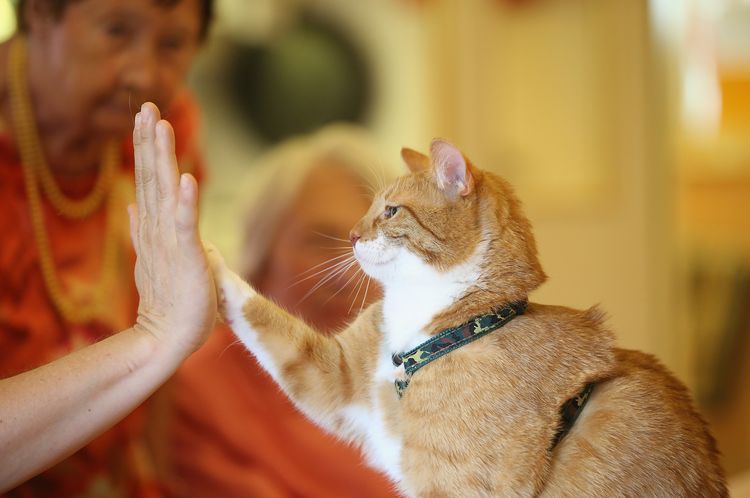
One risk factor is considered to be a genetic predisposition. Cats whose breeds were developed through selective breeding (for example, Persians and Sphynxes) are more likely to develop ringworm.
Types and symptoms of ringworm in cats
There are several types of ringworm in cats. They have different etiologies but similar symptoms.
Ringworm
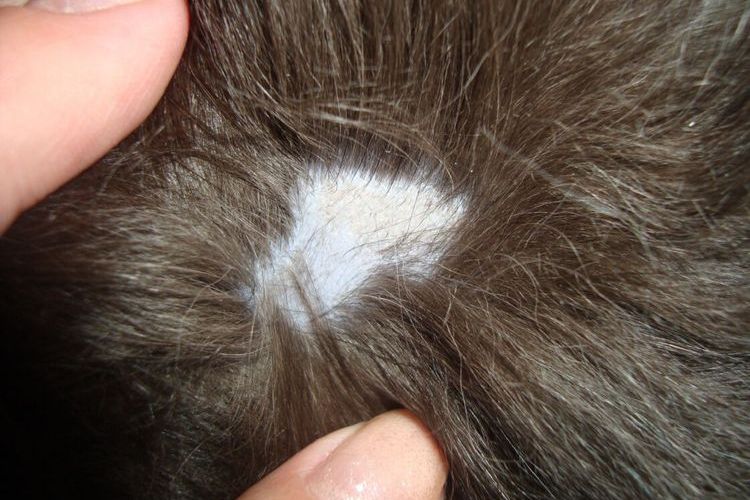
Other names for the disease are dermatophytosis, dermatomycosis, trichophytosis, scab. This is the most common form of ringworm, caused by mold fungi of the Trichophyton and Microsporum genera. The spores of these fungi can remain viable for up to eighteen months.
Symptoms of dermatomycosis in cats:
- The appearance of flaky patches on the skin. They are painful and intensely itchy, and the cat constantly scratches them;
- The inflamed areas gradually expand, most often affecting the head and muzzle of the animal.
- The hair in the affected areas thins and falls out, and round bald spots form on the skin.
Pityriasis versicolor
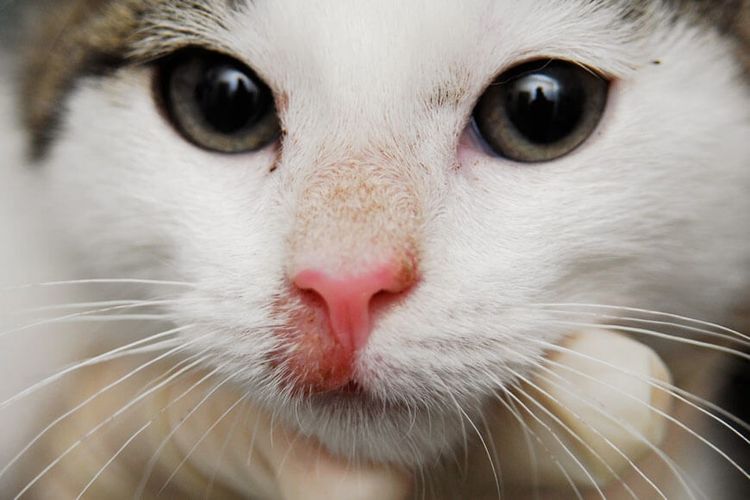
It is caused by a yeast-like fungus of the genus Malassezia, Pityrosporum ovale. It is carried by most people and virtually all animals. Malassezia can develop into a pathogenic form under particularly favorable conditions: high temperature and humidity, and/or overactive sebaceous glands. A sign of this type of ringworm is the appearance of small, colorless, oval-shaped spots on a cat's skin. The surface of the spot may be smooth or covered with fine scales. Itching is often not observed.
Pink (lichen Gibert)
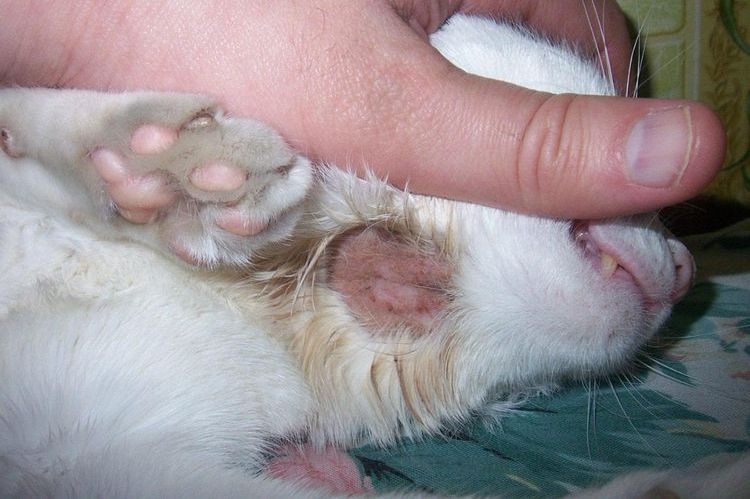
The disease develops when a DNA-containing herpes virus is activated, which begins to replicate when the immune system is weakened. Pityriasis versicolor appears as small rashes or large pinkish spots with smooth edges and scaly centers. Typical sites of occurrence are the abdomen, groin, and thighs. Itching may be absent or mild.
Eczema (weeping lichen)
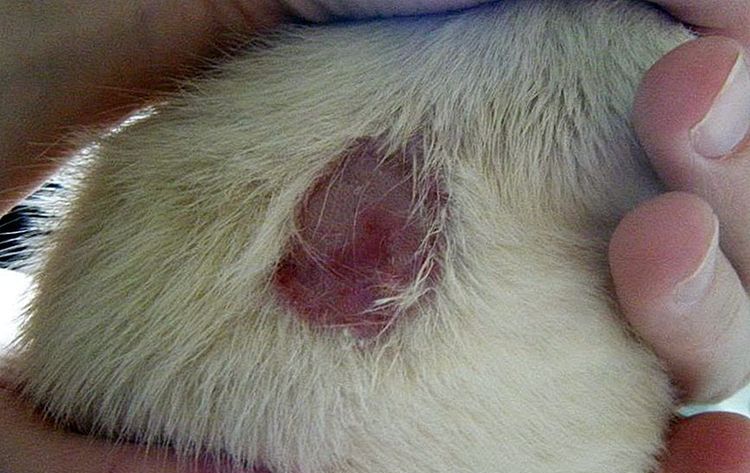
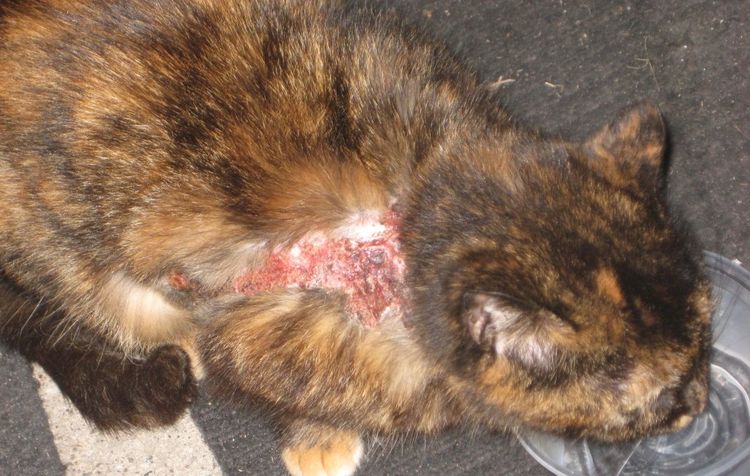
This type of lichen is non-contagious and occurs due to hormonal imbalances, the presence of endoparasites, or an autoimmune reaction. Signs of eczema include painful, red spots covered with blisters (vesicles) that appear on the skin. After the blisters rupture, pustules and crusts form. Eczema may be accompanied by fever.
Lichen planus
This type of lichen is not contagious and develops as a result of immune system dysfunction, which can be caused by acute or chronic illnesses or the use of immunosuppressants. Lichen planus lesions appear as small, red, shiny nodules with a slight depression in the center. The rash causes intense itching and can affect not only the skin but also the oral mucosa.
Diagnostics
After visually examining your sick cat and taking its medical history, your veterinarian will prescribe tests to help determine the cause of the illness and identify the pathogen. These tests include:
- Examination of affected skin areas using a Wood's lamp. Fungal spores emit a green glow when exposed to UV rays. Luminescence diagnostics are not 100% reliable, as some fungal species are not sensitive to UV light.
- Microscopy. Microscopic examination of a skin sample stained with a special solution allows one to detect mycelial threads or fungal spores. This method is considered quite accurate and quick.
- Bacterial culture (cultivation in a nutrient medium). The material for examination, as with microscopy, is a skin scraping. This method of pathogen identification is considered the most accurate, but it takes about three weeks to obtain results.
Treatment
The treatment regimen and duration depend on the type of ringworm. In any case, symptomatic treatment and immune-boosting medications will be prescribed to alleviate the external manifestations of the disease.
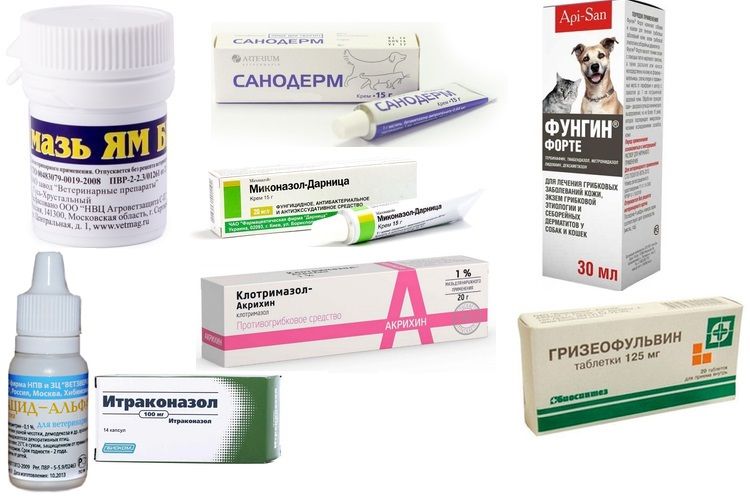
Symptomatic agents for external use are drugs that have fungicidal (antifungal), antiseptic, keratolytic (softening) effects: ointments YAM BK, Sanoderm, Miconazole, Clotrimazole, Fungin sprays, Epacid-alpha.
If ringworm is persistent, your cat may be prescribed oral medications such as griseofulvin, itraconazole, or terbinafine. The duration of treatment and dosage are determined individually, taking into account the cat's weight and age.
Bathing a cat with regular shampoos if it shows signs of ringworm is strictly prohibited, as water can easily spread fungal spores throughout the animal's body. For hygiene purposes, your vet may prescribe special medicated shampoos for your pet, such as Veterinary Formula, Nizoral, Zooshampoo, or Sebazol.
Prevention
Recommendations for preventing ringworm in cats include:
- avoiding contact with stray animals;
- treatment of any, even minor, skin damage with an antiseptic;
- prevention of helminths and other parasites;
- a nutritionally balanced diet;
- timely veterinary examinations.
The most effective method of protection against fungal ringworm is vaccination. The vaccines used are Biofel-M, Polivak TM, Microderm, and Vacderm.
Read also:
- What diseases can a person get from a cat?
- Why does my cat shed so much hair in the summer?
- Red spots on a cat's body


Add a comment