
Foaming at the mouth in cats: causes and treatment
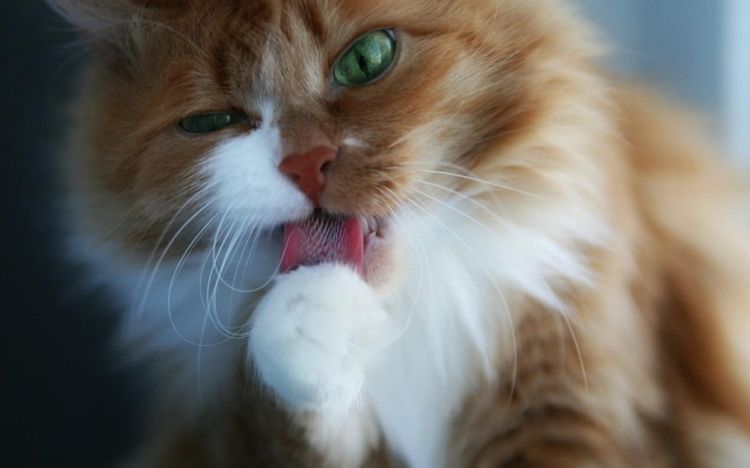
Foaming at the mouth of a cat should prompt closer observation. This can be caused by both harmless physiological phenomena and serious illnesses. It's important to pay attention to any accompanying symptoms so that you can promptly seek veterinary attention if necessary.
Content
Main reasons
Possible causes of foaming at the mouth in cats can be grouped into three groups. They do not differ depending on gender or breed. They can occur in both kittens and adults.
Physiological reasons
In some cases, the appearance of foamy discharge is a physiological phenomenon that does not affect the overall health of the body and is not accompanied by other health problems. This may be:
- During pregnancy, cats develop a condition similar to morning sickness in pregnant women. This is due to hormonal changes (in early pregnancy) or pressure from the enlarged uterus on the digestive organs (in later pregnancy). Discharge may be yellow or the color of the food they eat.
- Stressful situations and strong shocks, which may cause a small amount of foam to appear at the corners of the mouth.
- Hair accumulates in the stomach. It irritates the mucous membranes, stimulates salivation and vomiting. White foam from the mouth will inevitably contain hair. These occurrences are usually one-time occurrences.
- A reaction to the bitter taste of medication. Otherwise, the cat is behaving normally, and its appetite remains normal. The condition does not pose a serious threat, but it is advisable to consult a veterinarian about the possibility of further use of the medication.
Pathological conditions
Foaming at the mouth of a cat can be one of the symptoms of a number of health problems:
- Oral pathologies. Stomatitis and foreign bodies lodged in soft tissues increase saliva production, which will foam when exposed to air.
- Digestive disorders. These can be caused by overeating grass, intestinal obstruction, or gastrointestinal infections. The latter are accompanied by diarrhea and vomiting. A consultation with a veterinarian is recommended to determine the exact cause.
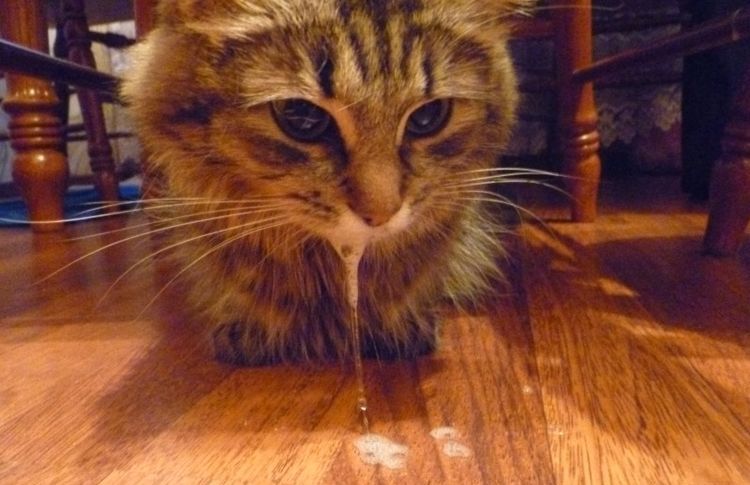
- Bleeding. The color of the foamy discharge will vary depending on the location of the bleeding: light pink indicates the oral cavity, bright red indicates the esophagus (due to foreign bodies, such as sharp bones), and brown indicates the stomach or liver. In the latter two cases, do not attempt self-diagnosis; consult a veterinarian.
- Severe poisoningOverdosing on potent substances (poisons, household chemicals) can be accompanied by foamy stools and vomiting, which allow the body to eliminate toxins. Diarrhea often develops at the same time, increasing the risk of dehydration, so your pet needs immediate medical attention.
- Severe pain in various locations, especially in the head (ears, teeth). The cat tends to move less and assume a forced, comfortable position; trembling is sometimes observed.
- Worm infestations. Foamy discharge from the mouth sometimes contains lumps of worms, which is a sign of a severe parasitic infestation. Self-selection of anthelmintic medications in such cases is contraindicated.
- Gallbladder pathologies in which bile is released into the stomach, causing vomiting of yellow-green masses mixed with greenish or whitish foam.
Dangerous diseases
Foaming from a cat's mouth will indicate serious illnesses if it occurs repeatedly and is accompanied by other disturbances in the animal's general condition.
Dangerous diseases include:
- Epilepsy. Foaming appears during an epileptic seizure along with other symptoms (convulsions, increased tone, involuntary bowel movements). The discharge may take on a pinkish tint if the tongue or oral mucosa is bitten.
- Rabies. In addition to the characteristic signs of the disease (hydrophobia, aggression, loss of the swallowing reflex), profuse salivation with foaming is characteristic of the late stages of the disease. Its appearance indicates the animal's impending death.
Caution! If your cat is foaming at the mouth and convulsing, it's important to rule out rabies first, as this disease poses a danger not only to the animal itself but also to humans.
- Panleukopenia (distemper)Infection is accompanied by fever, discharge from the eyes and nose, yellowing of the skin, and increased salivation with foam. The saliva will be white, clear of impurities and discoloration. Panleukopenia severely impacts the immune system and requires prompt treatment, otherwise death is inevitable.
- Brain injuries and lesions. The appearance of foamy discharge will be accompanied by a number of neurological symptoms (seizures, impaired motor coordination, paralysis).
First aid
Only a veterinarian can accurately determine why a cat is foaming at the mouth. However, owners can assess their pet's condition to administer first aid before a doctor's visit, if necessary. Whatever the situation, the most important thing is to remain calm and not panic, so as not to frighten the animal.
The following situations allow you to act independently before calling a specialist:
- If hairballs accumulate in the stomach, giving your cat 1 teaspoon of Vaseline or flaxseed oil can help stimulate its release. In the future, consider purchasing a paste that will promote natural hairball removal.
- If signs of poisoning are obvious, it's acceptable to give your pet sorbents and then take them to the veterinarian. If your pet loses consciousness or is having seizures, taking any measures without consulting a doctor is strictly prohibited.
- For oral diseases, treat the mucous membranes with a veterinary antiseptic and consult a specialist to prescribe further treatment (ointments, antibiotics).
- If worms are detected in the discharge, you can collect the parasites in a container. Your veterinarian will be able to identify the species and prescribe the most effective treatment.
- If a seizure occurs, place your pet on a flat surface with its head tilted to the side to prevent tongue choking. Once the seizure subsides, take your cat to a specialist.
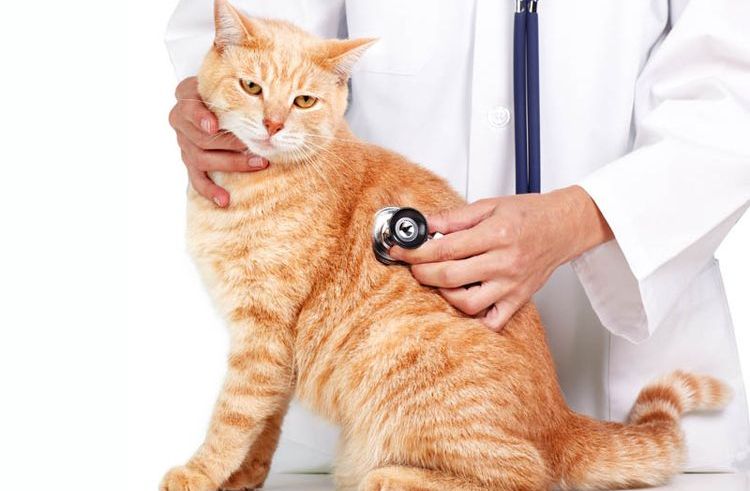
Caution! When examining or handling a cat that is foaming at the mouth, wear gloves to protect yourself from potential infections (for example, rabies).
You should contact a veterinarian immediately when:
- foamy discharge is observed repeatedly;
- additional symptoms appear (high temperature, nausea, severe vomiting, convulsions);
- the general condition changes for the worse.
If the cause of your cat's foaming at the mouth is unknown, it's important not to take any serious action. It's especially recommended not to use any medications. They can distort the overall picture of your cat's condition and cause further harm.
Read also:
- My cat is vomiting white foam: why and what to do
- My cat is vomiting yellow liquid: what should I do?
- Cat Breathing with Tongue Sticking Out: Causes and What to Do


4 comments
Malika
I had a British kitten, 4 months old, foaming at the mouth when I approached her, she bit me, now he has disappeared and the doctors tell me that I need to give injections for 3 months. Is this correct if he doesn’t appear within 10 days and he really loved to bite, what does this mean?
Daria is a veterinarian
Hello! Even during the 10 days allocated for observation of an animal suspected of having rabies, vaccination is necessary. If the animal turns out to be rabid, these missed 10 days will be fatal for the bitten animal. Vaccination will then be useless. There is no cure for rabies! The fatality rate for this disease is 100%. If you are willing to risk not being vaccinated, then write a refusal letter to the hospital, stating that you are releasing the doctors from responsibility for your life and health. We ourselves are constantly vaccinated, even though the vaccination record is in the passport, because there is no guarantee that the animal's vaccination worked, was done correctly, or that the stamp was actually placed and not requested by someone so they could take their pet on vacation. Our lives and health are more important. So we play it safe. Especially after cases where the emergency diagnostic results are negative, and three weeks later the answer comes back "positive in a bioassay on white mice." The rabies diagnosis is made posthumously!
Svetlana
Hello! My cat is 7 years old and neutered. He's having a hard time with the move; he must have been stressed. He started leaving puddles everywhere and crying when going to the bathroom. The vet examined him and, without any tests, diagnosed him with idiopathic cystitis. He prescribed three days of injections: papaverine, analgin, and meloxicam, each 0.3 ml each. He weighs 5.5 kg. The morning after the first evening injection, he began vomiting yellow foam. We've given him all the injections, but he's still vomiting yellow foam every morning. He hasn't eaten or drunk anything for three days. He's stopped leaving puddles, pees little, and doesn't poop. Our cat is a real coward, so every trip to the vet is stressful! Is it possible to help him without a visit to the vet?
Daria is a veterinarian
Hello! A blood chemistry panel and ultrasound are needed. We need to rule out liver and pancreatic problems. What were you feeding him before? What kind of food? The cat needs IVs (at least subcutaneous saline solutions, as the liver's condition is unknown—glucose is not recommended). Vitamins B12—both for liver support and to stimulate appetite—catosal, vitosal, uberin, phosphosal, and their analogs. Feed through a syringe without a needle. Do not force-feed. It could be gastritis, since the vomiting is foamy and occurs in the morning. Therefore, if you feed him, do so on a special diet as for gastritis. Omez, mezim, creon/pancreatin, almagel, or at least enterosgel. It's unclear how often the cat vomits per day, what he was previously fed, whether there are any plants within reach, whether he goes outside, or whether he's been treated with something... Based on the history and symptoms, I would also suspect idiopathic cystitis. Try a sedative—fospasim, stop-stress (homeopathy).
Add a comment