
Pekingese is a dog breed
The Pekingese breed has been known to mankind for over 2,000 years. The first records of this fluffy breed date back to the 5th century BC. The Pekingese's country of origin is considered to be China, where they were considered a truly royal breed, and their owners were Chinese monarchs. The dogs arrived in Europe during the British-Chinese War.
Content
History of origin
There are many theories and even legends about the origins of the Pekingese dog breed. One such tale claims that this breed originated from the "love" of a lion and a monkey.
Legend tells of a Buddhist hermit who set out to search for the truth of life in the impenetrable forests, where he gradually learned the language of birds and animals. One day, a lion came to the hermit and shared his grief with him. The lion was madly in love with a monkey, who, due to the difference in their heights and sizes, repeatedly rejected his advances. The king of beasts asked a follower of Buddha to make him the size of the monkey so he could be reunited with his beloved. The hermit granted the lion's request, while preserving his courageous lion's heart.
Breed standards
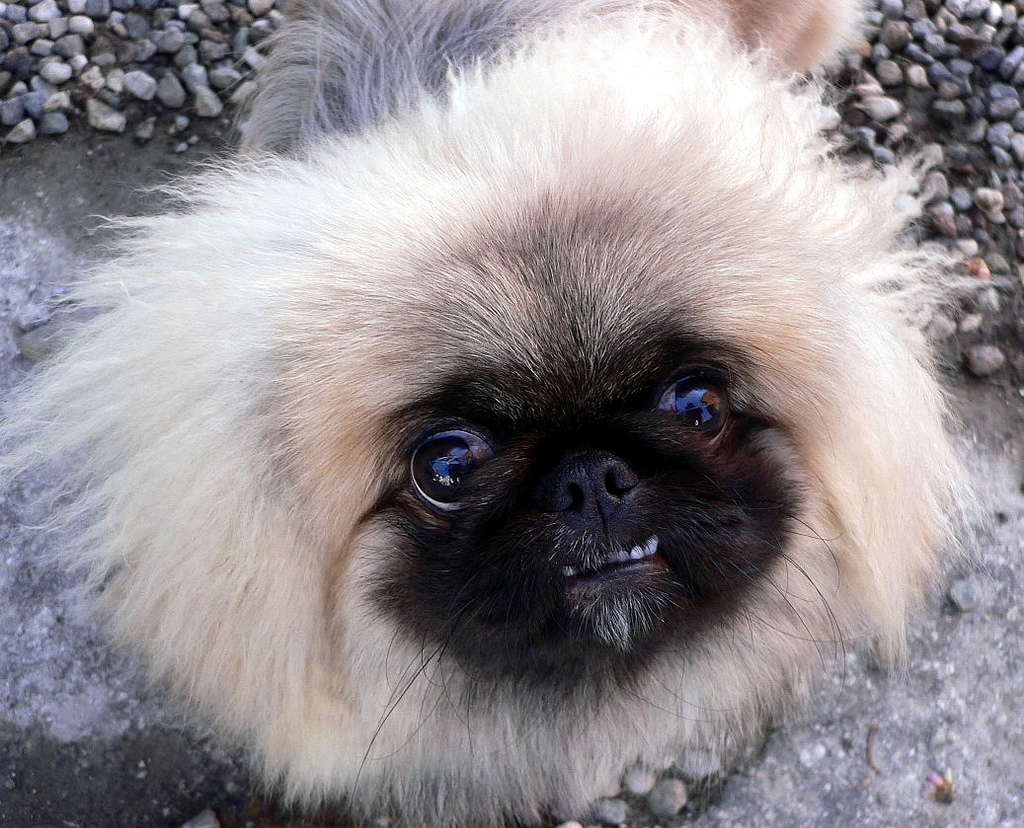
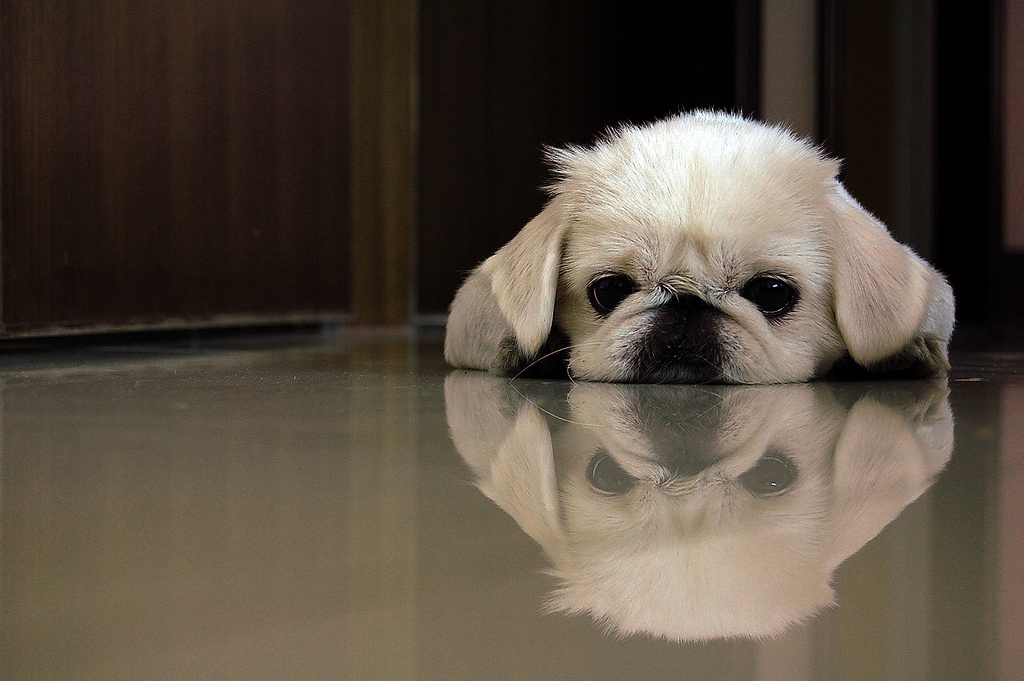
Pekingese are small breed dogs. Their height at the withers is approximately 15-25 cm, and the average weight is no more than 5 kg. They have a fairly large head, wider than it is high. Their muzzle is fairly flat, and their eyes are large and slightly bulging. These dogs are characterized by strong, short limbs, with the hind limbs slightly longer than the front ones.
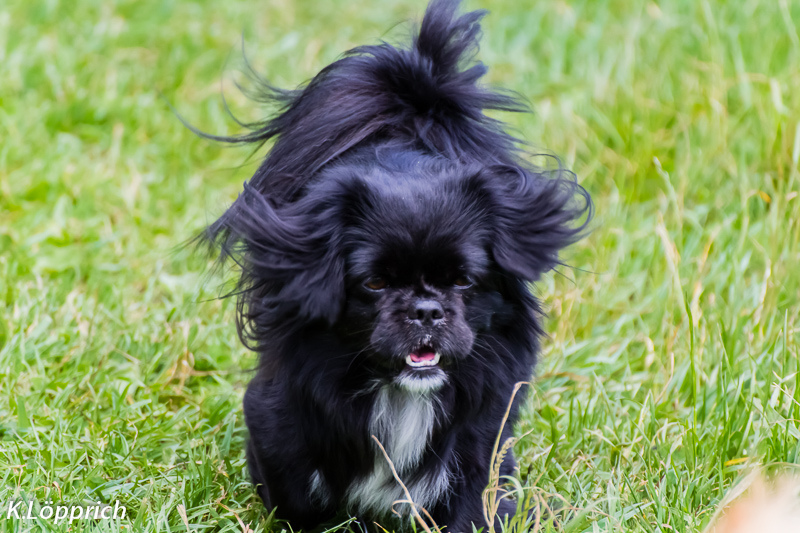
Pekingese have luxurious, long, double-layered fur. The coat around the neck is thicker than anywhere else. Pekingese come in a wide variety of colors, ranging from solid to spotted, and from black or red to white. Pekingese most often have black fur on their muzzle and around their eyes, regardless of their overall color.
Care and maintenance
It's worth noting that Pekingese require a lot of attention from their owners. The most appropriate care for these Chinese dogs includes:
- regular bathing;
- thorough and regular brushing of the coat
- cleaning ears and eyes;
- trimming claws.
Pekingese eyes are considered a vulnerable spot. They are practically unprotected by fur, so they can become very dirty and sometimes even inflamed. Therefore, eye care for a Pekingese requires meticulous care. A weak solution of potassium permanganate can be used to disinfect the area around the eyes. Pekingese's long fur requires special care. If not properly maintained, large mats can form within a week. During shedding season, excess fur should be removed with a damp sponge.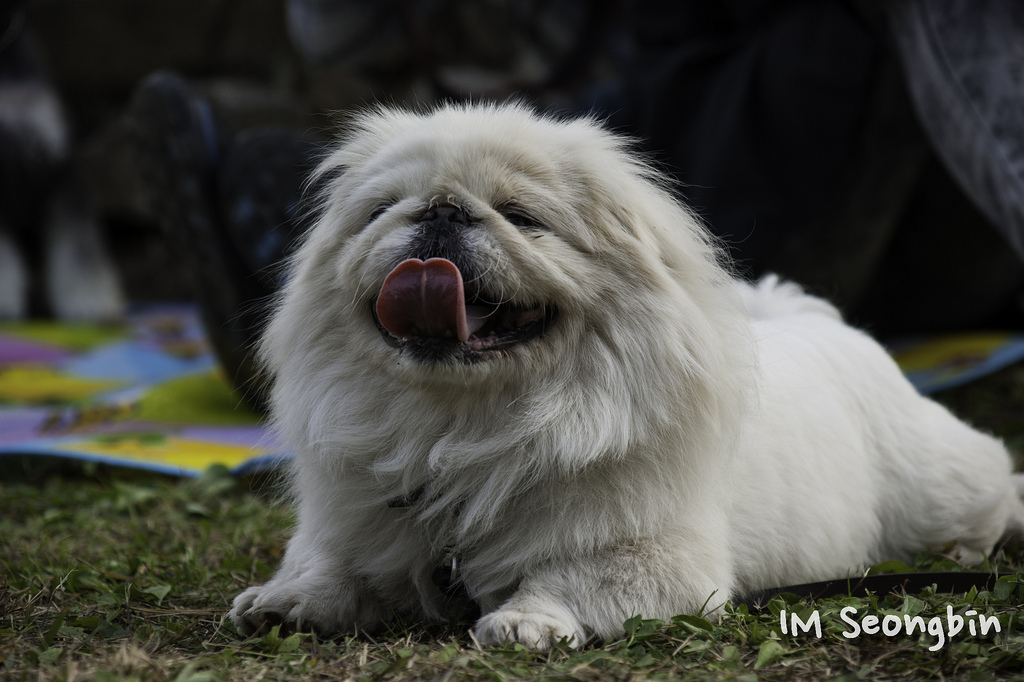
Bathing should be done with special shampoos for long-haired dogs no more than 1-2 times a year. Dry bathing, which involves applying talc and then brushing it out, is also recommended. The animal's body can be brushed with a massage brush, but the ears should be groomed with a wide-toothed comb.
Healthy ears don't need to be cleaned too often. Special cleaning products are used for cleaning, but a weak solution of regular hydrogen peroxide will also suffice.
Pekingese don't tolerate heat well, so they need frequent walks outdoors. It's also a good idea to occasionally moisten their pet's mat and rinse their paws with cool water. In the summer, a short haircut can help them cope with the heat. A short haircut will also help prevent mats and protect them from overheating.
Personality traits
These furry creatures are characterized by stubbornness and an extraordinary sense of self-worth. These dogs are unobtrusive and unobtrusive, and they are well-informed about the situation. Such a pet will always sense its owner's mood.
So, if you're in the mood to play with him, he'll be playful and cheerful. But if you'd rather take a break, your Pekingese will definitely notice and won't bother you, even for hours.
It's funny that Pekingese are characterized by reckless courage towards other dogs (even very large ones). They are very jealous of other pets. Pekingese do not tolerate rudeness and shouting. They need a lot of attention and affection from their owner. Despite all this, Pekingese are suitable not only for experienced dog owners, but also for for beginners, as well as older people.
Nutrition
It is recommended to feed a puppy of this breed up to 6 times a day. The diet small pet A variety of cereals, such as oatmeal, rice, or buckwheat, are essential. It's best to avoid milk. These furry little creatures' stomachs digest cottage cheese and various fermented milk products better.
A six-month-old puppy can be fed no more than twice a day. At six months, the puppy becomes a practically adult dog, and its diet is quite varied. However, owners should remember that no matter the type of food, it must be balanced. At this time, the pet can begin to be fed beef and chicken, as well as boiled boneless fish. Porridge with meat is an excellent food option for a Pekingese.
Pekingese are considered to be practically the only dogs that love fruits and vegetables. They happily eat them not only boiled but also raw. Vegetables and fruits provide a great source of vitamins for their pet's diet and also promote healthy bowel function.
The following products are contraindicated for representatives of this breed:
- sweets;
- salty food;
- fatty meats (pork or lamb), as well as bones;
- sausages, cold meats and smoked meats.
To obtain “healthy” fats, you can add a small amount of vegetable oil or butter to your Pekingese’s diet, for example, in porridge.
Knitting features
To avoid problems with Pekingese mating in the future, there are certain aspects that need special attention when raising a puppy.
Raising and properly training a good stud dog is not as easy as it seems at first glance. If, for seemingly incomprehensible reasons, he doesn't respond to a female in heat, forcing him to mate with her will be impossible. This situation doesn't arise with a female Pekingese: by choosing the right day for mating, you can observe how she calmly and naturally accepts the male. Their heat cycle lasts from 20 to 23 days, and the appropriate time mating period In short, a male dog is unlikely to be ready for intercourse if he has not shown activity from the very beginning – in this regard, he needs to be trained correctly from puppyhood.
Recommendations from experienced dog breeders in this area of training are as follows:
As you've probably observed many times, a 2-3 month old puppy is already attempting and actually mounting. This behavior is unconscious, driven by natural instincts, so shaming, scolding, and trying to break it of this supposedly "bad" habit is futile and completely unnecessary. If at any point this becomes uncomfortable for you, try to distract the puppy from this activity. Never yell or physically punish the puppy—in the future, the male will be afraid to approach the female and, naturally, will be unable to produce offspring.
Typically, a puppy will mount on soft objects—toys, pillows, or the owner's slippers. You shouldn't punish him for satisfying his natural urges, but you shouldn't constantly indulge him either. A male dog that gets used to satisfying his urges this way will not want a female dog in the future.
This means that a Pekingese puppy needs to be regularly monitored and trained.
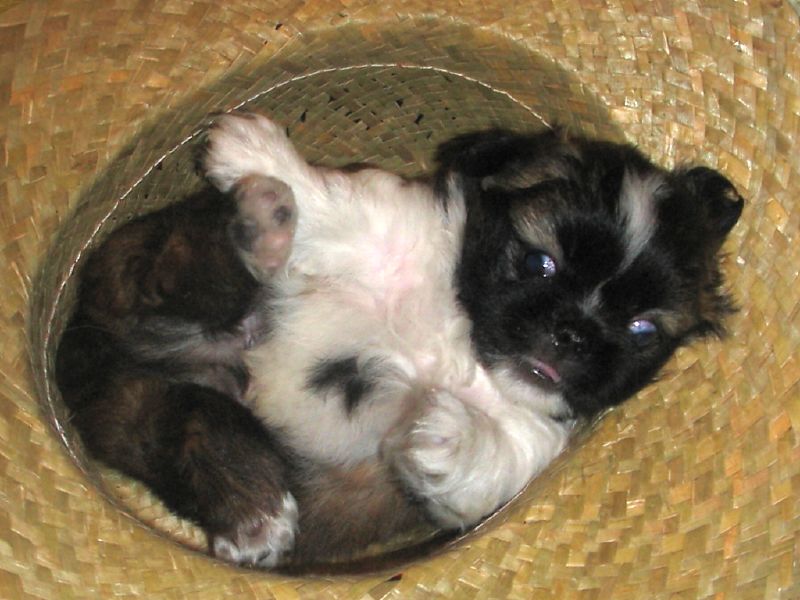
Great care must be taken to ensure the health of the male dog. To ensure successful mating of Pekingese dogs, resulting in healthy offspring and puppies free of testicular abnormalities, the animal must be tested for cryptorchidism.
A female Pekingese is ready to mate at the beginning of her third heat, when her body has completed its development and is ready for pregnancy and birth, or when the dog is already in her second year. Pekingese should never be bred during her first heat: the bitch's body is not yet fully developed, and even if she is able to give birth, the offspring will be nonviable or have significant developmental disabilities.
The cost of a Pekingese puppy
When deciding to get a Pekingese dog, many people first wonder how much a Pekingese puppy costs and how its price is determined. It's important to keep in mind that purebred puppies differ in a number of characteristics, and the type of animal you choose will determine its price. Dogs are typically divided into three classes: pet, breed, and show.
If you don't intend to breed your dog and simply want a companion dog, consider a Pekingese in the pet category. This category includes animals with exterior flaws and disqualifying deviations from the standard.
The breed category includes puppies with a good pedigree, possessing the breed's character and reproductive traits. They are not as beautiful and magnificent as show-class dogs, but they excel in breeding work.
The show class category includes purebred dogs that meet the standard and possess an outstanding exterior. Animals in this group are suitable for both breeding and exhibition.
Taking into account the differences in class, the cost of Pekingese puppies can vary from 8-15 to 25-30 thousand rubles. It is also believed that small puppies More expensive than their larger relatives. It's best to purchase this little miracle at least 3 months of age from certified nurseries or breeders.
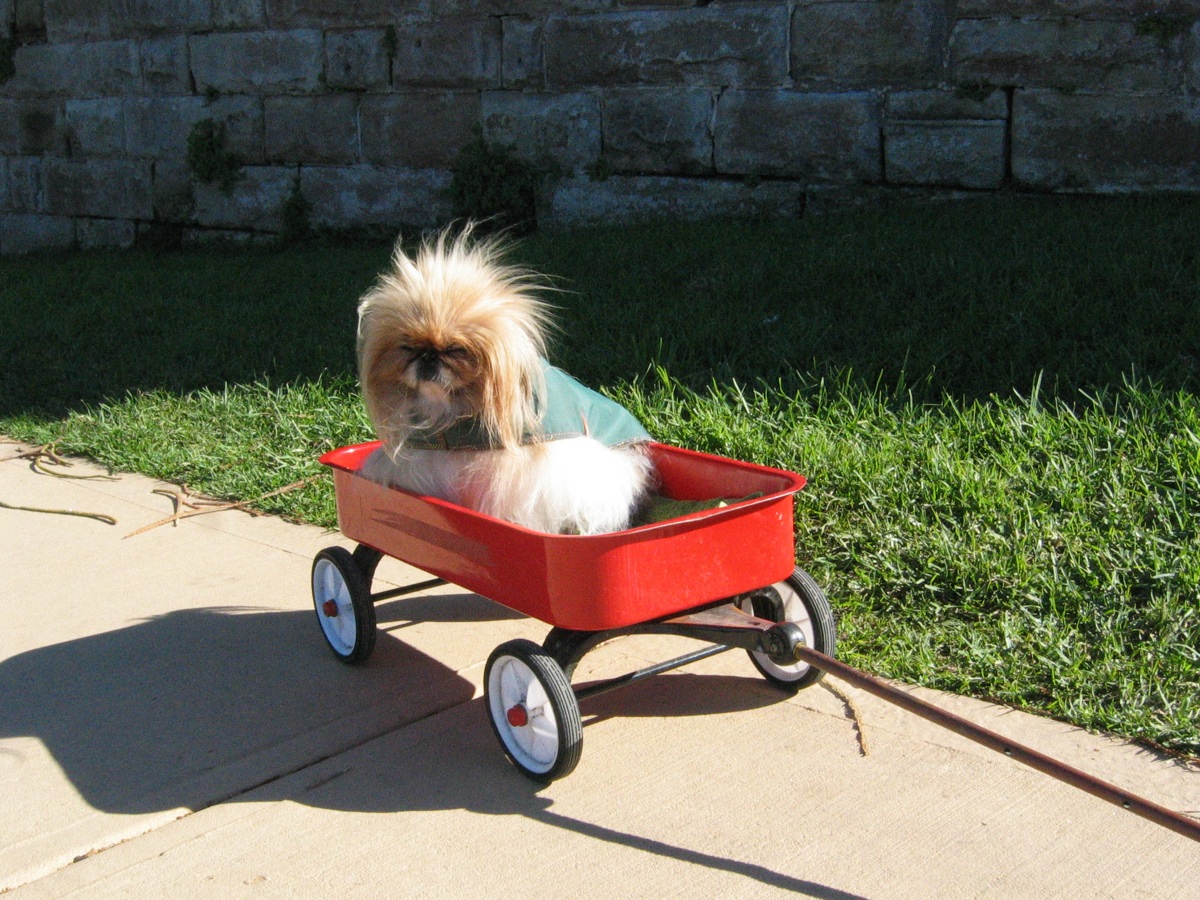
Why do Pekingese eyes fall out?
Future owners are worried about whether it is true that a Pekingese's eyes will fall out.
In reality, the eyes don't actually fall out, as you might imagine: when they move out of their sockets, the eyelids pinch them. The problem is that Pekingese can dislocate their eyeballs. This condition affects not only Pekingese but also other dogs with small eye sockets compared to their large, bulging eyes (pugs, Chihuahuas, Japanese Chin, French Bulldogs, and Toy Terriers).
Anxious pet owners are once again turning to the internet to learn how to prevent their beloved pet's eye from falling out. And it's understandable. Owners won't need to undertake any complicated procedures; simply watch and care for their pet carefully:
- perform daily eye examinations;
- remove eye discharge and accumulations in a timely manner;
- Make sure that the dog does not get into fights with other animals.
If an unpleasant situation does occur and your Pekingese's eyes bulge unnaturally, hurry to the veterinarian! Keep in mind that self-medication can complicate the problem, and don't put off your appointment until tomorrow—the eyes will swell, causing additional pain and discomfort. Apply moistened sterile wipes or bandages to the affected eyes. The specialist will examine the problem areas (check whether the eyes react to light and whether the dog can move them) and prescribe medication. a drop in the eyes, antibiotics, and injections. In severe cases, the doctor will recommend surgery, during which the eyelid will be incised and the eye will be reset.
If you can't get to a veterinary clinic, you'll need to treat the dog yourself. Before doing so, wash your hands thoroughly, lift the dog's eyelids, and apply firm pressure to the eyeball with a damp, sterile bandage. This will help push it back into the socket.
Pekingese lifespan
And, of course, dog lovers are interested in knowing how long Pekingese live; everyone wants their pet to live as long as possible.
And here's something to be excited about for future Pekingese owners: these beloved pets are noted for their longevity in the canine world. Official statistics on the lifespan of Pekingese in captivity cite 13.3 years. Of course, this is an average, calculated taking into account the age of deceased puppies and the age of animals that died prematurely in accidents. Therefore, by providing good living conditions and promptly identifying and treating various illnesses, you can ensure your dog lives 15-18, or even 20 years of happy life.
Photos
Photos of Pekingese:
Read also:
- Afghan Hound: Dogs
- Japanese Chin (Japanese Spaniel)
- Mating dogs: when and how to mate
- Aliment puppy: what does it mean?


Add a comment