
Parvovirus enteritis in dogs
Parvovirus enteritis is one of the most dangerous viral diseases diagnosed in dogs. The disease is dangerous due to its rapid progression and severe consequences, often resulting in the death of the animal within the first few days after the onset of symptoms.
Content
Pathogen and routes of infection
Parvovirus is an infectious disease caused by the Caninae Parvovirus.
This single-celled virus, which has only one DNA strand and no envelope at all, was first discovered by American scientists in 1978.
To date, the following important facts are known about Caninae Parvovirus:
- extremely durable and resistant to disinfectant solutions;
- able to survive freezing and exposure to high temperatures (remains active for up to 3 days at a temperature of 100ºC);
- in the external environment it remains for up to 5 months (and in feces for up to 1 year), waiting for its next victim;
- is closely related to the virus that causes enteritis in cats.
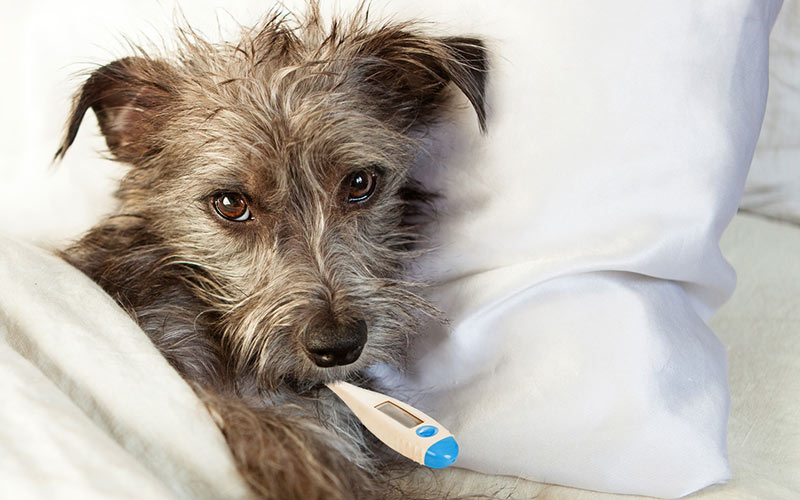
Infection occurs through alimentary contact—contact with a sick (or recently recovered) animal or contaminated feces, as well as toys, household items, and other surfaces contaminated with the pathogen. One way Parvoviridae enters the home is through shoe soles, so it's recommended to restrict puppies' access to the hallway and regularly clean the floor with disinfectant solutions.
A dog can also become infected with enteritis from a cat infected with feline parvovirus subtypes 2a and 2b. Transplacental transmission from a mother infected during pregnancy is also a common route of infection for puppies.
Important! Due to its incredible durability Caninae Parvovirus, there is a high probability of infection in premises where a sick animal lived and in veterinary clinics.This is why many breeders prefer to carry out the first vaccination at home, and puppies are strictly forbidden from being taken outside before vaccination and during the period of immunity development.
Symptoms and development of the disease
The duration of the incubation period (the period during which the disease progresses asymptomatically) depends on the dog's age and immunity. For example, in young, unvaccinated puppies aged 1-2 months, symptoms appear within 2-3 days, while in a physically fit adult animal, the incubation period can extend up to 10 days.
The symptoms of parvovirus, the extent of damage to the body, and the outcome largely depend on various factors:
- type of pathogen;
- age;
- animal's health status.
Young dogs that have not yet been vaccinated (or have only recently been vaccinated) are especially susceptible to this disease.
There are two types of Caninae Parvovirus:
|
Type of virus |
Symptoms |
|
CPV-1 |
often asymptomatic in physically strong puppies and is only detected by stool analysis |
|
CPV-2 |
is more aggressive and causes symptoms that are well known to many breeders and veterinarians:
|
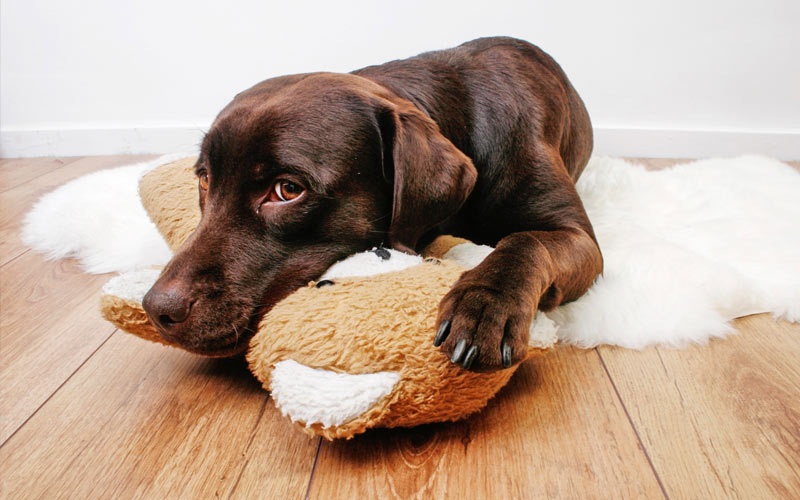
There are three forms of parvovirus enteritis:
- intestinal (the inner lining of the intestine is affected);
- cardiac (acute damage to the heart muscle occurs);
- mixed (combining the two previous types).
Intestinal form It occurs most frequently and has a favorable prognosis in vaccinated animals with a strong immune system, provided prompt diagnosis and treatment are initiated. Days 3-5 after the onset of symptoms are critical for the animal, as it is on the third day that the inflammatory process reaches its peak and blood appears in the stool. Even with appropriate medication, at least three days are required for the intestinal lining to recover. If the animal survives this period and does not develop serious damage to other organs or systems, a gradual recovery process begins.
Heart shape Most often affects young puppies and weakened, unvaccinated dogs. The disease is characterized by a rapid progression, with death occurring within 1-2 days of the first symptoms, including:
- weakness;
- shortness of breath;
- heart rate disturbance;
- complete refusal of food.
Mixed form The most dangerous form of this disease, it leaves virtually no chance of survival. It occurs in puppies born to unvaccinated mothers, as well as in animals with very weak immune systems and a wide range of underlying health conditions.
Diagnostics
As you can see, the symptoms of intestinal parvovirus enteritis in dogs in the early stages can easily be confused with poisoning or another acute digestive disease. It's important to consult a veterinarian without waiting for obvious symptoms such as bloody diarrhea, severe intestinal pain, and high fever (up to 105.5 F during the acute stage).
Remember, only early diagnosis can save an animal's life. If the damage is extensive, even the most expensive medications may be ineffective.
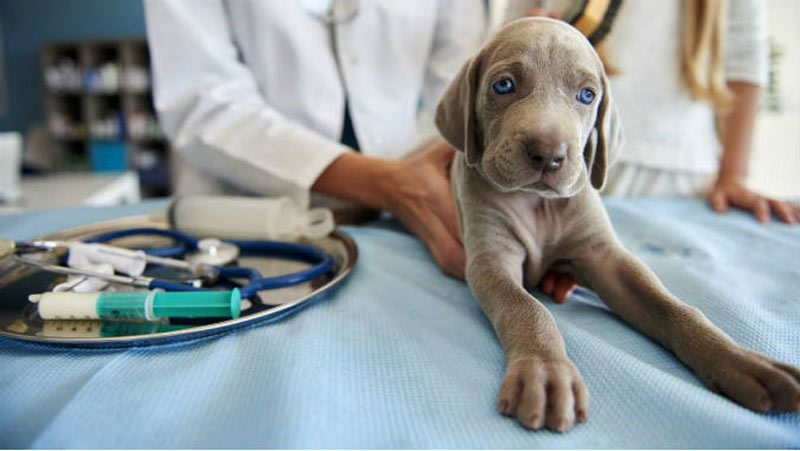
A diagnosis of parvovirus enteritis can be confirmed or refuted by testing. If the disease is suspected, stool and blood tests are prescribed.
Treatment
It is crucial to begin treatment as quickly as possible, as the first thing a sick animal needs is polyvalent immunoglobulins and special serums, which should stimulate the immune system and simultaneously act on the virus, stopping its spread in the body.
Since the inflammatory process has already begun by the time of treatment, and toxic Parvoviridae waste products are accumulating in the dog's body, supportive therapy is necessary, which, depending on the manifestations of the disease, may include:
- IV drips to combat dehydration (saline + vitamins + glucose);
- painkillers and anti-inflammatory drugs;
- antiemetic and antidiarrheal agents;
- antihistamines;
- antibiotics;
- detoxifying agents, sorbents;
- drugs that have a general strengthening effect and restore metabolism.
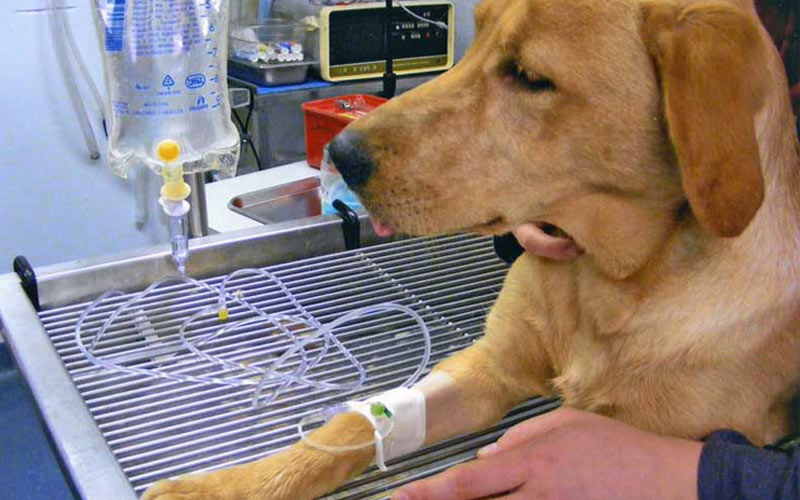
For the first two days, until vomiting stops and the intestinal wall begins to actively heal, the dog needs a fasting diet. During this period, the dog will be kept on an IV drip, so animals are often hospitalized (24-hour stay at the clinic).
Once the condition improves, treatment can be continued at home. Veterinarians typically recommend a therapeutic diet during the recovery period that includes:
- 5 meals a day;
- feeding in small portions;
- only natural, easily digestible products (no store-bought foods!).
Recovery can be lengthy, depending on the severity of the disease and the dog's immune system.
Forecast
Every breeder knows that parvovirus enteritis in dogs is the most dangerous infectious disease, claiming a huge number of lives, both among homeless animals and among representatives of elite breeds.

The prognosis depends on the conditions of care, the type of infection, and the stage at which treatment is initiated. According to statistics, the mortality rate for enteritis in dogs is:
|
Form |
Individual content |
Group content |
|
Super sharp |
50-60% |
95% |
|
Acute |
20-35% |
35-50% |
|
Subacute |
less than 20% |
less than 20% |
Prevention
The only effective prevention of parvovirus enteritis in dogs is vaccination. To develop lasting immunity, monovalent or polyvalent vaccines are used (selected by a veterinarian based on age and health status). Puppies receive their first vaccination at 1.5 months of age (usually while still with their mother). The most popular vaccines in Russia today are Vanguard, Nobivac, Parvovac, although you can find other options on the market.
It's important to adhere to the vaccination schedule, as this is the key to maintaining strong immunity and the body's proper immune response in the event of infection. If, for any reason, a vaccination is missed, or if the first vaccination is given to an adult animal, immunity will not develop immediately (a booster vaccination will be required after some time).
Also watch a video on the diagnosis and treatment of parvovirus enteritis in dogs:
Any questions? Ask your veterinarian using the comment form below. A specialist will respond as soon as possible.
Read also:


20 comments
Julia
Good afternoon, my puppy, vaccinated (with Multikan6), tested positive for coronavirus and parvovirus enteritis, as well as giardia. One day, his symptoms included mucus- and blood-tinged stools. However, after we removed treats from his diet, the next day he had clear, formed stools. His temperature is normal, his appetite is very good, and he's playful. There are no symptoms of the virus! The clinic said it's just a mild form of the disease and prescribed treatment only for giardia (Trichopolum). Should I worry and schedule an appointment at another clinic?
Daria is a veterinarian
Hello! How much time has passed since the Multikan vaccination and the test? If it's been less than a month, it's a false positive due to the development of antibodies to the vaccine. Now you need to retest your puppy for Giardia and check the effectiveness of Trichopolum. Keep an eye on your puppy, taking his temperature periodically. If there are no symptoms of illness, don't panic.
Don't forget about preventative deworming every 3 months, monitor your dog's diet, and don't let him put anything on the ground in his mouth when he's outside.
Natalia
Hello, I have a 1 year old Yorkshire Terrier who suddenly became lethargic...has no appetite at all...doesn't drink water...chills...I live in a small town and the veterinary clinic is far away...I give her water using a syringe...what could this be?
Daria is a veterinarian
Hello! What about your dog's vaccinations? Deworming? Has her body temperature been checked? Has she had contact with other animals? Any other symptoms (vomiting, diarrhea, fever, discolored urine or visible mucus membranes)? Perhaps a tick was removed recently? Simply "lethargic"—well, it's impossible to make a diagnosis, or even guess what exactly. Because 99% of animal diseases will show lethargy and refusal to eat among the clinical signs. No matter how far away the clinic is, you need to get there. Specific therapy (if it's an infectious disease) and IVs may be needed, as your pet hasn't eaten in a while.
Xenia
Hello, my dog is on day six of illness. Vomiting and diarrhea have become less frequent. The vet has given him an Immunofan injection, but on day six his temperature rose. How should I evaluate it? Is it worsening? He's been flat out not eating or drinking all day.
Daria is a veterinarian
Hello! With parvovirus enteritis, the temperature often decreases. However, if a fever develops, it's important to consider the possibility of a secondary pathogenic microflora (bacterial infection). This often occurs with viral diseases, and it's precisely because of this that the animal dies. An antibiotic should be added to the treatment regimen. If vomiting and diarrhea are present, force-feeding is not recommended. Have you tried Serenia? It's effective against vomiting and diarrhea (it stops them). To assess the animal's condition, you need to know how high the temperature has risen. However, it should have improved by the sixth day.
Evgeniya
Hello. Could you please tell me what could be wrong with my dog? On March 20th, he started having diarrhea. He vomited once, and we had to take him outside frequently, where he would sit down to go to the toilet little by little. The diarrhea continued the next day, and we also had to take him outside frequently. Now the situation is that the dog's feces are a runny consistency, not like water, but runny, but he doesn't ask to go out often. He stopped eating porridge with chicken and beef scraps two months ago, but he eats what we eat from the table willingly, sitting and begging. Our male is 3.7 years old, not mated or neutered, we don't give him any pills. After a walk, he becomes overexcited and jumps on our leg, simulating sexual intercourse. But yesterday, while simulating it, he splashed the floor with red drops that looked like either blood or sac. This has never happened before. When the dog He moves around the apartment, sleeps on a chair, and has a small amount of yellowish-gray discharge from his genitals. What could be happening to the dog, and what should I do? Please help with advice. Thanks in advance.
Daria is a veterinarian
Hello! If you don't plan to breed your dog, have him neutered. This will resolve the sexual imitation issue, and the penile discharge will also disappear. However, regarding the diarrhea, we need to investigate. There's no information about your vaccinations against infectious diseases or deworming treatments (how long ago, with what, and whether any were given at all). Has your dog's temperature been taken? What did he eat during the past 24 hours and on the day of the diarrhea/vomiting? Has the diarrhea continued or has it resolved? It's important to rule out infectious or parasitic causes of the digestive upset.
Ksyu
Hello, we bought a 2-month-old Beagle puppy. We got her from Moscow without paperwork. Upon arrival, she got worse after eating a little and developed diarrhea. The vet diagnosed her with parvovirus. She received an IV drip and 7 injections, but I don't remember which ones. She only had vitamins, an antibiotic, an antiviral, an immunomodulator, and some other things. For the first two days after the IV drips, she felt weak. She wouldn't eat anything at all on the first day. On the second day, she took a teaspoon of Royal Canin Gastro, but we diluted her with water and fed her little by little. We also gave her about 10 ml of liquid probiotic, also given little by little through a syringe. The puppy mostly sleeps during the day and is inactive. In the evening, she tries to run and play, as best she can, but she's exhausted. Today is the 3rd day of IVs and we threw up during the IV, then we've been vomiting all day. She either sneezes or just drools a lot with blood mixed in. She drinks water on her own, but only a little bit. We're also feeding her with a syringe and giving her probiotics in the evenings, and she's becoming more active. Can you tell me if the puppy is getting better? Is there anything else I can do to help the little one?
Daria is a veterinarian
Hello! Well, it's only the third day of treatment, and this infection doesn't just go away. A specific serum injection is necessary (you've probably already received it; it contains ready-made antibodies to the infection, which helps the body fight viruses better). Force-feeding is not recommended, especially if there's diarrhea and vomiting. Feeding soft food should only begin after the animal hasn't had any vomiting or diarrhea for 24 hours. Your veterinarian should be able to tell you how well the recovery is progressing; they know best how well the little one is resisting the infection.
Oksana
Good day, please help. My dog has parvovirus and I'd like to know about the complications of this disease. The dog won't stand up. Even when you help him, his legs still slide apart.
Daria is a veterinarian
Hello! Is your dog being treated? It won't heal on its own. If treatment is started promptly, there won't be any serious complications. The most common complications after enteritis are damage to the heart and intestinal epithelium. In the future, food intolerance may occur (the diet needs to be adjusted), otherwise diarrhea will occur. Sometimes allergies develop after enteritis.
If "heavy" antibiotics are used, liver and pancreatic damage may occur (but this is not a complication of the disease, but a result of the therapy). Legs may splay out either due to weakness or because the injection sites are painful (if the medication was injected intramuscularly into the thigh). You haven't mentioned whether you're treating the animal, what you're treating it with, how long, the pet's age, or other details. It's difficult to "guess" without knowing the details. I described the main complications of enteritis in dogs above. If you're interested in why the legs are splaying out, please describe the situation in more detail.
Irina
Hello!
I have a problem: after vaccinations on September 7, 2018, the puppies fell ill on September 13 and died. One puppy was even taken to the hospital, with the same result. Meanwhile, there was a mated female at the kennel; the puppies are now three weeks old. The premises have been disinfected, and I use quartz cleaning three times a week. The enclosure has been repainted. What do you recommend regarding deworming and vaccinations?
Daria is a veterinarian
Hello! Well, you can deworm them according to age (when they reach 6-8 weeks of age). However, vaccination in this situation is questionable; you should hold off for now. Was the bitch vaccinated? Which vaccine were the puppies vaccinated with? Was the diagnosis that caused the puppies' deaths determined? Are there any good clinics in the city? Is it possible to test their blood for antibodies? Choose a puppy, have their blood tested for antibodies, and then test again from the same puppy in two weeks. If the antibodies are increasing, you have an infection circulating in the kennel. If they remain the same, they were acquired from the mother (especially if the bitch is vaccinated). If you're worried, you can inject them with a serum (like Giskan 5, which will give the puppies passive immunity).
Karina
Hello, my 5.5-month-old German Shepherd puppy was vaccinated against coronavirus at the insistence of the dog trainer (whom we're enrolled in training with). Three days later, the dog began to have diarrhea and vomiting, refused to eat, and spent a lot of time lying down. The vet diagnosed parvovirus and prescribed IVs and injections. He strictly forbade her from drinking water, except for lightly rinsing her mouth. Four days later, she began to get up on her own and show some activity, specifically demanding water. She eagerly runs to open faucets, but the vet insists against giving her water, as it could trigger vomiting, which would worsen the treatment.
Throughout the illness, the diarrhea was brownish-red and watery, the vomit was white-yellow, after starting a course of injections to boost the immune system, the diarrhea became more brownish in color and like a thin porridge, the vomit became brownish-yellow, closer to ocher, and thicker. Does this mean improvement and when can I start giving water? I feel sorry for the dog, he really begs for water.
What to do and when to start giving water
Dasha is a veterinarian
Hello! Why didn't you give your dog the standard two-month puppy shot for distemper and parvovirus??? Excuse me, but what kind of dog trainer doesn't know about their breed? German Shepherds are especially susceptible to these diseases, so vaccination against them is a must! Well, if this happened, it's too late to scold him =) Did you administer serum? Immunostimulants? How long has he been on an IV? Give Regidron or other similar fluid-balance restorers, in small doses (a tablespoon of solution), but every 10-15 minutes. You can give him normal fluids only after vomiting and diarrhea have completely stopped, but only if the IV is on continuously! Alternatively, glucose can be administered subcutaneously to prevent dehydration. Veracol can also be added to speed up the recovery of the intestinal mucosa. What else can you give your pet?
Elena
I need advice!
I picked up a mongrel puppy, and a few days later he got sick. We treated him for over three months. Here are the test results from March 30, 2018:
Indicators Result: Coronavirus enteritis (family Coronaviridae) negative:
Indicators Result: Helminth eggs not detected, Cystoisosporae spp. not detected.
But!!!
Indicators Result: Parvovirus enteritis (Canine parvovirus), positive.
What to do next?!
The puppy is 4 months old, cheerful, active, with a good appetite and good stool.
Dasha is a veterinarian
Hello! Did the veterinary clinic explain the test results to you? Ideally, you should have your puppy tested again in about two weeks to assess the antibody titer. Based on that, we can make a guess. Most likely, the puppy is a carrier of the virus (either from his mother or by some lucky chance, he survived after being exposed to it on the street). Monitor his condition and well-being, and have him tested again in a couple of weeks.
Victoria
Good afternoon! I have a 3-month-old Dolmatov with parvovirus. The treatment was basically as you described, but the only antibiotic we have is ceftriaxone. Should we give him glucose? Should he be force-fed? What's the best way to stop vomiting? Cerucal or Serenia?
Dasha is a veterinarian
Good afternoon! Antibiotics are prescribed by your vet at their discretion. Ceftriaxone is quite strong, but safe for animals (new generation). Don't force-feed your pet! Firstly, vomiting will occur anyway. Secondly, it won't be digested. Just give it water (small amounts, but often). Special saline solutions (similar to Regidron) are excellent. They are widely available in human pharmacies. You can give it with a tablespoon, or you can use a syringe without a needle every 10-15 minutes. This will restore the water-salt balance. Glucose can be given, but saline solutions are best (they contain glucose). Choose the right antiemetic for your pet. I usually prescribe Cerucal. If necessary, give your puppy IVs. Get well soon.
Add a comment