
Parson Russell Terrier
The Parson Russell Terrier is a small hunting dog that has been overshadowed by its popularity. Jack Russell TerriersAnd yet, just recently, they were representatives of the same breed. The Parson Russell is an excellent companion and avid hunter, bred to pursue and retrieve foxes from their dens, and was also used as a ratter.
Content
History of origin
John Russell, a priest from Swimbridge, Devonshire, was an avid fan of hunting foxes with dogs, but none of the breeds available at the time met his requirements. He needed a dog that could keep pace with a horse and then have the strength to work in a burrow. Other essential requirements included a docile nature and the ability to work in a team. These nuances were especially important because fox hunting, often carried out by parforce dogs, was popular at the time. Success often depended on the courage, tenacity, intelligence, and, of course, the endurance of the fox hounds. A fox, pursued by a cavalcade of horsemen and foxhounds, would often retreat to a safe burrow. The large dogs would form a deadly circle around it, but were powerless to do anything. Then terriers would enter the arena. Typically, these were fox terriers, who possessed the necessary ferocity toward the fox.
One important moment from history is worth mentioning separately. fox terriersSince 1859, dog shows have become a popular pastime in England. This had a significant impact on the breed's development. Dog breeders were divided into two camps. Those who prioritized appearance began to infuse their dogs with foreign bloodlines, striving for perfection. Others prioritized working ability. The latter included the Reverend Father Jack, who adored horseback hunting with dogs but was dissatisfied with these circumstances and disappointed with the performance of many terriers. Incidentally, Russell never had a clerical career, rising only to the rank of vicar, but is known worldwide for his small, energetic terriers.
Jack Russell's favorite was a small, strong, and spirited wire-haired dog that resembled shaggy Scottish terriers. It was with this dog that the pastor began his work, seeking to obtain a stock of hunters similar in character and type. Jack Russell's companion, biographer and pastor E.V.L. Davis, kept numerous records, but no information remains regarding which dogs became the breeding stock. It is believed that Border Terriers and Fox Terriers contributed to the formation of the breed. Welsh Corgi, Lakelands, dachshunds and small beagles.
By 1832, Jack Russell had established a good breeding stock of a specific type, which became the basis for a standard. Subsequently, dogs began to be named after their creator—Parson Jack Russell Terrier, literally meaning "Pastor Jack Russell Terrier." In 1873, at the age of 70, the parson founded the British Kennel Club and judged terriers by his own criteria. He believed that true working dogs should be judged primarily on character and skill, not appearance; he never exhibited his own dogs.
Jack Russell's work was continued by his followers, primarily hunters. As before, working qualities were prioritized over appearance, so the breed remained highly heterogeneous, greatly hindering the development of a standard. It was only in 1990 that the British Kennel Club recognized the Parson Jack Russell Terrier and published a provisional standard for the Parson Jack Russell Terrier. That same year, the breed was recognized by the FCI. Ten years later, it was divided into the Jack Russell Terrier and the Parson Russell Terrier.
Purpose
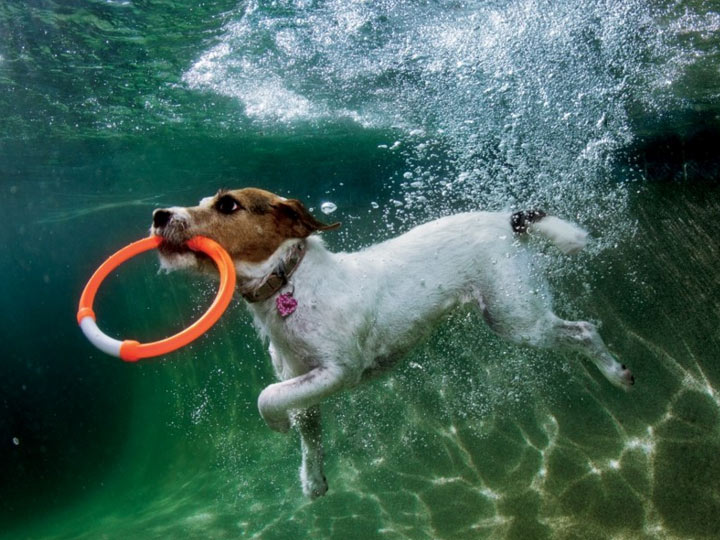
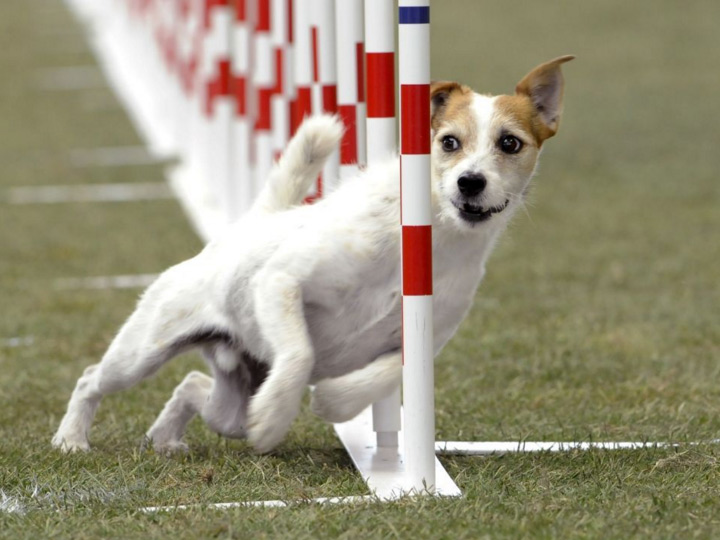
Parson Russells make wonderful companions and are still used to hunt badgers and foxes, as well as hares and water rats. They are excellent rodent exterminators; in 1977, a Parson Jack Russell named "Vampire" from the UK killed a ton of rats. Representatives of this breed often compete in various sports, including agility, freestyle, dog dancing, frisbee, and are particularly good at balloon popping.
Video about the Parson Russell Terrier dog breed
What does a Parson Russell Terrier look like according to the standard?
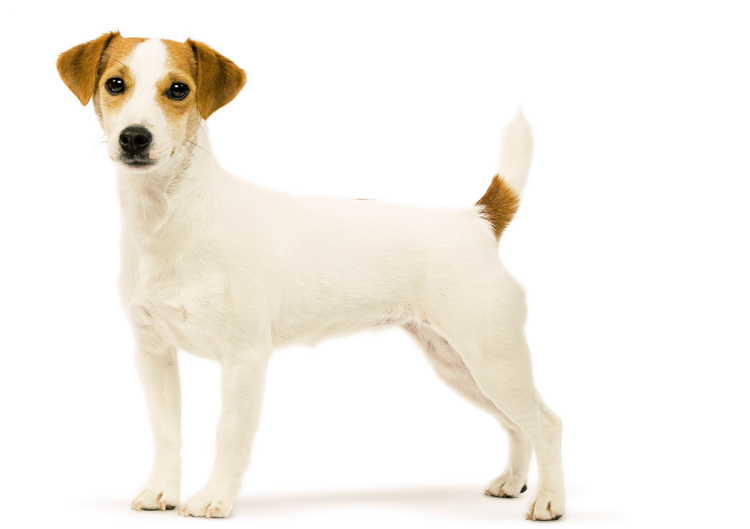
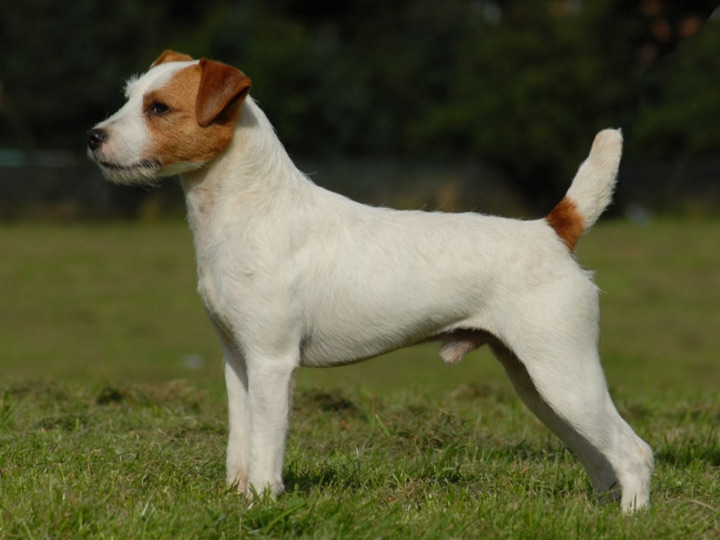
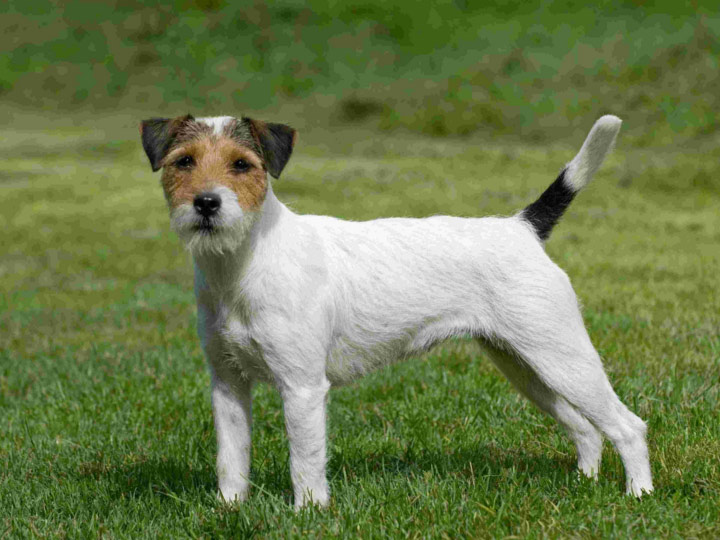
The Parson Russell Terrier is a good working terrier, capable of burrowing, with a flexible, muscular body of small size. Height at the withers ranges from 33 to 35.5 cm. Weight is not specified in the standard, but is typically 7-9 kg.
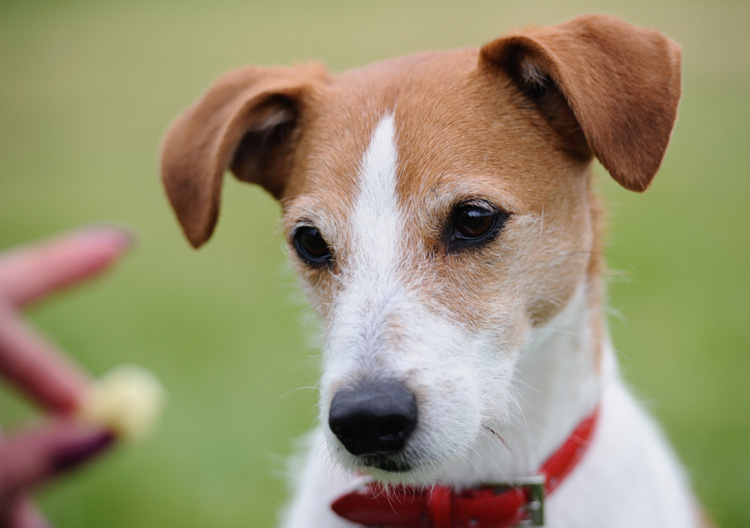
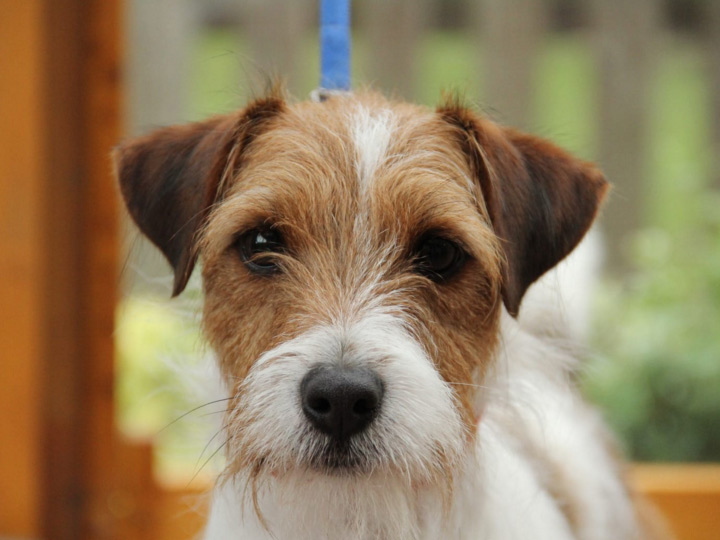
The skull gradually tapers. The eyes are almond-shaped, set fairly deep, and dark brown. The ears are small, V-shaped, and hang forward. The tip of the ear should reach the corner of the eye, and the crease should not rise above the topline of the skull. The nose is black.
The neck is fairly long, widening toward the shoulders. The body is balanced, slightly elongated, with a straight back and moderately deep chest, not reaching below the elbow. Ribs should not be excessively tight. The tail is moderately long, straight, and may be docked. The legs are straight, with feet set parallel. The paws are small and compact, with well-developed pads.
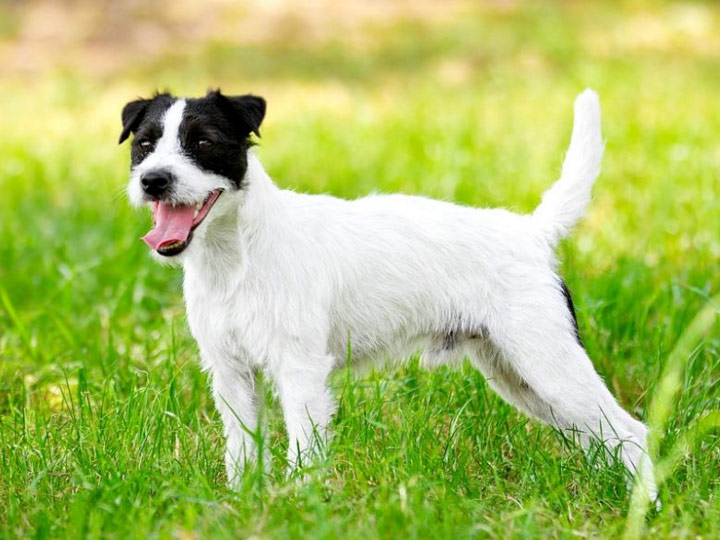
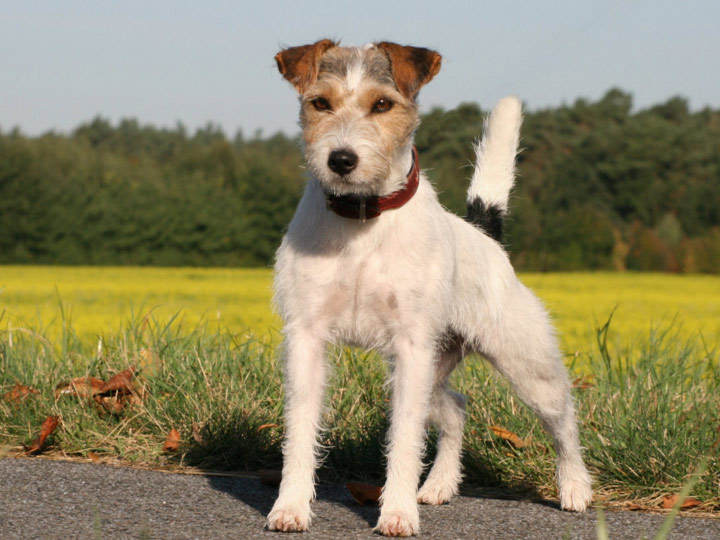
The skin is dense and loose. Dogs are divided into two types based on their coat: smooth-haired and wire-haired. Both types should have a good undercoat. The topcoat is straight, harsh, and lies close to the body. The inner thighs and belly are covered with sparser hair, but should not be completely bare. Smooth-haired dogs have short hair all over their bodies, of approximately equal length. Wire-haired dogs have medium-length hair, with longer hair on the backs of the legs. Additionally, the hair on the face forms a beard, mustache, and eyebrows. Color: white, with any combination of red or black markings, preferably on the head and at the base of the tail.
What is the difference between a Parson Russell Terrier and a Jack Russell Terrier?
There are many misconceptions about Parsons and Jack Russell Terriers. It's worth noting that until recently, from 1990 to 2001, the breed was known by one name: the Parson Jack Russell Terrier.
In 2001, due to the large number of short-legged dogs and the danger of type 2 degeneration, it was decided to divide the breed into two independent ones: Jack Russell Terrier (FCI Standard No. 345) and Parson Russell Terrier (FCI Standard No. 339).
But let's move directly to the differences.
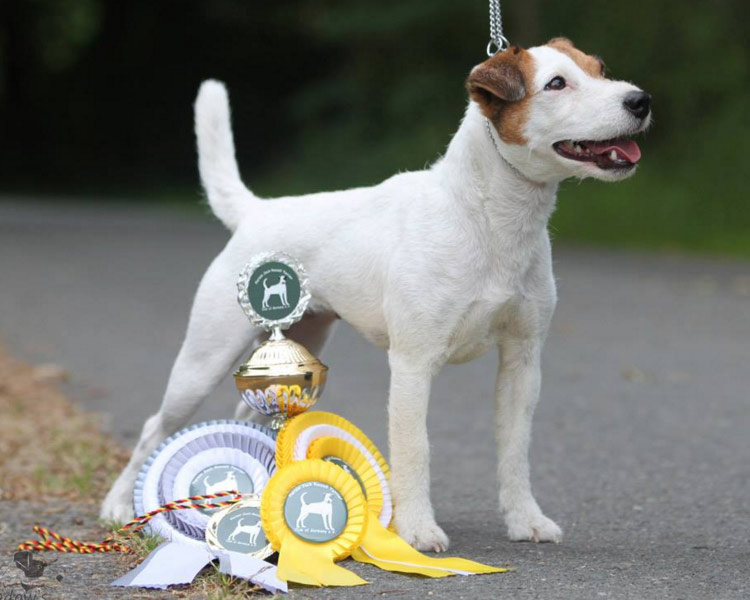
- The first thing that catches the eye is the body shape, which in Parsons is close to square, while in Jacks it is noticeably elongated.
- Parsons are taller, with the ideal height at the withers for males being 33-35.5 cm (13-14 inches), although the standard does not specify a height limit. Jack Russells should be no taller than 25-30 cm (10-12 inches), with a 1 kg (2.2 lb) weight ratio for every 5 cm (2 inches).
- The Parsons' legs are noticeably longer and slimmer.
Character
Parson Russell Terriers are very friendly, alert, and energetic, with a lively temperament. At the same time, they are very curious and eager to pursue a burrowing animal at any moment. Their agility and fearlessness are key to their work. They often exhibit aggression toward other pets or perceive them as potential prey, which should certainly be discouraged. They can be quarrelsome with other dogs, provoking conflict with them, even with larger ones.
The Parson Russell Terrier is very inquisitive and sociable, attentive, and loyal. It should be involved in all household chores and always be nearby. It is wary of strangers on the street, but if they are guests of its beloved owner, the dog will be very friendly, albeit with a certain aloofness. Parson Russells adore all family members and are very good with children, even small ones, provided they have known the child since childhood. They get along well with cats. Their character also includes such unpleasant traits as stubbornness and jealousy. It's difficult to call the Parson a natural manipulator, but they may use deception or feign affection to achieve their goals.
Education and training
Training a Parson Russell involves teaching the dog proper house rules. It's worth noting that the puppy quickly understands what's expected of it and, whenever possible, tries to comply. However, the owner must also be mindful of their pet's well-being.
If you don't devote enough time to walking your dog, then there's no point in scolding him for ruining things. If he's been allowed to take something from the table a few times, it'll be difficult to break him of that habit in the future.
At a young age, training should definitely be playful, but don't expect perfect performance and obedience from your dog. After all, this isn't a working breed, but an independent and somewhat stubborn terrier with a mind of its own.
The Parson Russell Terrier is very trainable. It will certainly do what it's asked to please its owner, but only for as long as it deems it necessary. The dog should not only know basic commands well but also perform them both indoors and outdoors. This will make walking the dog much easier and make living together more comfortable.
Content Features
Parson Russell Terriers are equally well suited to living in an apartment or a private house, but not outdoors. Regardless of where the dog sleeps and rests, it's essential to provide active exercise. Regular long walks will ensure the terrier's mental and physical health. This energetic dog needs to release all its energy outdoors to remain calm at home. They are fairly clean, and with proper care and regular bathing, they don't have a doggy odor. Wirehaired dogs also don't shed if brushed and trimmed regularly.
At a young age, damaging things is inevitable. A puppy will inevitably try to chew on your owner's shoes and many other items within its reach.
An adult dog usually doesn't cause problems in the home, behaves calmly, and is content with offered toys. It's preferable for a Parson to have his own sleeping area, even if he prefers to sleep on the owner's bed at night. Having several toys is essential, especially for pets living in an apartment.
Care
The Parson Russell Terrier doesn't require extensive grooming. Bathe the dog no more than once a month. If your pet gets dirty on a walk, simply wash its paws and wipe its fur with a damp towel or a fine-toothed brush. Keep its tear ducts clean and, if necessary, clean its eyes with lotion or tea. In wire-haired dogs, eyebrows can get on the cornea and irritate it, so some hairs need to be trimmed.
Grooming varies slightly depending on the coat type. Smooth-coated dogs only need to be brushed once a week. Wire-coated dogs also need to be brushed regularly and trimmed every 3-4 months.
Ears should be inspected and cleaned once a week. Also, due to the puppy's tendency to develop tartar, it's advisable to accustom its teeth to brushing from an early age. This procedure will need to be performed at least once a week throughout its life.
Feeding
Parson Russell Terriers are often picky and demanding eaters, especially if their owners are used to spoiling them. A balanced diet can be provided with either natural foods or prepared foods. In the former case, the diet should consist primarily of meat and organ meats, with one-third of the meal being cereals, vegetables, fruits, and greens. Dairy products can be given occasionally, and quail eggs can be given once or twice a week. It's worth noting that excessive grains can quickly lead to weight gain. Some foods can cause allergies. If your Parson Russell Terrier is fed a natural diet, vitamin and mineral supplements are periodically added.
When choosing prepared food, look for brands that fall into the super premium or holistic categories. In most cases, these are complete diets that don't require additional vitamins and mineral supplements, nor do they require meat supplements, which can lead to excess protein. Parson Russells are best served with food for small, active breeds, which should be high in protein and carbohydrates and low in fat.
Health and life expectancy
The Parson Russell Terrier is a hardy, robust dog with good health. They rarely get sick, and no serious genetic abnormalities are observed in the breed. Their lifespan is typically 12-14 years. Breeders and veterinarians note that some dogs are prone to a number of health issues:
- Ectopia lentis;
- Cataract;
- Myasthenia;
- Congenital deafness;
- Patellar displacement;
- Septic necrosis of the femoral head.
- There is also a tendency to form tartar.
Choosing a puppy
The Parson Russell Terrier, like its brother, the Jack Russell, is one of the most popular and fashionable breeds, making it difficult to find a good one. Many breeders are looking for easy money and have only a vague understanding of selective breeding, but only proper breeding guarantees physically and mentally healthy animals that meet the standard not only in appearance but also in character.
If you're looking for a dog similar to a Parson Russell Terrier, you might be tempted by the low price and choose a puppy from a photo online. But if you're looking for a truly good dog, you'll have to approach the selection much more seriously. More details are available in the article "The difficulties of choosing a Jack Russell Terrier puppy", which also applies to the Parson Russell Terrier.
It's essential to pay attention to the living conditions and health of all animals, not just the babies. Dogs should appear healthy and well-groomed, and the breeder should provide full information about their origins, vaccinations, veterinary and preventative measures, feeding regimen, and other relevant information.
Price of puppies
The average price for a pet-grade Parson Russell Terrier puppy (not for breeding) is 15,000-25,000 rubles. Puppies with potential are usually more expensive, starting at 30,000 rubles. Undocumented puppies from random "health" matings sell for 1,000-5,000 rubles.
Photos
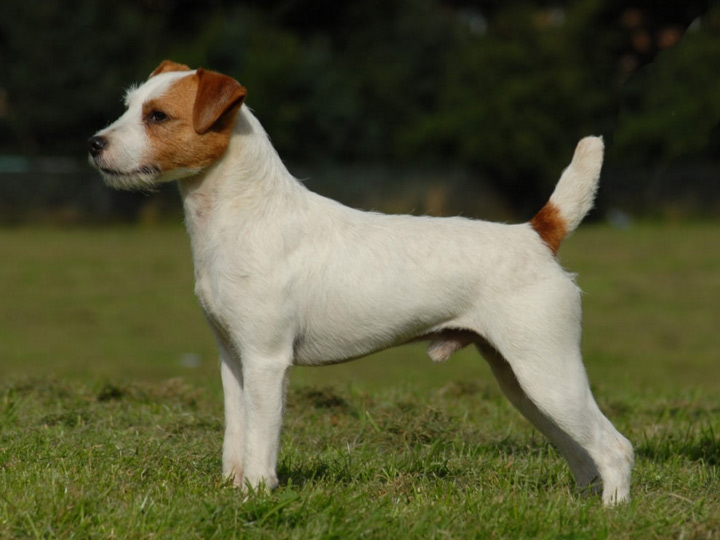
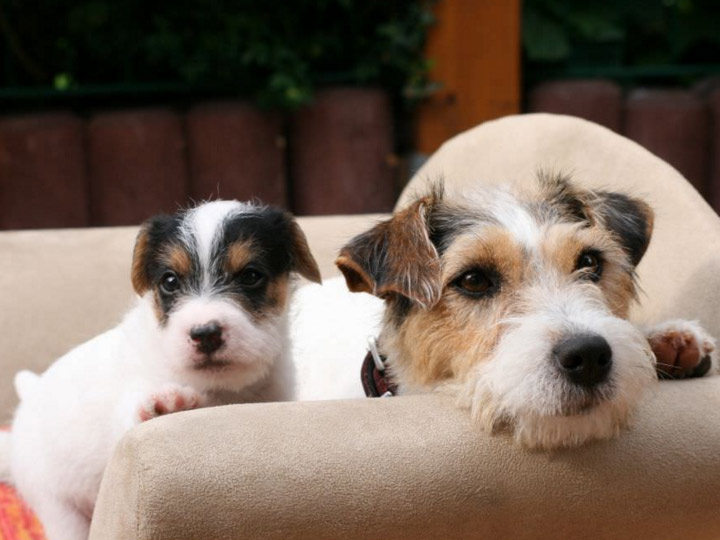
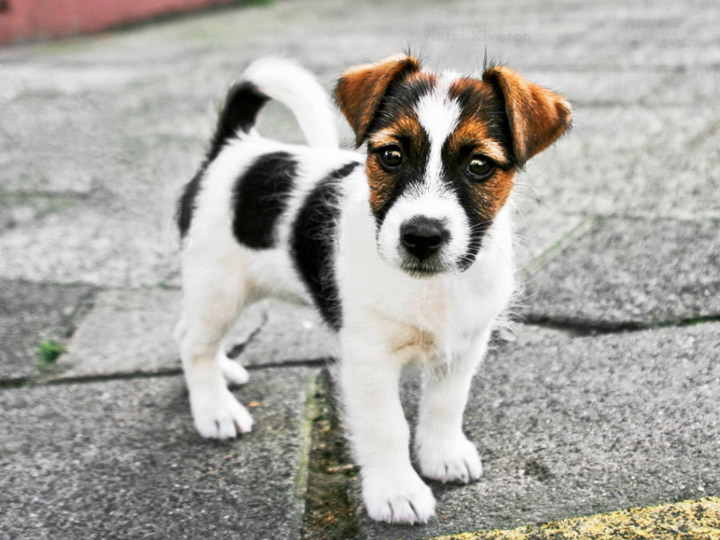
Photos of Parson Russell Terriers of different sexes, ages, and colors are collected in the gallery.
Read also:


Add a comment