
Periodontal disease in dogs: symptoms and treatment
The periodontium is the complex of tissues that anchor the tooth in the jaw. It includes the gums, periodontal ligaments, and the bone covering the neck and root of the tooth. Periodontosis is a disease that causes degenerative changes in these tissues. In dogs, periodontosis is most often diagnosed in old age; Chihuahuas, bulldogs, and pugs are genetically predisposed to this condition.
Reasons for development
Periodontosis in dogs develops as a result of inflammation and disruption of the blood supply to the gums. The gum tissues are not properly renewed and partially atrophy, leading to the "sagging" of the interdental spaces and degenerative changes in the bone tissue. The connection between the teeth and the gum tissue is lost. teeth start to loosen and may fall out.
Most often, periodontitis is caused by:
- lack of proper dental care;
- trauma to teeth or gums;
- The presence of tartar. This process begins when soft plaque forms on the teeth, colonizing pathogenic microorganisms. When this plaque mineralizes (hardens), bacteria penetrate under the gums, causing destruction of the alveoli (the recesses in the jawbone).
- feeding the dog only soft food;
- deficiency of vitamins and microelements in the diet;
- prolonged gingivitis (inflammation of the gums);
- gastrointestinal diseases and diseases of other internal organs accompanied by metabolic disorders.
Symptoms
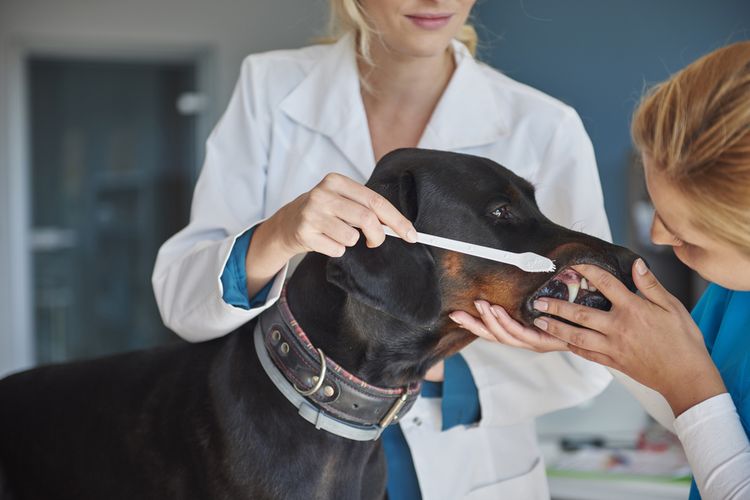
- Signs of periodontal disease in dogs may include:
- A putrid smell from the mouth;
- Inflamed or too pale gums;
- Drooling, saliva sometimes pinkish in color due to the admixture of blood;
- Chewing causes pain to the dog, so it avoids hard food;
- The dog scratches its mouth with its paw, as if something is bothering it there.
- In advanced cases, due to the lowering of the gum level, the neck of the tooth is exposed, and plaque may form on the gums. fluxes or fistulas, the teeth begin to wobble.
In small dog breeds, periodontal disease is more severe: the ratio of tooth volume to jaw volume is greater than in large breed dogs, so the destruction of even a small amount of bone tissue can have detrimental consequences.
Diagnostics
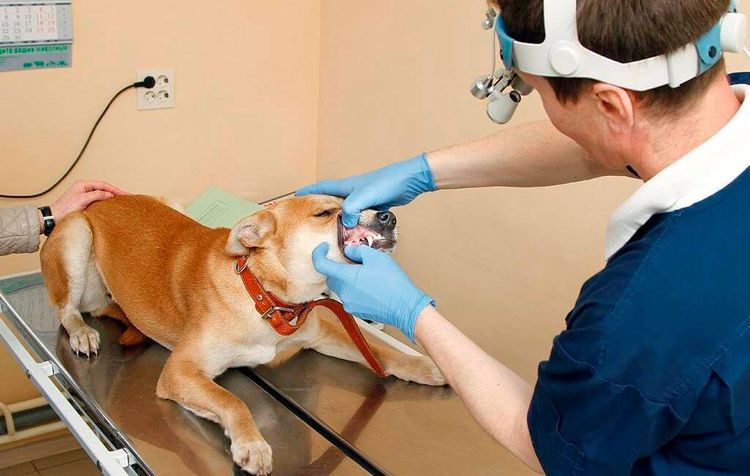
A diagnosis of periodontal disease is made based on clinical signs identified during a veterinary examination. The veterinarian examines the dog's face for swelling or asymmetry, palpates the upper and lower jaws, parotid salivary glands, and nearby lymph nodes. The veterinarian then examines the teeth and gums of the upper and lower jaws, both externally and internally, for signs of suppuration, fistulas, receding gums, and loose teeth. X-rays may be prescribed to determine the condition of the alveoli and jaw bones.
Important! Such a thorough examination, even with seemingly fairly typical symptoms, is necessary for differential diagnosis. Signs similar to periodontal disease are also characteristic of another dental disease: periodontitis. This is an inflammation of the gums that requires a fundamentally different treatment (in medical terminology, the names of degenerative diseases end in -osis, while inflammatory diseases end in -itis).
Treatment
Treatment for periodontal disease in dogs depends on the stage of the disease. If the pathology is detected at an early stage, and the dog is diagnosed with a mild form of periodontal disease, in which the bone tissue is not yet damaged, treatment is not difficult. Often, it is sufficient remove tartar (ultrasonic cleaning is considered the most atraumatic method) and treat the gums with antibacterial and anti-inflammatory medications. For this purpose, a solution of chlorhexidine digluconate, nitrofural (furacilin), or miramistin (a solution of benzyl dimethyl and ammonium chloride) is used.
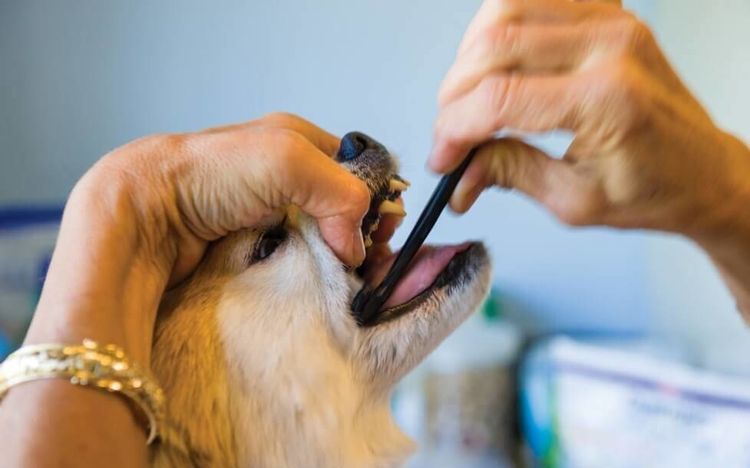
If the disease is advanced, longer treatment will be required. The dog is prescribed antibacterial medications by injection into the gums and root canals: Enroxil or Baytril (the active ingredient is enroxacin), Zoetic Sinulox (the active ingredient is amoxicillin), or Kela Amoxicel (the active ingredient is benzylpenicillin).
If necessary, plaque is removed from the teeth and pus is removed from the gum sinuses. Partially affected teeth are filled, and those that can no longer be saved are extracted. Dead portions of the gums are excised. These procedures are usually performed under general anesthesia, and the dog is then x-rayed to ensure the surgery is completed correctly.
The periodontal treatment program for dogs necessarily includes the administration of immunomodulators (Anfluron, Gamavitforte, Gamapren, Roncoleukin) and vitamin and mineral supplements (Precision Nutrition Senior, Beaphar Top 10, Canina Caniletten, etc.). These medications are selected individually by a veterinarian.
Helpful information. Using antibacterial and anti-inflammatory home remedies can enhance the effectiveness of drug therapy. Veterinarians recommend sage and calendula infusions or propolis solutions. These should be applied to the animal's mouth several times a day. These solutions can be applied with a swab or sprayed onto the gums. A small amount of the solution entering the gastrointestinal tract will not cause harm.
Preventive measures
You can prevent the development of periodontal disease in your dog by following these rules:
- Brush your dog's teeth regularly, at least once a week, with special toothpastes. It's not recommended to use toothpastes formulated for humans, as some of the ingredients (such as menthol) can have a negative effect on animals.
- If plaque or tartar appears on your pet's teeth, it is recommended to periodically brush their teeth with lactic acid and treat their mouth with bactericidal sprays to prevent the growth of pathogenic bacteria.
- Proper nutrition plays a major role in preventing periodontal disease. Feeding your dog only soft, canned food is not recommended. Canines are carnivores and require hard food to clean their teeth and strengthen their gums. Therefore, your dog's diet should include bones, sinew, or special biscuits made from sinew (available at pet stores).
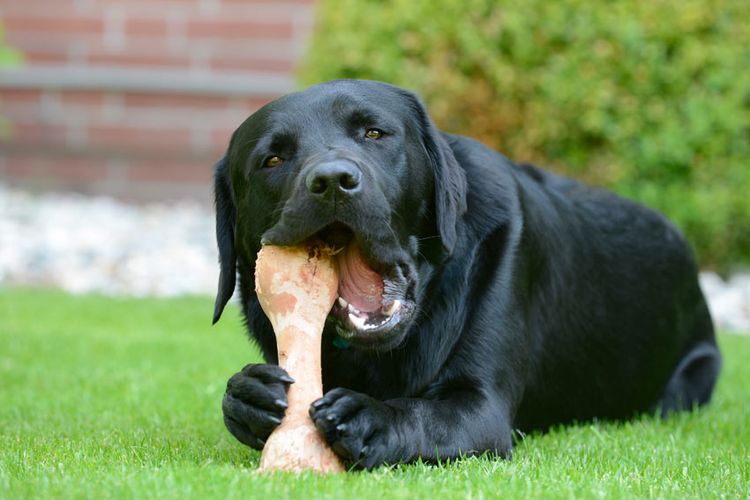
Since periodontal disease originates deep in the gums, owners may notice its progression only in the later stages. Therefore, it's important to take your dog to the veterinarian for a preventative checkup every six months.
Read also:


Add a comment