
What types of parasites are there in cats and how can they be removed?
Cats can become infected with parasites at any time—even indoor cats are not immune. Furthermore, pets carry certain types of fleas and worms to humans and their fellow cats. ticksWe'll cover the types of parasites cats can have and how to eliminate them in our article. Specifically, we'll cover the types, subtypes, causes, and symptoms of parasites in cats (including how they look in photos), as well as home treatment options.
What types of parasites do cats get? There are only three types of parasites: cutaneous (external), subcutaneous, and internal (intestinal). Each type has its own unique causes, signs, symptoms, and treatments. Each cat parasite also affects humans differently—some are harmless to humans, while others are extremely dangerous.
You will learn more about how to properly remove parasites and treat your cat.
Content
Skin (external) parasites in cats
The most common skin parasites Cats have fleas, lice, and ticks. Their distinctive feature is the fact that they live on the pet's skin and fur.
Fleas
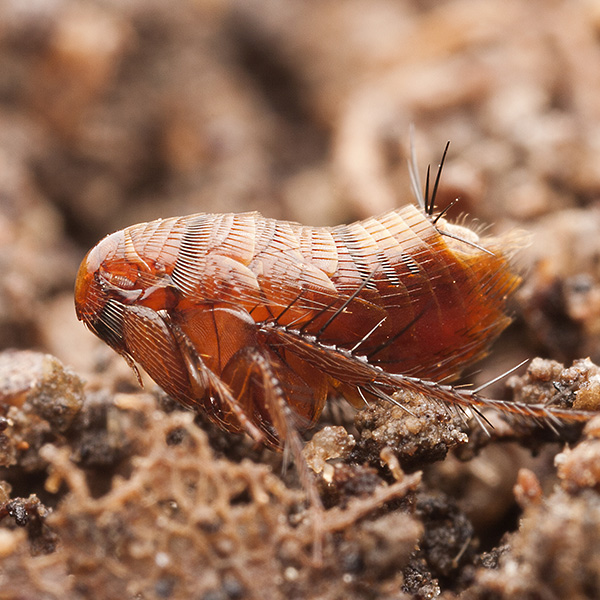
Fleas are one of the most common types of external parasites in cats. Here are their characteristics, signs, and tips on how to get rid of them in your pet and your home:
| Signs | Location | Method of reproduction | Nutrition |
|
|
Eggs are laid, which transform into larvae within 2-14 days. Depending on habitat conditions, the larvae may develop into adults in a few days or even several months. | Cat blood (can temporarily be dog or human blood). An adult flea can survive without food for several months. |
To remove fleas the following are used:
- Medicinal shampoos (are the most effective and gentle products);
- Drops (applied to the withers, allow you to quickly get rid of insects, but can cause allergies and residual effects);
- Sprays (effective, but sometimes an allergic reaction occurs);
- Collar (effective preventative measure).
After this, the apartment is sanitized.
Lice
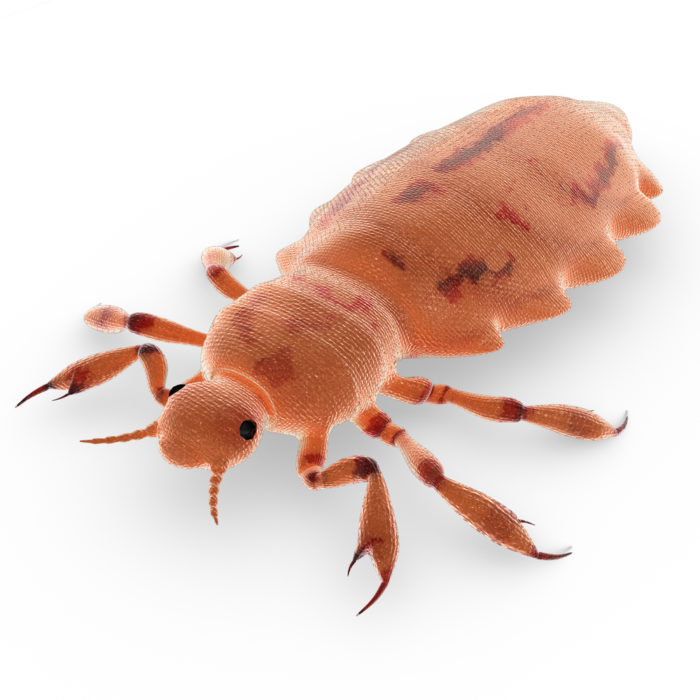
Lice are the second most common external parasite in cats. We'll explain how to combat them, their signs, and characteristics:
| Appearance | Habitats | Reproduction | Nutrition |
|
Areas where the fur is thicker, as well as the head and neck. | The laying and attachment of up to seven tiny white eggs (nits) to hairs per day. Lice emerge from these eggs within a few days. | They suck blood and often feed on pieces of skin and hair. |
Ear and ixodid ticks
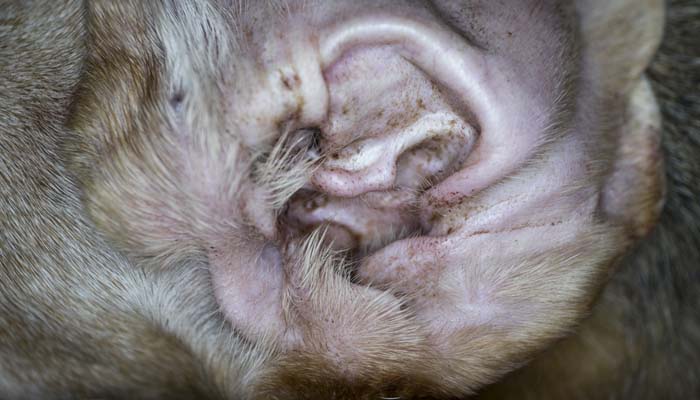
Ticks are one of the most unpleasant and dangerous skin insect parasites in cats.
| Signs | Reproduction | Nutrition |
“Tasty” areas for ticks: head (ears for ear mites), chin and back. |
The female lays up to 5 eggs per day, on the 4th day the larvae hatch from them, which develop into nymphs. | Ticks attached to the skin actively suck the animal's blood. |
To get rid of ticks in cats, shampoos containing benzoyl peroxide or chlorhexidine are used. Special solutions, ointments, and sprays prescribed by a veterinarian are used for skin treatment. These medications are combined with immunostimulants. If secondary infections occur, antibiotics are used.
Causes of skin parasites in cats
The main reasons for the appearance of external parasites in cats include:
- Contact with an infected animal;
- Insufficient hygiene of skin and coat;
- Transmission through hair cutting tools, in some cases – rugs;
- A person can bring ticks into the house on personal belongings.
Symptoms of skin parasites in cats
Common symptoms of external parasites in cats include:
- Marked anxiety;
- Scratched and bitten areas of skin;
- Frequent weight loss;
- Signs of dermatitis include redness and crusting;
- Partial baldness;
- Sleep disorders;
- Anemia - in severe cases.
The most distinctive symptoms of skin parasites in cats include:
- In case of fleas, small white grains (eggs) are visible in the fur; in addition, fleas, unlike lice, are jumping;
- In case of lice, nits attached to hairs and black dots (excrement of individuals) are visible;
- With ear mites, a brown liquid sometimes flows out of the scratched ear, forming dark lumps in the auricle: ear mites - otodectosis - occur;
- Ixodid ticks that have bitten into the skin are visible to the naked eye.
A detailed video seminar on skin parasites in cats:
Subcutaneous parasites in cats
All parasites that live in the layers of skin in cats are conventionally called "subcutaneous mites" or internal parasites in cats. Among them, the most well-known are:
Types, names and photos
Demodex (Demodex cati). A microscopic worm-like organism. It lives in the animal's hair follicles and moves around at night. It feeds on excess subcutaneous fat. When the immune system is weakened, the mite manifests itself by excreting toxic waste. Insufficient nutrition causes its death within 2-3 weeks. As it decomposes, the mite causes inflammation in the cat.
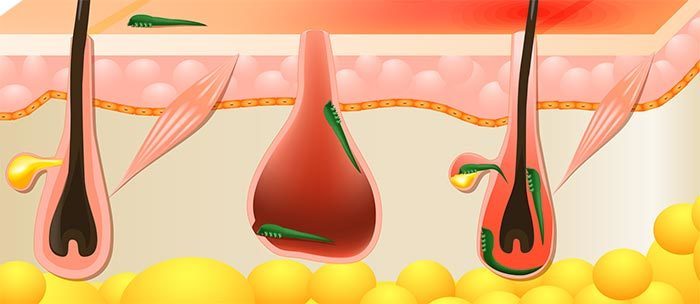
ScabiesIt occurs around the ears and on the face. It penetrates deep into the subcutaneous tissue and can cause blood poisoning.
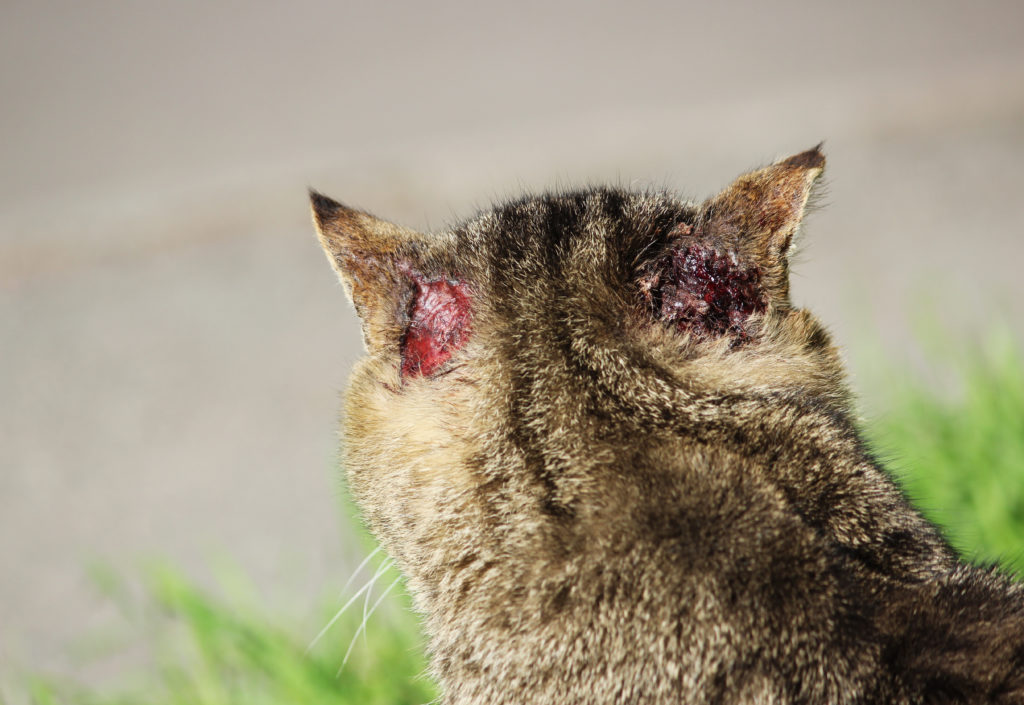
Notoedres catiIt remains undetected for a long time. It causes scabies, which often gives way to fungal and dangerous bacterial infections.
Reasons for occurrence
The reasons for the appearance of subcutaneous parasites in cats are the following:
- Interaction with the owner’s clothing and shoes, on which he could have brought ticks;
- Contact with infected relatives;
- Lack of hygiene;
- Failure to carry out vaccinations on time;
- Lack of inspections.
Symptoms
The main symptoms of subcutaneous parasites in cats are:
- Itching;
- Redness;
- Irritation and inflammation;
- Dandruff rash;
- Hair loss in some areas;
- Lethargy;
- Loss of appetite;
- The appearance of weeping wounds;
- The appearance of pustules.
Internal (intestinal) parasites in cats
Cats can harbor many types of helminths. There are three main types of internal intestinal parasitic worms in cats: nematodes, cestodes, and trematodes. We'll cover them in detail, including the causes, symptoms, and other characteristics of each type. These parasites are most often visually detected in cats' feces. Here's a detailed overview of each. worms in cats.

Nematodes (roundworms)
| Name and Features | Reasons for occurrence | Symptoms |
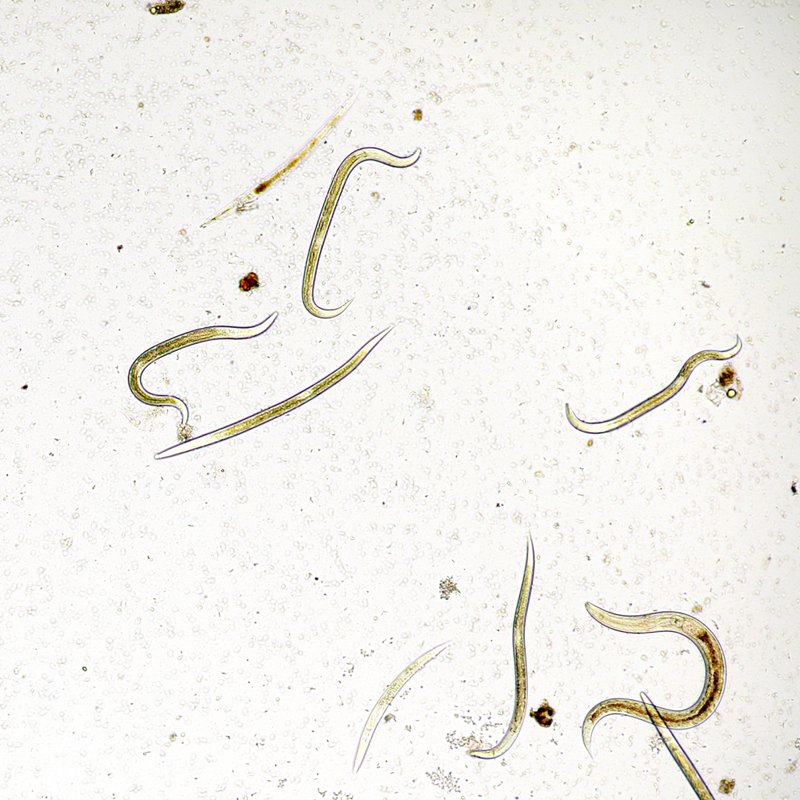
| The most common worms are roundworms, of which there are a huge number of varieties. Most often, the cat's body is affected by roundwormsThey can reach 5 cm in length. The worms migrate through the small intestine, but can also infect other internal organs. When their numbers increase, they can block the intestines or bile ducts. They cause allergies and severe poisoning. Nematodes feed on the blood of the infected animal. |
|
|
The most well-known nematodes are roundworms. Roundworms are among the most dangerous parasites in cats, and are also transmitted to humans. Universal anthelmintics are recommended for treatment of these worms. The medication is administered orally in two doses, separated by 14 days. Disinfection of the cat's belongings is performed. If repeat treatment is necessary, a different medication is prescribed.
Cestodes (tapeworms)
| Name and Features | Reasons for occurrence | Symptoms |
|
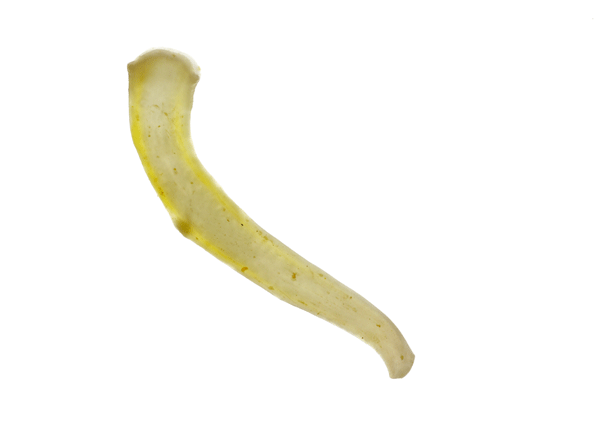
These flatworms can reach up to 70 cm in length. They live on the walls of the small intestine. The white worms and their segments, containing sesame-like larvae, are passed in the feces. The segments can be found on the animal's bedding, and in severe cases, in the vomit. A common tapeworm is the cucumber tapeworm. It measures 20-30 cm in length and attacks the intestines. It causes a dangerous helminthic disease called dipylidiasis. |
|
|
Treating cats for internal parasites such as tapeworms aims to eradicate the causative agent. Anthelmintic medications based on praziquantel and febantel are used. As a preventative measure, the animal is treated with insecticidal acaricidal medications against insect parasites, particularly fleas that carry tapeworms.
Trematodes (flat flukes)
| Name and Features | Reasons for occurrence | Symptoms |
|
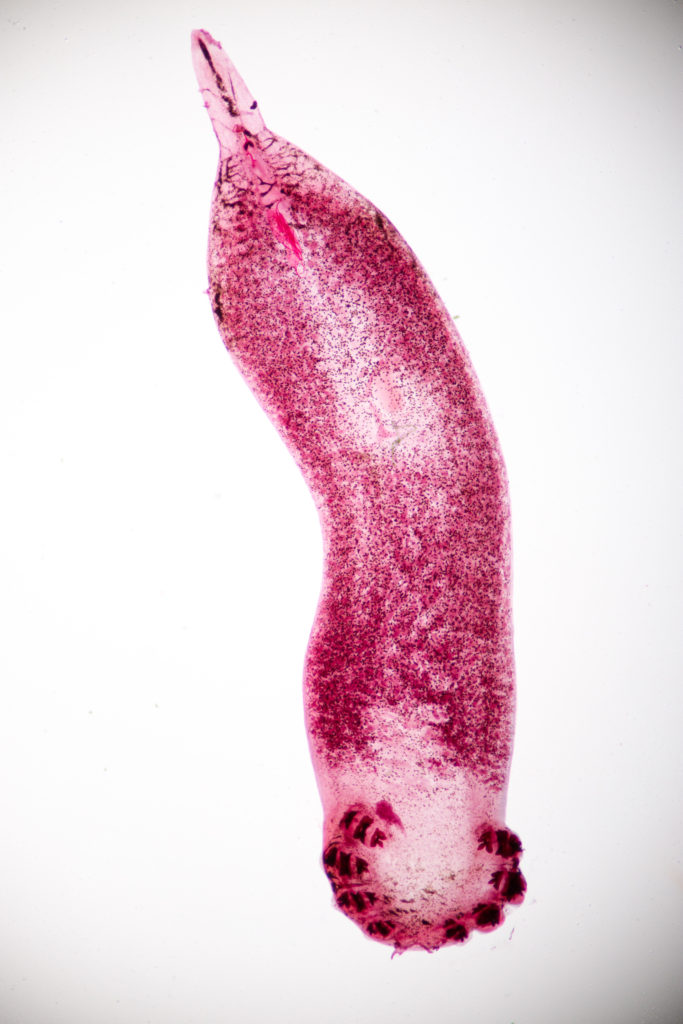
White threadworms infest both the intestines (white parasites in cats) and other internal organs, such as the liver, bladder, and even the lungs. Although they are rare, they cause enormous damage and can be fatal. Two types of trematodes infest cats:
|
|
The symptoms of the disease are the same as those of infection with other helminths. |
For preventive purposes, it is recommended to carry out deworming a pet Special antihelminthic medications are used. The animal is also treated with these medications. It's important to strictly follow the instructions and remember to select medications according to the following categories:
- For the treatment of kittens;
- For pregnant cats;
- For adults.
A detailed video on how to remove internal parasites from cats. Treatment methods, proper diagnosis, and more:
What parasites can a person become infected with?
Contrary to the naive idea that domestic cats are clean animals and in no way cannot infect a personIt has been scientifically proven that many types of parasites are transmitted to humans in two ways:
- Directly through the fur and tongue;
- Through any fabrics and furs that the cat touches, as well as through the litter box.
External cat parasites do not pose a particular danger to humans, although they can cause some problems.
But many worms readily transfer to it, which, as a result, leads to infection of humans with parasites from cats. Ascaris are very dangerous for people., which alter the structure of the intestinal walls and affect the stomach. These worms cause dangerous allergic reactions and vitamin deficiencies. A large accumulation of dead helminth bodies leads to blockage of the veins and airways. Ascariasis is very difficult to diagnose and is often confused with lung diseases. Any nematodes are dangerous to humans., since, by affecting internal organs, they lead to the development of anemia, severe allergies, and the appearance of granulomas. Tapeworms are very dangerous. Not only for adults. They often penetrate children's bodies, causing various developmental abnormalities. Metabolism is disrupted, resulting in general weakness and lethargy. Anemia often occurs.
Echinococci can be deadly to humans. By parasitizing and multiplying in the liver, they form their own "home"—a cystic bladder. As the cyst grows, it increasingly compresses the liver lobes, preventing normal liver function. Gastrointestinal function is disrupted, and bile ducts and blood flow become congested. If the disease is not detected and treated promptly, the bladder may become infected or simply rupture, leading to infection throughout the body.
Humans can also become infected with Toxoplasma, a parasite that is dangerous to many body systems, from cats. Not directly, but through contact with a cat's litter box, or more specifically, the animal's feces, it is quite possible. Infection can damage the heart, nervous system, muscles, and other organs. This disease is especially dangerous for pregnant women, as it can affect the development of the unborn child and cause various abnormalities. People with weakened immune systems should avoid infection at all costs.
Prevention and precautions
To avoid becoming infected with parasites from cats, you should take precautions:
- After contact with the animal, wash your hands thoroughly;
- Clean the cat litter box with gloves;
- Monitor your pet and carry out anthelmintic prophylaxis.


3 comments
Olesya
Thank you for your advice.
Elizabeth
Thanks for the article, it caught my eye at the right time, it's time to buy something again for our cat against parasites, last year we bought a Dana Ultra collar, this year we are using the same one, why experiment... it works great, no one has stuck to it all season.
Irina
I'm so afraid of all these nasty things, and now they'll all be active again soon, as soon as it gets warmer. Who protects their pets?
Add a comment