
Hind Limb Paralysis in Dogs: Symptoms and Treatment
Hind limb paralysis in dogs occurs as a result of damage to the motor nerves. This process is accompanied by impaired cutaneous and muscular sensitivity and leads to loss of mobility in the legs. With prolonged progression of the disease, muscle atrophy develops.
Content
Varieties
Veterinarians distinguish two conditions associated with the loss of motor function in the hind limbs of animals. Learn more about them:
- Complete paralysis. The dog is completely unable to move its paws.
- Partial paralysis. The limbs move at least a little.
Why does it arise?
Motor dysfunction can be caused by numerous factors, making it often difficult to accurately diagnose. The most common causes encountered in veterinary practice are:
- Infections (eg, toxoplasmosis or plague of carnivores).
- Spinal injuries due to degenerative processes or herniated discs. These conditions are most common in German Shepherds, French Bulldogs, and Dachshunds.
- Inflammatory diseases.
- Allergic polyneuropathy.
- Spinal cord and brain injuries.
- Acute circulatory disorders (strokes, heart attacks).
- Myasthenia gravis.
- Parasites. Tick bites inject substances into the animal's body that destroy neurons. The result is disruption of peripheral innervation.
- Encephalitis of various origins.
- Botulism.
- Benign tumors. If they grow to a large size, they can cause mechanical compression of nerve endings.
- Malignant tumors produce toxins that significantly impair nerve conduction.
Paralysis in animals occurs mainly in old age due to the banal wear and tear of the body.
Symptoms
If a dog develops hind limb paralysis, this condition is accompanied by the following symptoms:
- disruption of the processes of defecation and urination;
- unsteadiness of gait;
- loss of motor activity in one or more paws;
- moving with support on the front paws, dragging the hind ones;
- limbs are too soft or, on the contrary, “wooden”;
- constipation;
- aggressive behavior (due to the presence of pain);
- desire for solitude.
Diagnostics
The veterinarian carefully examines the animal and checks its reflexes. Afterward, tests are prescribed. Here's a list:
- general and biochemical blood tests;
- general urine analysis.
They are needed to determine the presence or absence of infection in the body.
If necessary, an X-ray of the spine is performed to detect herniated discs or vertebral pathologies. The images can also reveal tumors. A myelogram is sometimes performed. This type of examination involves injecting a colored fluid into the spinal cord. This allows for detailed imaging of the spine.
If the above diagnostic measures are not informative enough to determine the diagnosis, then an MRI or CT scan can be performed.
If indicated, a cerebrospinal fluid puncture and a biopsy of the nerve muscles are performed.
Treatment
Treatment is determined based on the underlying cause of hind limb paralysis in dogs. Time is of the essence here. Weakened or paralyzed neurons quickly die without stimulation. These consequences are considered irreversible. So what can be done, and how can this condition be treated?
- If pain is present, painkillers and antispasmodics are prescribed without fail.
- If a neurological disorder is present, a novocaine block may be appropriate. Treatment with B vitamins and hormonal therapy (prednisolone, dexamethasone) also yields good results. Anti-inflammatory medications are prescribed to relieve inflammation.
- If muscle tone is low, nootropics (Piracetam) and anticholinesterase drugs (Galantamine, Proserin) will be needed.
- If the cause of the pathology is an infection, the doctor prescribes medications aimed at combating pathogenic microorganisms.
- If the disease is of an infectious-allergic nature, antihistamines are needed.
- In some cases, surgery is required, primarily for tumors or vertebral injuries.

The dog either remains in the clinic during treatment, or the owner takes it home. The decision depends on the animal's condition. Even if the pet is prescribed home treatment, regular veterinary visits will still be required. Full recovery can take several months. The consequences can sometimes last for years.
The owner of a pet diagnosed with this condition should be informed of the high risk of complications. These include:
- hypostatic pneumonia;
- bedsores.
Recovery period
The treating veterinarian always prescribes a recovery course. They assess the dog's condition and prescribe specific exercises. These exercises can be performed several times a day for ten minutes at a time. However, this should only be done after the animal's condition has stabilized and the condition has become more chronic. Other rehabilitation measures include:
- physiotherapy procedures;
- course of therapeutic massage.
It is essential to add calcium to your dog's diet.

Initially, the animal is gradually taught to stand using special support devices. Psychomotor functions are usually restored within a short period of time.
If you swim in a special pool, your muscles will activate faster, and your neural connections will recover at an accelerated pace.
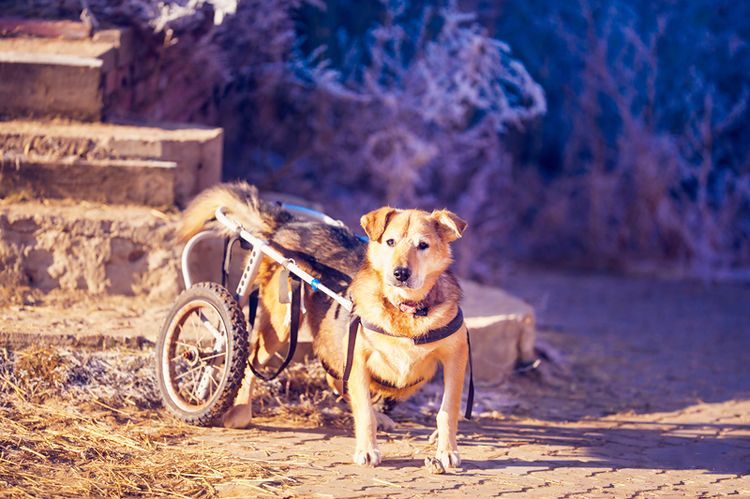
Some owners resort to improving their pet's quality of life by using an improvised wheelchair.
Prevention
Of course, in most cases, preventing the development of this pathology is impossible. However, there are several breeds that are at risk for limb paralysis. Therefore, it is important for owners to be aware of preventative measures. The hind legs fail more often with age in dogs with a long body. Recommendations from specialists:
- regular careful inspection of the coat for ticks;
- establishing a balanced diet;
- use of vitamin supplements;
- periodic check-ups with a doctor.
Paralysis is a rapidly progressing condition. If your dog shows even the slightest sign of impaired limb function, you should take your pet to the veterinarian immediately.
Hind leg paralysis in dogs: video
Read also:
- My dog has a lump – what is it and what should I do?
- The dog's hind legs are buckling and moving apart.
- Dog Paw Abscess: Cause and Treatment


Add a comment