
Paranal glands in cats
The anal glands of cats are organs of the excretory system that allow animals to release a specific scent to mark their territory and attract mates. Inflammation of the anal glands in cats is a fairly common problem, causing significant discomfort and pain. It is important for owners to detect the condition promptly and take appropriate measures; otherwise, the condition can progress rapidly and lead to serious complications.
Content
Function of the paranal glands
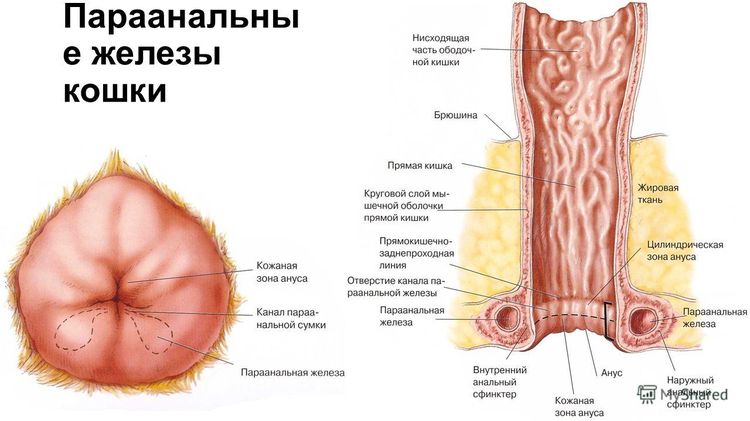
The paraanal glands are located in the animal's anus, hence their name. They secrete a specific fluid called a secretion. It has a thick consistency and a foul, pungent odor that is unpleasant to humans and detectable from a distance by other animals.
Cats use this secretion to mark their territory or during mating season to attract a mate. The secretion can also be released during conflicts between animals.
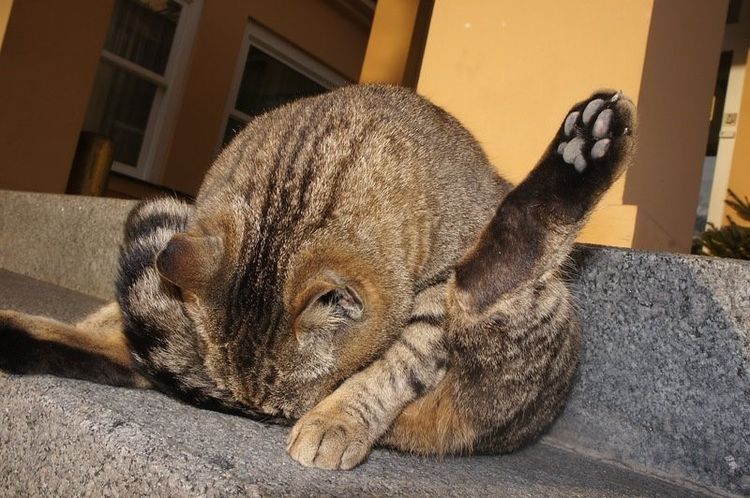
Normally, the anal sacs are cleaned during defecation or during self-care procedures (like grooming). If any of these natural processes are disrupted, the anal glands in cats can become clogged, leading to inflammation.
Reasons for the violation
Blocked anal glands in cats most often develop in young domestic males who lead a sedentary lifestyle. Long-haired breeds are at higher risk of developing this condition. The following factors may cause the condition:
- an unhealthy diet that leads to intestinal dysfunction and causes constipation or diarrhea;
- an abundance of cartilage and bones (chicken, fish, etc.) in the animal’s diet, which can also disrupt the act of defecation;
- metabolic disorder that caused obesity;
- violation of the integrity of the tissues of the anus as a result of injury and subsequent improper treatment of the wound;
- intestinal parasites;
- pregnancy.
When the drainage of secretions is disrupted, excess fluid accumulates in the anal sacs. As a result, they swell and begin to cause severe discomfort to the cat.
Symptoms of inflammation
To provide timely assistance to your pet, it's important to pay attention to the first signs of the condition. Your cat's behavior changes, it becomes restless, loses its appetite, starts moving around on the floor, and emits an unpleasant odor that doesn't go away after bathing. This could indicate the development of anal sac inflammation.
To confirm the diagnosis, you can consult a specialist or conduct a preliminary examination yourself. To do this, inspect your pet's anus. The anal sacs will appear inflamed. When gently squeezed, they will release a milky or light yellow fluid with an unpleasant odor. The more advanced the disease, the thicker and darker the discharge from the cat's anal glands will become.
Without treatment, the disease will progress, causing the animal increasing discomfort. Severely enlarged anal sacs make it difficult for the pet to move and cause pain during defecation.
Complications of inflammation
If no action is taken, pathogenic bacteria begin to accumulate in the affected area and actively multiply. This results in a rupture of the anal gland walls and the development of abscess in a catThis is a very serious situation that significantly worsens the pet's condition.
Anal gland abscesses in cats cause fever, the animal refuses to eat or drink, and becomes lethargic. An abscess is a dangerous condition that complicates treatment and may require surgery. If left untreated, the inflammation can become chronic and cannot be completely cured.
Important! Pathogenic bacteria can enter the bloodstream from a purulent wound, causing infection throughout the body, which can be fatal.
Treatment
It's best to entrust treatment of anal gland inflammation in cats to a veterinarian. A specialist will examine the animal, determine the extent of tissue damage, and prescribe appropriate treatment. The veterinarian will also provide recommendations for home care. Self-treatment can miss important steps and trigger further inflammation.
The mainstay of treatment is mechanical cleaning of the anal glands. In cats, the fluid is manually expressed from the inflamed area near the anus. Once all the fluid has been removed, the area is treated with an antiseptic solution (such as chlorhexidine) and an antimicrobial ointment is applied. Novocaine injections can be used for pain relief.
https://www.youtube.com/watch?v=7MkxweNkg5g
The number of treatments will depend on the individual case: sometimes one cleaning will be sufficient, while in other circumstances, several treatments per day may be necessary. Monitor the animal's condition and adjust accordingly.
In complicated cases, a deep cleansing of the paranal glands is necessary. This requires anal penetration. If an abscess develops, it will need to be incised and the wound cleaned with an antiseptic solution. Antibiotics may also be prescribed (subcutaneously or intramuscularly). These procedures are recommended only with the help of a specialist, as there is a risk of anal tissue damage.
Cleaning at home
If pet owners are unable to visit a veterinary clinic every day, anal gland cleaning in cats can be done at home.
The procedure should be performed in a bathroom or other easy-to-clean area. Change into clothes you don't mind throwing away, or wear a protective apron. The problem is that the discharge has an extremely unpleasant odor (much stronger than normal discharge), and during the cleaning process, it sprays in all directions, making it difficult to remove.
It's best to perform this procedure with two people so that the pet can be securely restrained. Wear clean latex gloves during the procedure. Apply pressure to the area around the anus with your index finger and thumb, squeezing out any accumulated secretions.
After cleaning, insert an antimicrobial suppository or apply ointment to the anus. To prevent the animal from licking the medication, use a cone or apply a bandage to the wound.
Prevention
The steps to prevent this situation are quite simple:
- It is necessary to regularly visually check the condition of the glands yourself or during routine examinations with a veterinarian.
- Monitor the animal’s diet and excrement (avoid constipation and overeating).
- Play active games with your pet to increase its mobility.
If the condition is chronic, your doctor may recommend suffocating the anal glands. This will not significantly impact the animal's health, as they serve no vital functions.
Read also:
- My cat's sides are swollen: causes and treatment
- Taking blood from a cat
- Low White Blood Cells in Cats: Symptoms and Treatment


Add a comment