
Papaverine for cats
Papaverine is an affordable medication often used in cats to treat spasms and severe pain. The human version is highly effective, making it successfully used in veterinary medicine to relieve symptoms of cystitis, urolithiasis, and other conditions. The medication is manufactured by various pharmaceutical companies and is readily available at any pharmacy.
Content
General description
The antispasmodic is produced in several dosage forms:
- Injection solutionThe clear liquid is packaged in sealed glass ampoules. Some manufacturers use bottles with plastic caps. These are considered more convenient to use, as there is no risk of injury from glass when opening. 1 ml of solution typically contains 20 mg of papaverine hydrochloride. Purified water and other ingredients are also included.
- PillsThe round, white tablets are packaged in blister packs of 10. Pharmacies offer two dosages: one tablet may contain either 10 or 40 mg of the active ingredient. Additionally, the composition includes potato starch, talc, stearic acid, and other ingredients that serve solely as auxiliary components.
- Rectal suppositoriesSmall suppositories are packaged in PVC strips. The active ingredient concentration is 20 mg. The excipients include hard fat, emulsifier, and cosmetic stearin.
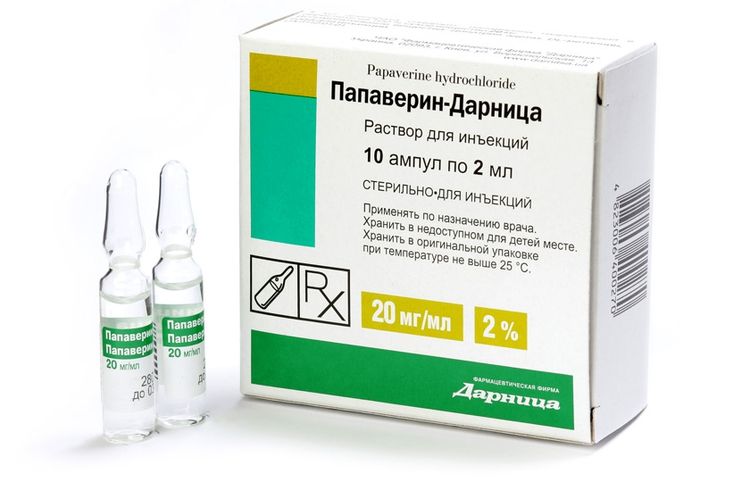
Papaverine injections are most often used for cats. The solution is fast-acting, but tablets are less effective. The active ingredient in tablets is only half effective (bioavailability is only 54%). Suppositories are rarely used for animals.
How it works
The medication has an antispasmodic effect, meaning it relieves spasms. It also relieves the pain that accompanies spasms and lowers blood pressure. The active ingredient inhibits enzyme synthesis, which reduces the tone of the smooth muscles that make up the stomach, bladder, kidneys, and other internal organs.
When smooth muscle tone increases significantly, a spasm occurs, usually accompanied by severe pain. Papaverine relaxes the muscles of the internal organs, reducing their tone. The drug also promotes vasodilation, which leads to a hypotensive effect (lowering blood pressure). The drug also has a calming effect on the central nervous system. Therefore, when administered, animals become calmer and less anxious.
Please note! This medication may affect cardiac activity, so its use on pets without a veterinarian's prescription is strictly prohibited.
When is it appointed?
The instructions for use of the drug are written for humans, but Papaverine is used in cats for similar problems. It is usually prescribed for:
- for intestinal colic caused by infections and other factors;
- in pathologies of the digestive system, accompanied by acute pain;
- for infectious diseases of the genitourinary system;
- for cystitis caused by hypothermia, pathogenic bacteria and other factors;
- with pylorospasm;
- with cholecystitis;
- for bronchospasm, etc.
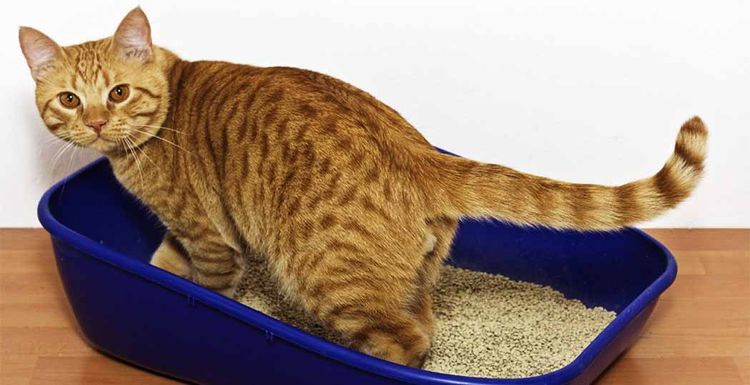
The medication is also often used in cats with urolithiasis and urinary retention caused by other factors. It is prescribed to relieve spasms, pain, and other similar symptoms. For example, in cats with urolithiasis or cystitis, Papaverine is injected to relieve urinary retention. The medication relaxes the bladder and urinary tract, allowing the animal to urinate independently.
In most cases, antispasmodics are combined with other medications that target the underlying cause of the condition rather than the symptoms. A veterinarian should determine the appropriate combination therapy.
Please note! Papaverine has a number of contraindications and can cause side effects if used incorrectly. Therefore, its use in animals is permitted only under a doctor's prescription.
Price
Some people choose Papaverine for treating cats because of its cost. The drug is available in all human pharmacies, so finding it is never difficult.
How to use
The dosage of the medication is calculated based on the animal's weight. Regardless of whether tablets or injections are used, 1-2 mg of the active ingredient is required per kilogram of the pet's weight. However, the exact dosage should be determined by a doctor, taking into account the severity of the disease and other factors. The medication is taken 1-2 times daily. The duration of treatment is determined by the doctor based on the pet's overall health, the specifics of the disease, and other factors.
Important! The course of antispasmodic use should not exceed 7 days. Only in rare cases and under strict medical supervision is longer use permitted.
Injections
Papaverine is typically administered subcutaneously to cats. This is done by pulling back a fold of skin on the withers, piercing it with a sterile syringe needle, and slowly injecting the medication. The injection is easy to administer, so most pet owners perform it. It's best to use an insulin syringe for the injection. It has a thin needle, which makes it easier to pierce the thick skin on the cat's withers.
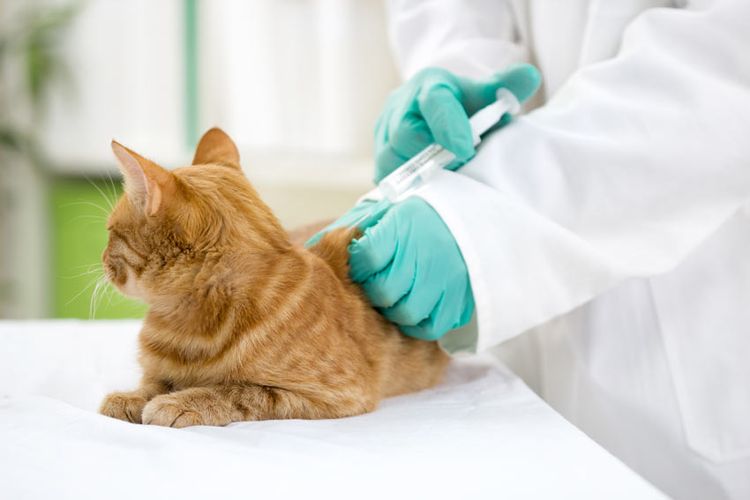
Intramuscular injection is also possible. This method can cause pain when the needle or solution hits a nerve. This is a common problem in untrained practitioners.
Tablets and suppositories
The tablets can be hidden in food, but they have a bitter taste, so cats often spit them out. Therefore, it's best to administer the medication forcefully. To do this, place the tablets on the back of the tongue while holding the pet's head elevated. This medication is usually given both morning and evening.
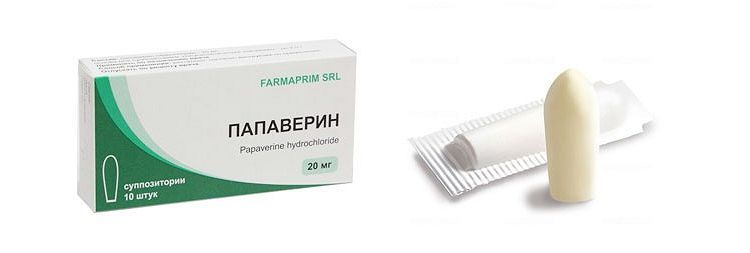
Suppositories are inserted into the anus according to the instructions for use, but this dosage form is used for animals extremely rarely.
Contraindications
Papaverine tablets and other dosage forms should not be used to treat cats in the following cases:
- for glaucoma;
- in case of liver failure;
- in case of adrenal dysfunction;
- in a state of shock;
- under severe stress;
- in case of brain injury;
- in case of renal failure.
The medication should be used with caution in patients with tachycardia or other heart problems, as well as in those with low blood pressure. In such cases, the animal should be under veterinary supervision throughout treatment. The medication is also contraindicated in cases of individual intolerance.
Important! Do not use this medication on kittens under 6 months of age.
Possible side effects
Antispasmodics can cause the following side effects in cats:
- nausea and vomiting (increased salivation may also occur when taking tablets);
- drowsiness and lethargy;
- heavy sweating;
- lowering blood pressure;
- heart rhythm disturbances;
- constipation.
Because the medication affects the central nervous system, temporary hearing or vision loss and decreased concentration may occur. The risk of side effects increases with overdose, so consulting a doctor before use is essential.
Owner reviews
Nina, owner of a 3-year-old cat:
"When our cat, Timofey, grew up, we had to neuter him because we had two other cats in the house. Later, he was diagnosed with urolithiasis and treated, which was quite effective. A couple of months later, he had an attack – he couldn't urinate, and when he did, his urine was bloody. We had to go to the clinic again. The doctor prescribed Papaverine and other medications. Within a couple of days, he felt much better. Now, urinary problems are a thing of the past."
Dmitry, owner of a Persian cat:
"My cat never goes outside, at most she'll stroll along the windowsill. Despite this, she's somehow contracted cystitis. I noticed she'd sit in the litter box for long periods of time, only urinating a few drops. At first, we used a catheter to drain her urine, then we started giving her Papaverine injections. She improved and started urinating on her own. The medication is inexpensive and effective."
Veterinarian Reviews
Elena, veterinarian from the Avet clinic:
"Papaverine is a versatile medication that should be in every home medicine cabinet. It's suitable for both humans and animals. I most often prescribe it for urinary problems, although it sometimes helps relieve symptoms of pancreatitis and other digestive issues."
Andrey, a veterinarian with 12 years of experience:
"Papaverine, although a human medication, is often used in veterinary medicine. It's inexpensive yet very effective, although it shouldn't be used without a doctor's prescription. Incorrect use may not be beneficial, but may actually worsen the condition of a sick animal."
Read also:


3 comments
Tatiana
No-shpa and papaverine for cats are used only in injection solutions, with precise dosage calculations (as prescribed by a doctor) and only intramuscularly!!!
Alexander
Can papaverine cause urinary incontinence in cats?
Daria is a veterinarian
Hello! Papaverine (drotaverine/No-Spa) should be used with extreme caution in cats. All human medications are used at your own risk. Much depends on the dosage and administration method. There have been cases where, after intramuscular injection of drotaverine (essentially the same as papaverine) into the thigh, the animal experienced paresis (in other words, temporary paralysis) of the limb. Excessive salivation, vomiting, and unsteadiness of gait have also been observed. Therefore, if the dosage or frequency of administration is excessive, it is possible that the antispasmodic will work as you describe. However, this effect would be temporary (provided the drug is discontinued after the prescribed course). It is important to know the cat's age and the reason for the administration of papaverine (for what illness).
Add a comment