
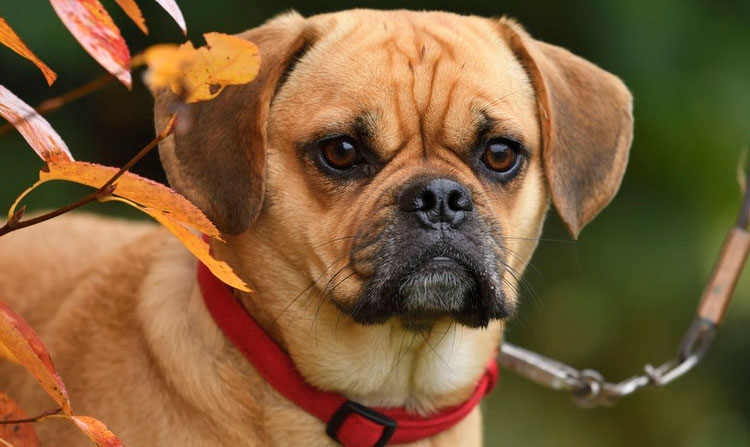
The Puggle is a cute crossbreed between a pug and a beagle.
The Puggle is a popular designer breed, a cross between a Pug and a Beagle. These small dogs with a flat muzzle have a playful and friendly nature, are very attached to their owners, require little grooming, and are ideal for apartment living. Puggles are not recognized by any canine association and therefore cannot have documentation of their origin, making it significantly more difficult to find and purchase a good puppy.
Content
History of origin
In the early 1990s, Wisconsin breeder Walls Havens first began breeding puggles. He was the one who came up with the name for the mixed-breed dogs, combining parts of the names of the original breeds. In Russian, it would sound like "mogl," but in English, "pug" is "pug," so Havens came up with "puggle."
Havens was the first person to officially register puggles with the American Kennel Club for hybrid breeds and began their targeted breeding. Before him, in the 1980s, American breeders had already produced puggles while experimenting with creating new breeds.
Mestizos, which are not recognized by cynological associations are usually called designer breeds.
After 2000, Havens and his dogs came under fire from inspections and audits. The breeding program was suspended by the American Kennel Club, and in 2008, it was shut down by the state Humane Society. To this day, American breeders are prohibited from breeding puggles to puggles, but first-generation crossbreeds can be bred and sold under that name.
Video about the designer dog breed Puggle:
Appearance
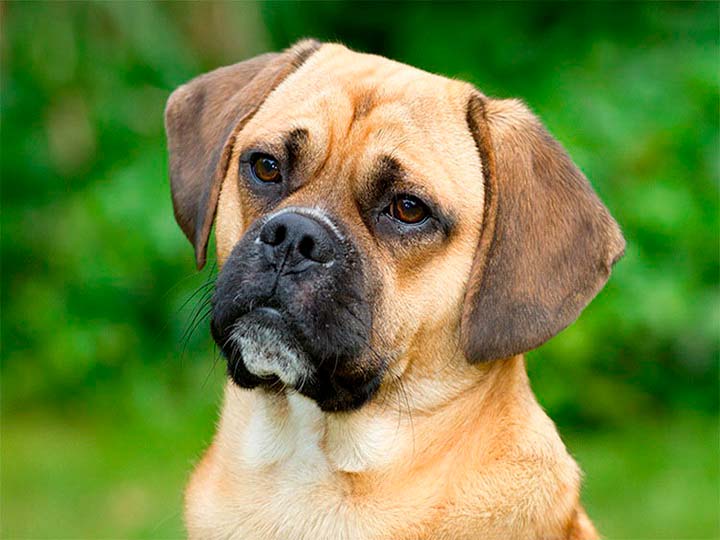
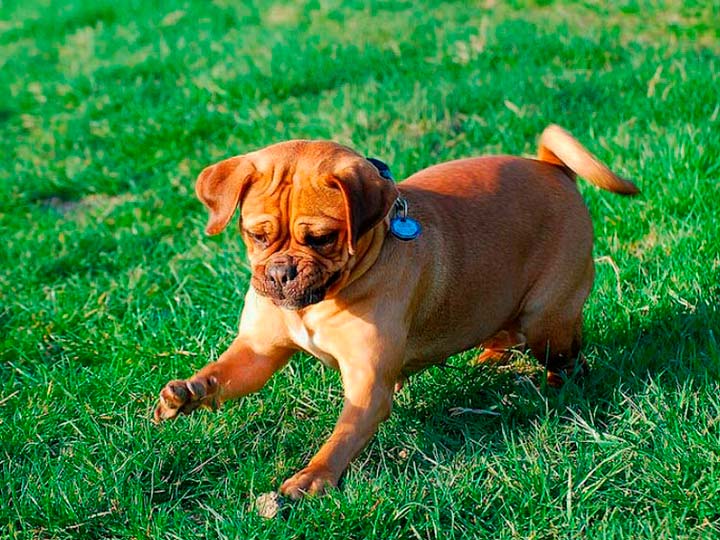
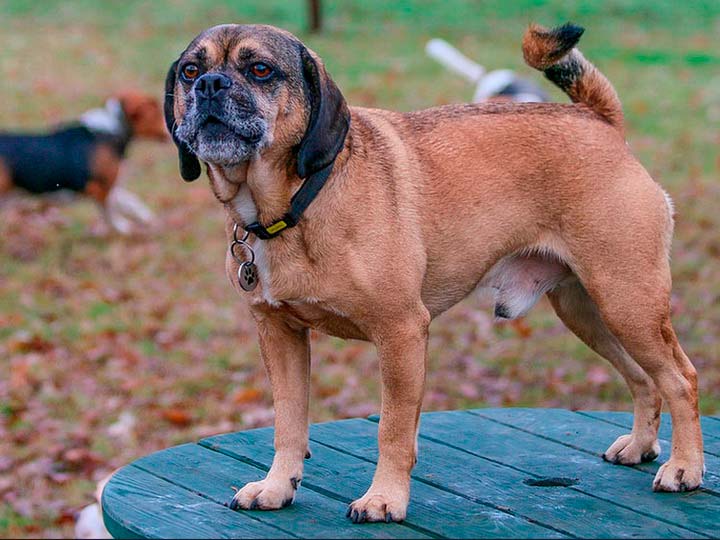
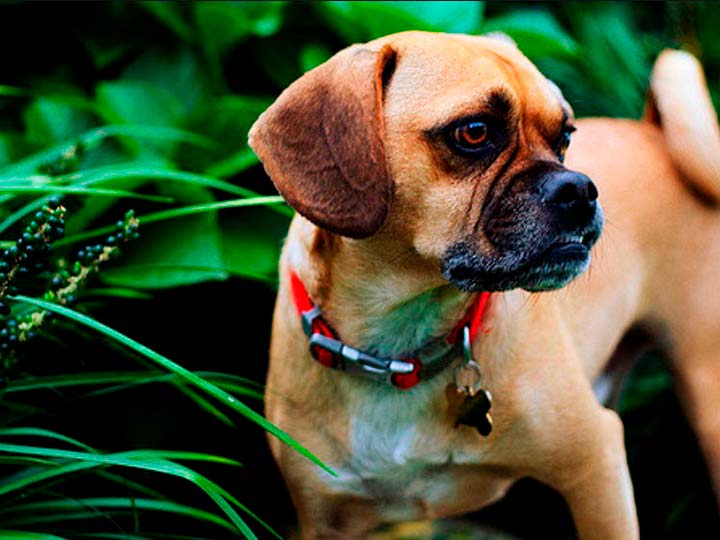
Puggles' appearance shows traits from both parents, but it's difficult to predict which traits will be inherited. Puppies in a single litter can be completely different from each other. In most cases, the facial features are passed down from the parent to the offspring. pug but differs in nose length. Puggles are generally fairly stocky, weighing 10-15 kg, and stand between 30-35 cm at the withers.
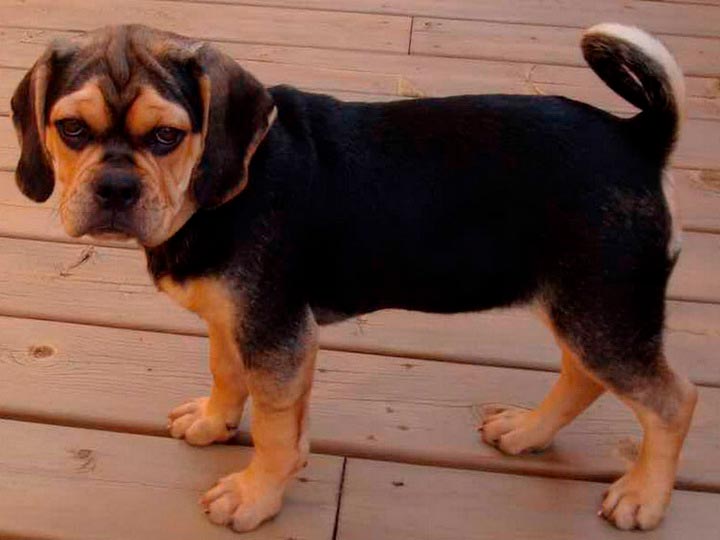
As for the coat and color, both parents are similar. The coat is short, shiny, and lies close to the body. In winter, the dog grows an undercoat of varying thickness; rarely, it is absent. The pug can have any color pattern or beagleA dark mask often adorns the muzzle. While first-generation crossbreeds (from a pug and a beagle) more often inherit the pug's coat coloring, second-generation pugs (from two puggles) are more likely to exhibit the beagle's tricolor coat coloring.
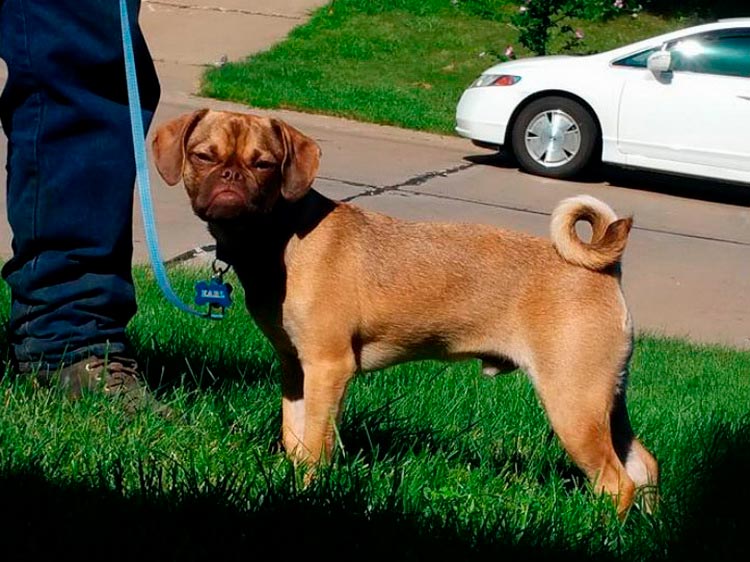
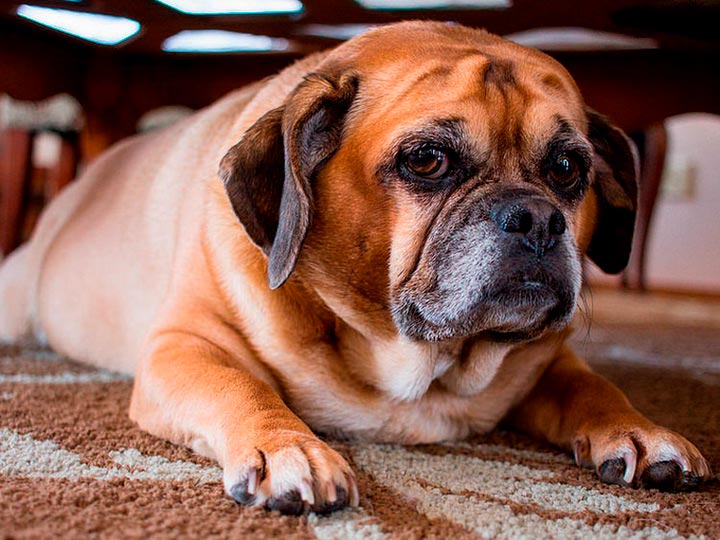
A puppy named Earl (pictured below) played a significant role in popularizing the breed. Several years ago, he was hailed as a worthy rival to the famously grumpy cat Grumpy and a new internet star. Earl's popularity came after his photos were posted on Reddit. The grumpy puggle's owner, Derek Bloomfield, says that despite his grim expression, the dog is very active, playful, and cheerful.
Character
Puggles are playful, even-tempered dogs, intelligent and affectionate, very active and curious. Their excellent sense of smell, inherited from the Beagle, encourages them to constantly explore new scents. They form a close bond with their owners and thrive in family company. Puggles will bark loudly to alert their owners to the arrival of guests, but they are not guard dogs and will not become protective.
Puggles' personalities can bring many pleasant and unpleasant surprises to their owners. They often inherit a degree of stubbornness and a tendency to chase other animals, as well as excessive clinginess and boisterous behavior. By nature, they are very social, people-oriented, and require constant attention and care.
They are well-suited for first-time dog owners, families with small children, and the elderly. Puggles are easy to learn and are committed to delighting and entertaining the family. While somewhat boisterous and active when young, they become calmer and more reasonable after a year. Puggles get along well with other pets if raised together. They can play for long periods with children. However, the addition of another pet or a toddler to an adult dog can cause jealousy in the four-legged friend.
Puggles adapt easily to family life and move easily when their beloved owner is nearby, but they do not handle loneliness well. Boredom-stricken dogs often develop bad habits, such as howling, excessive barking, and damaging things. If you give your dog sufficient attention in the morning and evening, provide it with adequate physical and mental stimulation, and leave it with a few toys, it will happily wait for its owner to return from work.
Education and training
Puggles are intelligent and smart dogs who love to please their owners and enjoy treats. Even a beginner can train them. Young puppies can quickly become bored with training, so it's important to make it a game or quickly switch from repeating a few commands to engaging in fun activities. You can begin training when your dog has been out for a short walk, has released pent-up energy, and is feeling hungry.
It's very easy to spoil a puppy if you constantly pamper it and let it do whatever it wants. An owner must establish house rules from the start and adhere to them, not succumb to the magic of expressive eyes.
If your dog lives in an apartment, it's important to prioritize its socialization. In addition to the familiar four walls, the puppy should become accustomed to other animals, sounds, smells, and surroundings. This will positively impact the development of its nervous system, making the dog more obedient and self-confident, and preventing the development of negative traits such as cowardice, aggression, inability to interact with other dogs, and an inappropriate reaction to moving and new people.
Content Features
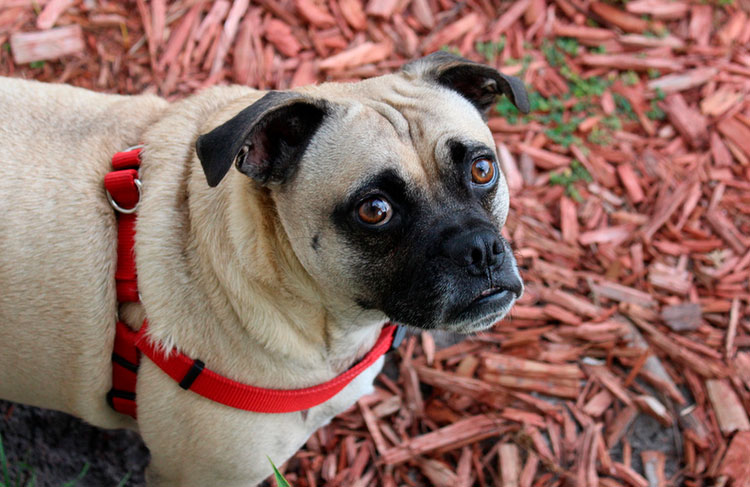
Puggles are not suited for yard or kennel life. They should live close to people, in a warm and comfortable environment, even in a small apartment. Due to their short muzzle, Puggles are susceptible to brachycephalic syndrome. Owners sometimes report difficulty breathing in the heat and during vigorous exercise. Puggles often snore or snore while sleeping. Despite their slightly droopy lips, Puggles are not known for drooling. Puggles are very popular in the UK and other countries. Kelly Osbourne, Uma Thurman, and several other celebrities own these dogs.
Puggles are energetic, moderately active dogs; they don't require long walks. In bad weather, they don't need to go outside at all, or they can go outside only briefly and replace exercise with indoor play. Puggles need at least 30-40 minutes of active walking per day; this will keep them fit and will help prevent many musculoskeletal problems. Puggles have varying attitudes toward water. Some dogs love swimming and swimming in bodies of water, while others simply can't get their paws wet. It's important not to insist or further frighten the dog, otherwise every bath will become extremely stressful.
Care
Puggles don't require complicated grooming. Regular brushing is sufficient, and slightly more frequently during shedding season. Bathe puggles approximately once a month. Keep their eyes and ears clean, and trim their nails as needed. It's a good idea to accustom your dog to having their teeth brushed regularly.
Nutrition
Puggles are often very picky eaters, especially if they are treated to all sorts of treats, coaxed, and hand-fed from an early age. Puggles should receive a varied, balanced diet. This can include natural foods or commercially prepared foods (dry or wet). Food is selected individually based on age, size, and activity level. Super-premium foods are preferred. It's crucial to adhere to a feeding schedule and not exceed the recommended portions. New foods and products should be introduced gradually, ensuring they don't cause allergies or digestive upset.
Puggles typically have a good appetite, but they struggle to determine their optimal portion size and are prone to weight gain. It's important for owners to monitor calorie intake and food intake, as well as ensure adequate exercise. Dogs that have been spayed or neutered are especially prone to weight gain.
Health and life expectancy
First-generation Pugs, that is, puppies born from a Pug and Beagle mating, are generally healthier than their parents and future offspring. However, this does not preclude the possibility of inheriting various diseases:
- Eye diseases (dry cornea, inflammation of the third eyelid);
- Allergies;
- Hip dysplasia;
- Brachycephalic syndrome in dogs with a short muzzle;
- Patellar dislocation;
- In old age it often develops arthritis, puggles become more susceptible to cold and infections.
Breeders try to minimize the incidence of inherited diseases by breeding only healthy males, but not all. Puggles typically live 10-15 years with good care and nutrition. Puggles are vaccinated according to a standard schedule, starting in puppyhood and then annually throughout their lives. They are regularly treated for external and internal parasites.
How Puggles Are Breeded
In a pair of parents, the father is usually a pug and the mother is a beagle. This is because beagles give birth to small puppies without complications, whereas pugs often have trouble giving birth to large puppies, do not carry them to term, and even die.
Choosing and pricing a Puggle puppy
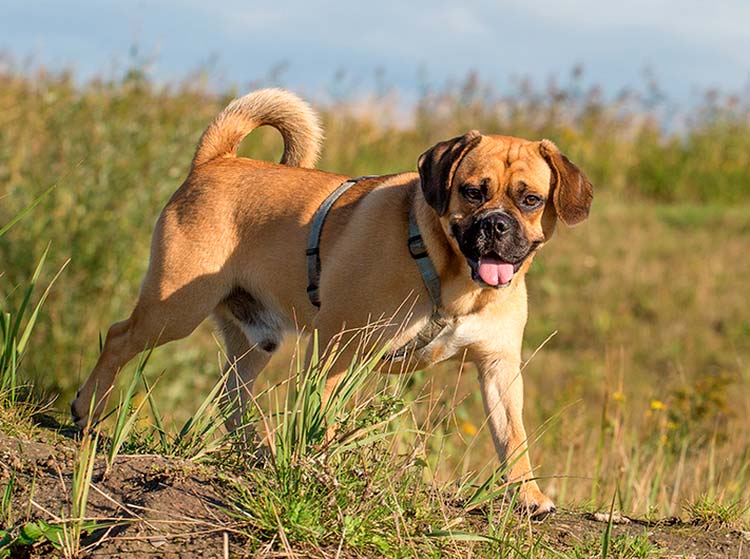
Puggles are not registered with any canine association. Puggles are periodically offered for sale on various websites and message boards online, often for relatively little money or even for free. Less frequently, puggles are imported to Russia from abroad, with puppies being brought in by resellers on a "custom order" basis.
You should only purchase puppies from breeders who use valuable breeding stock (Pugs and Beagles) to produce crossbreeds. The parents should be tested for known hereditary diseases, have a stable temperament, and possess good conformation. Random matings increase the risk of producing puppies with various anatomical, physiological, and behavioral problems. It's important to pay attention to the dogs' living conditions and ensure that the puppies have had sufficient time with their mother. A responsible breeder will begin socializing the puppies from an early age, acclimating them to the toilet, walks, people, and various animals, and will not release an unvaccinated puppy under 2.5 months old.
When buying a dog, it's crucial to avoid scammers who, under the guise of expensive puggles, sell crossbreeds of pugs with other breeds, including mongrels. They may even breed pugs and beagles, but use dogs of average or low quality, often with various hereditary diseases.
Otherwise, when choosing a puppy, follow the standard rules for choosing a healthy dog. Puppies should be active and well-fed, not aggressive or shy, with a good appetite, and show no outward signs of illness or disease.
Abroad, puggle puppies cost an average of $600. In Russia, as mentioned above, prices vary widely. If the parents are dogs from kennels with a good pedigree, their puppies can cost over 20,000 rubles. Mixed puppies bred by hobbyists are often given away to good homes for a purely nominal fee.
Photos
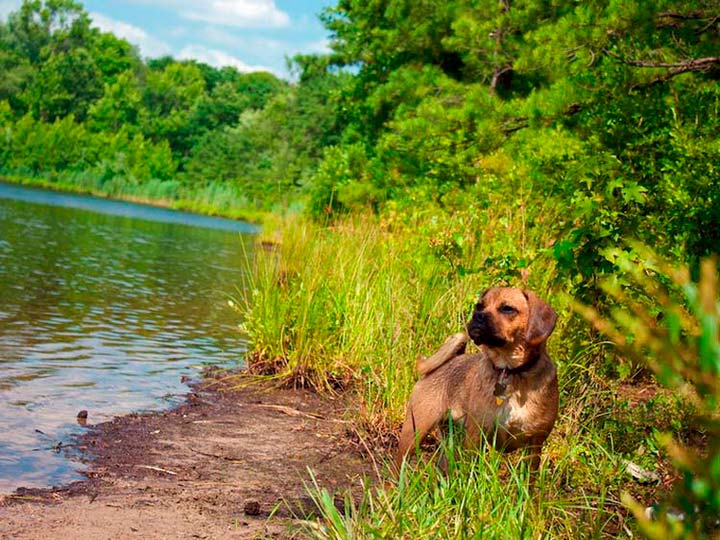
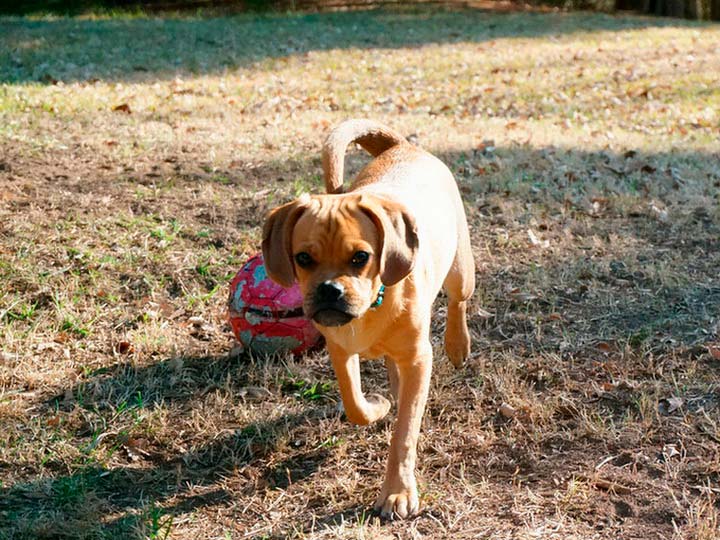
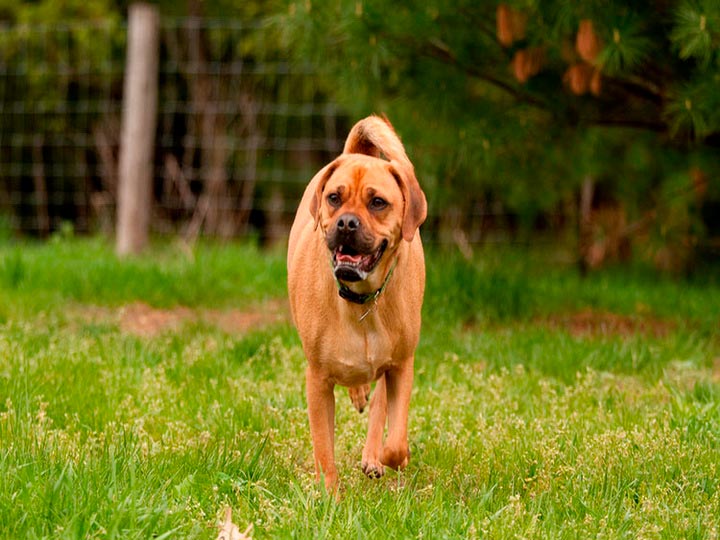
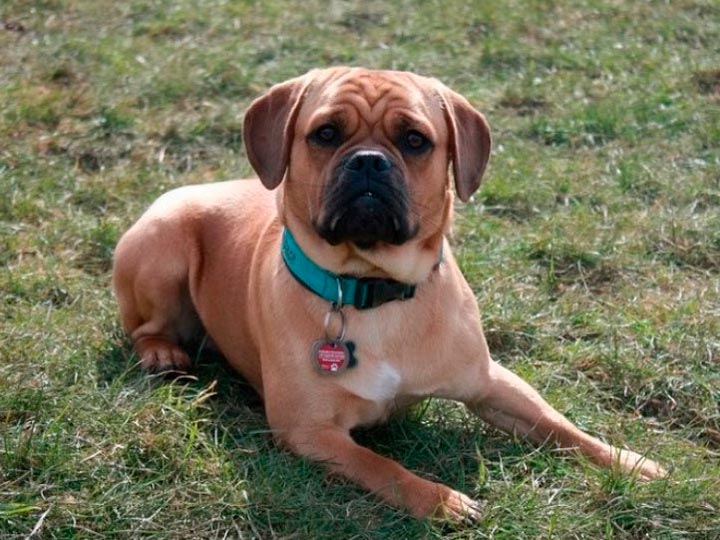
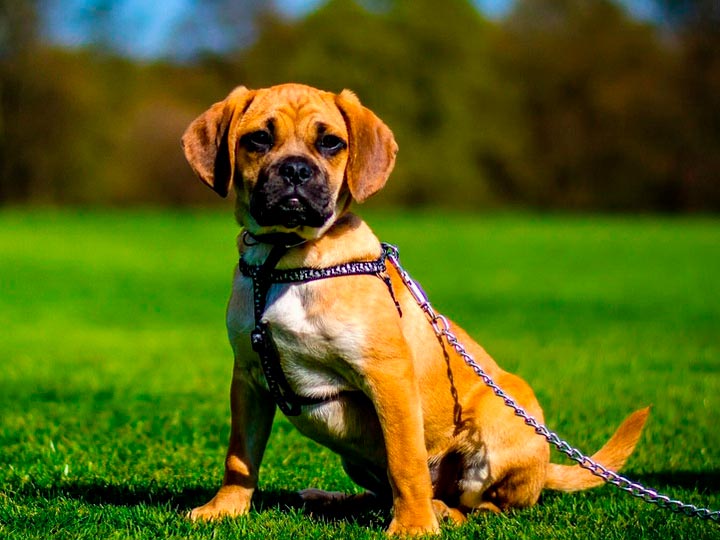
The gallery contains 10 beautiful photographs of beagle-pug crossbreeds, better known by the sonorous name of puggle.


Add a comment