
Otodectin for cats
Otodectin is an effective antiparasitic medication with a broad spectrum of activity. A unique feature of this medication is that it can be used to combat external parasites and roundworms. Otodectin is considered safe for cats, but strict adherence to the instructions is required.
Content
Composition and release form
The medication is available as an injection solution. The colorless, clear, sterile liquid is packaged in plastic vials or glass ampoules. Volumes vary from 1 to 20 ml. When purchasing medication for cats, choose smaller packages, as dosages are calculated by weight.
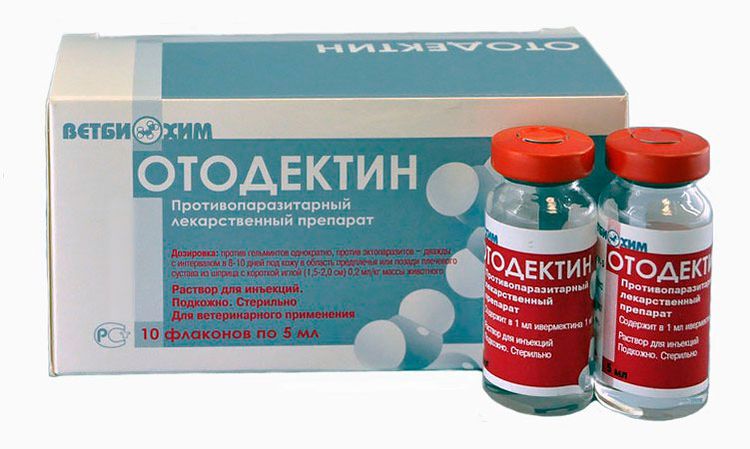
The main active ingredient is ivermectin, which has a detrimental effect on various types of parasites. The concentration of the substance is low—only 1 mg per 1 ml of solution—making the medication safe for animals.
The composition includes triethylene glycol and isopropanol as additional components.
Pharmacological properties
Ivermectin disrupts nerve impulse transmission by increasing cell membrane permeability. The substance has a particularly strong effect on GABA receptors. This action results in paralysis and death.
Once in the bloodstream, the medication is distributed throughout the body, affecting parasites regardless of their location (skin or internal organs). The antiparasitic effect lasts for 10-14 days.
Price
The cost of Otodectin, which is used not only for cats but also for dogs, birds, and other pets, depends on the package size:
- 5 ml – 68-90 rubles;
- 10 ml – 123-160 rubles.
Indications for use
Otodectin for cats is prescribed for the treatment of the following diseases:
- otodectosis;
- helminthic infestations caused by nematodes;
- demodicosis;
- psoroptosis;
- sarcoptosis;
- notoedrosis.
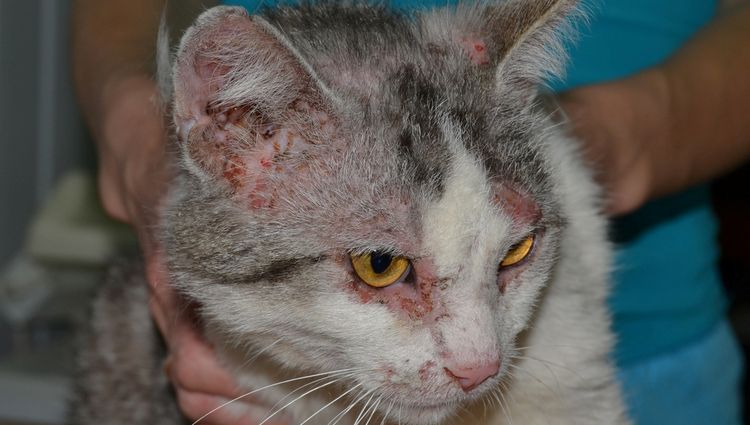
The medication is also used to combat lice or chewing lice. Apathy, loss of appetite, behavioral changes, and other symptoms usually indicate the presence of parasites in an animal. Sometimes the disease is asymptomatic, but the parasites' waste products poison the animal's body, leading to severe intoxication and serious health problems. To prevent this, preventative measures and regular checkups are necessary.
Instructions for use
Otodectin injections are administered subcutaneously. Typically, injections are given in the forearm. The solution can also be injected into the area behind the shoulder joint. Sterile syringes with short needles (no longer than 2 cm) are used for administration. Aseptic technique is essential. The injection site is wiped with rubbing alcohol, and all procedures are performed wearing rubber gloves.
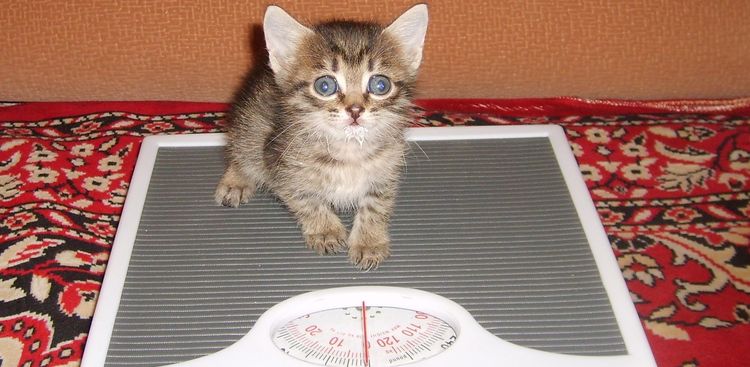
The dosage is calculated based on weight. For every kilogram of body weight, take 0.2 ml of Otodectin. Treatment with this medication does not require any special preparation or instructions.
If the medication is used to treat helminthic infestations, a single injection is given. For ectoparasites, the medication is administered twice at the above-mentioned doses, separated by 8-10 days.
When using an antiparasitic agent to kill fleas or lice, additional treatment of bedding and household items is necessary. Otherwise, reinfestation is possible. If the parasite infestation is accompanied by a bacterial infection, Otodectin is used in combination with antibiotics and other medications.
Contraindications and side effects
According to the GOST classification, the drug is considered low-hazard, but in some cases, its use should be avoided in favor of other medications. Injections should not be given to:
- kittens that have reached 2 months of age;
- weakened animals;
- for infectious diseases.
The instructions do not specify use in pregnant or lactating cats. It is important to note that some ivermectin is excreted in milk. Consulting a veterinarian is essential in this case.

Do not use this medication if you have an individual intolerance. A different antiparasitic medication should also be considered if you have a history of intolerance to ivermectin. If an allergic reaction occurs, discontinue use of the medication and consult a doctor. Depending on the symptoms, your doctor may prescribe antihistamines and symptomatic treatment.
Sometimes Otodectin causes side effects:
- tremor;
- increased salivation;
- frequent bowel movements;
- frequent urge to urinate;
- motor impairment.
Deterioration in well-being, loss of appetite, and other unpleasant symptoms may occur. The risk of side effects increases when the recommended dosage is exceeded.
It is strictly forbidden to use Otodectin together with other drugs containing ivermectin.
Pros and cons
The antiparasitic drug has a number of advantages:
- Broad-spectrum action. Used to combat internal or external parasites.
- Highly effective. One to two injections are enough to kill parasites. The product is effective against both adult parasites and larvae, preventing egg development.
- Safety. Due to the low concentration of the active ingredient, the medication is safe for cats of all breeds and sizes, starting from 2 months of age.
- Availability. You can purchase this medication from a domestic manufacturer at any nearby pharmacy or online.
- Low price.
Disadvantages include the dosage form. Some owners are afraid or unsure how to administer injections to their pets. Overdosage can cause serious health problems.
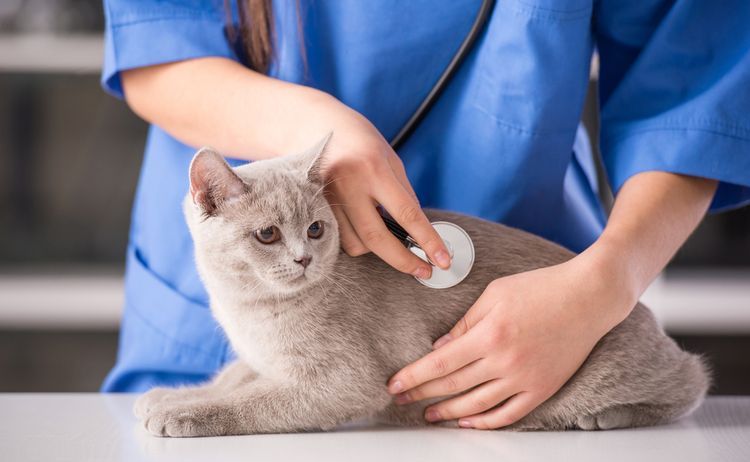
Do not self-medicate. Your pet should be examined by a doctor before using this medication. Use with caution in patients with liver or kidney problems.
Storage rules and precautions
When choosing a place to store the drug, the following recommendations must be followed:
- The medicine must be stored in its original packaging.
- Keep away from open flames and heat sources.
- Avoid exposure to direct sunlight.
- Keep the drug out of reach of children and animals.
- Storage temperature should not exceed 30˚C.
The medication should not be used in the following cases:
- after expiration date;
- if the seal of the bottle or ampoule is broken;
- if the liquid becomes cloudy or sediment appears;
- if storage rules are violated.
In each of these cases, the medication must be disposed of according to legal regulations. Otodectin must not be discarded, as ivermectin is lethal to fish and bees.
When handling the product, follow general safety precautions, and after use, wash your hands thoroughly, always with soap. If the solution comes into contact with mucous membranes, rinse immediately with clean water. If an allergic reaction occurs, consult a doctor.
Owner reviews
Ivan, owner of 3 cats:
"I've lived with cats almost my entire adult life. When one of my furry pets got ear mites, the vet prescribed Otodectin. Just two injections and no parasites. I consider its effectiveness a major plus. However, the drug is toxic, so I had to additionally use hepatoprotectors to support the liver."
Antonina, owner of a 2-year-old cat:
"When our Marta was diagnosed with a subcutaneous mite, the doctor recommended Otodectin injections. It was effective in getting rid of the parasites, but it has several drawbacks. Its slightly oily consistency makes it quite difficult to administer. The injections are also painful. After the first injection, the cat categorically refused to repeat the procedure."
Maria, owner of a 5-month-old kitten:
"We found a sweet kitten on the street. We discovered ear mites at home and took him to the clinic. The vet prescribed Otodectin, noting that it's one of the safest antiparasitic medications. The price was also good. After two injections, the infection was gone. We now regularly administer preventative treatment to prevent re-infestation."
Veterinarian Reviews
Nadezhda, a veterinarian with 3 years of experience:
"Otodectin is based on ivermectin, a very powerful poison. Although it's present in this product in small quantities, it can cause serious harm to a pet's health. Personally, I prefer safer options and recommend that cat owners avoid self-medication."
Alexander, a veterinarian with 8 years of experience:
"Otodectin is a safe medication. It's often prescribed for demodectic and ear mites. I've never had any complications or side effects. The animal is always examined carefully, and if necessary, I prescribe liver support medications, as the main component can have a negative impact on this organ."
Gennady, a veterinarian with 12 years of experience:
"Otodectin is a safe, domestically produced antiparasitic medication. I often use it to treat conditions caused by external and internal parasites. My patients tolerate it well. There have been no cases of allergies or side effects."
Read also:


6 comments
Lillian
I gave my lactating cat an otodectin injection while she was separated from her kittens. When can I let the kittens come back to their mother? The cat is having a hard time, her milk has come in, her glands are swollen, and her temperature is 39.3°C.
Daria is a veterinarian
Hello! You should have waited with the injection. To eliminate the parasites, you could have chosen a milder medication suitable for lactating and pregnant women (praziquantel-based). Now the cat will develop mastitis, and the problems will be far greater than the parasites. If you were planning to separate her from the kittens, you should have bandaged her, removed all milk-producing and juicy foods from her diet, and restricted her access to water. This would have reduced milk production. But then you'd have to feed the kittens yourself and keep them out of the cat's sight, as the mere sight of them or the sound of their meowing will trigger the release of oxytocin, which will trigger milk production.
Natalia
We gave him an Otodectin injection as per the instructions after consulting with the veterinarian. My cat had a subcutaneous mite. A month later, symptoms (itching, stumpy hair loss) began to appear. He's an indoor cat, so I don't understand the cause. I gave him vitamins and a complete diet of fish, meat, milk, and kibble.
Daria is a veterinarian
Hello! Why did you start giving injections? Was the scabies mite diagnosed? Or was the diagnosis and treatment randomly chosen? You could have taken him to the clinic, had him examined with a Wood's lamp, had scrapings taken, and had a trichoscopy (microscopic examination of hairs) done to rule out ringworm first. What kind of food? Mixing natural food and commercial food isn't complete and balanced.
Olga
Hello, what can be done at home if there is an overdose of Otodectin?
Daria is a veterinarian
Hello! Unfortunately, there is no specific antidote to the active ingredient in otodectin (the active ingredient is ivermectin), so all treatment will be aimed at relieving the symptoms. Oral charcoal should be given first, followed by smecta an hour later (not together; remember, charcoal should always be given first). If things get really bad, you'll need IVs and detoxifying medications. No catozals, phosphozals, or other medications containing butophosphamide to speed up metabolism; these should not be used in cases of poisoning. However, the situation usually resolves within a few days. Just keep an eye on your pet. If things get really bad, rush to the vet.
Add a comment