
How cats are treated in different countries
Cats are amazing creatures. Cute, yet still wild, they live in our homes but never truly become domesticated. A mouse-cat, a friend, a hobby cat, or a savior from loneliness—these are the roles we've come to see them in. But what were attitudes toward cats, past and present, in other countries and cultures?
Content
Egypt
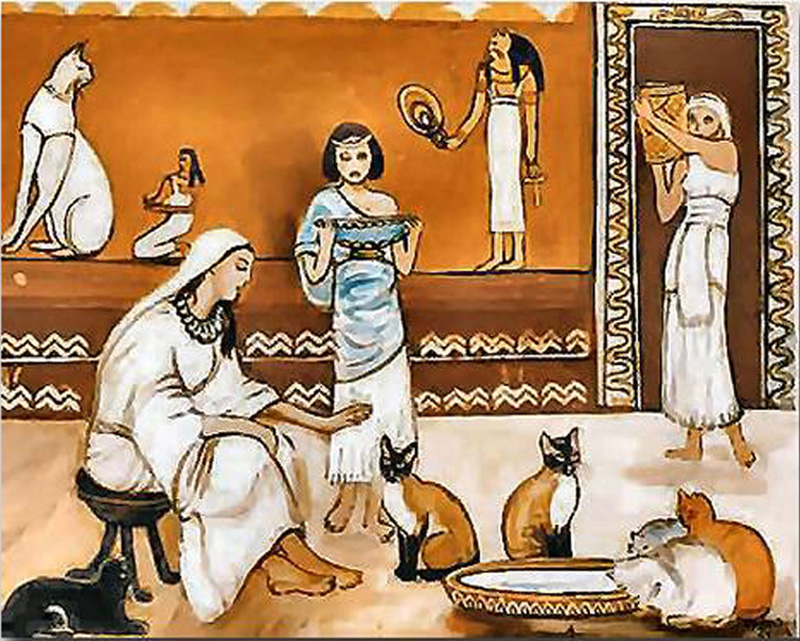
When thinking about this question, the first thing that comes to mind is undoubtedly Egypt. antiquities The cat was considered a special, sacred animal, inhabiting two worlds simultaneously—the world of the living and the world of the dead. Killing a cat back then could cost one's life. A cat wasn't just a pet; it was a revered member of the family, and its death was celebrated with mourning.
Cats were treasured and their export outside of Egypt was strictly prohibited. However, Phoenician sailors managed to steal these beloved Egyptian cats to use them to catch mice and rats that attacked their ships. Over time, cats could be found along Phoenician trade routes, and later throughout the world.
Japan
Domestic felines are also very popular in Japan. It was there that the first cat cafes appeared—cafes where cats live, and visitors come not only to eat but also to play with the cats, feed them, and enjoy a healing dose of appreciative purring.
The real Cat Temple is located in the Japanese city of Kagoshima. It was built in memory of seven cats that served as clocks for warriors in the 17th century.
Thanks to the peculiarities of cat's eyes, the Japanese could tell the time by their narrowing or widening.

Europe: From Medieval Fears to Modern Love
In the Middle Ages in Europe, cats were often associated with witchcraft and evil spirits. This was especially true for black cats, which were considered witches' companions. Today, however, this attitude has changed: in many European countries, cats are the most popular pets.
-
United Kingdom: Cats are considered a symbol of comfort and tranquility, and black cats bring good luck.
-
FranceCats are respected for their independence and grace. Cafés where visitors can interact with these animals are popular in cities.
-
ItalyCats are especially prized here in historic sites. For example, in Rome, cats roam freely among the ruins of the ancient forum, and citizens care for them voluntarily.
Asia: The Sacred Meaning of Cats
In Asian countries, cats are often perceived as guardians of the home and symbols of good luck.
-
JapanThe cult of the "maneki-neko" (nodding cat) is widespread everywhere, from shops to restaurants. The figurine is believed to bring success and financial well-being.
-
ChinaThe cat is considered the guardian of the family and a protector from evil spirits. White and golden cats are especially prized.
-
Thailand: It is traditional to give a pair of Siamese cats as a wedding gift to wish the newlyweds well-being.
America: Home Friend and Internet Star
In the United States and Canada, cats are the second most popular pet after dogs. Shelters and cat protection programs are actively developing there. Americans actively use social media to promote the image of cats, and many pets become true internet stars. Interestingly, in some states, black cats symbolize good luck, which is the opposite of European superstitions.
Africa: The Legacy of Ancient Cults
In ancient Egypt, cats were considered sacred, and this cult has partially survived in North Africa. In some regions, cats are still seen as guardians of the harvest and protectors from rodents. However, in some countries in Southern Africa, due to the influence of myths, cats are sometimes feared and associated with witchcraft.
Australia and Oceania: Ecosystem Protection
In Australia, cats are popular pets, but feral cats are considered a threat to native fauna. For this reason, feral cat control programs are in place. However, domesticated cats are welcomed, and they are often adopted from shelters rather than purchased from breeders.
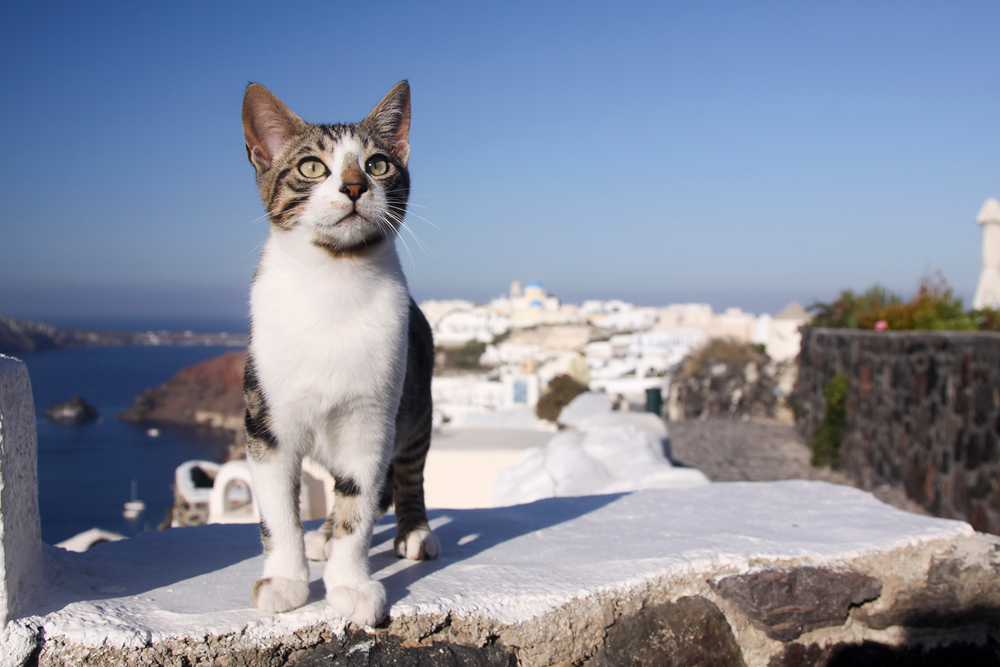
In modern Greece, cats are free and well-fed. Keeping pets isn't common there, but Greeks love to treat cats with fish and other delicacies.
Australia holds the world record for the highest number of cats. There, there are a whopping 10 cats for every 10 people! Not all of them are domestic. Wild cats often gather in groups and attack possums.
Unlucky are the cats living in China. There, with the exception of Sichuan Province, cat meat is consumed everywhere, on par with dog meat. The same fate could befall them in Vietnam.
This is how different the fate of cats is... Love your furry and hairless, wayward and purring pets.
Read also:
- Cats with different-colored eyes: breed
- In which countries do black cats bring good luck?
- How cats are called in different countries around the world


Add a comment