
Otitis in dogs
Otitis is a common condition in dogs. It is characterized by inflammation in the ear. This condition is not harmless, causing significant discomfort and detrimental to the pet's health.
Content
Reasons
Ear infections in dogs can occur for a variety of reasons. Here are the most common:
- Decreased immunity. This weakens the skin's protective function, allowing opportunistic microbes and fungi to proliferate.
- OtodectosisEar mites feed on epithelial cells and wax from the ear, causing swelling and itching.
- Papillomas and tumors. They can become inflamed and bleed, creating an ideal breeding ground for pathogenic microorganisms.
- Hormonal imbalances.
- Hair in the ears. In such cases, the ear canal lacks proper ventilation, and wax is produced in large quantities.
- Injuries and severe bruises.
- Presence of a foreign object.
- Water in the ears.
- Allergies. A heightened reaction to allergens also promotes the proliferation of opportunistic microflora.
- Poor nutrition (excess sugar in the diet).
- Overgrowth of the ear canal. Often seen in dogs with skin folds on their bodies (bulldogs, shar-peis, and some others).
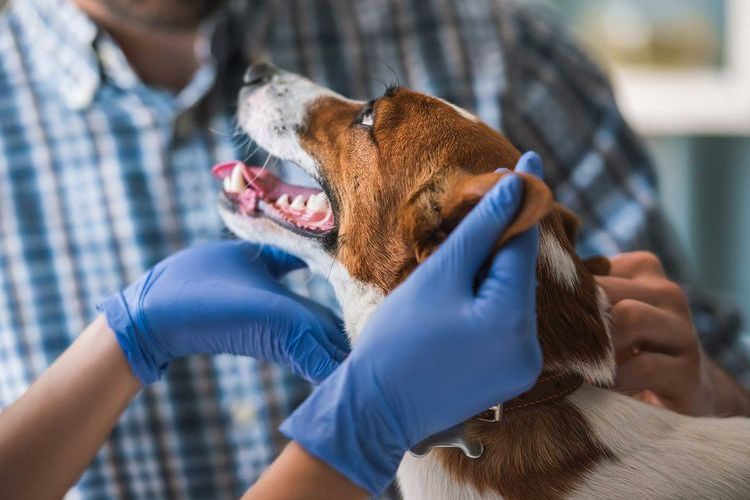
It should be noted that certain breeds are predisposed to this disease. These include:
- Labradors;
- bulldogs;
- German Shepherds;
- bassets;
- hunting dogs;
- collie.
Classification
Depending on the method of occurrence, there are two types of otitis:
- Primary. Occurs due to a congenital anomaly, trauma, or fluid entering the ear canal.
- Secondary. Occurs against the background of a developing bacterial infection.
Classification depending on the source of inflammation:
- bacterial;
- fungal;
- parasitic;
- varrucous (warty);
- allergic;
- Malassezion.
Downstream:
- Acute. Characterized by rapid onset of pathology and severe pain.
- Chronic. Vague symptoms, alternating periods of exacerbation and remission. Difficult to treat.
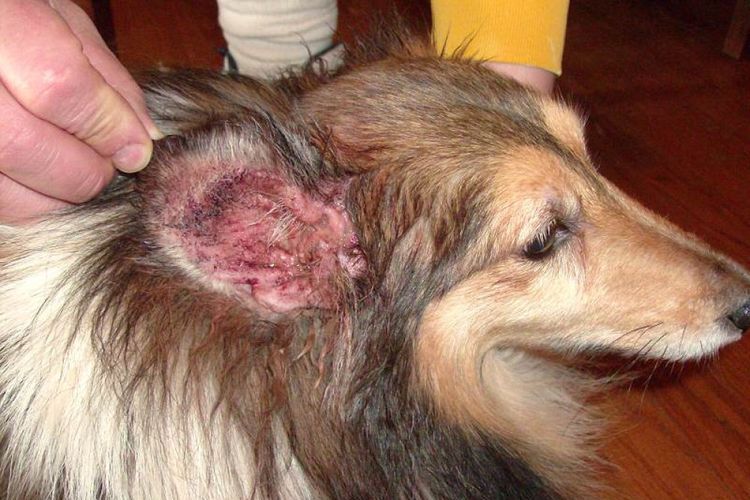
By the nature of the discharge:
- Exudative. Large amounts of sulfur are released.
- Purulent. Yellow-green discharge with an unpleasant odor is present.
By localization:
- External. Most common and easily treatable.
- Otitis media.
- Internal. This is considered the most dangerous because the inflammatory process involves the cartilage and eardrum.
Symptoms
Otitis in dogs always has characteristic symptoms, so recognizing the condition is easy. The main signs of the disease are:
- general weakness and apathy;
- poor appetite or lack of appetite;
- increase in body temperature;
- discharge from the ear (clear or purulent);
- large amounts of sulfur;
- localized hair loss (in the area of the ears);
- the dog scratches its ears or shakes its head;
- enlarged submandibular lymph nodes;
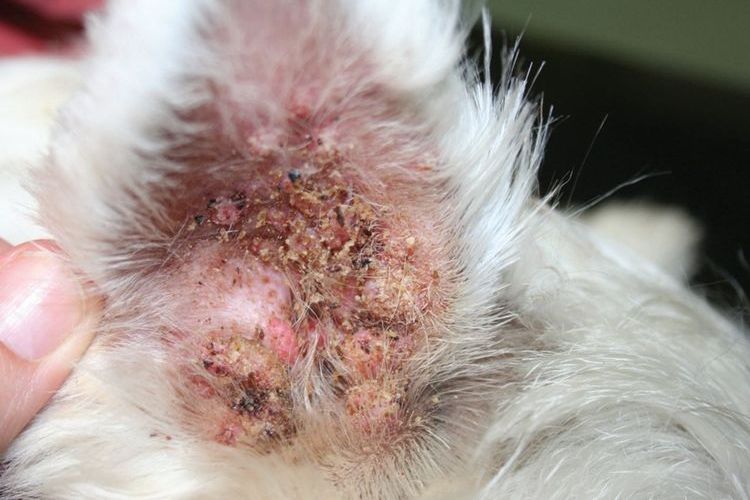
- scratches, bruises, crusts on the ears.
Diagnostics
To establish a correct diagnosis, you should consult a veterinarian. They will examine your pet using a special instrument (an otoscope) and ask the owner a series of questions. Afterward, the doctor will prescribe the necessary tests and examinations. Here's a list:
- skin scraping microscopy;
- blood test (to assess the general condition of the body);
- analysis of ear discharge;
- X-ray (if a foreign object is suspected);
- computed tomography or magnetic resonance imaging.
Treatment
Treatment plans for otitis in dogs vary depending on the underlying cause. Typically, they involve several approaches, including:
- external ear treatment;
- relief of itching and swelling;
- destruction of pathogenic microorganisms;
- detoxification;
- strengthening the immune system.
In the early stages of the disease, it is advisable to use antiseptics (such as hydrogen peroxide or chlorhexidine). For bacterial inflammation, antibacterial drugs are prescribed. Antibiotic therapy should last at least five days. For fungal otitis, antifungal agents are used. If the infection is caused by an allergic reaction, medications with an antihistamine effect are used.
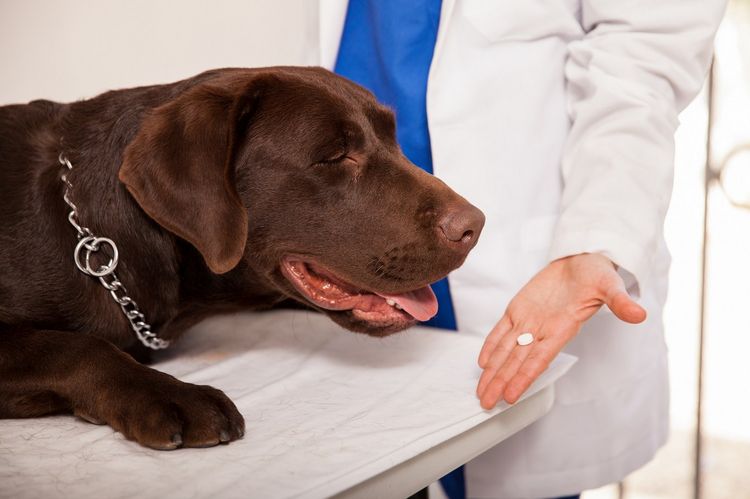
The presence of a foreign object, tumor, or obstruction in the ear canal may require surgery.
Medicines for the treatment of otitis
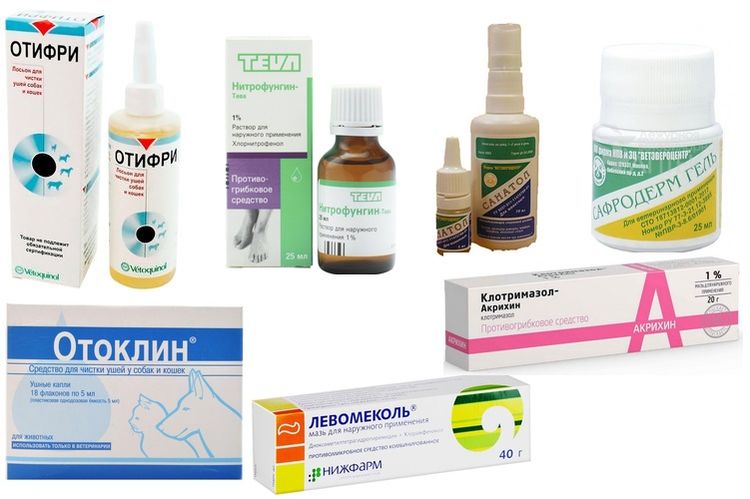
The following products are used for hygienic treatment of ears:
- Otifri;
- Otoklin.
Antifungal ointments:
- Nitrofungin;
- Clotrimazole.
Wound healing and antiseptic ointments:
- Sanatol;
- Safroderm;
- Levomekol.
Antimicrobial drops:
- Cipromed;
- Sofradex;
- Otobiovet.
Antiparasitic drops:
- Decta;
- Leopard;
- Amitrazine.
Antibiotics:
- Ceftriaxone,
- Amoxicillin.
Immunomodulators:
- Cycloferon;
- Immunofan;
- Gamavit.
In cases of general intoxication, typical of severe otitis, intravenous drips are prescribed. Detoxifying solutions:
- Hemodez;
- Sirepar.
Treatment at home
If it is not possible to immediately contact a veterinarian upon detection of a pathology, then it is necessary to provide first aid to the dog at home.
Algorithm of actions:
- Examine your pet's ears. If scratches or wounds are found, treat the skin with hydrogen peroxide or chlorhexidine.
- Put in Otipax drops. They soften crusts well and eliminate pain and itching.
- In the presence of purulent discharge use a mixture of streptocide and boric acid in a ratio of 1:5.
- Give Analgin (at elevated temperatures).
Complications
If you don't seek medical help immediately, the condition will progress. This can lead to unpleasant and even dangerous complications. Here are the main ones:
- hearing loss (up to and including complete hearing loss);
- neurological disorders;
- inflammation of the meninges;
- purulent conjunctivitis;
- strabismus;
- ruptured eardrum;
- death of an animal.
Prevention
To prevent otitis, you should follow these recommendations:
- Regularly inspect your pet's ears and clean them (if necessary).
- Limit contact with unfamiliar animals and carry out antiparasitic treatment.
- Trim the hair inside the ears (for long-eared breeds).
- Strengthen your dog's immune system. Provide it with a nutritious and balanced diet and long walks in the fresh air.
- After water treatment, blot your ears with a cotton swab to remove excess water.
If symptoms of otitis are detected in your dog, treatment should begin as soon as possible. Prompt treatment ensures a rapid recovery and avoidance of complications.
Otitis in dogs: video
Read also:
- Why does my dog's ears smell?
- Otibiovin - ear drops for dogs
- Dog scratching ears and shaking head: causes and treatment


6 comments
Sveta
My dog is a German Shepherd. How can I tell if she was fine yesterday, but this morning she's acting shaky, to put it mildly. She's scratching her left ear and whining, but not constantly. It's not red, there's no discharge, and there's no dirt. What could be wrong?
Daria is a veterinarian
Hello! Your ear may not immediately start to leak and stink. It's possible that inflammation is just beginning. You should take it in for an examination so they can look deep into your ear. They'll likely prescribe intramuscular antibiotics, NSAIDs, and vitamins. Ear drops aren't always prescribed, because if discharge begins, most of the medication won't reach the ear. Antibiotic injections into the middle ear are very helpful (and novocaine blocks are also effective in reducing inflammation). However, you can't do this yourself. However, you should rule out allergic otitis, ear mites, and a foreign body (you never know what might have gotten in there).
Elizabeth
Hello. My beagle's ear is red. When I touch him, he doesn't whine or growl, but I can see him shaking his head and scratching his ear. What should I do?
Daria is a veterinarian
Hello! You need to take your dog to the clinic to determine the type of otitis: bacterial, fungal, allergic, or parasitic. Could it be a reaction to feeding? Is there any odor or discharge? Tip #1: The less you put in the ear, the better. Don't overdo it with medications. Dogs with floppy ears also have a common problem: lack of proper ventilation makes it warm and humid, which allows bacteria and fungi to thrive. Place a rolled-up bandage (a decent-sized piece so it doesn't get stuck or lost) in the ear, hold it there for 5-10 minutes, then remove it and see if it absorbs anything. If the cause is feeding, you need to change the bandage. If it's a bacterial otitis, then intramuscular antibiotics (Recefur, Ceftiomag, and similar medications) plus nonsteroidal anti-inflammatory drugs plus vitamin supplements. You can tie up your ears at home if there are no drafts, to allow for ventilation. But be sure to visit a vet to rule out mites or an inner ear infection.
Antonina
Good afternoon! We have an ear infection and a fungal infection, and the doctor prescribed antibiotics and Surolan drops. Our dog has started to get worse: she's been walking with an arched gait, her coordination is impaired, and she screams wildly when touching her ears or muzzle. We've checked all the medications. We're currently giving her dexamethasone and gabapentin injections. Her coordination is still impaired, and she tires easily. Can you help?
Dasha is a veterinarian
Hello! Your pet needs further examination! Coordination is impaired due to severe inflammation of the inner ear. If left untreated, it could lead to brain inflammation. Your dog's condition was underprescribed. A hormone that accelerates recovery is possible, but discontinuing it can cause deterioration, so it must be administered with extreme caution. The ears need to be cleaned, any exudate removed, and antibiotics and antimicrobials administered intra-articularly several times a day (since such a resistant microorganism has established itself, a sensitivity titration should be performed in a lab to determine the type of bacteria and its sensitivity to antimicrobials). Intramuscular antibiotics are essential! Antifungal ointment can also be used if the fungus has not penetrated deeply, but a course of tablets (about a month) is better. Immunostimulants/modulators and vitamins to strengthen the immune system are also recommended.
Add a comment