
Otitis in cats
Otitis in cats is quite common, so responsible owners should gather as much information as possible about the condition. In its early stages, ear inflammation can be difficult to detect. The first symptoms, such as discharge and behavioral changes, may only become apparent when the inflammation reaches the inner ear. If left untreated at this stage, serious tissue damage and even deafness can occur.
Content
Causes of inflammation
Before starting treatment, it's necessary to determine the exact cause of the disease. Only a veterinarian can do this. Over 50 percent of cases are related to parasites. Otodectes mange (ear mite infestation) is particularly common in cats.
Less common causes of the disease are:
- allergic reactions;
- bacterial infections (staphylococcus, streptococcus, E. coli);
- viruses;
- the animal's constant presence in a humid environment;
- fungi;
- immune disorders;
- hormonal imbalances;
- congenital stenosis (narrowing of the ear canals);
- presence of a polyp or tumor;
- foreign body in the ear;
- reaction to certain medications.
Also, when choosing a new pet, you need to take into account that some cat breeds (Himalayan, Burmese) are much more prone to developing otitis than others.
Symptoms
Signs of developing ear inflammation usually appear when disease It progresses to a later stage. But even if your pet is behaving normally, it's recommended to regularly check its ears. The appearance of red patches or small black spots may indicate early stages of inflammation. You should immediately contact your veterinarian for treatment if the following symptoms of otitis in cats appear:
- unpleasant odor from the ears;
- obvious discomfort when touching the ears;
- constant rubbing of the head against the floor;
- appearance of crusts;
- pus, thick discharge from the ears;
- ulcers;
- lack of coordination;
- restless behavior.
Diagnosis of otitis
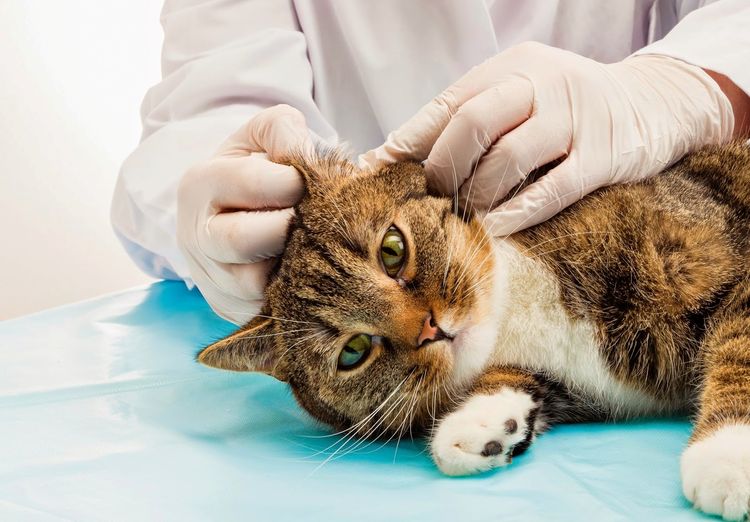
To expedite diagnosis, it's important to record any changes in your cat's behavior, as well as any medications taken and new foods introduced into its diet, before visiting the veterinarian. The veterinarian will examine the ears. If the procedure is painful, an anesthetic will be administered.
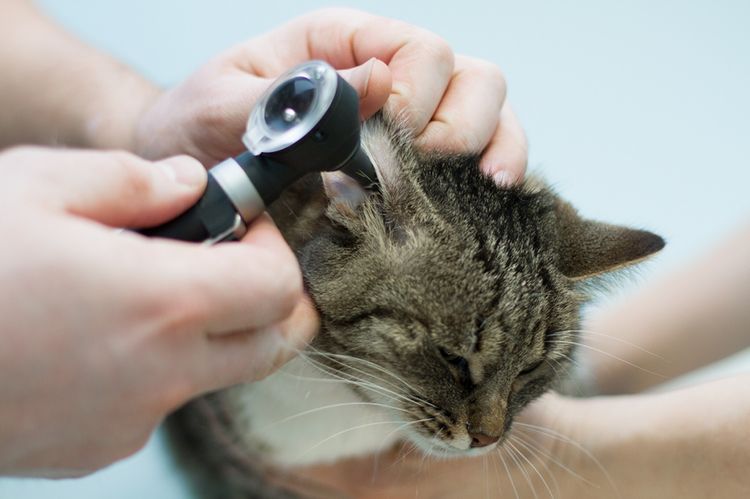
The specialist can use an otoscope to thoroughly examine not only the outer ear but also the inner ear. In some cases, if the inflammation is caused by tumor growth, glucocorticoids are administered during the examination to gain visual access to the eardrum.
Even if a pet has a significant accumulation of pus and debris in its ears, it's strictly forbidden to remove the discharge before going to the vet. The specialist will likely collect a small amount of discharge for cytological analysis to determine the true source of the infection. If the excess debris bothers the veterinarian, they will remove it themselves with a special saline solution.
If any tumors or polyps are detected, a biopsy may be performed to rule out cancer. If the otitis has also affected the inner ear, a CT scan may be necessary.
Conservative treatment methods
Once a definitive diagnosis is made, the veterinarian will develop a treatment plan. Therapy will primarily focus on relieving the unpleasant symptoms of otitis in cats. The choice of medication will depend on the underlying cause.
- A disease caused by parasites.
If the veterinarian determines that the otitis is caused by ear mites or fleas, they will prescribe tablets for a comprehensive system cleanse. Topical anti-inflammatory medications may be prescribed for symptomatic treatment.
- A disease caused by bacteria and fungi.
Antifungal medications and antibiotics are prescribed. The duration of treatment depends on the severity of the ear infection. Typically, the animal is prescribed tablets (taken for at least two weeks) and long-term (at least four weeks) treatment of the affected ears with special antibacterial drops.
- Allergic otitis.
If it's proven that the ear inflammation is caused by an allergy, the cat is first given an antihistamine. The next stage of treatment is identifying and eliminating the triggering allergen.
Without eliminating the allergen, the illness can last for several months. Therefore, if antihistamines fail to relieve symptoms, steroids are additionally prescribed.
- Inflammation of the ear caused by the appearance of neoplasms.
Otitis in cats that develops due to tumor or polyp growth usually resolves spontaneously after surgery. However, if surgery is contraindicated for any reason, chemotherapy may be administered.
Even if initial treatment has yielded positive results and adverse symptoms have disappeared, further therapy should not be abandoned. Without addressing the underlying cause, the disease will recur again and again.
Homemade recipes
If taking your pet to the vet isn't possible, you can try folk remedies. However, it's important to understand that treating otitis in cats at home is only a temporary measure. It's essential to identify and address the underlying causes of the condition. However, if you need quick relief from unpleasant symptoms, you can try one of these proven remedies.
- Apple cider vinegar solution.
If redness is clearly visible on the inside of your ear, mix distilled water with natural apple cider vinegar in a 1:1 ratio. Place 10 drops in each ear, or soak a cotton swab in the solution and gently wipe the affected areas. This simple remedy has antibacterial, antifungal, and even antiviral properties.
To avoid harming your cat, use only all-natural, unpasteurized, and unfiltered vinegar.
- Colloidal silver.
Colloidal silver has antifungal and antiseptic properties, so it can be used as a disinfectant. Place 5 drops in each ear or rub into the affected areas.
- Calendula tincture.
Mix a teaspoon of regular pharmacy calendula tincture with 100 grams of warm distilled water and a pinch of fine sea salt. Wipe the affected areas with the resulting mixture. This calendula-based preparation has antifungal and disinfectant properties.

Caring for a cat during treatment
Regardless of the cause of the illness, treatment prescribed by a veterinarian will most likely be administered at home. Therefore, it is crucial for the owner to follow certain guidelines.
Don't worry about your personal safety: you can't catch otitis from a cat. However, you should strictly adhere to personal hygiene rules.
During treatment, your pet should be fitted with a special Elizabethan collar. This veterinary device will prevent the cat from touching its own ears. To speed up healing, regularly clean the wounds of pus and treat them with antiseptics. After completing the prescribed course of treatment, daily examinations and preventative cleaning of the ears are necessary for at least several weeks. This will help prevent recurrence. Subsequently, cleaning the ears once or twice a month is sufficient.
Read also:
- Ear mites (otodectosis) in cats: symptoms and treatment
- Why does a cat scratch its ears and shake its head?
- Why does a cat have dirty ears?


2 comments
Victoria
Hello,
My cat had ear mites that developed into an otitis in his right ear. The vet diagnosed bacterial otitis without any tests, but diagnosed it by eye and prescribed antibiotics. We treated him with IV fluids for 10 days, and the brown discharge stopped, but he continues to shake his head occasionally and scratch his right ear. He also occasionally develops conjunctivitis in his right eye, which resolves within a couple of days after rinsing with chamomile tea. Is it even possible to develop bacterial otitis after a mite, and how can we tell if the infection has cleared up? Thank you.
Daria is a veterinarian
Hello! Was the animal examined after the tick attack? Were any other parasites detected? I would add intramuscular antibiotic injections in addition to the ear drops, plus a nonsteroidal anti-inflammatory drug or prednisolone to help reduce the inflammation faster. Gently clean the ear several times a day. Conjunctivitis can be secondary (the infection is "passing over"), so a course of parenteral antibiotics is definitely necessary. To determine whether the otitis has resolved, a complete blood count (to determine if there is inflammation) and an otoscope (deep inspection, like a human ENT specialist) are needed. Don't just look!
Add a comment