
Otidez - ear drops for cats
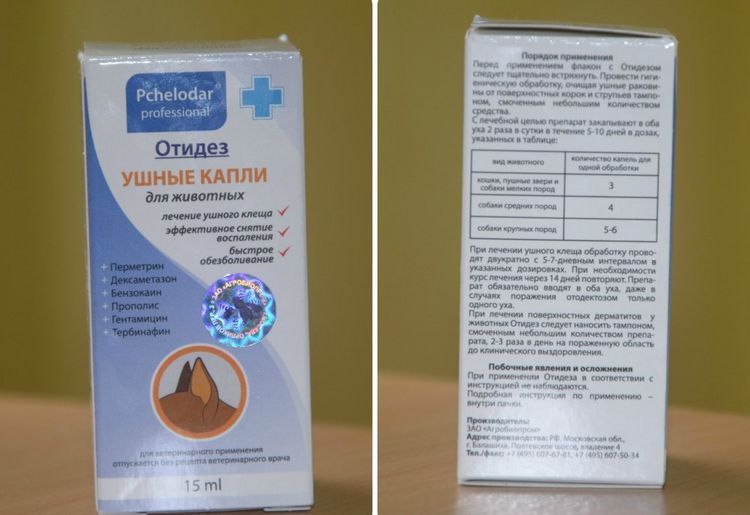
Otidez ear drops are manufactured by the Russian company Agrobioprom, which specializes in the production of zootherapeutic products containing bee products. Otidez has earned positive reviews in veterinary medicine and is often used to treat acute and chronic ear infections of fungal, parasitic, and bacterial origin. Based on its effectiveness, this combination medication is classified as low-hazard. When used in recommended doses, it has no toxic or sensitizing effects on the body.
Content
Composition and action
The active ingredients of Otizez are:
- Gentamicin sulfate. An antibiotic of the aminoglycoside group.
- Terbinafine hydrochloride. A synthetic antifungal drug of the allylamine group.
- Permethrin. An organic compound of the pyrethroid group, it has a toxic effect on ectoparasites.
- Dexamethasone. This derivative of 9-fluoro-prednisolone belongs to the group of glucocorticosteroids (steroid hormones).
- Propolis extract. Propolis inhibits the activity of microorganisms, viruses, and fungi. This substance also has anesthetic, anti-inflammatory, and wound-healing properties.
- Benzocaine. Ethyl aminobenzoate Benzocaine (anesthesin) reduces pain sensitivity.
Indications, contraindications
Otidez drops are used to treat cats:
- otitis caused by bacteria, fungi or ectoparasites (lice, fleas, lice);
- otodectosis - a disease caused by the tick Otodectes cynotis.
- dermatitis of the ear canal and outer ear;
- allergic rashes in the ear area.
The product should not be used if the cat's eardrum is perforated. Otidez ear drops are not recommended for use with medications containing antibiotics or acaricidal agents.
If your cat experiences an allergic reaction, discontinue use immediately. Symptoms of sensitization can be treated with antihistamines.
Price, release form, storage rules
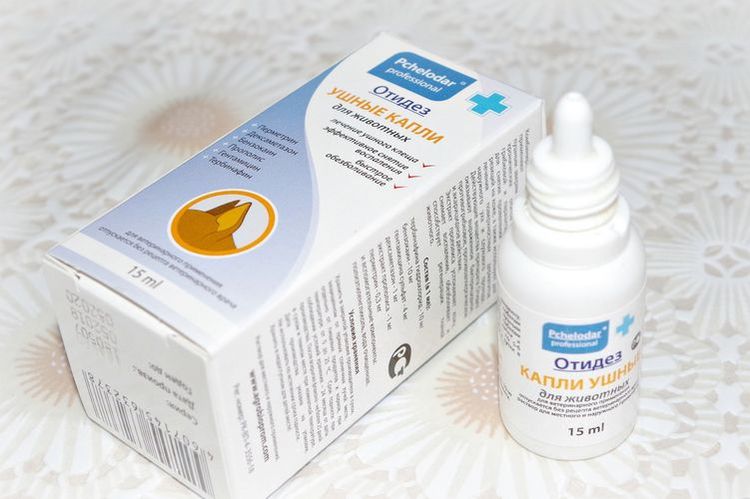
Otidez is a yellow liquid that foams slightly when shaken vigorously. It is packaged in a 15 ml bottle.
A bottle of Otidez costs between 210 and 300 rubles in Russian veterinary pharmacies and can be purchased without a prescription. The shelf life of the medication in unopened packaging is two years; after opening, Otidez drops can be stored for no more than 10 days.
Directions for use
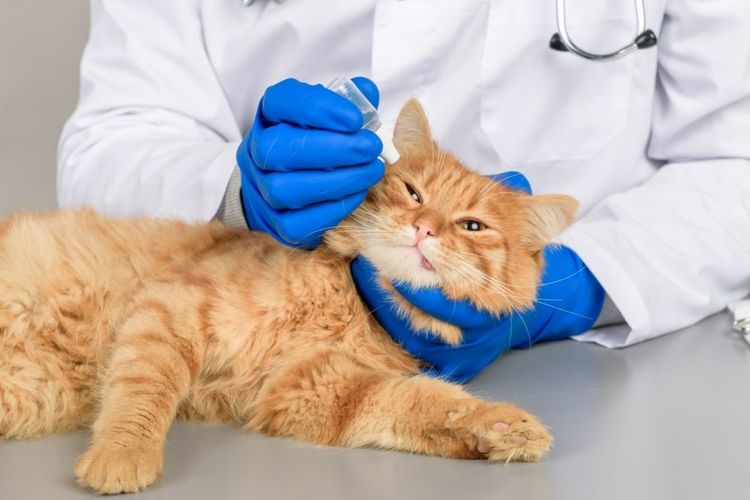
Putting ear drops in a cat's ears is a little more difficult than in humans: animals' ears are covered in fur, and with otodectosis and dermatitis, scratching can cause scabs and crusts to form on them, which must be removed before each procedure.
Before using ear drops, shake the bottle of Otidez vigorously to ensure the suspension is uniform. Then, moisten a gauze or cotton swab with the solution and thoroughly clean the ears, removing any dried crusts. Both ears should be cleaned and applied, even if only one is affected.
After this, carefully place 3 drops of Otidez in each ear, gently massage the base of the ears, and hold the cat for one to two minutes to prevent shaking or scratching the medication out. Repeat this procedure twice daily. When treating dermatitis, Otidez is not administered by eye drops but applied to the affected area with a swab.
The duration of treatment is determined by the doctor and is usually 3-5 days. When treating otodectosis, the Otidez course is repeated after a 5-7-day break. This is necessary to eliminate all parasites, as the life cycle of Otodectes cynotis from egg to adult is 10-14 days.
Analogues
There are ear drops that can be used as a substitute for Otidez in cats. They may contain the same ingredients or other active ingredients with a similar effect.
Popular analogs of Otidez include:
- Otibiovin. Ingredients: corticosteroid triamcinolone acetonide, antiseptic salicylic acid, antibiotic gentamicin sulfate.
- Surolan. Ingredients: antifungal agent Miconazole Nitrate, antibiotic Polymyxin, glucocorticosteroid Prednisolone.
- Otospectrin. Ingredients: antibiotic Polymyxin, glucocorticosteroid Dexamethasone, local anesthetic Lidocaine hydrochloride.
- Otodectin. The active ingredient is the antiparasitic agent dihydroavermectin.
- Oricin. Ingredients: antiparasitic agent Hexachlorane (lindane), antimicrobial drug Furacilin (nitrofurazone), local anesthetic Tetracaine hydrochloride.
- Amitrazine Plus. Ingredients: systemic acaricide Amitraz, disinfectant and anesthetic Decamethoxin, analgesic and anti-inflammatory agent Dimethyl sulfoxide.
Reviews
Nina Anatolyevna Netrebko, veterinarian:
"Otidez's components are active against various types of pathogenic microorganisms, dermatophyte fungi, and arthropods that parasitize the skin. Furthermore, by reducing the production of histamine mediators, this medication exhibits a good anti-allergic effect, as well as wound-healing and antipruritic properties. However, I always caution patients that the entire course of treatment prescribed by the veterinarian must be completed, even if your pet appears completely healthy. For some pathogens, such as ear mites, only adult mites respond to the medication. Otodectes cynotis, in its intermediate stages of development (egg, nymph, and imago), are not sensitive to Otidez."
Oleg, Moscow:
"My beloved Abyssinian managed to pick up ear mites somewhere. We treated her with Otidez: as instructed, I applied the drops to her ears twice a day for five days, then took a week off—and then repeated the course. We got rid of the mites completely, although I developed a strong aversion to the cat: the "cruel" owner picked at her ears every day, which were already sore and itchy."
Tamila, Novgorod:
"I took a stray cat into my home. He was a sweet, affectionate cat, but after a while, I noticed he was constantly shaking and scratching his ears, and his ears were red and inflamed. After a veterinary examination, my pet was diagnosed with otomycosis, a disease caused by a pathogenic fungus. We were prescribed Otidez ear drops. The medication worked well and dealt with the problem without difficulty, and Otidez is also inexpensive. If your cat is experiencing the same problem, I highly recommend these ear drops."
Read also:


Add a comment