
Complications after piroplasmosis in dogs
Piroplasmosis is a serious disease transmitted by ticks. If left untreated or improperly treated, complications from piroplasmosis in dogs can be dangerous and even fatal.
Content
Causes of complications
The disease is caused by Babesia, a blood parasite that penetrates the bloodstream and then into red blood cells. It destroys red blood cells and, over time, causes severe intoxication, damaging the animal's liver and nervous system. Furthermore, the destroyed red blood cells cause blockage of the kidney ducts, leading to renal failure.
The situation is aggravated by medications used in the treatment of piroplasmosis, such as Imidocarb, Diminazine, Berenil, Veriben, Pyro-stopThese drugs are highly toxic, and their negative effects significantly worsen the condition of the dog's weakened body.
The longer the negative processes persist, the more serious the complications of piroplasmosis in dogs. Early treatment offers a positive prognosis. Delayed veterinary care can lead to irreversible consequences, and its absence can result in the death of the animal.
In any case, piroplasmosis does not go away without a trace, and its complications cause considerable harm to the pet's health.
Types of complications
The most common complications of this disease are:
- intoxication of nerve cells, leading to their death and depletion of the nervous system;
- decreased visual acuity up to blindness;
- hepatopathy due to liver damage caused by a large number of chemical compounds;
- anemia against the background of oxygen starvation and increased stress on the heart;
- renal failure due to blockage of the tubules by dead red blood cells;
- DIC syndrome in the form of a hemostatic disorder with the formation of clots in the blood;
- impaired blood microcirculation with muscle tissue necrosis;
- cerebral palsy caused by deterioration of the cerebral blood vessels;
- respiratory failure with pulmonary edema.
These consequences may be subtle or pronounced. Their severity depends on the dog's condition and the timeliness of treatment.
Consequences of therapy
Complications following the adverse effects of the piroplasmosis pathogen are often exacerbated by the medications used during treatment. Antiprotozoal and detoxifying medications, which have significant side effects, are most often used to treat this disease in dogs.
Taking such drugs, especially on an uncontrolled basis, can lead to the following consequences:
- imbalance of neurotransmitters that ensure the transmission of nerve impulses;
- development of allergic reactions requiring additional administration of atropine or antihistamines;
- pronounced hepatotoxic effect with damage to liver tissue.
The severity of any complications following piroplasmosis in dogs directly depends on the timeliness and correctness of the treatment, as well as subsequent rehabilitation.
Recovery from complications
Restoring your pet's normal condition will take some time. A veterinarian should determine how to assist the dog and what to do during this period on a case-by-case basis. The owner must strictly follow their recommendations. Otherwise, serious disruptions to the pet's vital organs may occur.
Even if the animal appears healthy, it is necessary to provide it with proper rehabilitation, including:
- reduction of physical activity and motor activity;
- proper nutrition;
- taking prescribed medications.
A veterinarian also determines a dog's diet after piroplasmosis. The pet's diet should not only be balanced and high-quality, but also carefully selected. Furthermore, it is important to follow the following guidelines for rehabilitative feeding:
- portions are reduced by half, and the frequency of meals increases accordingly;
- the diet includes only natural or special dry food for sick dogs;
- the food used is exclusively fresh, high-quality, nutritious and varied, mainly liquid and warm;
- raw foods are completely excluded, and dry foods are pre-soaked;
- If complications from piroplasmosis in a dog have affected the kidneys, then protein foods should not be included in the menu;
- Drinking should be plentiful, the water should be clean and fresh.
To treat the effects of intoxication, dogs are usually prescribed B vitamins, saline solutions, and cardioprotectors. These help speed up the body's recovery. Gamavit, Fenuls and hepatoprotectors.
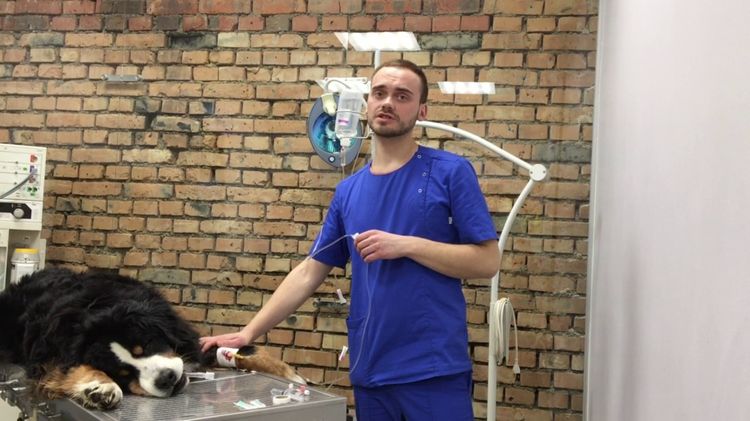
To reduce the toxic effects of medications and properly manage rehabilitation after complications of piroplasmosis in dogs, it is necessary to consult a veterinarian before treating the disease itself and its consequences. Self-medication can result in irreversible pathological changes and even death.
At the end of the rehabilitation period, a general examination by a veterinarian is performed to determine the dog's condition. Each case of piroplasmosis and its complications manifests itself individually. Therefore, there is no single treatment option and subsequent rehabilitation. However, the consequences of this disease do not resolve on their own, and the dog's health directly depends on the owner's level of responsibility.
Read also:


Add a comment