
Tumors in dogs: symptoms and treatment
Discovering a tumor in your pet is one of the biggest health concerns for all dog owners. And the older the pet, the greater the risk of discovering a lump or bump. When noticing such a growth, the first step is to determine its nature and determine the appropriate course of action.
Content
Types and causes of neoplasms
Tumors in dogs are abnormal, uncontrolled cell proliferation. They come in two types:
- Benign tumors are characterized by slow growth and the presence of a capsule (shell) that prevents the growth of pathological cells into surrounding tissue. They also lack metastases and, in most cases, recurrence after removal. They typically do not affect the dog's health, but can sometimes transform into malignant tumors.
- Malignant tumors are characterized by rapid and uncontrolled growth, invasion of surrounding tissue, metastasis, and frequent recurrence after surgical removal. They typically affect the overall health of the body, including causing metabolic disorders.

Depending on the type of cells of the original tissue, malignant tumors are classified as:
- carcinomas (from epithelial cells);
- myosarcomas (from muscle cells);
- melanomas (from pigment cells);
- lymphomas (from lymphatic cells);
- sarcomas (from connective tissue cells);
- teratomas (from germ cells);
- osteosarcomas (from bone cells), etc.
There is no single cause for the development of tumor cells in dogs, but several factors that provoke their development have been identified:
- breed predisposition;
- heredity;
- exposure to chemicals and carcinogens (herbicides, asbestos, by-products of tobacco smoke);
- hormonal imbalances;
- poor quality nutrition;
- large doses of natural (ultraviolet) and artificial (radiation) radiation;
- exposure to viruses.
Symptoms and localization of tumors
Tumors in dogs can appear on various parts of the body, including internal organs. Superficial tumors appear as unusual lumps that are difficult to palpate and diagnose in the early stages.
Internal tumors not only disrupt the function of the affected area but also cause a deterioration in the dog's overall health, including metabolic and gastrointestinal disturbances, changes in blood composition, and neurological symptoms. Therefore, their presence is indicated by various clinical symptoms (nausea or vomiting, coughing, shortness of breath, wheezing, diarrhea, constipation, anemia) and weight loss. Signs also vary significantly depending on their location.

Mammary glands
This is one of the most common lesions, especially in unspayed females. More than half of the detected lesions are malignant and can metastasize throughout the body. They appear as one or more soft lumps located near the mammary ridge, which gradually enlarge and harden. They can be detected by palpation, but a diagnosis can only be made with a biopsy.
Stomach
There are several reasons why neoplasms develop on the abdomen:
- Skin cancer that initially appears as small nodules. However, over a short period of time, they merge into a single mass and grow to a significant size.
- A lesion of the abdominal cavity or gastrointestinal tract, when the lesion is located inside, but over time grows and protrudes onto the surface of the body.
Brain
Tumors can appear in animals of any age and gender, but most often after the age of 5. Dobermans, Golden Retrievers, Bobtails, Pinschers, and Scottish Terriers are especially susceptible. The tumor's onset can be recognized by decreased motor activity, a tendency to hide in dark places, followed by seizures, gait and motor coordination problems, and an abnormal head tilt.

Other localizations
Various types of swellings and growths can also develop:
- In the ear, where otohematomas sometimes appear, they are associated with the destruction of blood vessels located within the tissue and are not related to tumor processes. However, pathological processes in the cartilaginous tissues and their penetration into the cranium are also possible in the ear.
- On the neck, where they sometimes develop mastocyomas – tumors of abnormal mast cells that grow rapidly and adversely affect the pet's immune system. As they develop and grow, mast cells can compress blood vessels, the upper respiratory tract, and the esophagus, potentially leading to death.
- Soft growths on the paws are one of the symptoms of skin cancer. Hard swellings may indicate osteosarcoma, a bone disease that gradually spreads throughout the limb and other bones. The dog begins to limp and is reluctant to stand, especially in the morning.
- Under the tail, where sometimes painless formations appear - lipomas, which grow slowly and do not bother the animal, but can develop into oncology.
What to do
If you detect any growth in your pet, the most important thing is not to panic or try to diagnose it based on advice from friends or the internet. First, consult an experienced veterinarian, who will determine the next steps after an examination and diagnosis. It's always a good idea to consult several specialists to get a more accurate picture. There have been cases where one doctor mistook a benign growth for a late-stage malignancy and was certain that surgery would be ineffective and the animal had no chance of survival. Meanwhile, another clinic successfully removed the benign growth, and the pet continued to live with its owners.
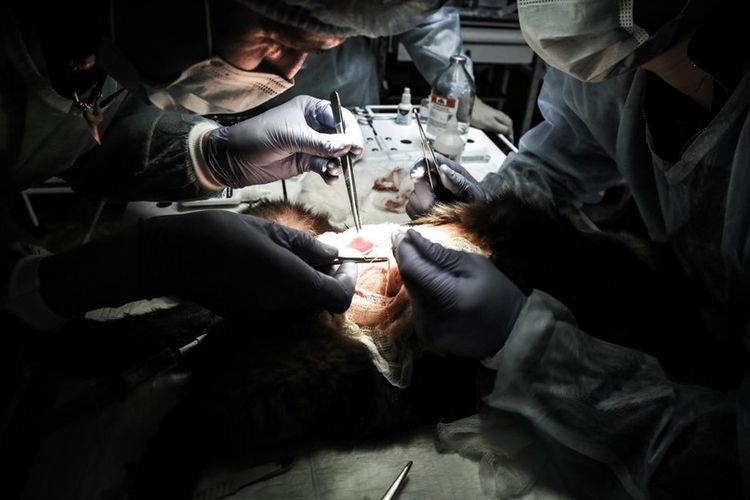
The most important thing to remember is that early detection and diagnosis are vital factors in helping to save your dog.
Diagnostic methods
When examining a dog, the location of the formation, its size, consistency and connection with surrounding tissues (free movement or fusion), the condition of the skin and lymph nodes are taken into account.
In addition, the following is carried out for diagnosis:
- general radiography;
- ultrasound diagnostics;
- general and biochemical blood test;
- detection of tumor markers in the blood.
Important! In most cases, swelling on a dog's body is not a tumor. It could be abscess (a cavity filled with pus, painful and hot to the touch), hematoma (a collection of blood that is distinguished by a bluish color) or lymphextravasate (a collection of lymph due to damage to blood vessels).
In this case, special attention is paid to liver enzymes: if inflammation or other liver pathologies develop, chemotherapy can cause serious complications and even death of the dog.
One of the main methods for determining the tumor type is a biopsy, which is performed using a needle and scraping. This allows us to determine the nature of the tumor and determine the optimal treatment.
Treatment
Treatment for tumors in dogs depends on the symptoms and stage of the disease. If benign tumors are detected, there's a good chance the tumor can be treated without surgery.
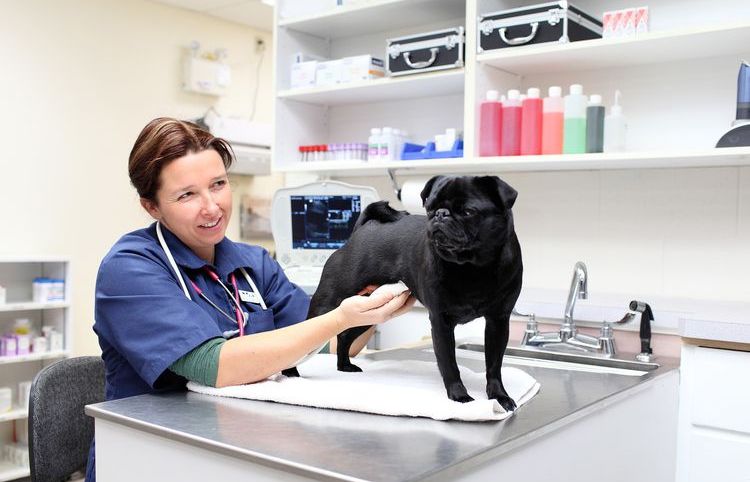
For treatment in veterinary medicine the following is practiced:
- Surgery involves removing the tumor, diseased tissue, some healthy tissue, and, if there is a risk of metastasis, nearby lymph nodes. The cost of removal depends on the tumor type, the drugs used, and other factors.
- Radiation therapy is suitable for animals in which surgical removal of the tumor is not possible. However, it requires expensive equipment, so the procedures are only performed in prestigious clinics and are expensive. Radiation therapy provides good results for skin lesions.
- Chemotherapy – involves the use of drugs with antitumor properties that target rapidly developing cellular structures. This option is used in the presence of multiple tumors when surgery is ineffective, as well as in the late stages of the disease when it is necessary to reduce the pet's discomfort and improve their quality of life.
A combination of the three methods shown above has proven most effective. Early-stage radiation therapy slows the growth of tumor cells, surgery removes the tumor, and subsequent chemotherapy reduces the risk of relapse and prolongs the pet's life.
Table: Tumor risk in different breeds
| Breed | The most common types of tumors | Peculiarities |
|---|---|---|
| Boxer | mastocytomas, lymphomas | high hereditary predisposition |
| Labrador retriever | lipomas, osteosarcomas | often benign tumors, but a tendency to obesity increases the risk |
| German shepherd | osteosarcomas, lymphomas | bone lesions often |
| Dachshund | breast tumors, mastocytomas | more common in unspayed females |
| Doberman | tumors of the liver and spleen | late diagnosis worsens the prognosis |
How to care for a dog after treatment
After surgery or therapy, it is important to ensure:
-
rest and limitation of physical activity during recovery
-
control of seams and their treatment with antiseptics
-
regular visits to the veterinarian to monitor the condition
-
proper nutrition with increased protein and vitamin content
It is also recommended to avoid stress and hypothermia, as the immune system is weakened during this period.
When to See a Veterinarian Immediately
There are situations when you cannot wait for a scheduled visit:
-
a sharp increase in an existing node
-
the appearance of pain or lameness
-
refusal to eat for more than 24 hours
-
difficulty breathing or bleeding
Prompt assistance in such cases can save the animal's life.
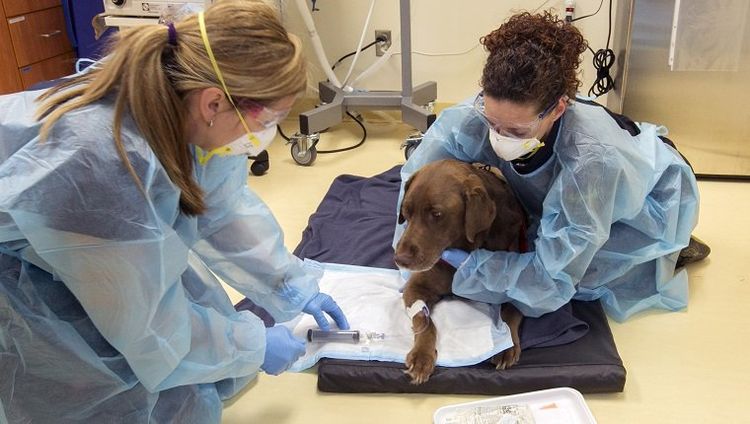
Life expectancy with a tumor
Undoubtedly, this is one of the most important questions that concerns owners and that they want to hear an answer from a veterinarian. But everything depends on the histological type and stage of the disease, the presence of complications, the dog's general condition, and the feasibility and effectiveness of treatment.
If a tumor is detected early, promptly removed, and appropriate treatment is administered, your pet can expect a fairly long life. Sometimes, animals can even outlive their expected lifespan and continue to delight their owners for much longer.
Veterinarians have observed cases of dogs whose owners chose not to undergo tumor surgery, living for 7-11 years. However, when deciding against surgery, it's important to evaluate all aspects: the tumor's weight (which can reach up to 5 kg), pain, and overall discomfort for the pet.
Read also:


Add a comment