
What plants can be dangerous for dogs?
In most cases, dogs are not picky about their food choices. Curious puppies sniff and chew everything in sight. Dog owners should be careful, as there is a danger. poisoning plants, warns the German Animal Lovers' Union.
Not all plants are safe for animals. Many houseplants can cause serious poisoning in pets. And there are many dangers lurking on walks. That's why owners need to know what to protect their dog from.
Dogs may eat plants for reasons other than curiosity. Some pets resort to eating herbs or leaves when stressed, bored, or experiencing digestive discomfort. This behavior may seem natural, but if a toxic plant is encountered, the consequences can be serious. Even a single chew on a toxic leaf or flower can cause a severe reaction, especially if the pet is hypersensitive.
Owners often don't immediately attribute their pet's deteriorating condition to plant exposure. Symptoms such as apathy, tremors, abnormal pupils, lethargy, vomiting, or labored breathing can develop gradually, sometimes with a delay of up to 24 hours. This complicates diagnosis and can delay treatment. Meanwhile, plant toxins continue to damage internal organs, especially the liver, kidneys, and nervous system. Some types of poisons affect the myocardium and blood vessels, causing cardiac arrest or stroke.
Content
Categories of hazardous plants by risk source
Animals encounter plants in two main environments:
-
Houseplants– ficus, dieffenbachia, aloe, monstera, azalea, poinsettia, caladium, lily.
-
Garden and wild– tulips, daffodils, mistletoe, hydrangeas, oleander, belladonna, boxwood, aconite, ivy, hogweed, lantana, apricot/cherry kernels, nightshades and grasses.
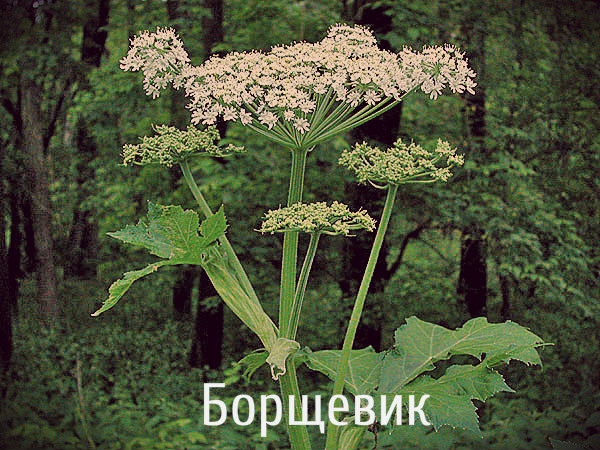

Rooms and gardens are risk areas and each type requires an individual approach.
What parts of the plant are dangerous?
Different plant species are toxic in different ways: leaves, bulbs, berries, seeds, and bark can be poisonous:
-Bulbs(daffodils, tulips, amaryllis) – cause severe vomiting, diarrhea, pain.
-Leaves(Dieffenbachia, Philodendron, Oleander) – when in contact, they cause burns to the mucous membranes and heart rhythm disturbances.
-Seeds/berries(mistletoe, holly, cherry/apricot) – may cause seizures, neurological symptoms, liver failure.
-Roots and stems(belladonna, aconite) – lead to serious organ damage and cardiovascular failure.
-Flowers/inflorescences (hydrangeas, delphiniums) – cause dermatitis, nausea, difficulty breathing.
Table: symptoms and consequences of poisoning
| Symptoms | Type of plants/parts | Possible consequences |
|---|---|---|
| Vomiting, diarrhea, salivation | Bulbs, leaves, greens | Dehydration, gastrointestinal bleeding |
| Abdominal pain, lethargy, weakness | Leaves, seeds, berries | Hepatotoxicity, heart, kidneys |
| Heart rhythm disturbances | Oleander, belladonna | Arrhythmia, collapse, death |
| Convulsions, coma | Roots, seeds (aconite, belladonna) | Neurological failure, fatal outcome |
| Skin/mucous membrane burns | Dieffenbachia, philodendron | Swelling, irritation, possible intubation |
Particularly dangerous for puppies and small breeds
Puppies are especially prone to tasting plants, and small breeds develop severe symptoms more quickly with the same amount of substance. Even common tulips or daffodils can cause more severe symptoms in smaller dogs than larger ones.
What to do if you suspect poisoning
-
Remove any remaining plant material from the mouth.
-
Contact your veterinarian immediately, or at least the ASPCA poison control line.
-
Bring a photo or sample of the plant with you.
-
The clinic may prescribe carbon monoxide or gastric lavage; if unavailable, induce vomiting only under the doctor's orders.
The sooner the intervention begins, the higher the chance of a full recovery without complications.
Prevention: How to ensure safety
-
Minimize access to windows and windowsills with plants.
-
Keep dangerous houseplants out of your pet's reach.
-
At the dacha, choose safe varieties: peony, rose, lavender, sunflower.
-
Avoid belladonna, oleander, aconite, holly, lantana and mistletoe in the garden.
-
Make a list of "forbidden plants" and after walks quickly check to see if your pet has brought in a leaf or berry.
-
Alternatives to poisonous houseplants include chlorophytum, cobweb flower, parlor palm, vanilla orchid, asparagus, everlasting geranium, and safe succulents.
Particularly dangerous are cases when a dog chews on the roots, tubers, or bulbs of plants. These parts often contain the highest concentration of toxic substances, even if the upper part of the plant is relatively harmless. For example, with daffodils or tulips, it's the bulb that poses the greatest danger, while with ornamental potatoes, it's the tubers. Poisoning can also occur if a dog simply digs up soil containing fertilizer residue and rotting plant matter, which release toxic compounds.
Another subtle but significant threat is dried plants. Even if a flower has wilted and been thrown away, its leaves or blossoms left on the floor or in the trash can may attract pets. Dried petals retain some toxic substances and can still pose a danger if ingested. This is especially true for houseplants such as poinsettias, ficus, and peace lilies, whose dried leaves can irritate the mouth and digestive tract.
Dogs often receive poison indirectly, but through contact with water previously immersed in poisonous plants. For example, lilies, daffodils, or hydrangeas placed in a vase can release toxins into the water. If a pet drinks such liquid, even a small amount, it can cause poisoning with serious consequences. Therefore, it's important not only to remove plants but also to monitor what's in open containers.
Attention should also be paid to public outdoor areas. In many parks, especially in cities, flowerbeds are decorated with popular but potentially dangerous plants: crocuses, irises, periwinkle, and boxwood. Furthermore, plants may be treated with pest control chemicals. These substances are absorbed by the leaves and stems and remain for a long time, even after rain. If a dog licks the leaves or accidentally eats grass in a treated area, it can lead to combined poisoning—from both the plant and the chemicals.
If your pet has shown an interest in eating grass or leaves, it's important not only to discourage them but also to offer a safe alternative. For example, you could plant a grass specifically for them that's safe to eat, such as wheat, barley, or catnip. These are safe and can satisfy their urge to chew on greens.
Read also:
- Cat-Safe Houseplants
- How to stop a cat from damaging flowers and plants
- The most unusual animals in the world
Read also:


Add a comment