
Colors of British cats
British Shorthairs have long captured the hearts of people around the world and firmly established themselves as our favorite domestic predators. Looking at photos of blue British Shorthairs online, we see a large cat with a plush, unusually colored coat, chubby cheeks, and large amber eyes.
You could say that this coat color is the calling card of this breed. After all, the blue color (greyAsh is considered the classic British Shorthair color. However, the British Shorthair breed boasts such a wide variety of colors that there are approximately 200 variations. Many of these developed and were present in the breed's early development. There are also colors that have emerged relatively recently, thanks to the work of breeders and selectionists.
Content
Important color standards
When assessing an animal's color, felinologists rely on the breed standard, which states that a cat's color is determined not only by its coat color but also by other factors. Important factors include:
- main coat color
- undercoat color
- eye color
- color of the nose and paw pads
- clarity of the drawing
- pattern contrast
The combination of all these characteristics allows for an objective assessment of the quality of the color, which, although not the main criterion for this breed, plays an important role in the cat's show career.
All types of British cat colors
The entire range of colors available in the British Shorthair cat breed is divided into color groups:
- solid (monochromatic);
- patterned (tabby, tabby);
- combination of primary color with white (bicolor, harlequin, van);
- tortoiseshell;
- color point (Siamese type);
- silvery;
- golden.
Solid colors
This group includes seven color varieties. These include blue, lilac, chocolate, black, red, cream, and white, which can have blue or orange eyes. The solid color must be uniform throughout the cat's body, without any spots or stripes. Each hair is uniformly colored from root to tip, and no hairs of a different color than the base color are allowed.
The most popular colors of British cats are blue and lilac. Blue can be described as a gray-ash coat with a hint of blue, ranging from subtle to intense. The tips of the hairs should not be bleached or silvery, which is sometimes seen in blue British cats. Eyes can be any shade of orange, even copper, with the richer the better.
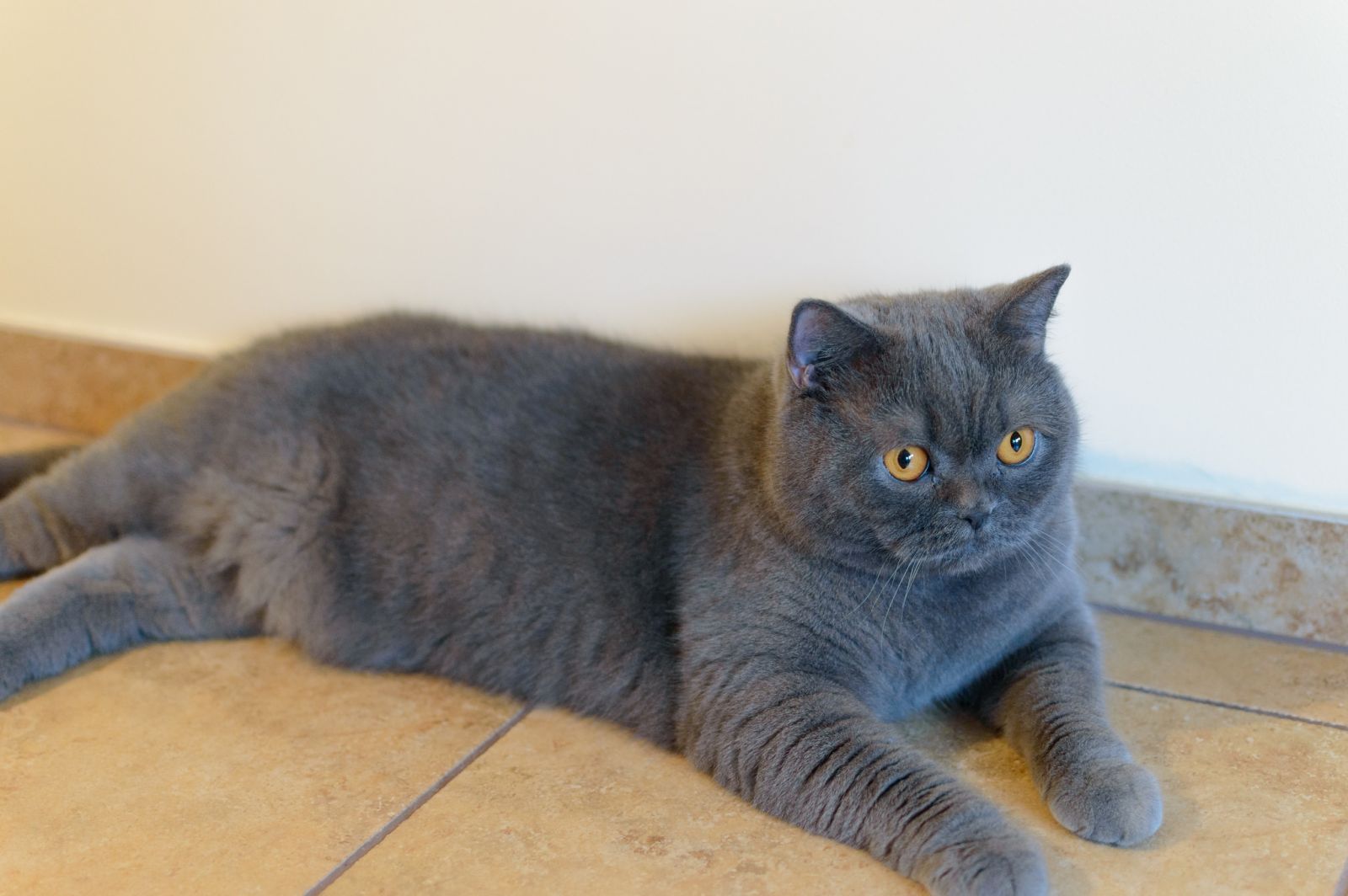
Lilac is a light gray coat with a pinkish tint. Any spots or stripes are considered a fault. Eye color can range from amber to copper.
The chocolate-colored British Shorthair is much rarer; only cats with a specific set of genes can produce offspring with this color. A chocolate-colored cat's coat should be uniformly dark chocolate. A common defect in chocolate-colored cats is a lighter undercoat, which is considered a fault.
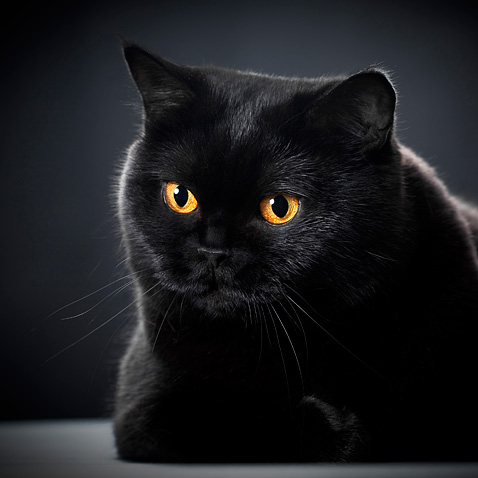
A miniature panther is a black British cat. This is the most stable and reliable color of all cat colors. However, a few white or light hairs will still peek through the perfectly black coat. It is impossible to produce a black kitten from a non-black couple. Even if its fur appears black, genetically such a kitten is still only half black. Many breeders believe that black British cats are the most ideal breeding cats. This is because they possess superior pedigree characteristics compared to animals with more exotic colors.
Thanks to the efforts of breeders, the British Shorthair cat breed has acquired the cinnamon and fawn colors. Animals with these coat colors are still considered rare. Cinnamon is also known as ground cinnamon. It was achieved by lightening the chocolate color of the coat, while fawn is a lightened version of cinnamon.
Tortoiseshell colors
The British tortoiseshell cat combines two colors in its coat. These can be black and red, or blue and cream. Chocolate-cream and lilac-cream tortoiseshell colors are also common. These tortoiseshell spots should be evenly distributed over the cat's body, and there may also be spots of different colors on the paw pads. Due to a genetic trait, this coloring is only found in female cats.
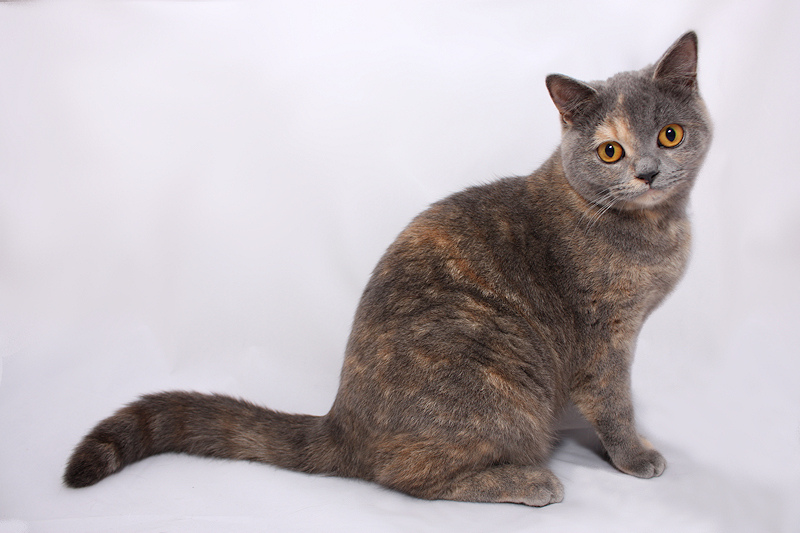
Even with selective breeding and knowledge of color genetics, it's still impossible to predict in advance how the colors of tortoiseshell cats will blend in their offspring. Therefore, judges don't impose strict requirements on them. Cats with these colors are simply indispensable in breeding, as their kittens can come in a wide variety of colors.
Patterned colors
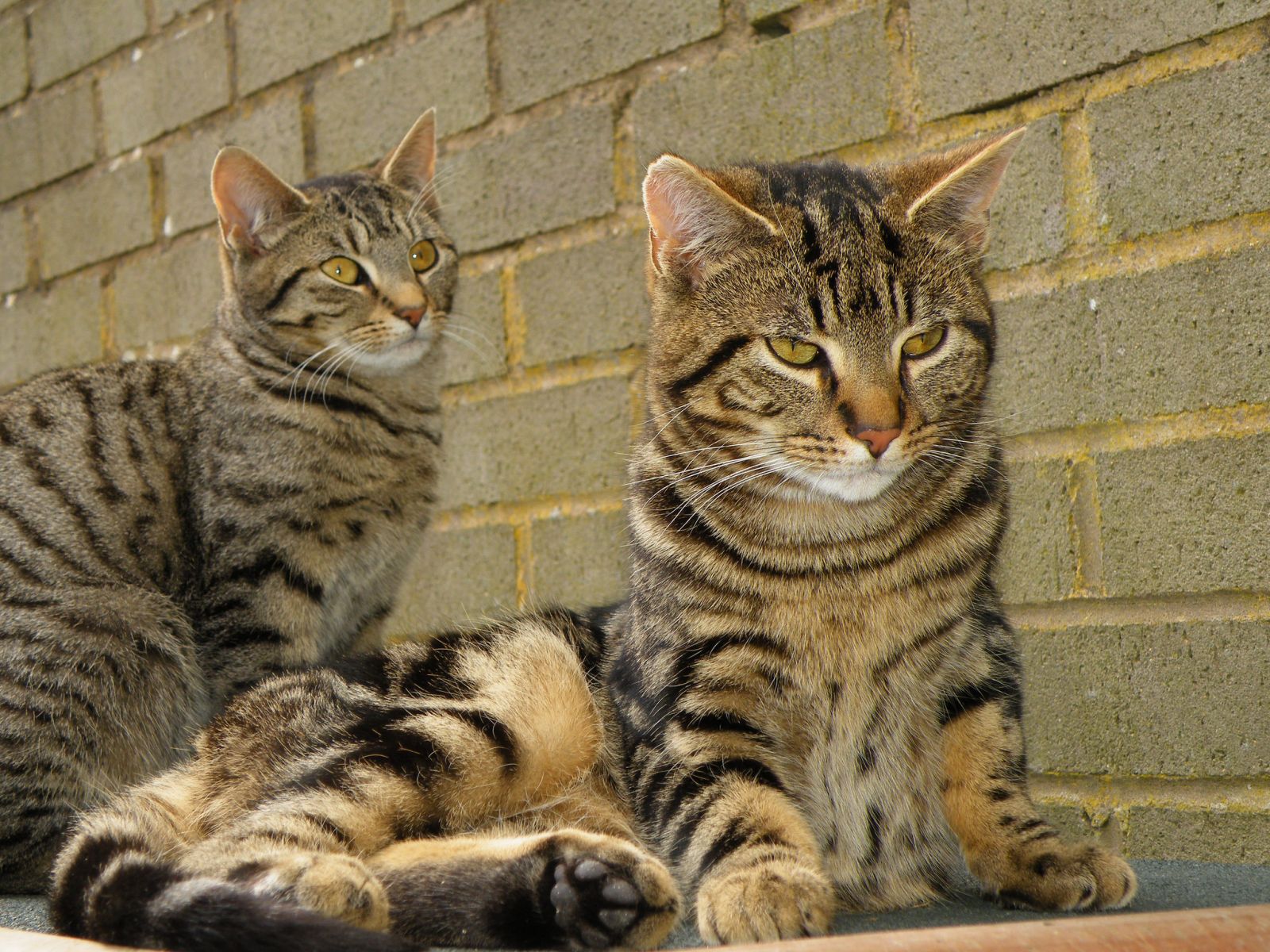
This group of colors encompasses three different patterns on a cat's coat. According to the breed standard, these are brindle, marbled, or spotted. Each of these patterns is placed over the animal's main coat color, creating a vast range of colors. Regardless of the color and pattern type, all such cats share a common name: the British Shorthair. tabby.
All of these colors have a number of requirements common to each individual color: all stripes, lines, and spots must be clear and contrasting. Also required are decorative stripes on the paws and chest, rings on the tail, and an "M" on the forehead. The nose leather and eyes must be outlined in the same color as the base coat.
Golden or silver background
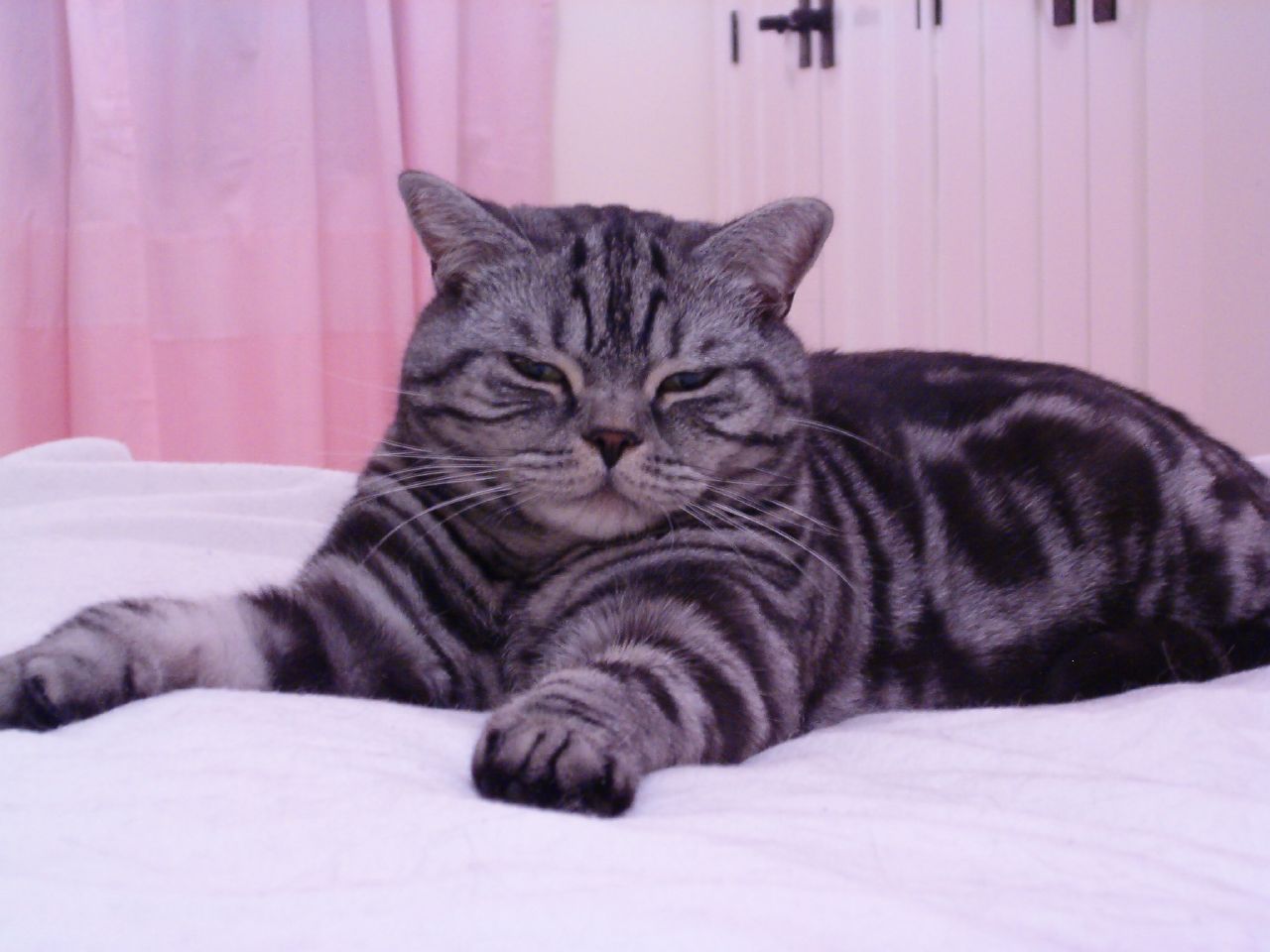
Perhaps the most beautiful of the tabby patterns is the British Shorthair, whose marbled pattern is embodied on a golden or silver background. Achieving a vibrant and clearly defined pattern is considered quite difficult, but the results are worth the effort. The cat's face should have a pattern of fine lines. Lines extending from the corners of the eyes are also essential. Two longitudinal stripes should run down the back, and solid rings with a spot inside should be on the sides. The nape of the neck has a butterfly-like pattern, and the tail and paws are encircled by rings. The pattern should not be broken or intersected; all contours are smooth and smooth.
Tiger
The name "tiger pattern" speaks for itself: thin, continuous stripes run down the cat's body, starting from its back. A continuous line runs along the entire body, down the back. The neck is decorated with a necklace-like pattern of stripes, and the paws and tail are adorned with open rings or stripes.
Whiskas
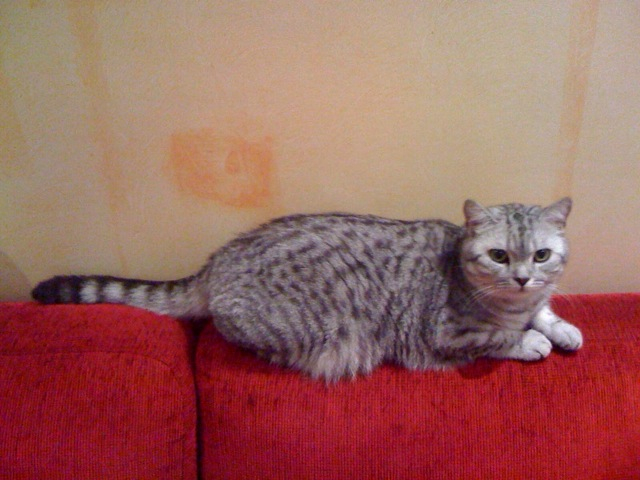
The "Whiskas" pattern of British cats, popularly known as "Whiskas" and popularly known as "Whiskas," is a spotted pattern. More specifically, a black and silver spotted pattern. This pattern includes spots not only all over the cat's body but also on its belly. Stripes should also be present—necklaces on the neck and stripes on the paws and tail.
Chinchilla colors
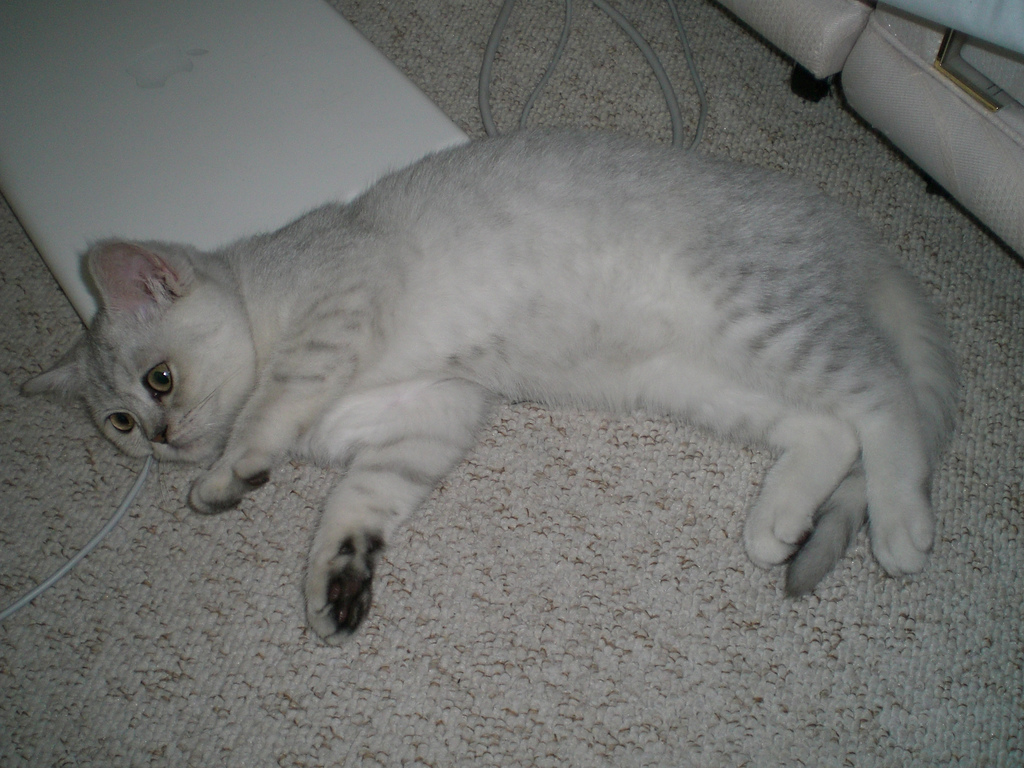
British cat color chinchilla It was obtained by crossing with the Persian cat breed. This coloring looks very beautiful and elegant, but it is quite rare because it is associated with great difficulties in breeding. There are two types of chinchilla coloring: golden and silver. In professional circles, these colors are called shaded and veiled. They are characterized by the fact that only the very tip of each hair, about 1/6 or 1/8, is darkened. This creates a dusting effect, with animals with deeper colored hairs appearing slightly darker.
Silver
British Shorthairs with a silver chinchilla coat must have a white undercoat, free of any traces of yellow or other colors. Their eyes are bright green. The eye rims and nose leather, as well as the paw pads, are colored to match the dusting on the tips of their fur.
Golden
The second color variant, the Chinchilla, is based on the golden color of British cats. This is truly the most stunning color in this breed. It's no exaggeration to say that finding a British cat with this color is extremely rare. It's not easy to achieve a warm apricot undercoat without a hint of gray, which is considered a fault. The undercoat should be a pure golden hue, vibrant and rich. The eyes are green, with rims that match the tips of the fur. The nose leather and paw pads are dark or black.
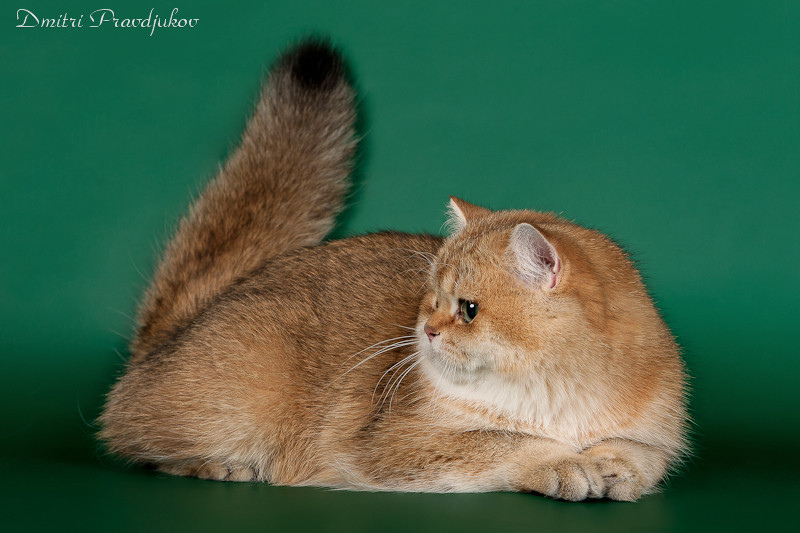
Kittens of silver or golden chinchilla color can only be obtained if both parents have this color.
These are probably all the main colors of British shorthairs that are common worldwide. There are also color mixes that look very impressive, but are not recognized by experts and are considered a defect. But that doesn't make the pet any less beloved, right?
Read also:


Add a comment